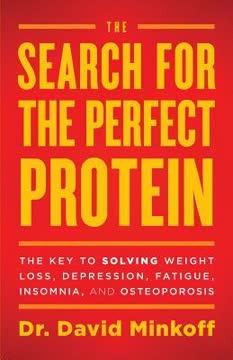
Key Takeaways
1. The "Protein Problem" is a Silent Epidemic of Malnourishment
My definition of protein malnourishment is having inadequate levels of serum essential amino acids to accomplish normalization of the body’s protein requirements.
Widespread deficiency. Despite common belief, countless individuals are protein malnourished, often without realizing it. This isn't always visible; even seemingly healthy or obese individuals can suffer from inadequate essential amino acid levels in their blood. This pervasive issue stems from a combination of poor dietary choices, compromised food quality, and inefficient digestion.
Subtle symptoms. Protein malnourishment manifests in a spectrum of subtle to severe symptoms that are frequently misattributed or ignored. These can include poor nail quality, lack of muscle development despite exercise, chronic fatigue, depression, anxiety, and even severe conditions like fibromyalgia, osteoporosis, and autoimmune diseases. The body's constant need for protein repair and synthesis is unmet, leading to a gradual decline in function.
Modern challenges. Our modern food system, dominated by mass-produced, genetically modified, and chemically treated foods, exacerbates the problem. Animals are fed unnatural diets, pumped with hormones and antibiotics, and packaged in toxic materials. This "polluted protein" provides suboptimal nutrition, making it incredibly challenging to obtain the clean, high-quality protein sources our bodies truly need to thrive.
2. Not All Proteins Are Created Equal: Amino Acid Utilization is Key
The real key is getting the correct ratio of grams of essential amino acids, so that the body can use them to build its own proteins.
Beyond grams. The common dietary advice that all protein grams are equal is a dangerous myth. Twenty-eight grams of protein from tuna is not nutritionally equivalent to twenty-eight grams from Greek yogurt. The critical factor is the Amino Acid Utilization (AAU) rate, which measures how efficiently the body converts dietary protein into human body protein, rather than converting it into calories or waste.
Debunking myths. Many popular protein sources, despite their marketing, have very low AAU rates:
- Whey protein: Only 16% utilized for protein synthesis; 84% becomes sugar/calories.
- Soy protein: Similar to whey, with low utilization.
- Collagen: 0% AAU because it lacks the essential amino acid tryptophan and is deficient in others. Most of it becomes sugar or nitrogen waste.
- Branched Chain Amino Acids (BCAAs): 0% AAU for protein synthesis as they only contain three of the eight essential amino acids.
- Egg whites: Only 16% AAU; the yolk contains crucial methionine, making whole eggs (48% AAU) far superior.
The ideal balance. The body requires all eight essential amino acids in a very specific, ideal ratio to efficiently build its own proteins. If even one essential amino acid is missing or in low supply, protein production halts, and the unused amino acids are shunted down the catabolic pathway, producing toxic nitrogen waste and calories, rather than building vital body structures.
3. Modern Lifestyles and Medications Cripple Protein Digestion and Absorption
If someone lacks quality protein in their diet with too few, or an imbalance of essential amino acids, or has no stomach acid due to taking a drug to block it, they will have poor protein digestion.
Compromised digestion. Proper protein digestion is a complex, multi-stage process starting with chewing, then requiring highly acidic stomach conditions (pH 1-2) to uncoil proteins and activate pepsin. Most people over forty have higher stomach pH, and widespread use of acid-blocking medications (e.g., Nexium, Zantac) further devastates this crucial first step, impairing protein and mineral absorption.
Enzyme deficiencies. After the stomach, pancreatic enzymes further break down protein chains in the small intestine. However, if the body is already protein-deficient, it cannot produce enough of these enzymes (which are themselves proteins), creating a vicious cycle of poor digestion and malabsorption. This leads to undigested proteins, which cannot be absorbed by the intestinal cells.
Leaky gut epidemic. The delicate, single-cell lining of the small intestine is designed to absorb only fully digested amino acids. Damage from food sensitivities (like gluten), toxins (glyphosate), SIBO, or medications can compromise the "tight junctions" between these cells, leading to "leaky gut." This allows larger, undigested protein fragments and pathogens to enter the bloodstream, triggering chronic inflammation and autoimmune diseases.
4. Essential Amino Acids are the Fundamental Building Blocks of All Life Functions
Whether by accident or through creation, somehow, they were formed. Amino acids were then assembled into the first proteins that were most likely enzymes.
Life's foundation. Amino acids are the fundamental building blocks of all life. Our bodies are composed of over 100 trillion cells and at least fifty thousand different proteins, all constructed from these twenty-two amino acids. Eight of these are "essential," meaning the body cannot produce them and they must be obtained from diet or supplements.
Beyond structure. Proteins do more than just form structural components like muscles, bones (40% collagen), and organs. They are vital for:
- Enzymes: Catalyzing nearly all chemical reactions in the body, from digestion and energy production to detoxification.
- Hormones: Such as insulin, thyroid hormone, and growth hormone.
- Neurotransmitters: Serotonin, dopamine, GABA, crucial for mood, sleep, and cognitive function.
- Immune system: Immunoglobulins and other immune proteins.
Constant repair. The human body is under constant assault from physical, chemical, and emotional stressors, causing daily wear and tear on its protein structures. Adequate essential amino acids are indispensable for continuous repair, regeneration, and maintaining cellular integrity. Without them, the body's ability to adapt, heal, and thrive is severely compromised.
5. Perfect Amino Offers a Superior, Highly Utilized Protein Solution
The beauty of Perfect Amino is that it’s a mixture of the eight essential amino acids with an ideal ratio of one to another.
Maximum utilization. Perfect Amino is a unique blend of the eight essential amino acids in a precise, ideal ratio, designed for maximum Amino Acid Utilization (AAU). This means that nearly 99% of Perfect Amino is used for protein synthesis, with less than 1% converted into nitrogen waste or calories. This stands in stark contrast to other protein sources like whey (16% AAU) or soy (16% AAU).
Bypassing barriers. Because Perfect Amino consists of pure, pharmaceutical-grade L-form amino acids, it bypasses the common digestive barriers that plague many individuals. It requires no digestion by stomach acid or pancreatic enzymes, and is rapidly absorbed into the bloodstream within 23 minutes when taken on an empty stomach. This ensures that the body's cells receive the necessary building blocks quickly and efficiently.
Efficient and clean. The minimal waste production of Perfect Amino is particularly beneficial for individuals with compromised liver or kidney function, who struggle to process nitrogen. It provides essential protein support without burdening these vital organs. For anyone seeking to optimize their body's ability to build, repair, and detoxify, Perfect Amino offers an unparalleled, clean, and highly effective solution.
6. Protein Deficiency Underpins a Vast Array of Chronic Illnesses
All depressed people and people with anxiety are protein malnourished.
Systemic breakdown. Inadequate protein intake and poor amino acid utilization are not isolated issues; they are foundational to a wide spectrum of chronic health problems. When the body lacks the essential building blocks, its ability to maintain, repair, and create vital structures and enzymes falters, leading to systemic dysfunction.
Diverse manifestations. The consequences of protein deficiency are far-reaching and impact nearly every bodily system:
- Neurological: Depression, anxiety, insomnia, brain fog, Alzheimer's, Parkinson's, ADD/ADHD (due to insufficient neurotransmitter and enzyme production).
- Musculoskeletal: Loss of lean body mass, muscle weakness, osteoporosis (due to inadequate collagen and muscle repair).
- Immune: Weakened immunity, increased susceptibility to infections (due to low immunoglobulin production).
- Metabolic: Thyroid dysfunction (low tyrosine), fatigue (impaired energy enzymes).
- Autoimmune: Leaky gut leading to conditions like Rheumatoid Arthritis, Lupus, Multiple Sclerosis.
Reversing the decline. The author's clinical experience consistently shows that addressing protein malnourishment, often with essential amino acid supplementation, is a critical first step in reversing these conditions. By providing the body with the raw materials it needs, its inherent capacity for healing and restoration can be unleashed, often leading to significant improvements where conventional medicine has failed.
7. Targeted Protein Support Dramatically Benefits All Demographics
It doesn’t matter if you’re young or elderly, male or female—keeping up protein nutrition is of paramount importance.
Women's specific needs. Women face unique protein-related challenges, including osteoporosis (requiring collagen for bone matrix), low thyroid (tyrosine deficiency), and beauty concerns like sagging skin and hair loss. Menopause exacerbates lean tissue breakdown, while menstruation and PMS demand adequate protein for blood replenishment and hormone balance. Essential amino acids can significantly mitigate these issues.
Athletic advantage. Athletes, with their high demands for recovery, repair, and performance, are particularly susceptible to protein deficiency. Essential amino acid supplementation has been shown to:
- Accelerate muscle recovery and reduce soreness.
- Improve strength, endurance, and overall performance (e.g., Ironman champions, Tour de France riders).
- Maintain immune function, preventing post-training sickness.
Elderly vitality. Aging often brings reduced muscle mass, cognitive decline, and weakened immunity, frequently attributed to "getting old." However, these are often consequences of poor nutrition and malabsorption. Essential amino acids can help the elderly maintain lean body mass, improve memory and cognitive function, and strengthen their immune systems, leading to a higher quality of life.
Children's development. Children, especially those with conditions like autism who are picky eaters, require optimal protein for growth and development. Essential amino acid supplements can ensure they receive vital nutrients, supporting physical and cognitive health from infancy through adolescence, as demonstrated by the gastroschisis baby case study.
8. A Healthy Gut is the Foundation of Overall Health and Protein Absorption
Hippocrates said it best in 400 B.C: “Disease begins in the colon.”
The gut-health imperative. The intestine is the body's primary interface with the outside world, and its health is paramount for nutrient absorption and immune defense. A healthy gut lining, with intact tight junctions and balanced microbiome, is crucial for preventing "leaky gut" and the systemic inflammation it causes.
Consequences of gut dysfunction. Chronic intestinal issues, often stemming from antibiotics, toxins, parasites, yeast overgrowth, and low stomach acid, lead to:
- Malabsorption: Inability to absorb essential nutrients, including amino acids.
- Autointoxication: Reabsorption of waste products due to constipation.
- Systemic inflammation: Elevated C-reactive protein (CRP), linked to heart disease and cancer.
- Autoimmune diseases: Foreign proteins entering the bloodstream trigger the immune system to attack the body's own tissues.
Restoring gut integrity. Healing the gut involves a multi-pronged approach: restoring stomach acid, supplementing with pancreatic enzymes, eliminating pathogens (parasites, yeast, bad bacteria), rebalancing the microbiome with probiotics, and providing abundant essential amino acids to repair the intestinal membrane. This comprehensive strategy can resolve chronic digestive symptoms and halt autoimmune processes.
9. True Healing Addresses Root Causes, Not Just Symptoms
This approach is effective because we address the root of the problem; we don’t just put up a window dressing in the form of a drug.
Beyond symptom suppression. Conventional medicine often focuses on suppressing symptoms with drugs, rather than identifying and treating the underlying causes of illness. This approach, while sometimes offering temporary relief, can lead to a cascade of new problems and chronic dependency, as seen with acid blockers causing tryptophan deficiency and subsequent depression.
Psychiatry's flawed model. The author strongly critiques modern psychiatry for its lack of objective diagnostic tools and its reliance on mind-altering drugs. Conditions like depression, anxiety, and ADD/ADHD are often misdiagnosed as purely psychological, when in fact, they frequently stem from nutritional deficiencies (e.g., amino acids for neurotransmitters), gut dysbiosis, and environmental toxins.
Holistic investigation. Effective healing requires a detective-like approach to uncover the true root causes:
- Comprehensive testing: Blood amino acid levels, environmental toxins (urine), gut microbiome analysis (stool), hormone levels.
- Addressing deficiencies: Replenishing essential amino acids, vitamins, minerals, and essential fats.
- Eliminating toxins: Detoxification protocols.
- Restoring function: Healing the gut, balancing hormones, supporting natural detoxification pathways.
Empowering the body. By providing the body with what it needs and removing what harms it, its innate intelligence can restore normal function. This contrasts sharply with the iatrogenic (doctor-caused) illness epidemic, where medical interventions themselves become a leading cause of death and disability.
10. Protein is Crucial for Detoxification, Organ Health, and Disease Recovery
Some of the ability to detoxify is genetic, but much of it is related to the person’s health and nutrition.
Detoxification powerhouse. The body's detoxification pathways, primarily in the liver, rely heavily on specialized protein enzymes. If a person is protein malnourished, their ability to create these enzymes is compromised, leading to an accumulation of environmental toxins (e.g., gasoline additives, pesticides, plastics) that can poison cells and contribute to various illnesses.
Kidney and liver support. Proteins contain nitrogen, which is toxic when broken down and must be converted to urea by the liver and excreted by the kidneys. Patients with serious kidney or liver disease are often placed on low-protein diets to reduce nitrogen burden, but this leads to muscle loss, anemia, and weakened immunity. Perfect Amino, with its less than 1% nitrogen waste, offers a vital solution, providing essential protein without overwhelming these organs.
Cancer recovery. Cancer patients often suffer from severe malnourishment due to treatment side effects (nausea, diarrhea) and the disease itself. Low total serum protein levels are a poor prognostic indicator. High doses of Perfect Amino can help these patients maintain lean body mass, improve anemia, and support their immune system, significantly impacting their prognosis and recovery without adding to their toxic load.
People Also Read



 Immersive