

Key Takeaways
People skills drive 85% of success — expertise alone won't cut it
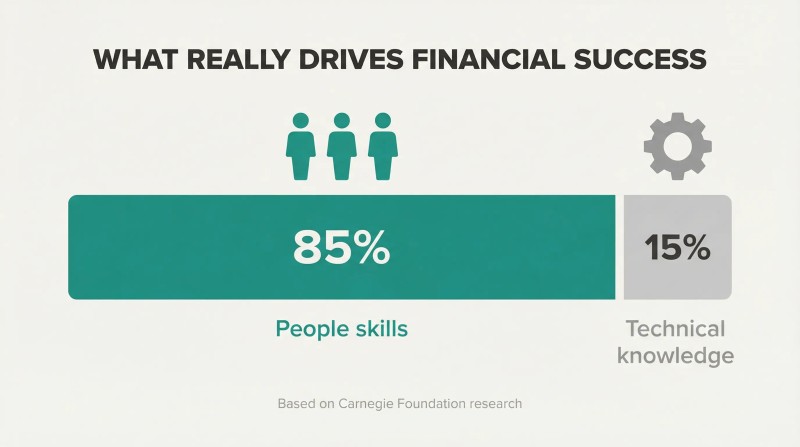
Technical skills are table stakes. Research from the Carnegie Foundation showed that in fields like engineering, only 15% of financial success comes from technical knowledge — a staggering 85% comes from "human engineering," meaning personality and the ability to lead people. John D. Rockefeller called the ability to deal with people a commodity he'd pay more for "than for any other under the sun."
Yet virtually no schools teach it. A University of Chicago survey found that after health, adults' top interest was learning how to get along with people. Carnegie spent decades interviewing leaders from Edison to Roosevelt, studying hundreds of biographies, and distilling the principles that actually work — not theories, but field-tested techniques from a laboratory of thousands of real human interactions.
Criticism always boomerangs — even killers think they're justified
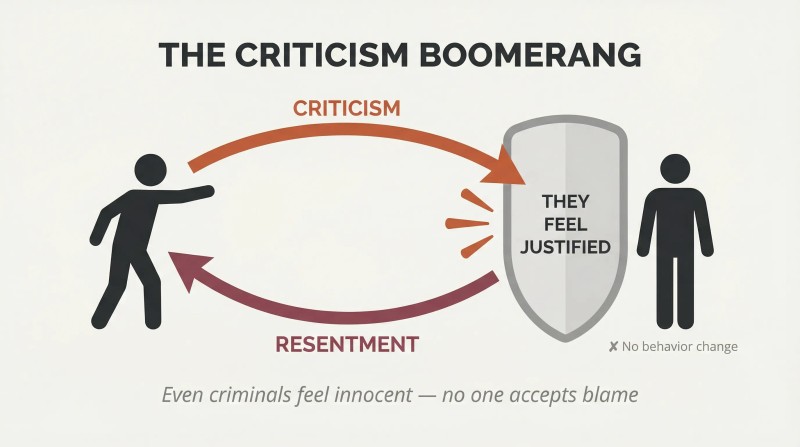
Even criminals feel innocent. "Two Gun" Crowley murdered a policeman, then wrote, "Under my coat is a weary heart, but a kind one." Al Capone called himself a public benefactor. The warden of Sing Sing said virtually no inmate considers himself a bad person. If hardened criminals won't accept blame, why would your employees or spouse?
Lincoln learned this nearly at sword-point. After publicly ridiculing a politician, he was challenged to a duel and almost killed. He never wrote another insulting letter. His greatest restraint came after General Meade squandered a chance to end the Civil War at Gettysburg — Lincoln wrote a furious letter, then never mailed it. B.F. Skinner later confirmed: rewarding good behavior teaches far more effectively than punishing bad.
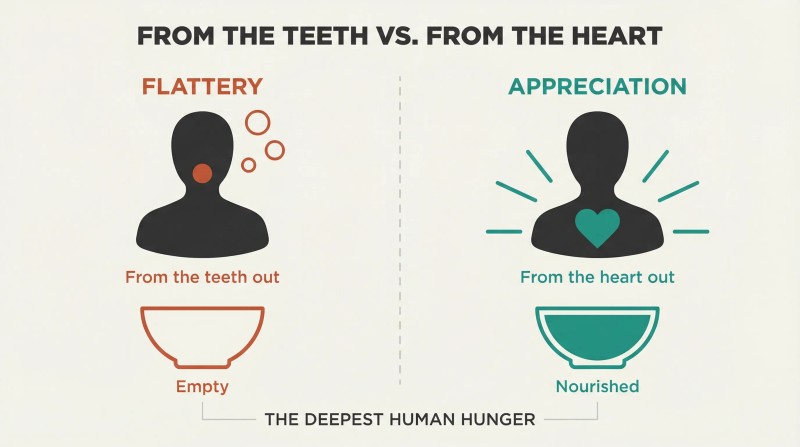
Honest appreciation, not flattery, feeds the deepest human hunger
Importance is the unsatisfied craving. Philosopher John Dewey identified the desire to be important as the deepest urge in human nature. Carnegie argues this desire drove Lincoln from poverty to the presidency, inspired Dickens to write novels, and pushed some people to literal insanity when the real world denied them any feeling of significance.
Appreciation and flattery are opposites. Charles Schwab earned over $1 million per year not for knowing steel, but for arousing enthusiasm through genuine encouragement. Flattery is insincere — from the teeth out. Appreciation is genuine — from the heart out. A study of runaway wives found the top reason was "lack of appreciation." Carnegie's challenge: we wouldn't let families go six days without food, yet we let them go years without heartfelt recognition.
Frame every request through what the other person wants
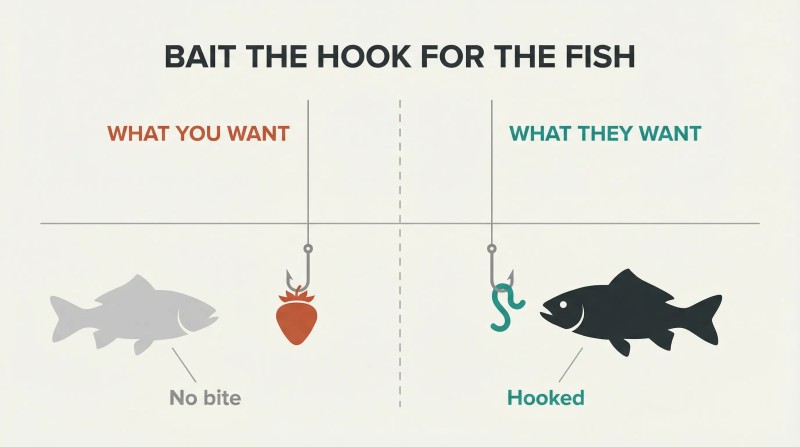
Bait the hook for the fish, not yourself. Carnegie's most vivid metaphor: "I am very fond of strawberries and cream, but fish prefer worms." Every persuasion attempt should begin with one question: "How can I make this person want to do it?" This is not manipulation — both parties should benefit.
Carnegie cut his own rent hike by applying this. When his hotel tripled lecture-hall rent, he didn't argue. He listed the hotel's disadvantages of losing him — no foot traffic from attendees, no advertising value. Result: a 50% increase instead of 300%, without once mentioning his own needs. Barbara Anderson wrote to 12 banks explaining how her experience could help their growth. Eleven invited her to interview.
Make more friends by being curious than by being clever
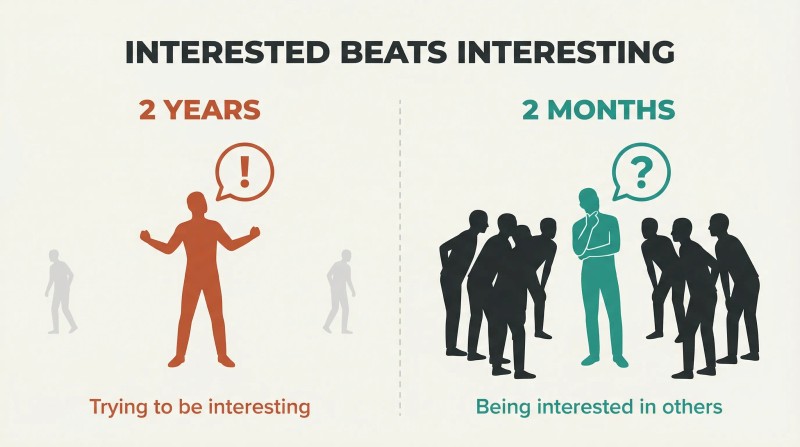
Carnegie barely spoke — yet was called brilliant. At a dinner party, he asked a botanist questions and listened for hours. Afterward, the botanist praised Carnegie as "a most interesting conversationalist" — though Carnegie had said almost nothing. Genuine curiosity signals respect more powerfully than any performance.
Disinterest in others is the root of social failure. Psychologist Alfred Adler wrote that the person not interested in fellow humans "has the greatest difficulties in life and provides the greatest injury to others." Theodore Roosevelt greeted White House scullery maids by name. Magician Howard Thurston repeated before every show: "I love my audience." A salesman retained a client simply because he bothered greeting the soda clerk — something no other rep ever did.
Use people's names — nothing else grabs attention so fast
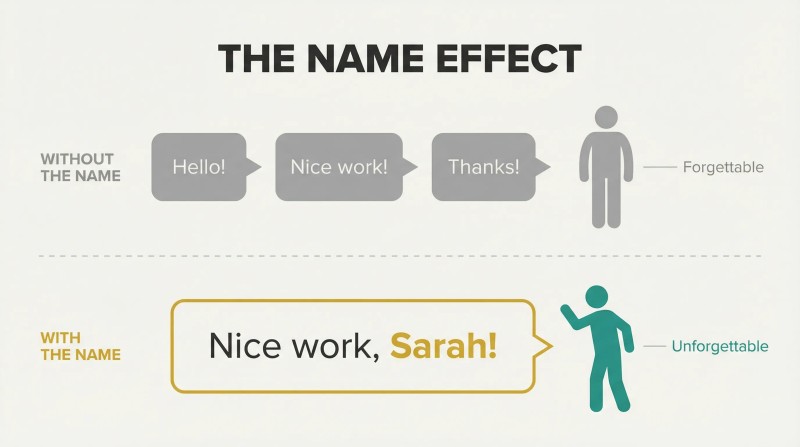
Names win elections and close deals. Jim Farley — who helped put FDR in the White House — could call 50,000 people by their first names. His system: learn every acquaintance's full name, family details, and interests, then recall them perfectly a year later. Every personal letter he wrote began "Dear Bill" or "Dear Jane," signed simply "Jim."
Andrew Carnegie weaponized this insight. To sell steel rails to the Pennsylvania Railroad, he named his Pittsburgh mill the "Edgar Thomson Steel Works" — after the railroad's president. When competing with Pullman for a sleeping-car contract, he proposed a merger and suggested calling it "the Pullman Palace Car Company." Pullman's face brightened, and the deal was done.
Every argument you 'win' is a relationship you lose
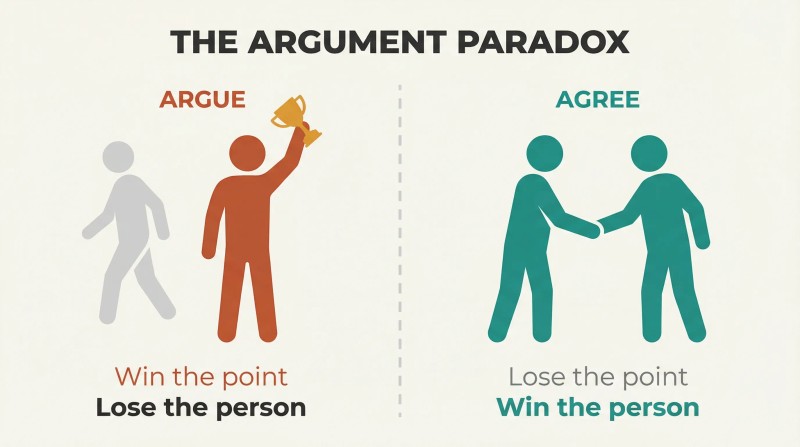
Agree with your competitor and watch the fight vanish. Truck salesman Pat O'Haire used to argue with customers who praised rival brands — and never sold anything. After training, he'd respond: "The Whose-It is a good truck. If you buy it, you'll never make a mistake." With nothing to fight, the customer would stop, listen, and often switch.
Even factual victories backfire. A tax consultant argued for an hour with a government inspector over $9,000. Nothing worked. When he switched to praising the inspector's expertise and expressing genuine admiration for his difficult job, the inspector became friendly and ruled in his favor. Benjamin Franklin banned certainty words like "certainly" and "undoubtedly" from his vocabulary — and became America's most effective diplomat.
Admit your mistakes before anyone else can point them out
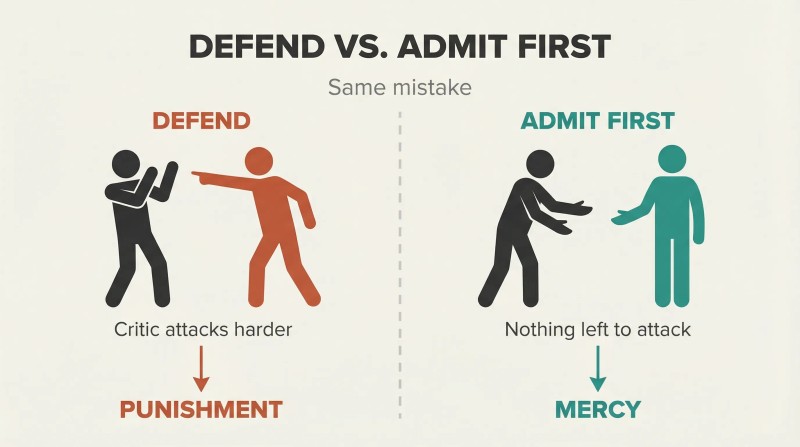
Self-criticism disarms every opponent. Carnegie walked his dog Rex without a leash despite park rules. When a policeman caught him a second time, Carnegie confessed instantly: "You've caught me red-handed. I'm guilty. I have no alibis." The officer's only path to feeling important was showing mercy — and he let Carnegie go. Had Carnegie argued, the result would have been a fine.
This works at the highest stakes. After Pickett's catastrophic charge at Gettysburg, Robert E. Lee rode out alone to his beaten troops: "All this has been my fault. I and I alone have lost this battle." A commercial artist who preemptively criticized his own work found his scolding client suddenly defending him — and handing him more commissions.
Let others feel the idea is theirs — they'll champion it
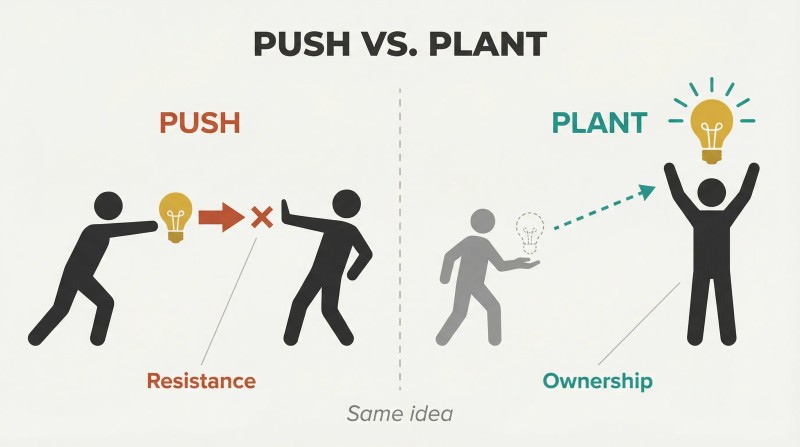
Stop selling — let them buy. Sketch salesman Eugene Wesson called on the same buyer weekly for three years without a sale. When he finally brought unfinished sketches and asked, "How could we finish these so you could use them?" the buyer shaped the designs himself and accepted all of them. Scores of orders followed.
This works at the presidential level. Colonel House influenced Woodrow Wilson by planting ideas "casually" until Wilson presented them as his own at dinner. House never claimed credit — he wanted results, not recognition. An X-ray manufacturer asked a hospital director for advice on improving new equipment. The doctor studied it, fell in love with it, and ordered it installed — convinced the purchase was entirely his decision.
Praise specific improvements — vague flattery fools no one
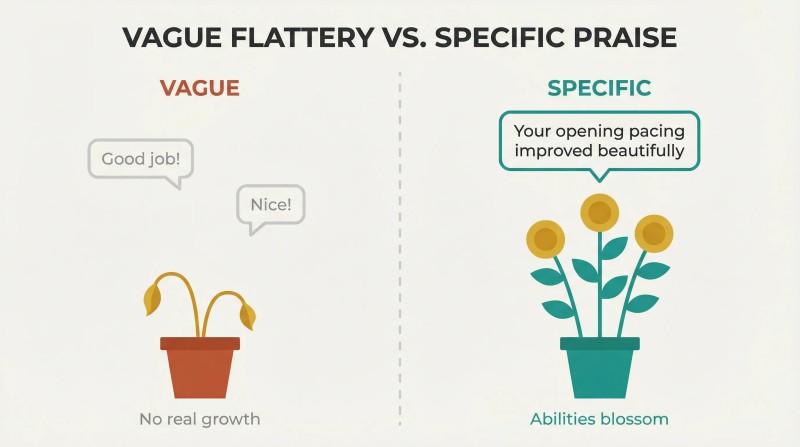
Specific praise changed musical history. Enrico Caruso's first teacher said his voice sounded "like the wind in the shutters." His peasant mother praised every improvement and went barefoot to afford lessons — creating the greatest opera singer of his age. Charles Dickens mailed his first manuscript in the dead of night so no one would laugh. One editor's acceptance kept him from spending his life in rat-infested factories.
Targeted recognition outperforms vague compliments. When a print shop owner told a struggling new employee exactly which piece was superior and why, the man transformed into a loyal, dedicated worker overnight. Carnegie's rule: praise the slightest improvement, and praise every improvement. Give people a fine reputation to live up to, and they'll strain to prove you right.
Analysis
Carnegie's 1936 book is simultaneously the most influential interpersonal skills guide ever written and one of the most misunderstood. Critics dismiss it as a handbook for sycophants. But this misreading confuses Carnegie's method with its caricature. The book's core insight isn't "be nice to get things." It's that human beings are fundamentally emotional creatures who crave importance, and acknowledging this truth sincerely is both the most effective and the most ethical path through the social world.
What Carnegie intuited, behavioral science later confirmed. His principle that criticism triggers defensiveness anticipates what psychologist John Gottman would identify as one of the 'Four Horsemen' predicting relationship failure. His emphasis on positive reinforcement over punishment predates the positive psychology movement by decades. His insistence on perspective-taking as the master skill of influence aligns with contemporary negotiation research showing it to be the strongest predictor of successful outcomes.
The book's weakness is its reliance on anecdotes over controlled evidence. Carnegie was a storyteller, not a scientist. His examples — from Lincoln to Rockefeller — are cherry-picked narratives, not replicated experiments. We never hear about the times appreciation fell flat or when admitting a mistake backfired. The book also reflects 1930s gender dynamics and occasionally romanticizes power asymmetries.
Yet the most common criticism — that Carnegie teaches manipulation — misses the point. He distinguishes repeatedly between flattery and sincere appreciation. His method only works when the practitioner genuinely shifts attention from themselves to others. In an era when social media has weaponized self-promotion and the default human instinct is to broadcast rather than listen, Carnegie's radical proposal — succeed by making others feel important — may be more countercultural now than in 1936. The thirty principles reduce to one discipline: before any interaction, ask what this person needs to feel, and provide it honestly.
Review Summary
Readers praise Carnegie's timeless advice on human relations, finding it practical and life-changing. Many appreciate the book's simple yet profound principles for improving communication and relationships. Some critics argue the techniques can feel manipulative, but most agree the core message promotes genuine interest in others. While the language may feel dated, the book's enduring popularity speaks to its relevance across generations.
People Also Read









Glossary
The desire to be important
Deepest human motivational driveCarnegie's term for what he considers the most fundamental force in human psychology—the craving to feel significant and valued. Drawing on John Dewey and William James, Carnegie argues this desire distinguishes humans from animals, drives all ambition from Lincoln's rise to criminal behavior, and is the master key to influencing others. Satisfying this desire in others through sincere appreciation is the book's central mechanism.
Arouse an eager want
Make others desire your outcomeCarnegie's Principle 3 and a foundational persuasion technique: instead of talking about what you want, frame requests in terms of what the other person desires. Like baiting a fishhook with worms instead of strawberries, you make people want to do what you need by showing them how it serves their own interests, pride, or goals. Both parties should benefit from the arrangement.
Socratic method
Get sequential 'yes' responsesCarnegie's adaptation of the ancient Greek philosopher's technique for modern persuasion. Rather than stating your conclusion directly, ask questions the other person must agree with, building a chain of 'yes' responses. Each affirmative creates psychological momentum toward acceptance. A 'no' triggers a physical and mental withdrawal that is difficult to reverse, so the goal is to keep the conversation moving in the affirmative direction from the start.
Hearty in your approbation and lavish in your praise
Carnegie's mantra for giving recognitionA phrase originally from Charles Schwab that Carnegie adopts as his repeated refrain throughout the book. It captures his standard for how appreciation should be delivered—not tepidly or occasionally, but with visible enthusiasm and generous frequency. Carnegie contrasts this with the typical pattern where people are quick to criticize errors but silent about good work, and argues this lavish-praise approach was central to Schwab's extraordinary success in leading people.
FAQ
What's How to Win Friends and Influence People about?
- Focus on Human Relations: The book emphasizes the importance of interpersonal skills for personal and professional success, offering practical advice on connecting with others.
- Timeless Principles: Dale Carnegie outlines techniques for handling people, making them like you, winning them to your way of thinking, and leading without causing resentment.
- Real-Life Examples: Carnegie uses anecdotes and stories to illustrate his points, making the advice relatable and applicable to everyday situations.
Why should I read How to Win Friends and Influence People?
- Proven Success: Since its publication in 1936, the book has been a bestseller, demonstrating its lasting relevance and effectiveness in improving social skills.
- Personal Growth: Readers can enhance their ability to communicate, build relationships, and influence others positively, leading to greater success in personal and professional realms.
- Practical Techniques: The book offers actionable advice that can be implemented immediately, making it a valuable resource for improving social interactions.
What are the key takeaways of How to Win Friends and Influence People?
- Avoid Criticism: Criticism often leads to defensiveness and resentment, making it counterproductive in building relationships.
- Show Genuine Interest: Becoming genuinely interested in others is crucial for making friends and building connections.
- Remember Names: A person’s name is the sweetest sound to them, and using it can significantly enhance interpersonal connections.
What are the best quotes from How to Win Friends and Influence People and what do they mean?
- “You can’t win an argument.”: Arguments often lead to resentment rather than agreement, so it's better to avoid them.
- “Arouse in the other person an eager want.”: Understand what others desire and frame your requests to align with their interests.
- “To be interesting, be interested.”: Genuine curiosity about others makes you more engaging and fosters better relationships.
What are the fundamental techniques in handling people according to How to Win Friends and Influence People?
- Avoid Criticism: Focus on understanding and appreciating others instead of criticizing them.
- Give Honest Appreciation: Sincere appreciation can motivate and encourage people, as everyone craves to be appreciated.
- Arouse Eager Wants: Frame your requests in terms of what others want to gain cooperation and support.
How can I make people like me instantly according to How to Win Friends and Influence People?
- Be Genuinely Interested: Show sincere interest in others by asking questions and listening attentively.
- Smile: A genuine smile creates a welcoming atmosphere and makes others feel comfortable.
- Remember Names: Using someone’s name in conversation enhances rapport and makes them feel valued.
How does How to Win Friends and Influence People suggest I can improve my conversational skills?
- Be a Good Listener: Encourage others to talk about themselves and show genuine interest in their stories.
- Ask Open-Ended Questions: Use questions that require more than a yes or no answer to keep the conversation flowing.
- Talk in Terms of Their Interests: Tailor your conversation to topics that interest the other person.
What specific methods does Dale Carnegie suggest for influencing others?
- Begin with Praise: Start conversations with genuine praise before addressing any issues to set a positive tone.
- Ask Questions: Instead of giving direct orders, ask questions that lead others to their own conclusions.
- Create a Challenge: Motivate people to excel by presenting challenges that tap into their desire for recognition.
How does How to Win Friends and Influence People address criticism?
- Indirect Criticism: Call attention to mistakes indirectly to preserve the other person's dignity.
- Talk About Your Own Mistakes: Share your own mistakes before criticizing others to make feedback feel less personal.
- Encourage Improvement: Use encouragement to make faults seem easy to correct, fostering a supportive environment.
What role does empathy play in How to Win Friends and Influence People?
- Understanding Perspectives: Try to see things from the other person's point of view for more effective communication.
- Building Connections: Empathy helps build deeper connections by showing you care about others' feelings and experiences.
- Reducing Conflict: Empathizing with others can diffuse potential conflicts before they escalate.
How can I apply the principles from How to Win Friends and Influence People in my daily life?
- Practice Active Listening: Listen more than you speak to improve relationships and connect with others on a deeper level.
- Show Appreciation Daily: Look for opportunities to express genuine appreciation to those around you.
- Engage in Meaningful Conversations: Focus on topics that interest others and encourage them to share their thoughts.
How can I improve my communication skills based on Dale Carnegie's teachings?
- Practice Active Listening: Focus on truly hearing what others are saying without planning your response while they speak.
- Use Positive Language: Frame suggestions and feedback positively, emphasizing improvements rather than faults.
- Engage in Public Speaking: Practice speaking in front of groups to enhance your overall communication skills.
About the Author
Other books by Dale Carnegie





Download PDF
Download EPUB
.epub digital book format is ideal for reading ebooks on phones, tablets, and e-readers.








































