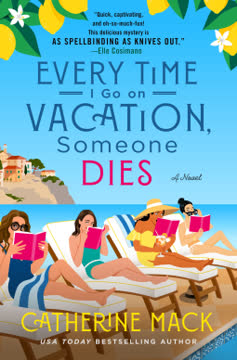
Plot Summary
Confessions in the Confessional
Eleanor Dash, celebrated but reluctant bestselling author, finds herself at the start of a whirlwind Italian book tour and, in a stuffy Roman confessional, fantasizes aloud about murdering her literary muse and nemesis, Connor Smith. Their shared past—travel, accidental sleuthing, romance, betrayal, and exploitation of Eleanor's writing success—inspires Eleanor's popular mystery series. But her confessional ramble exposes the cracks beneath her supposed triumph: Eleanor is trapped, creatively and financially exploited by Connor, who leveraged her use of his real name into blackmail, extracting a steady cut of her earnings. The confessional serves as a clever framing device for Eleanor's tangled conscience, familial dependence (especially on her younger sister and assistant, Harper), and the tension between her public persona and private weariness. There's dark humor, simmering resentment, and the awareness that the emotional beginning is never where a story truly starts.
Blackmail and Bestsellers
The trip through Rome lays bare the dysfunctional machinery behind Eleanor's fiction: Connor's demands have escalated in tandem with her success, each new Vacation Mysteries installment tightening his grip. Eleanor's dynamic with her sister Harper is loving but fraught; Harper acts as both indispensable support and biting critic, nurturing ambitions of her own and hinting at eventual emancipation. Mention is made of Eleanor's guilt over overshadowing Harper's dreams, especially since Harper was the original aspiring writer. Connor, eternally charming yet parasitic, claims someone is now trying to kill him—incidents in LA and Rome seem suspicious but also conveniently melodramatic. Eleanor, who has plotted Connor's fictional death for years, is suddenly thrust into the possibility of facing his real one. Underlying it all is creative exhaustion and the burden of becoming the face of a brand rather than an author.
A Not-So-Accidental Tourist
The touring schedule is crammed with photo ops, gelato detours, and fan encounters looming large. Eleanor and Harper's bittersweet rapport is evident—shared trauma after their parents' death ties them closer, even as unresolved jealousy and dependency bubble beneath. The book's meta humor surfaces: Eleanor gently mocks her own authorial image and the artificiality of her success as fans and publishers care more for 'Connor' than the stories themselves. A tour group of BookFace Ladies—rabid superfans—hypes the surreal, performative aspect. Here, Eleanor's imposter syndrome, fan pressures, and the thin line between real and staged enthusiasm shimmer, while hints drop about stalkers and unstable audience members.
Fanatics, Frauds, and Fandom
At the Colosseum, a vivid mix of adulation and stalkerish energy converges. Connor laps up fan devotion with skill, while Eleanor endures the awkwardness of mistaken identity, invasive questions, and overbearing admirers like "Crazy Cathy." There's comedic tension, but also a mounting sense of danger—folded into obsessive fandom, infatuations, and personal grudges. The blurred boundaries between Eleanor's life and fiction become literal: fans confuse sister for author and assign Eleanor's achievements to Harper, deepening Eleanor's feelings of theft and inadequacy. The tour's chaos, with its trivia, missteps, and heated tempers, paints a world where narrative, marketing, and personality cults eclipse substance.
Death Among Ruins
As the tour weaves from historical landmarks to "meet the author" events, sudden danger erupts—a scream and physical struggle leave Harper bloodied and shaken. Oliver, Eleanor's former lover and literary equal, reappears at her side, reviving old heartbreak. The triangle between Eleanor, Connor, and Oliver, once fodder for plot, now feels uncomfortably immediate. Past betrayals are exhumed: Eleanor's first, disastrous romance with Connor and her longer, more substantial relationship with Oliver, which disintegrated under the combined weight of work, secrets, and Eleanor's inability to escape Connor's shadow. Tensions simmer over unresolved grief, failed communication, and creative rivalry. Meanwhile, real violence lurks on the periphery, with mugging, physical threats, and emotional flashbacks to loss.
Old Flames and Fresh Wounds
Oliver's presence is both balm and blade—he is evidence of what Eleanor lost and what she might reclaim. Their exchanges are crackling, haunted by what-ifs and the specter of betrayal. Connor stirs mischief, capitalizing on emotional chaos by sowing doubt and needling both Eleanor and Oliver. The broader group dynamics—author rivalries, ex-lovers, sisterly secrets, and stalkers—are volatile. The narrative meditates on whether Eleanor can write her way out of this trap or whether she's doomed by her inability to break cycles of creative exploitation, romantic self-sabotage, and family guilt. Amid historic ruins, Eleanor ponders the cost of her fame: relationships eroded, artistry dimmed, and potential murder in their midst.
Sisterhood and Sabotage
Harper's suppressed resentments and thwarted ambitions spill out: she reveals her painful attempts at authorship and how Eleanor's unintentional betrayal—publishing success—shattered her own dreams. Their shared code word, "pineapple," becomes a symbol of trust and protection, just as Eleanor's confessions crack. Sisterhood is at once lifeline and a source of chronic anxiety, as both women struggle with their roles: Harper as caretaker, support, and secret-keeper; Eleanor as accidental saboteur and sufferer of imposter syndrome. Their emotional truce is fragile, constantly threatened by career choices, betrayals, and the knowledge that they may not need each other much longer.
A Parade of Suspects
At a climactic, wine-filled group dinner, secrets and alliances surface. Each character's possible motive for harm is revealed—resented exes, faded business partners, rival authors, Harper's inherited ambitions, and the unscrupulous Connor—all could plausibly wish for Connor's demise. The group debates crimes real and imagined, blackmail, and professional sabotage. Tensions boil over when "Crazy Cathy" crashes the event; personal aggression, dramatic threats, and deep-seated rivalries underline how interconnected everyone's lives now are. Clues, red herrings, and psychological games intermingle, preparing the ground for the coming murder.
Nearly Dead and Dinner Drama
A "simple" meal becomes a fest of revelations and physical panic when Eleanor nearly chokes—a moment highlighting the real consequences of prolonged suspicion, rivalry, and harassment. Oliver reprises the romantic hero, saving Eleanor from suffocation. Connor, self-involved as ever, interprets the mishap as further evidence of attempts on his life. Eleanor, now both protagonist and "victim," is thrust into the vulnerable role she's spent her literary career dodging. Doubt lingers: Was it attempted murder or accident? The group, already fragmented, is now united by real fear and the realization that their game has turned fatal.
Confrontations, Confessions, and Catalysts
As the tour's physical and emotional stakes escalate, so do the murder attempts—gunshots, possible poisonings, pushings, and "accidents." Connor's paranoia (and penchant for faking his own death) collides with a series of very real threats against Eleanor. Both author and character face legitimate danger, but the question of who truly wants Connor—and now Eleanor—dead becomes ever more layered: is it a case of ginned-up drama, or is someone using their narrative blind spots against them? The plot's meta-structure sharpens, as real life increasingly mimics the conventions of classic whodunits, extending suspicion to all, including Eleanor herself.
Fake Deaths and Real Attempts
Mounting attempts on both Connor and Eleanor's lives, a framing attempt implicating Eleanor in murder, and Harper's possible involvement up the stakes. The tour devolves into a game of 'Clue,' with characters weaponizing each other's weaknesses—literal and metaphorical keys, sleeping pills, and family secrets. The pace of threats quickens: a jellyfish sting, sabotaged brakes, and a device injecting poison all cloud the truth, and every accident is now suspect. The emotional core sharpens as Eleanor faces being charged for murder, Harper risked as both possible co-conspirator and next of kin, and Oliver a potential suspect.
Champagne, Jellyfish, and Cannoli
Each setting—ferry ride, Capri villa, cliffside banquet—mixes hedonistic pleasure with mortal danger. Flirtations, drunken confessions, and revelations swirl: authors and exes bicker over stolen plots, side deals, and creative theft. Shek, a former ally, becomes a key suspect and eventual victim, poisoned with a device meant to frame Eleanor. The opulence and quirk of Italy's tourist traps echo with deadly intent. Here, the vacation murder mystery trope is both celebrated and dissected—every pleasure tainted, every cocktail suspect, and every seeming accident now an elaborate clue.
Poison Pens and Plot Holes
Pullbacks from the main action bring author and reader directly into the whodunit game—plots within plots, where Eleanor's writing process, therapy sessions, jaded meta-observations, and even footnotes become vehicles for both distraction and revelation. Eleanor, facing arrest, re-examines every relationship, betrayal, and editorial decision for missed clues and moral failings. The cracks in her reliability as a narrator—and as a person—threaten to sink her. Law enforcement's missteps, the parade of suspects, and Harper's loyalty are all scrutinized as possible explanations for murder and missed justice.
Cliffside Revelations
The climactic scenes on the Amalfi cliffs, amidst day drinking and losing inhibitions, strip away all remaining pretenses. Eleanor finally pieces together the truth—deciphered during a moment of wine-drenched clarity. The seeming attempts on Connor are revealed as clever misdirection; the true plot is to kill Eleanor, not Connor, using both personal vengeance and professional envy as motive. Marta and Isabella, daughters of the original criminal family from Eleanor's first "real" mystery, turn out to have infiltrated both Eleanor's tour and her publisher, executing a plan of elaborate, generational revenge.
Truths from the Tower
Atop a dizzying Ravello turret, Eleanor is confronted by Sylvie (Marta and Isabella's mother, operating as their tour guide). The ultimate showdown is tense, claustrophobic, and laced with the dual pains of survivor's guilt and self-knowledge. Sylvie's confession reveals that Eleanor's success—built on the exposure and downfall of the Giuseppe family—unleashed a spiral of resentment and loss. The dialogue is as much about personal rage as criminal justice; Eleanor, in defending herself, accidentally kills Sylvie, shattering the cycle of vengeance while inheriting its cost. As police close in and remaining threats are neutralized, Eleanor is left to navigate her own culpability, relief, and the impossibility of closure.
The Unveiling of the Vengeful
The police unravel the plot, finding that Marta and Isabella planned—and nearly executed—a perfect crime, with Isabella as infiltrator and Marta as mastermind. Shek's murder, the various accidents, blackmail, and framing attempts are revealed as the work of a family seeking closure (and perhaps profits) through criminal artistry. The seductive glamour of the writing life is thoroughly deconstructed: every relationship is transactional, every support comes with a catch, and every plot twist carries scars for the living.
Epilogue: After Every Ending
Months later, Eleanor has survived, but nothing is unscathed—her career, sisterhood, and sense of narrative control are reshaped. The fallout touches everyone: some relationships (like Eleanor and Oliver) are repaired, others are permanently broken. Harper abandons her own writing, the stalker 'Crazy Cathy' redeems herself, and even Connor becomes a faintly rehabilitated figure. The real "lesson" is bittersweet: success exacts its price, closure is elusive, and even the neatest mystery endings are haunted by secrets that refuse to stay buried.
Analysis
Catherine Mack's Every Time I Go on Vacation, Someone Dies is a murder mystery that is as much an examination of storytelling, celebrity, and trauma as it is a whodunit. It uses the sharp, unreliable voice of Eleanor Dash to explore the chasm between fiction and reality—showing how stories can heal, wound, and, when misused, destroy lives. The book is relentlessly self-aware, critiquing the publishing industry's hunger for the same story ad nauseam, the perils of building a brand on real-life pain, and the way that success can be both a gilded cage and a weapon. The plot's format—claustrophobic, recursive, and meta—mirrors the emotional traps Eleanor experiences: every attempt to reclaim herself leads to further entanglement, whether in family, love, or art. Ultimately, the lesson is that closure and 'plot resolution' are illusions: real danger comes less from enemies than from the wounds we carry, and the stories we tell ourselves. Guilt, confession, and forgiveness are incomplete but necessary, and the only way forward is with self-understanding—and sometimes, surrendering our cherished endings. Mack's book is both a loving tribute and knowing sendup of the genre, brimming with humor, pathos, and a sense that stories are always messier than their endings suggest.
Review Summary
People Also Read


Characters
Eleanor Dash
Eleanor is smart, neurotic, funny, and beset by chronic imposter syndrome. Once merely a traveler, she became a literary star by fictionalizing a real extreme adventure and criminal intrigue—bliss and trauma mixed with Connor Smith's charisma. As series protagonist, Eleanor is both steely resourceful and emotionally fragile, wounded by her exploitation at Connor's hands, her accidental theft of Harper's dream, and the peculiar loneliness of fame. Her relationships are fraught: she is both mentor and thief to Harper, reluctant muse to Connor, and the one who got away for Oliver. Eleanor's unreliability as both narrator and self-analyst is central—she confesses, rationalizes, and jokes, but also harbors dark secrets, including complicity in the original crime. Over the course of the novel, Eleanor must shed the layers of denial and embrace the danger, accountability, and ultimate catharsis that come with the truth.
Connor Smith
Connor is the unwilling star of both Eleanor's books and her real-life troubles—handsome, quick-witted, and slippery as a con man. His relationship with Eleanor began as romance and adventure in Rome but morphed into a network of exploitation: he blackmails, gaslights, and emotionally leeches from Eleanor, while basking in the fanbase she created. Connor's secret criminal past (planning the original robberies, then flipping on his partners), penchant for drama, and habitual lying keep him at the narrative center, alternately victim and villain. Although he is victimized by Isabella and the Giuseppes in the finale, he is never truly innocent. Connor personifies the dangers of charisma unchecked by conscience—delightful on the surface, but emotionally corrosive at the core.
Harper Dash
Harper is more than Eleanor's PA; she's a codependent lifeline, absorbing the byproducts of Eleanor's fame and guilt. Once the golden child with literary ambitions, Harper is forced by parental loss and Eleanor's sudden success into a role that erases her own identity. Harper's manicured, composed appearance belies her wounds—jealousy, longing, and unspoken betrayal. Her willingness to serve, and occasional warnings of departure, keep Eleanor anxious and accountable. The pressure of always being second best is both motivation and burden; her love for Eleanor is genuine but embittered. Harper's arc revolves around reconciliation with her own limitations and finally stepping out of Eleanor's—and Connor's—shadows.
Oliver Forrest
Oliver is Eleanor's most significant lost chance—a literary peer who provided support, understanding, and deep connection before being wounded by Eleanor's inability to let go of Connor. Talented, stable, and respectful, Oliver is both the emotional anchor of Eleanor's life and a reminder of her self-destructive patterns. His return reignites longing and regret, challenging Eleanor to reckon with the choices that cost her love. Oliver is also a "meta" reference: his presence in the story, perspective on plot, and professional rivalry augment the book's commentary on how writers cannibalize their own relationships.
Allison (Smith)
Allison, Connor's brilliant former spouse, is a master class in outward composure and quiet resentment. Once wounded by Eleanor and Connor's betrayal, Allison refashions herself as a tell-all author and festival personality, choosing dignity and calm over visible anger. She is resourceful and practical, highlighting the costs of being collateral damage to charismatic men and their ambitious partners. Allison's presence serves as a reminder that behind every public drama are private humiliations and bereavements that rarely heal in tidy ways.
Shek (Abishek Botha)
Shek is an established but fading author whose career is eclipsed by Eleanor's explosive success. He nurses literary jealousy, professional gripes, and financial wounds—especially from a failed investment linked to Connor. His defensiveness, snappish wit, and eventual collaboration with the Giuseppes expose how desperation erodes ethics. Shek is both an embodiment of publishing's ruthlessness and a casualty of its churn—eventually murdered by the same revenge plot he abetted.
Guy Charles
Guy is Connor's ex-colleague and confidante, "the Hulk" in the superhero-extended-universe analogy. Blunt and, at times, threatening, Guy is both comic relief and an ever-present physical threat. His presence underscores the world's dangers: violence, men with concealed weapons, and the dark underbelly of the mystery-writing world. Yet even Guy proves vulnerable, manipulated by the plot's masterminds.
Emily Ma
Emily is a TikTok-boosted young sensation accused of stealing Eleanor's twists for her own rising career. Her very presence forces questions about authenticity, theft, and the anxieties digital fame brings. She's a competitor, stalkerish fan, and, ultimately, a red herring—her ambition is real but her motives remain focused on sales and visibility, not murder.
Isabella Joseph/Giuseppe
Isabella enters as Connor's new love interest—beautiful, naive, and drawn to the tour's glamour. In reality, she is a calculated plant: daughter of the original villainous family from "When in Rome." Her goal is retribution, executing her family's elaborate revenge on Eleanor and Connor. Intelligent, adaptive, and quietly deadly, Isabella is the perfect example of the overlooked suspect.
Sylvie/Sophia Giuseppe
Operating as the breezy, sometimes clueless guide, Sylvie is revealed to be Sophia Giuseppe—widow of the original mafia capo. Her true purpose is vengeance: avenging familial disgrace, loss, and the destruction Eleanor's "success" wrought upon her kin. Sylvie's mask of harmlessness gives way, in the climax, to lethal intent. Her arc embodies generational trauma and the costs of narrative appropriation.
Plot Devices
Meta-Narrative & Unreliable Narrator
The book uses Eleanor as an acerbic, self-contradictory narrator—her confessions, footnotes, and address to the reader break the fourth wall. The publishing world becomes a character, as plot and book structure are poked and twisted: story outlines, fake synopses, and "writing as therapy" moments all double as clues and emotional catharsis. The device is exploited for suspense ("what would happen if the author killed her own creation?"), emotional honesty, and misdirection.
Locked-Room, Closed-Circle Mystery
The tour group—authors, exes, fans, and hangers-on—serves as a locked-room or Agatha Christie–style setting. Every character gets a turn as suspect, all possess means, motives, and opportunity. The narrative structure positions meals, excursions, and hotel stays as opportunities for comic violence and real threat. This containment sharpens paranoia and interdependence.
Red Herrings, Misdirection, and Framing
A dizzying number of accidents (car sabotage, choking, poisonings, jellyfish stings, shootings, and mugging) serve as red herrings—sometimes genuine, sometimes staged. Characters fake illness and even death, muddying the waters. Additionally, key evidence surfaces at opportune moments—suspicious master keys, suspiciously helpful handkerchiefs, misplaced pills—meaning any character can look culpable. The attempt to frame Eleanor for Shek's murder reorients suspicion to her and her closest, further ratcheting up tension.
Parallel Narrative (Past and Present Crimes)
The core revenge plot blossoms from the events of Eleanor's (and Connor's) first adventure: her appropriation of the Giuseppe family's story, the original murder, and the fallout from the crime. The next generation—Isabella and Marta—carefully insert themselves into Eleanor's world, using her own narrative tools against her. Past and present crimes interlock, and only by revisiting old wounds does Eleanor solve the case.
Reader Participation & Breaking the Fourth Wall
Eleanor often addresses the reader directly, urging them to solve the case ahead of the narrative reveal, reviewing suspects, and winding in self-deprecating asides about "plot holes." Footnotes draw attention to genre conventions, the writing process, and reader assumptions, culminating in a playful, participatory feel that undercuts and amplifies suspense.








































