Ideas clave
1. Domina HPM y SBR para Conversaciones Atractivas
HPM significa Historia, Filosofía y Metáfora.
Historia, Filosofía, Metáfora. Estos tres elementos constituyen la base de la técnica HPM, una herramienta poderosa para enriquecer las conversaciones. La historia implica compartir experiencias personales relacionadas con el tema en cuestión. La filosofía invita a expresar opiniones o posturas propias. La metáfora permite establecer conexiones creativas entre temas, abriendo nuevas direcciones en el diálogo.
Específico, Amplio, Relacionado. SBR complementa a HPM enfocándose en el tema actual. Las preguntas específicas profundizan en detalles, las amplias aportan contexto y las relacionadas exploran asuntos tangenciales. Juntas, HPM y SBR ofrecen seis tipos distintos de respuestas, asegurando que siempre haya algo valioso que aportar.
- Historia: "Eso me recuerda cuando yo..."
- Filosofía: "Siempre he pensado que..."
- Metáfora: "¿No es parecido a...?"
- Específico: "¿Qué tipo de...?"
- Amplio: "¿Dónde fue esto...?"
- Relacionado: "Hablando de X, ¿qué opinas de Y?"
2. Evita Absolutos y Establece Límites para Mayor Comodidad
Las afirmaciones, respuestas y preguntas absolutas dificultan la conversación y suelen llevar a su muerte prematura. (De la conversación, no de las personas.)
Evita preguntas absolutas. Cuestiones como "¿Cuál es tu película favorita de todos los tiempos?" pueden paralizar a las personas, generando silencios incómodos o respuestas evasivas. En su lugar, usa calificadores que faciliten la respuesta: "¿Qué buenas películas has visto últimamente?" o "¿Alguna comedia que me puedas recomendar?"
Establece límites en la conversación. Muchas personas dudan en participar por miedo a interacciones largas y agotadoras. Al fijar límites claros de tiempo o alcance, facilitas que otros se comprometan. Por ejemplo: "Tengo que irme en 10 minutos, pero..." o "Solo quiero preguntarte algo rápido antes de irme..." Este enfoque reduce la presión y aumenta la probabilidad de que se involucren.
- Cambia "¿Cuál es tu X favorito?" por "¿Cuáles son algunos buenos X que has experimentado últimamente?"
- Usa inicios con límite de tiempo: "Solo tengo unos minutos, pero..."
- Define límites temáticos: "Me encantaría saber tu opinión sobre X específicamente."
3. Practica la Asociación Libre y los Experimentos Mentales
Asocia libremente las palabras "café" y "trenes" y observa lo mucho más fácil que es formular preguntas y conversar cuando puedes crear un mapa mental del tema y sus conexiones.
Asociación libre para el flujo conversacional. Cuando te enfrentes a un tema desconocido, practica la asociación libre para generar ideas relacionadas. Esta técnica te ayuda a encontrar conexiones y posibles direcciones para la charla, evitando silencios incómodos y manteniendo la interacción viva.
Experimentos mentales para discusiones profundas. Introduce experimentos mentales para explorar temas complejos o escenarios hipotéticos. Esto permite conversaciones más abiertas y sinceras al eliminar intereses personales y juicios. Plantea estos experimentos con claridad y ofrece el contexto necesario para garantizar comodidad y participación.
- Ejemplo de asociación libre: "Café" → cafeína, mañana, energía, social, granos, sabor
- Formato de experimento mental: "Hagamos un experimento mental. ¿Qué harías si...?"
- Establece reglas: "Recuerda, esto es solo hipotético. No hay respuestas correctas o incorrectas."
4. Crea un Currículum Conversacional para Estar Preparado
Piensa en las conversaciones como algo para lo que puedes prepararte, tal como harías para una entrevista de trabajo.
Prepara tu currículum conversacional. Así como te preparas para entrevistas laborales, crea un "currículum conversacional" con aspectos interesantes de ti mismo listos para compartir. Esta preparación evita respuestas monosílabas y muestra tu personalidad atractiva. Incluye experiencias únicas, logros, opiniones sobre temas actuales y datos curiosos de tu vida.
Impulsa tu confianza social. Tener un currículum conversacional a mano aumenta tu seguridad en situaciones sociales. Te sentirás listo para abordar diversos temas y podrás recurrir a tus puntos preparados cuando sea necesario. Además, te permite cultivar la imagen que deseas proyectar.
Elementos de un currículum conversacional:
- 5 experiencias únicas
- 5 logros más interesantes
- Tu opinión sobre los 10 principales temas actuales
- 3 datos sobre tu carrera que interesen a cualquier persona
- 5 evidencias que respalden la impresión que quieres dar
5. Desarrolla Respuestas Ingeniosas y Bromas Amistosas
El ingenio es, en esencia, creatividad espontánea.
Domina las respuestas ingeniosas. Las réplicas agudas pueden aliviar tensiones, mejorar situaciones positivas y ganar respeto por tu agudeza mental. La clave es ser creativamente espontáneo, ver los temas desde un ángulo diferente, relatable pero novedoso. Evita respuestas genéricas y usa el tono adecuado: aproximadamente 50% indiferencia.
Practica las bromas amistosas. Bromear bien puede elevar las emociones positivamente y hacer que las personas se sientan cómodas. Enfócate en elecciones superficiales, aspectos no personales o debilidades reconocidas. Evita bromear sobre cosas que no pueden cambiar, decisiones muy personales o valores.
Tipos de respuestas ingeniosas:
- Analizar sus palabras (interpretar literalmente o de forma exagerada)
- Aceptar y amplificar (estar de acuerdo con el insulto y añadir absurdo)
- Invertir y amplificar (desviar diciendo que ellos son peores)
- Humor autocrítico (burlarte de ti mismo primero)
6. Usa Explicaciones Dobles para Profundizar la Interacción
Las explicaciones expertas son lo que ofreces una vez que has captado la atención con una explicación sencilla o para legos.
Prepara explicaciones dobles. Para preguntas comunes, ten listas dos explicaciones: una sencilla y otra experta. La explicación sencilla debe ser breve, contextual y sorprendente para atraer. La experta ofrece detalles más profundos para quienes muestran mayor interés.
Adapta la profundidad según el interlocutor. Comienza con la explicación sencilla para medir interés y ofrecer un punto de entrada atractivo. Si la otra persona muestra curiosidad o comparte tu nivel, pasa a la explicación experta. Así ajustas tu estilo conversacional al interés y conocimiento del oyente.
Ejemplo de explicación doble para "¿A qué te dedicas?":
- Sencilla: "Me encargo de papeleo."
- Experta: "Soy abogado corporativo especializado en transacciones comerciales y registros empresariales. Manejo la creación de sociedades, inversiones y documentos de préstamos."
7. Haz que los Demás se Sientan Expertos y Usa Elogios Efectivos
Hacer que alguien se sienta experto es la máxima forma de validación, y eso es lo que buscamos al hablar con otros, sin importar el contexto.
Eleva a los demás a expertos. Cuando alguien demuestra conocimiento, anímalo a compartir más posicionándolo como experto. Esto valida su saber y lo hace sentir valorado, generando conversaciones más profundas y atractivas.
Domina el arte de los elogios. Los elogios efectivos se centran en aspectos que las personas controlan o eligen, no en rasgos innatos. Así validas sus decisiones y esfuerzos, haciendo el cumplido más significativo. Siempre sé sincero y específico en lo que elogias.
Técnicas para hacer sentir expertos:
- Usa frases como "¡Vaya, sabes mucho sobre esto!"
- Haz preguntas de seguimiento para profundizar
- Muestra interés genuino y entusiasmo por su conocimiento
Elogios efectivos:
- Enfócate en elecciones: estilo de ropa, peinado, decoración del espacio
- Elogia esfuerzos: "Tu presentación estuvo muy bien investigada."
- Sé específico: en lugar de "Eres inteligente," di "Tu análisis de ese problema fue realmente perspicaz."
Resumen de reseñas
El arte del ingenioso intercambio verbal ha generado opiniones encontradas, pues muchos lectores lo consideran decepcionante y engañoso. Los críticos señalan que carece de verdadera agudeza y se centra más en habilidades básicas para conversar. Algunos valoran sus consejos accesibles para mejorar las interacciones sociales, mientras que otros lo perciben como poco auténtico y hasta perjudicial. Las reseñas positivas destacan sus recomendaciones para prepararse antes de una charla y crear afinidad. Sin embargo, numerosos lectores reprochan que los ejemplos del libro resultan vergonzosos, sexistas e inapropiados. En conjunto, la recepción de esta obra es polarizada: algunos encuentran utilidad en sus técnicas conversacionales, mientras que otros la descartan por superficial.
También leyeron
 Inmersivo

Preguntas frecuentes
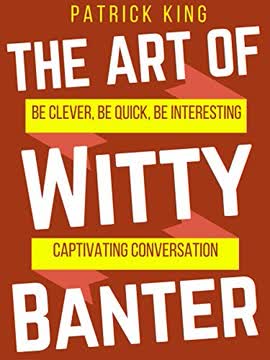
What's "The Art of Witty Banter" about?
- Overview: "The Art of Witty Banter" by Patrick King is a guide to mastering the art of engaging and clever conversation. It provides techniques to be quick, interesting, and captivating in social interactions.
- Purpose: The book aims to help readers develop skills to make people comfortable, connect easily, and never run out of things to say, enhancing their social presence.
- Content Structure: It includes practical exercises, frameworks, and strategies to improve conversational skills, such as HPM, SBR, and EDR, which are different response techniques.
- Author's Background: Patrick King is a social interaction specialist, bringing his expertise to help readers improve their social skills and build better relationships.
Why should I read "The Art of Witty Banter"?
- Improve Social Skills: The book offers actionable advice to enhance your ability to engage in witty and meaningful conversations, which can be beneficial in both personal and professional settings.
- Build Confidence: By learning the techniques in the book, you can gain confidence in social situations, making interactions more enjoyable and less stressful.
- Practical Techniques: It provides specific methods and exercises that can be practiced to develop conversational skills, making it a practical guide rather than just theoretical.
- Versatile Application: The skills learned can be applied in various contexts, from casual chats to networking events, making it a valuable resource for anyone looking to improve their social interactions.
What are the key takeaways of "The Art of Witty Banter"?
- Frameworks for Conversation: The book introduces frameworks like HPM (History, Philosophy, Metaphor), SBR (Specific, Broad, Related), and EDR (Emotion, Detail, Restate) to guide responses in conversations.
- Avoid Absolutes: It advises against speaking in absolutes, as they can make conversations difficult and lead to judgment, suggesting more open-ended questions instead.
- React Appropriately: Emphasizes the importance of reacting with the appropriate emotion and timing to show engagement and understanding in conversations.
- Use of Humor: Encourages using humor and wit to make interactions more enjoyable, while being mindful of delivery and context to avoid misunderstandings.
How does the HPM, SBR, and EDR framework work in conversations?
- HPM Framework: Stands for History, Philosophy, and Metaphor, encouraging responses that draw on personal experiences, opinions, or metaphors to add depth to conversations.
- SBR Framework: Involves Specific, Broad, and Related responses, allowing you to ask targeted questions, provide context, or relate topics to keep the conversation flowing.
- EDR Framework: Focuses on Emotion, Detail, and Restatements, helping you engage by acknowledging emotions, asking for details, or summarizing what the other person said.
- Purpose: These frameworks provide a structured approach to responding in conversations, ensuring you have diverse and engaging ways to interact.
What is the "Us Against the World" technique?
- Concept: This technique involves creating a sense of camaraderie by highlighting a shared experience or perspective that sets you and the other person apart from others.
- In-Group Feeling: It taps into the universal desire to belong, making the other person feel like they are part of an exclusive group with you.
- Application: You can use this technique by making observations or comments that emphasize a commonality or shared understanding between you and the other person.
- Effect: It fosters a sense of closeness and rapport, making the conversation more engaging and enjoyable for both parties.
How can I use "Fallback Stories" in conversations?
- Definition: Fallback stories are pre-prepared anecdotes or topics that you can introduce into a conversation to keep it flowing or revive it when it stalls.
- Components: A good fallback story includes a bridging sentence, the story itself, your opinion on it, and questions to engage the other person.
- Purpose: They provide a safety net in conversations, ensuring you always have something interesting to say and can steer the discussion in a new direction.
- Relatability: Choose stories with universal themes or dilemmas that others can easily relate to and have opinions about, encouraging further discussion.
What is the "Thought Experiment" technique?
- Purpose: This technique is used to engage people in hypothetical scenarios, allowing them to explore ideas and express opinions without fear of judgment.
- Setup: Announce the thought experiment and set boundaries or restrictions to make it clear that the discussion is hypothetical and separate from personal beliefs.
- Engagement: It encourages deeper conversation by removing social and moral obligations, making it easier for people to share honest and interesting responses.
- Application: Use it to explore complex topics or moral dilemmas, providing a safe space for open and thought-provoking dialogue.
How can I make the other person feel like an expert in a conversation?
- Role Reversal: Encourage the other person to take on the role of a teacher or expert by showing genuine curiosity and asking them to share their knowledge.
- Validation: This approach validates their experiences and opinions, making them feel valued and respected in the conversation.
- Questions: Ask open-ended questions that allow them to elaborate on their expertise, showing that you are interested in learning from them.
- Effect: It boosts their confidence and comfort level, leading to a more engaging and positive interaction.
How can I effectively use compliments in conversations?
- Focus on Choices: Compliment people on things they have control over, such as their style, manners, or achievements, rather than innate traits like eye color.
- Genuine and Specific: Ensure compliments are genuine and specific to the person, reflecting their unique choices and efforts.
- Impact: Well-placed compliments can create a positive atmosphere, making the other person feel appreciated and more open to conversation.
- Avoid Overuse: Use compliments sparingly to maintain their impact and avoid coming across as insincere or overly flattering.
What are "Double Explanations" and how do they enhance conversations?
- Concept: Double explanations involve providing a simple, engaging answer to a common question, followed by a more detailed explanation if the other person shows interest.
- Layman's Explanation: Start with a layman's explanation that is unexpected and draws people in, making you appear interesting and approachable.
- Expert Explanation: If prompted, offer a more in-depth explanation that provides additional context and detail, satisfying the other person's curiosity.
- Purpose: This approach keeps conversations dynamic and allows you to engage at different levels, depending on the other person's interest.
How can I use "Witty, Good-Natured Teasing" effectively?
- Delivery: Use a deadpan delivery initially, followed by a clear indication that you are joking, such as a smile or laugh, to ensure the teasing is taken in stride.
- Safe Topics: Focus on superficial choices or acknowledged weaknesses, avoiding deeply personal or sensitive topics that could offend.
- Purpose: Teasing can create a playful and relaxed atmosphere, showcasing your sense of humor and making interactions more enjoyable.
- Balance: Ensure the teasing is lighthearted and not hurtful, maintaining the overall goal of mutual comfort and rapport.
How can I initiate witty banter by going beyond the literal?
- Avoid Literal Responses: When someone makes a statement, avoid taking it at face value and instead look for opportunities to engage in humor or playfulness.
- Misinterpretation: Purposefully misinterpret statements in a humorous way to initiate a joke or playful exchange.
- Stay in the Joke: Once a joke is initiated, stay in character and continue the playful banter, adding to the humor and keeping the conversation lively.
- Practice: Develop the mindset of looking beyond the literal to create opportunities for witty banter and engaging interactions.
Sobre el autor
Otros libros de Patrick King
 Inmersivo