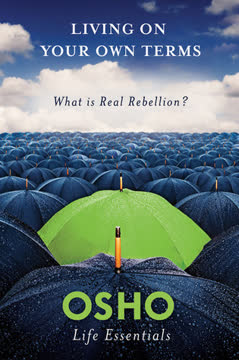
Ideas clave
1. Abraza tu Ser Auténtico: Rebelión a través del Autodescubrimiento
El rebelde simplemente se despide del pasado. Es un proceso constante; por eso, ser rebelde significa estar en rebelión continua—porque cada momento se convertirá en pasado; cada día se convertirá en pasado.
La autenticidad es revolucionaria. El camino hacia la verdadera rebelión no está en oponerse a fuerzas externas, sino en descubrir y abrazar tu ser auténtico. Este proceso requiere:
- Reflexión e introspección constantes
- Liberarse del condicionamiento y las expectativas sociales
- Aceptar tus cualidades y perspectivas únicas
Al vivir auténticamente, rebelarte contra la conformidad que la sociedad suele exigir se vuelve natural. Esta forma de rebelión no es destructiva, sino constructiva, pues te permite aportar tus dones únicos al mundo.
2. Cultiva la Conciencia Interior: El Camino hacia la Verdadera Libertad
Entender es libertad, y esa libertad la llamo rebelión.
La libertad nace del entendimiento. La verdadera rebelión no consiste en luchar contra sistemas externos, sino en desarrollar un profundo conocimiento de ti mismo y del mundo que te rodea. Esta conciencia interior conduce a la libertad genuina. Para cultivarla:
- Practica la atención plena y la autoobservación
- Cuestiona tus pensamientos, creencias y reacciones
- Busca comprender en lugar de juzgar o reaccionar
Al desarrollar esta conciencia interior, verás cómo muchos conflictos externos se disuelven naturalmente. Tus acciones surgirán desde un lugar de claridad y entendimiento, no de rebelión reactiva.
3. Desafía la Autoridad: Cuestiona Creencias y Tradiciones Heredadas
La autoridad es esclavitud para ti. La disciplina es vivir una vida orgánica y armoniosa.
Cuestiónalo todo. El verdadero crecimiento surge al desafiar creencias y tradiciones heredadas, en lugar de aceptarlas ciegamente. Esto no significa rechazarlo todo, sino examinar críticamente y elegir lo que se alinea con tu ser auténtico. Para practicarlo:
- Analiza el origen y la validez de tus creencias
- Mantente abierto a nuevas ideas y perspectivas
- Desarrolla tus propios valores basados en la experiencia y el entendimiento personal
Recuerda, la disciplina nace desde dentro, no de una autoridad externa. Al cuestionar y elegir conscientemente, creas una vida en armonía con tu verdadera naturaleza.
4. Cultiva la Meditación: La Clave para Desbloquear tu Potencial
La meditación es el único camino. Cuando entras y ves que el choti se ha ido, la barba ha caído, ya no eres hombre, ni mujer, ni esto ni aquello—eres solo pura conciencia—entonces sabes quién eres.
La meditación revela tu esencia. La práctica regular de la meditación es fundamental para el autodescubrimiento y el crecimiento personal. Te permite:
- Observar tus pensamientos y emociones sin juzgarlos
- Silenciar la mente y acceder a niveles más profundos de conciencia
- Conectarte con tu verdadero ser más allá de etiquetas y roles sociales
A través de la meditación constante, puedes desprender capas de condicionamiento y conectar con tu sabiduría y potencial innatos. Esta práctica es la base para vivir auténticamente y transformarte.
5. Vive en el Presente: Abandona las Ansiedades del Pasado y el Futuro
Cada momento surge, como una respiración. Inspiras, espiras. Inspiras de nuevo, espiras de nuevo. Cada inhalación es vida y cada exhalación es muerte. Naces con cada inhalación, mueres con cada exhalación.
Abraza el ahora. Vivir en el momento presente es la clave para una vida auténtica y libre. Cuando estás plenamente presente, te liberas de las cargas del pasado y de las ansiedades por el futuro. Para practicar la atención al presente:
- Concéntrate en tu respiración o en las sensaciones corporales
- Participa plenamente en lo que estés haciendo
- Suelta los arrepentimientos del pasado y las preocupaciones por el futuro
Al vivir en el presente, accedes a la frescura y vitalidad de cada instante, experimentando la vida con mayor plenitud y autenticidad.
6. Celebra la Vida: Elige la Alegría sobre la Lucha y el Sufrimiento
Usa la oportunidad de esta vida para celebrar tanto como sea posible. No la desperdicies en luchar y pelear.
Elige la celebración en lugar de la lucha. La vida está para disfrutarse, no para soportarse. Al cambiar tu enfoque de la lucha a la celebración, puedes transformar tu experiencia vital. Para cultivar esta actitud celebratoria:
- Encuentra alegría en los pequeños momentos cotidianos
- Expresa gratitud por lo que tienes
- Elige actividades y relaciones que te llenen de gozo
Recuerda, celebrar no significa ignorar los desafíos, sino enfrentarlos con una actitud más ligera y alegre. Este cambio puede impactar profundamente tu bienestar y tus relaciones.
7. Transforma la Sociedad a través del Crecimiento Individual
Si cada vez más personas se retiran, el mundo puede salvarse. Esa será la verdadera revolución—no política; será espiritual.
El cambio comienza en el interior. La forma más efectiva de transformar la sociedad es mediante el crecimiento y despertar individual. Al volverte más consciente y auténtico, influyes naturalmente en quienes te rodean. Para contribuir a la transformación social:
- Enfócate en tu propio crecimiento y conciencia
- Lidera con el ejemplo, viviendo tus valores auténticamente
- Comparte tus experiencias e ideas sin imponerlas
Al centrarte en tu transformación personal, generas un efecto dominó que puede conducir a un cambio social más amplio, sin necesidad de luchas políticas o conflictos.
8. Abraza la Incertidumbre: La Belleza de la Imprevisibilidad de la Vida
La vida es hermosa porque es insegura. La vida es hermosa porque existe la muerte. La vida es hermosa porque puede perderse. Si no puedes perderla, todo se te impone, y entonces incluso la vida se vuelve una prisión.
La incertidumbre es una oportunidad. Aceptar la incertidumbre inherente a la vida te abre a nuevas posibilidades y experiencias. En lugar de buscar seguridad y previsibilidad, aprende a:
- Ver los desafíos como oportunidades de crecimiento
- Mantenerte abierto a lo inesperado
- Cultivar flexibilidad y adaptabilidad
Al abrazar la incertidumbre, te liberas de las limitaciones de expectativas fijas y te abres a la riqueza plena de la experiencia vital.
9. Reconoce las Limitaciones del Intelecto: Explora Más Allá de la Mente
Más allá de tu intelecto está tu sentir. Otro nombre para tu sentir es intuición, un nombre más científico. Pero muy pocas personas alcanzan la intuición, porque para llegar a ella debes ir más allá del intelecto, y la meditación es el único camino.
El intelecto no es suficiente. Aunque el intelecto es una herramienta valiosa, la verdadera sabiduría y comprensión provienen de ir más allá de los conceptos mentales. Para acceder a niveles más profundos de conocimiento:
- Practica la meditación para aquietar la mente
- Confía en tu intuición y en tus corazonadas
- Explora formas no verbales de expresión y entendimiento
Al reconocer las limitaciones del intelecto y explorar otras vías de conocimiento, puedes acceder a una sabiduría más profunda y vivir con mayor autenticidad.
10. Fomenta el Amor Propio: La Base del Crecimiento Personal
Ya estás aprobado, de lo contrario no podrías estar aquí. Dios te ha aceptado, te ha dado vida.
El amor propio es esencial. Cultivar un amor y aceptación genuinos hacia ti mismo es la base para todo crecimiento personal y vida auténtica. Para fomentar el amor propio:
- Practica la compasión y el perdón hacia ti mismo
- Reconoce tu valor inherente, independiente de logros u opiniones ajenas
- Celebra tus cualidades y aportes únicos
Recuerda, eres valioso y digno por naturaleza. Al cultivar el amor propio, creas una base sólida para crecer y establecer relaciones positivas con los demás.
Resumen de reseñas
Vivir según tus propios términos ha recibido en su mayoría críticas positivas por su contenido profundo y estimulante. Los lectores valoran la perspectiva única de Osho sobre la individualidad, la libertad y la autenticidad. Muchos encuentran el libro fácil de leer y cercano, con lecciones de vida valiosas. Algunos señalan contradicciones en los argumentos de Osho y discrepan con ciertas ideas. La obra desafía las normas sociales y fomenta la autorreflexión, conectando especialmente con quienes buscan un crecimiento personal. En conjunto, se elogia por su enfoque renovador y liberador hacia la vida, aunque para algunos resulta controvertido.
También leyeron



Preguntas frecuentes
What's "Living on Your Own Terms" by Osho about?
- Exploration of Rebellion: The book delves into the concept of rebellion, distinguishing it from revolution. Rebellion is seen as an individual, nonviolent, and peaceful act of love and understanding.
- Self-Discovery and Freedom: Osho emphasizes the importance of self-discovery and living authentically, free from societal constraints and expectations.
- Living in the Present: The book encourages living consciously in the moment, without being burdened by the past or anxious about the future.
- Inner Transformation: It offers insights into transforming oneself through awareness, meditation, and embracing one's true nature.
Why should I read "Living on Your Own Terms" by Osho?
- Unique Perspective: Osho provides a unique perspective on living authentically and embracing one's individuality, which can be refreshing and enlightening.
- Practical Wisdom: The book offers practical wisdom on how to navigate life's challenges by understanding and transforming oneself.
- Inspiration for Change: It inspires readers to break free from societal norms and live a life true to their own values and desires.
- Spiritual Growth: For those interested in spiritual growth, the book provides guidance on meditation and self-awareness.
What are the key takeaways of "Living on Your Own Terms" by Osho?
- Rebellion vs. Revolution: Rebellion is an individual journey of self-discovery and transformation, while revolution is a collective, often violent, effort to change society.
- Self-Acceptance: Embrace who you are without trying to conform to societal expectations or ideals.
- Living in the Moment: Focus on the present moment with awareness and consciousness, rather than dwelling on the past or worrying about the future.
- Inner Freedom: True freedom comes from within and involves breaking free from mental and emotional constraints.
How does Osho define real rebellion in "Living on Your Own Terms"?
- Individual and Nonviolent: Real rebellion is an individual, nonviolent act that stems from love and understanding, not anger or reaction.
- For Something, Not Against: It is oriented towards creating a new humanity rather than fighting against the old societal structures.
- Inner Transformation: Rebellion involves transforming oneself through awareness and meditation, rather than trying to change the external world.
- Continuous Process: It is a constant process of saying goodbye to the past and embracing the present moment with awareness.
What is the difference between rebellion and revolution according to Osho?
- Nature of Action: Rebellion is peaceful and individual, while revolution is organized, collective, and often violent.
- Focus: Rebellion focuses on inner transformation and creating a new humanity, whereas revolution is about fighting against existing societal structures.
- Means and Ends: Rebellion uses love, understanding, and meditation as its means, while revolution relies on anger and violence.
- Outcome: Rebellion leads to personal growth and freedom, while revolution often results in more violence and oppression.
What does Osho say about living in the present in "Living on Your Own Terms"?
- Conscious Living: Osho emphasizes living consciously in the moment, being fully aware and present in whatever you do.
- Letting Go of the Past: He advises letting go of past burdens and not being anxious about the future, as they hinder living fully in the present.
- Awareness as a Way of Life: Awareness is described as a religion, philosophy, and way of life that leads to true freedom and happiness.
- Continuous Rebirth: Living in the present involves a continuous process of dying to each moment that has passed and being reborn in the new moment.
How does Osho suggest dealing with feelings of unworthiness in "Living on Your Own Terms"?
- Self-Acceptance: Accept yourself as you are, recognizing that you are already worthy and do not need to prove anything to anyone.
- Understanding Conditioning: Realize that feelings of unworthiness are often imposed by societal conditioning and are not your true nature.
- Inner Transformation: Focus on inner transformation through awareness and meditation to overcome these feelings.
- Living Authentically: Embrace your individuality and live authentically, free from the need for external validation or approval.
What role does meditation play in "Living on Your Own Terms" by Osho?
- Path to Self-Discovery: Meditation is a key tool for self-discovery and realizing one's true nature.
- Cultivating Awareness: It helps cultivate awareness and consciousness, allowing one to live more fully in the present moment.
- Inner Transformation: Through meditation, individuals can transform themselves, breaking free from societal conditioning and mental constraints.
- Achieving Inner Freedom: Meditation leads to inner freedom and peace, enabling one to live authentically and joyfully.
What are the best quotes from "Living on Your Own Terms" and what do they mean?
- "The rebel simply says good-bye to the past." This quote emphasizes the importance of letting go of past burdens to live freely in the present.
- "Understanding is freedom." It highlights that true freedom comes from understanding oneself and the world, rather than external circumstances.
- "You are born with courage." This quote reassures that courage is inherent in everyone, and embracing it leads to personal growth and transformation.
- "Create the way by walking." It suggests that one should not wait for a predefined path but should create their own path through action and exploration.
How does Osho address the concept of authority in "Living on Your Own Terms"?
- Absence of Authority: Osho views the absence of authority as a beautiful state where individuals are free to live authentically.
- Discipline vs. Authority: He distinguishes between discipline, which is self-imposed and leads to growth, and authority, which is imposed by others and leads to conformity.
- Rejection of External Control: Osho encourages rejecting external control and instead following one's inner guidance and conscience.
- Living Freely: True freedom involves living without the constraints of external authority, allowing for personal growth and self-discovery.
What is the significance of the "inner voice" in "Living on Your Own Terms"?
- Guidance from Within: The inner voice is seen as a source of guidance that comes from one's true self, beyond societal conditioning.
- Silence and Awareness: It is not a literal voice but a silent awareness that directs one towards authentic living.
- Distinguishing from Mind: Osho emphasizes distinguishing the inner voice from the mind's chatter, which is influenced by external factors.
- Trusting Oneself: Trusting the inner voice leads to living authentically and making choices aligned with one's true nature.
How does Osho define freedom in "Living on Your Own Terms"?
- Inner Freedom: True freedom is an inner state, not dependent on external circumstances or societal structures.
- Breaking Free from Conditioning: It involves breaking free from societal conditioning and mental constraints to live authentically.
- Living in the Present: Freedom is found in living fully in the present moment, without being burdened by the past or anxious about the future.
- Self-Discovery and Awareness: Through self-discovery and awareness, one can achieve inner freedom and live a life of joy and fulfillment.
Sobre el autor
Otros libros de Osho
 Inmersivo