Ideas clave
1. La vida es corta: usa tu tiempo sabiamente
La vida es lo suficientemente larga, y se nos ha dado una cantidad generosa para los mayores logros, si todo se invirtiera bien.
La naturaleza valiosa del tiempo. Séneca sostiene que los humanos malinterpretamos fundamentalmente la naturaleza del tiempo. La mayoría se queja de que la vida es demasiado corta, pero en realidad, desperdiciamos el tiempo que se nos ha dado. El problema no es la duración de la vida, sino cómo elegimos emplearla.
Gestión estratégica del tiempo. Nuestro tiempo limitado exige un uso deliberado e intencional. Debemos ser conscientes de cómo distribuimos nuestras horas, reconociendo que cada momento es irrepetible. Esto implica:
- Priorizar actividades significativas
- Evitar distracciones sin sentido
- Estar presentes en cada instante
- Aprender y crecer continuamente
Responsabilidad personal. La responsabilidad de aprovechar al máximo nuestra vida recae enteramente en nosotros. Ninguna fuerza externa determina cómo empleamos nuestro tiempo: somos nosotros quienes tomamos esas decisiones. Al tratar el tiempo como nuestro recurso más valioso, podemos transformar nuestra forma de vivir, asegurando que cada día contribuya a nuestro crecimiento y realización personal.
2. La mayoría desperdicia su vida sin propósito
No tienen ningún objetivo para el curso de su vida, pero la muerte los sorprende mientras bostezan lánguidamente.
Existencia sin rumbo. Muchas personas navegan por la vida sin una dirección clara, permitiendo que las circunstancias externas y las expectativas sociales dicten su camino. Quedan atrapadas en ciclos de actividades vacías, sin cuestionar realmente su existencia ni buscar una verdadera plenitud.
Patrones comunes que desperdician la vida:
- Obligaciones sociales constantes
- Entretenimiento sin sentido
- Buscar la aprobación ajena
- Evitar la autorreflexión
- Postergar metas significativas
Romper el ciclo. Para evitar una vida desperdiciada, es necesario:
- Desarrollar una filosofía personal
- Establecer metas intencionales
- Evaluar regularmente el progreso propio
- Cultivar la autoconciencia
- Priorizar el crecimiento personal sobre la validación externa
3. Las búsquedas externas distraen de la verdadera vida
Los vicios rodean y atacan al hombre desde todos lados, y no le permiten levantarse y alzar la vista para discernir la verdad.
Distracciones sociales. La vida moderna está llena de distracciones interminables que nos alejan de una existencia significativa. El estatus, la riqueza y el reconocimiento social se convierten en trampas que consumen nuestra energía y bloquean el desarrollo genuino del ser.
Barreras espirituales y mentales:
- Ambición desmedida
- Obsesiones materiales
- Redes sociales
- Entretenimiento constante
- Miedo a perderse algo (FOMO)
Recuperar la autenticidad. Al reconocer estas presiones externas, podemos:
- Desarrollar claridad interior
- Practicar la atención plena
- Simplificar nuestra vida
- Enfocarnos en valores personales
- Rechazar expectativas sociales que no coinciden con nuestro verdadero ser
4. La reflexión filosófica prolonga tu vida
Quienes tienen tiempo libre pueden recorrer todas las etapas de su vida; las mentes ocupadas, como si estuvieran atadas a un yugo, no pueden volverse y mirar atrás.
Expansión intelectual. La verdadera vida trasciende el tiempo cronológico. Al involucrarnos profundamente con el pensamiento filosófico, podemos ampliar nuestra existencia mental y espiritual más allá de las limitaciones físicas.
Práctica filosófica:
- Autorreflexión regular
- Estudio de tradiciones filosóficas diversas
- Meditación
- Pensamiento crítico
- Aprendizaje continuo
Pensamiento transformador. La filosofía ofrece un método para:
- Comprender la naturaleza humana
- Desarrollar resiliencia
- Ganar perspectiva
- Cuestionar creencias limitantes
- Conectarse con experiencias humanas universales
5. Vencer el miedo y el duelo requiere disciplina mental
El sabio nunca llegará a usar un término tan abyecto. Nunca será un semi-prisionero, sino que siempre gozará de una libertad sólida y completa.
Dominio emocional. La verdadera fortaleza no está en evitar el sufrimiento, sino en desarrollar disciplinas mentales que nos permitan procesar y trascender emociones difíciles como el miedo y el duelo.
Técnicas para la resiliencia mental:
- Practicar el estoicismo
- Aceptar la impermanencia
- Desarrollar inteligencia emocional
- Cultivar la calma interior
- Reinterpretar experiencias negativas
Perspectiva transformadora. Al entrenar nuestra mente para:
- Separar los eventos de nuestras reacciones
- Mantener el equilibrio emocional
- Practicar la aceptación radical
- Desarrollar compasión
- Abrazar la incertidumbre
6. La riqueza y el estatus son ilusiones
Los hombres no permiten que nadie tome sus propiedades, y si hay la más mínima disputa sobre sus límites, acuden a las piedras y las armas; pero permiten que otros invadan sus vidas.
Desapego material. La riqueza y el estatus social son construcciones temporales que brindan una falsa seguridad. La verdadera riqueza proviene de cualidades internas, no de acumulaciones externas.
Conceptos erróneos sobre la riqueza:
- El dinero no garantiza la felicidad
- El estatus es efímero
- Las posesiones materiales generan ansiedad
- La riqueza excesiva suele traer más complejidad
Riqueza auténtica:
- Cultivar la sabiduría
- Construir relaciones significativas
- Desarrollar habilidades personales
- Mantener la paz interior
- Contribuir a la comunidad
7. La verdadera libertad proviene de la tranquilidad interior
La mente tranquila y libre de preocupaciones puede recorrer todas las etapas de su vida.
Estrategia para la paz interior. La libertad es un estado interno, no determinado por circunstancias externas. Al desarrollar disciplina mental e inteligencia emocional, podemos alcanzar una liberación genuina.
Prácticas para la tranquilidad:
- Meditación
- Atención plena
- Soltar apegos
- Aceptar lo que no puede cambiarse
- Enfocarse en el crecimiento personal
Liberación psicológica. La verdadera libertad implica:
- Soltar cargas mentales innecesarias
- Desarrollar autoconciencia
- Cultivar resiliencia emocional
- Practicar el desapego
- Mantener la perspectiva
8. Cultiva relaciones significativas
Nada deleita tanto a la mente como la amistad afectuosa y leal.
Calidad en las relaciones. En lugar de buscar muchas conexiones superficiales, enfócate en desarrollar relaciones profundas y significativas que brinden apoyo genuino y enriquecimiento.
Principios para las relaciones:
- Priorizar la profundidad sobre la cantidad
- Practicar la empatía genuina
- Comunicar con autenticidad
- Apoyar el crecimiento mutuo
- Mantener límites personales
Inversión en las relaciones. Las conexiones significativas requieren:
- Escucha activa
- Vulnerabilidad
- Esfuerzo constante
- Respeto mutuo
- Valores compartidos
9. Abraza la incertidumbre y la adaptabilidad
La vida seguirá el camino que comenzó a tomar, y no retrocederá ni detendrá su curso.
La flexibilidad como fortaleza. Resistirse al cambio genera sufrimiento. Al desarrollar adaptabilidad y aceptar la incertidumbre, podemos enfrentar los desafíos de la vida con gracia y resiliencia.
Habilidades para la adaptabilidad:
- Desarrollar flexibilidad mental
- Practicar el desapego
- Cultivar la curiosidad
- Mantener una mentalidad de crecimiento
- Aceptar la impermanencia
Navegar el cambio. Adaptarse con éxito implica:
- Ver los desafíos como oportunidades
- Mantenerse abierto a nuevas perspectivas
- Aprender continuamente
- Mantener el equilibrio emocional
- Confiar en las propias capacidades
10. Vive con virtud e integridad
Es la mente la que crea nuestra riqueza, y esta nos acompaña en el exilio, y en los lugares más duros del desierto encuentra suficiente para nutrir el cuerpo.
Fundamento ético. La verdadera realización proviene de vivir conforme a valores firmes, manteniendo la integridad sin importar las circunstancias externas.
Principios para una vida virtuosa:
- Honestidad
- Compasión
- Responsabilidad personal
- Mejora continua
- Toma de decisiones éticas
Desarrollo del carácter. Vivir con virtud requiere:
- Autorreflexión constante
- Alinear acciones con valores
- Practicar la empatía
- Mantener la responsabilidad personal
- Contribuir positivamente a la comunidad
Resumen de reseñas
Sobre la brevedad de la vida es una obra filosófica atemporal que invita a la reflexión profunda. Los lectores valoran la sabiduría práctica de Séneca para aprovechar al máximo la vida y no malgastar el tiempo. Muchos encuentran que sus ideas sobre vivir el presente y dedicarse a actividades significativas siguen siendo plenamente vigentes hoy en día. La brevedad y accesibilidad del texto son aspectos muy apreciados. Algunos critican que Séneca se centre exclusivamente en la filosofía como único camino valioso. En conjunto, quienes lo leen lo recomiendan como una lectura inspiradora que impulsa a pensar en cómo vivir bien.
También leyeron




Preguntas frecuentes
What's "On the Shortness of Life" about?
- Philosophical exploration: "On the Shortness of Life" by Seneca is a philosophical treatise that explores the nature of time and how humans perceive and use it.
- Life's brevity: Seneca argues that life is not inherently short, but that people waste much of it on trivial pursuits, leading to the perception of its brevity.
- Proper use of time: The book emphasizes the importance of using time wisely and investing it in meaningful activities to achieve a fulfilling life.
- Stoic principles: It reflects Stoic principles, encouraging readers to focus on inner virtues and self-improvement rather than external distractions.
Why should I read "On the Shortness of Life"?
- Timeless wisdom: The book offers timeless wisdom on how to live a meaningful and fulfilling life by prioritizing what truly matters.
- Self-reflection: It encourages self-reflection and challenges readers to evaluate how they spend their time and what they value.
- Practical advice: Seneca provides practical advice on how to manage time effectively and avoid common pitfalls that lead to a wasted life.
- Philosophical insights: It provides deep philosophical insights into the human condition and the nature of time, making it a valuable read for those interested in Stoicism and philosophy.
What are the key takeaways of "On the Shortness of Life"?
- Life is long if used well: Seneca argues that life is long enough if time is used wisely and not wasted on trivial pursuits.
- Avoid distractions: He emphasizes the importance of avoiding distractions and focusing on meaningful activities that contribute to personal growth.
- Value of time: The book highlights the value of time as a precious resource that should be guarded and used judiciously.
- Inner fulfillment: Seneca encourages readers to seek fulfillment from within, rather than relying on external achievements or possessions.
How does Seneca define a wasted life in "On the Shortness of Life"?
- Pursuit of trivialities: A wasted life is one spent pursuing trivial and superficial pleasures that do not contribute to personal growth or fulfillment.
- Lack of purpose: Seneca describes a wasted life as one without a clear purpose or direction, where time is spent aimlessly.
- Neglect of self: He criticizes those who neglect self-improvement and fail to cultivate their inner virtues, leading to a life of dissatisfaction.
- External validation: A life focused on seeking external validation and approval from others is considered wasted, as it detracts from true happiness.
What advice does Seneca give on managing time in "On the Shortness of Life"?
- Prioritize meaningful activities: Seneca advises prioritizing activities that contribute to personal growth and fulfillment over those that are merely entertaining.
- Avoid procrastination: He warns against procrastination and encourages taking immediate action on important tasks to make the most of one's time.
- Reflect regularly: Regular self-reflection is recommended to assess how time is being spent and to make necessary adjustments.
- Guard your time: Seneca emphasizes the importance of guarding one's time against unnecessary interruptions and distractions.
What are the best quotes from "On the Shortness of Life" and what do they mean?
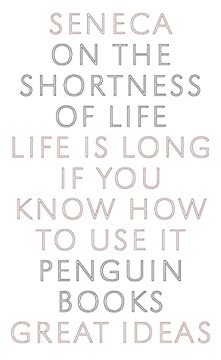
- "Life is long if you know how to use it." This quote encapsulates the central theme of the book, emphasizing that the perception of life's brevity is due to poor time management.
- "It is not that we have a short time to live, but that we waste a lot of it." Seneca highlights the common human tendency to squander time on unimportant matters.
- "You act like mortals in all that you fear, and like immortals in all that you desire." This quote criticizes the inconsistency in human behavior, where people fear death yet live as if they have endless time.
- "The greatest obstacle to living is expectancy, which hangs upon tomorrow and loses today." Seneca warns against living in anticipation of the future at the expense of the present moment.
How does Seneca's Stoic philosophy influence "On the Shortness of Life"?
- Focus on inner virtues: Seneca's Stoic philosophy emphasizes the cultivation of inner virtues and self-control as the path to a fulfilling life.
- Acceptance of fate: The book reflects the Stoic acceptance of fate and the understanding that external events are beyond one's control.
- Emphasis on reason: Seneca advocates for the use of reason to guide decisions and manage emotions, aligning with Stoic principles.
- Detachment from externals: The Stoic idea of detachment from external possessions and achievements is evident in Seneca's advice to seek fulfillment from within.
What role does self-reflection play in "On the Shortness of Life"?
- Assessment of time use: Self-reflection is crucial for assessing how time is being spent and identifying areas for improvement.
- Clarification of values: It helps clarify personal values and priorities, ensuring that time is spent on what truly matters.
- Awareness of distractions: Regular reflection increases awareness of distractions and helps in minimizing their impact on one's life.
- Continuous growth: Self-reflection fosters continuous personal growth and development by encouraging introspection and learning from experiences.
How does Seneca address the concept of mortality in "On the Shortness of Life"?
- Inevitability of death: Seneca acknowledges the inevitability of death and encourages readers to accept it as a natural part of life.
- Living with awareness: He advises living with an awareness of mortality to motivate the wise use of time and focus on meaningful pursuits.
- Fear of death: The book discusses the irrational fear of death and how it can be overcome by understanding its natural role in life.
- Legacy of actions: Seneca emphasizes that the legacy of one's actions and virtues is more important than the length of life.
What examples does Seneca use to illustrate his points in "On the Shortness of Life"?
- Historical figures: Seneca references historical figures like Augustus and Cicero to illustrate how even the most powerful individuals longed for leisure and reflection.
- Everyday scenarios: He uses everyday scenarios, such as people wasting time on trivial pursuits, to highlight common pitfalls in time management.
- Philosophical anecdotes: The book includes philosophical anecdotes and reflections to convey the importance of living a life of purpose and virtue.
- Personal experiences: Seneca draws on his own experiences and observations to provide practical insights into managing time effectively.
How does "On the Shortness of Life" relate to modern life?
- Relevance of time management: The book's emphasis on effective time management is highly relevant in today's fast-paced and distraction-filled world.
- Pursuit of meaningful goals: Seneca's advice to focus on meaningful goals and personal growth resonates with modern self-improvement and mindfulness practices.
- Critique of materialism: The critique of materialism and external validation aligns with contemporary discussions on minimalism and authentic living.
- Timeless wisdom: The philosophical insights and practical advice offered by Seneca continue to provide valuable guidance for living a fulfilling life in modern times.
What impact did "On the Shortness of Life" have on philosophy and literature?
- Influence on Stoicism: The book is a significant contribution to Stoic philosophy, reinforcing key principles and influencing later Stoic thinkers.
- Literary legacy: Seneca's eloquent writing and profound insights have made the book a classic in philosophical literature, studied and admired for centuries.
- Inspiration for self-help: The themes and advice in the book have inspired modern self-help literature, focusing on time management and personal fulfillment.
- Enduring relevance: Its enduring relevance and universal themes have cemented its place as a foundational text in both philosophy and literature.