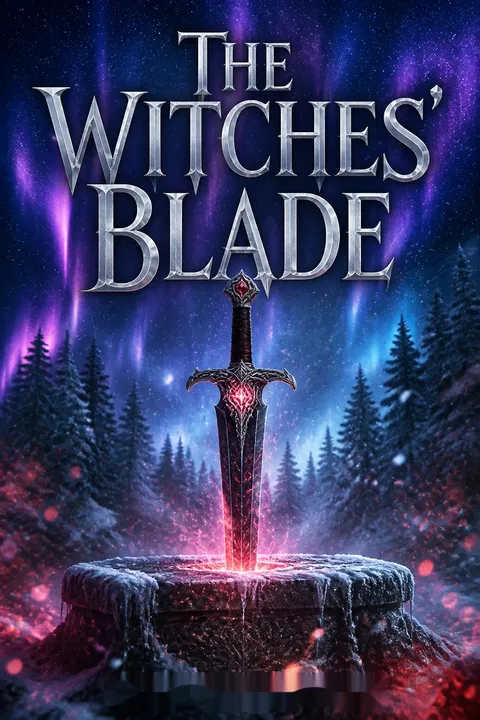

Plot Summary
Blood and Blades Unleashed
Rua, the fae Princess raised by red witches, is thrust into a brutal battle in the Northern Court. Wielding the Immortal Blade, she is both exhilarated and horrified by her own violence, haunted by the death of her brother and the weight of her choices. The aftermath leaves her questioning her place between fae and witch, torn by guilt and the expectations of both worlds. As the dust settles, she is forced to confront the consequences of her actions and the chilling allure of the blade's power, setting the stage for her journey through grief, identity, and the struggle for control.
Council of Broken Crowns
Rua is drawn into the fractured politics of the North, where Renwick, the new King, seeks to consolidate power and free the witches. The council is rife with distrust, and Rua's demand for witch freedom is met with resistance and bloodshed. Her lethal assertion of authority cements her reputation as a force to be reckoned with, but also deepens her isolation. The council's plans to reclaim the blue witch fortress and the Witches' Glass reveal the lingering dangers and the fragile nature of new alliances, as Rua's presence becomes both a symbol of hope and a harbinger of violence.
Northbound Through Snow and Shadows
As Rua, Bri, and Renwick's retinue travel north to Murreneir, the landscape mirrors the cold tensions between courts and within Rua herself. Encounters with bodies marked as traitors and the chilling presence of the Forgotten Ones—cursed witches broken by torture—underscore the perilous path ahead. The journey is not just physical but emotional, as Rua grapples with her role as both weapon and protector, and the group's uneasy camaraderie is tested by the ghosts of the past and the looming threat of Balorn's dark magic.
Forgotten Ones Awaken
Arriving at the blue witch fortress, Rua and her companions descend into a nightmare of torture chambers and imprisoned witches. The Forgotten Ones, driven mad by pain and magic, are unleashed in a frenzy of violence. Rua's struggle to control the Immortal Blade's bloodlust nearly leads her to kill friend and foe alike, only stopped by Renwick's intervention. The horror of the suraash and the revelation of Balorn's growing power force Rua to confront the monstrous potential within herself and the cost of wielding such destructive magic.
Swords, Sleds, and Secrets
In the icy encampment, Rua trains with Bri, seeking mastery over her blade and herself. The camaraderie between warriors is laced with confessions of fear and guilt, as Rua admits her terror of losing control and the burden of her choices. The arrival of Aneryn, Renwick's blue witch, brings new insights into the curse and the fractured trust between witches and fae. Amidst preparations for war, Rua's relationships deepen, but so do her doubts about her worthiness and the darkness she fears within.
The Blue Witch Fortress
A return to the blue witch fortress exposes the full horror of Balorn's legacy. The group uncovers the extent of the witches' suffering and the true nature of the curse binding the Forgotten Ones. Rua's confrontation with the suraash is both a physical and moral battle, as she is forced to kill those she wishes to save. The experience leaves her shaken, questioning the line between justice and monstrosity, and the price of survival in a world built on cycles of violence and revenge.
Curses and Companions
The aftermath of the fortress battle brings moments of vulnerability and connection. Rua's nightmares and confessions to Bri reveal the depth of her trauma and the difficulty of healing. The group's shared experiences—loss, fear, and fleeting moments of joy—bind them together, even as the threat of Balorn and Augustus Norwood looms. The search for the spell book and the means to break the curse becomes a quest not just for victory, but for redemption and the hope of a future free from the sins of the past.
Witches' Trust and Trials
Rua's journey to the blue witches' forge is a test of trust and identity. The witches, divided and wary, challenge her right to lead and her understanding of their suffering. The revelation that the spell book is in Yexshire forces Rua to confront her own history and the red witches who raised her. The struggle to unite the witches and break the curse becomes a crucible for Rua's leadership, demanding honesty, humility, and the courage to face the wounds of her childhood and the expectations of her bloodline.
Birthday Amidst the Ice
Rua's nineteenth birthday is marked by an unexpected outpouring of affection and gifts from the Northern Court. The party, orchestrated by Renwick and her companions, is both a celebration and a challenge, as Rua grapples with feelings of unworthiness and the fear of disappointing those who look to her for strength. The arrival of Talhan and the warmth of new friendships offer a glimpse of belonging, but the shadow of her family's legacy and the responsibilities of power remain ever-present.
Fated Fires and Family
A visit to Yexshire for Remy's wedding brings Rua face-to-face with her sister, the red witches, and the ghosts of her past. The tension between the sisters is palpable, as both struggle to bridge the gap left by years of separation and trauma. The revelation of Rua's Fated bond with Renwick, and the truth of his blue witch heritage, upend their understanding of destiny and choice. Amidst rituals, reunions, and political intrigue, Rua must decide where she belongs and what kind of future she will claim.
The Spell Book's Price
The quest for the spell book leads Rua and Renwick into a deadly avalanche and a harrowing night of survival. Their vulnerability strips away pretense, leading to confessions of guilt, love, and the burdens they carry. Captured by Balorn and Augustus, they are forced to confront the consequences of their secrets and the lengths they will go to protect each other. The price of the spell book is not just knowledge, but the willingness to face the darkest parts of themselves and the world they hope to save.
Avalanche and Aftermath
Rescued by Aneryn and the blue witches, Rua and Renwick return to a world on the brink of collapse. The death of Balorn and the breaking of the curse come at great cost, as friends are lost and the future remains uncertain. The battle for the North is both a victory and a tragedy, as the survivors mourn their dead and reckon with the scars left by war. Rua's acceptance of her role as Mhenissa, the Witches' Blade, marks a turning point in her journey from outcast to leader.
Captivity and Confessions
Rua and Renwick's captivity at the hands of Balorn and Augustus is a crucible of pain and revelation. Torture, manipulation, and the threat of death force them to confront their deepest fears and the truth of their bond. The violet witch magic and the Witches' Glass reveal new dangers, as Augustus's ambitions threaten to plunge Okrith into further chaos. The escape, aided by Aneryn and the blue witches, is a testament to the power of loyalty, love, and the will to survive against all odds.
The Battle for the North
The final battle is a maelstrom of violence, magic, and sacrifice. Rua, Remy, and their allies fight against overwhelming odds, facing suraash, soldiers, and the machinations of Augustus and Balorn. The breaking of the curse and the death of Balorn are hard-won victories, marked by loss and the realization that peace is fragile. The survivors gather to mourn and celebrate, forging new bonds and vowing to rebuild a world scarred by war.
Balorn's Last Stand
Balorn's death is both an end and a beginning. The witches' vengeance is exacted, but the cost is high. The sisters, Rua and Remy, fight side by side, their powers united in a dance of death and renewal. The aftermath is a reckoning with the past and a commitment to a future shaped by compassion, justice, and the hard lessons of suffering. The legacy of the Immortal Blade and the amulet of Aelusien is redefined, not as tools of destruction, but as symbols of hope and healing.
Breaking the Curse
With the curse broken and the suraash freed, the survivors gather to honor the dead and celebrate the living. Grief and joy intermingle as Rua, Renwick, and their companions reflect on the journey that brought them together and the wounds that remain. The promise of a new dawn is tempered by the knowledge that peace must be fought for, not just on the battlefield, but in the hearts of those who have suffered. The forging of new alliances and the acceptance of love and vulnerability mark the true victory of the Witches' Blade.
Grief, Revelry, and Resolve
The aftermath of battle is a time of mourning and revelry. The survivors honor their fallen with stories, laughter, and the forging of deeper bonds. Rua and Renwick's love is tested and affirmed, as they learn to lean on each other and embrace the fullness of their emotions. The promise of rebuilding and the hope of a better world are carried forward by those who remain, determined to make the most of the daylight hours and the lives they have reclaimed.
Fated Hearts Revealed
Rua and Renwick's relationship blossoms into a partnership built on honesty, trust, and mutual healing. The revelation of their Fated bond and the acceptance of their shared darkness become sources of strength rather than shame. Surrounded by friends and allies, they find a sense of home and purpose, embracing the responsibilities of leadership and the joys of love. The journey from isolation to belonging is complete, as they vow to face whatever challenges the future holds together.
The Queen's New Dawn
As the sun rises on a new day, Rua, Renwick, and their companions look to the future with cautious optimism. The scars of war remain, but so do the bonds forged in its fires. The promise of rebuilding, celebration, and the pursuit of justice guide their steps, as they commit to creating a world where witches, fae, and humans can live in peace. The legacy of the Witches' Blade is not just one of blood and sorrow, but of resilience, love, and the unyielding hope that even in the darkest times, a new dawn is always possible.
Analysis
A.K. Mulford's The Witches' Blade is a powerful exploration of trauma, identity, and the arduous path to healing in a world fractured by violence and prejudice. Through Rua's journey from haunted exile to the Witches' Blade, the novel interrogates the cost of power and the necessity of compassion—not just for others, but for oneself. The story's emotional core lies in the forging of chosen family and the acceptance of love as both a balm and a challenge. By intertwining personal and political stakes, Mulford crafts a narrative that is as much about the struggle to break cycles of harm as it is about epic battles and magical curses. The lessons are clear: true strength lies in vulnerability, redemption is possible even for the most broken, and hope endures when people choose to face the darkness together. In a modern context, the book resonates as a call to confront inherited trauma, to build inclusive communities, and to believe in the possibility of a better world—one forged not by the blade alone, but by the courage to love and be loved.
Review Summary
The Witches' Blade receives mixed reviews, averaging 3.97/5. Many readers praise A.K. Mulford's emotional writing, world-building, and character development, particularly loving the male lead Renwick. However, a common criticism is that protagonist Rua is initially unlikable and difficult to connect with, though most agree she grows significantly by the book's end. Some readers found the romance forced or rushed, and several noted the story structure mirrors the first book too closely. Despite these criticisms, most readers remain invested in the series.
People Also Read
Characters
Ruadora "Rua" Dammacus
Rua is the youngest Princess of the High Mountain Court, raised in exile by red witches after her family's massacre. Torn between fae and witch identities, she is marked by trauma, guilt, and a fierce sense of justice. The Immortal Blade chooses her, amplifying both her power and her fear of becoming a monster. Rua's journey is one of self-acceptance, as she learns to wield her strength with compassion and to trust in the bonds of friendship and love. Her relationship with Renwick, her Fated, is both a source of healing and a crucible for her deepest insecurities. Through loss, violence, and hard-won victories, Rua emerges as Mhenissa—the Witches' Blade—embracing her role as protector and symbol of hope for a fractured world.
Renwick Vostemur
Renwick is the new King of the Northern Court, burdened by the sins of his father and uncle, and his own complicity in the torture of witches. Secretly half blue witch, he hides his visions and heritage to survive in a court that despises magic. Renwick's stoic exterior masks deep wounds, addiction, and a longing for redemption. His alliance with Rua is both political and deeply personal, as their Fated bond challenges him to confront his past and embrace vulnerability. Renwick's journey is one of atonement, as he strives to be a better ruler and partner, learning to lean on others and accept love despite his self-loathing.
Briata "Bri" Catullus
Bri is a formidable fae warrior, known as one of the Twin Eagles, exiled from the Western Court due to a prophecy. She pledges her sword to Rua and Remy, serving as both protector and confidante. Bri's gruff exterior hides a deep capacity for care, especially for those she considers family. Her relationship with her twin, Talhan, is both competitive and affectionate, and her willingness to challenge Rua and offer honest support is crucial to Rua's growth. Bri's journey is one of finding belonging and purpose beyond the courts that rejected her.
Aneryn
Aneryn is Renwick's personal prophet, a blue witch spared from torture by being given to him as a child. Wise beyond her years, she navigates the complexities of witch and fae politics with resilience and insight. Aneryn's visions are both a gift and a burden, and her friendship with Rua is marked by mutual understanding of otherness and pain. She plays a pivotal role in breaking the curse and uniting the witches, embodying the hope for a future where magic is not a source of suffering but of healing.
Remy Dammacus
Remy, Rua's older sister, is the Queen of the High Mountain Court. Her journey from exile to leadership is marked by courage, compassion, and the struggle to reconcile her past with her responsibilities. Remy's relationship with Rua is fraught with longing and misunderstanding, but ultimately becomes a source of strength for both. Her Fated bond with Hale and her mastery of the amulet of Aelusien make her a powerful ally and a beacon for the rebuilding of their homeland.
Balorn Vostemur
Balorn is Renwick's uncle and the true architect of the North's horrors. Driven by bloodlust and a desire for power, he masterminds the torture of witches and the creation of the Forgotten Ones. Balorn's charisma masks a deep cruelty, and his manipulation of curses and the Witches' Glass threatens all of Okrith. His obsession with Rua and his belief in his own invincibility lead to his downfall, as he is ultimately destroyed by the very people he sought to dominate.
Augustus Norwood
Augustus is the ambitious and ruthless heir to the Eastern Court, wielding forbidden violet witch magic and the Witches' Glass. His alliance with Balorn and mastery of manipulation make him a formidable adversary. Augustus's actions destabilize the courts and introduce new dangers, as he seeks to claim power through subterfuge and the exploitation of broken witches. His presence looms as the next great challenge for Rua and her allies.
Thador Eloris
Thador is Renwick's personal guard, fiercely loyal and unwavering in his support. His strength and steadiness provide a counterbalance to Renwick's turmoil. Thador's death in battle is a profound loss, underscoring the cost of war and the depth of the bonds forged in adversity.
Talhan Catullus
Talhan, Bri's twin, is a skilled fighter and loyal friend. His humor and resilience help anchor the group, and his near-death experience highlights the fragility of life in a world at war. Talhan's relationship with Bri and the others exemplifies the chosen family that emerges from shared struggle.
Baba Airu
Baba Airu is the enigmatic leader of the blue witches, possessing both wisdom and the gift of Sight. Her guidance is instrumental in uniting the fractured covens and breaking the curse. Baba Airu's faith in Rua and her ability to see beyond the present suffering make her a symbol of hope and the possibility of healing for all witches.
Plot Devices
Duality of Power and Guilt
The narrative is structured around the tension between power and guilt, embodied in Rua's relationship with the Immortal Blade and Renwick's hidden witch heritage. Magic is both a means of survival and a source of trauma, forcing characters to confront the consequences of their actions and the darkness within themselves. The story uses the motif of the blade—each strike a blessing or a curse—to explore the moral ambiguity of violence and the struggle for redemption.
Fated Bonds and Chosen Family
The concept of Fated love is central, driving both the romance and the political alliances. Rua and Renwick's bond is both predestined and hard-won, requiring honesty, vulnerability, and the willingness to confront painful truths. The formation of chosen family among outcasts, exiles, and survivors provides a counterpoint to the blood ties that have failed them, emphasizing the importance of trust, loyalty, and acceptance.
Cycles of Violence and Healing
The narrative structure mirrors the cycles of violence that have shaped Okrith—massacres, curses, and betrayals—while also charting the characters' efforts to break free from these patterns. Foreshadowing is used through visions, prophecies, and the recurring motif of haunted dreams, signaling both the dangers ahead and the possibility of change. The breaking of the curse and the forging of new alliances represent the hope that healing is possible, even in a world scarred by suffering.
Multiperspective Emotional Arc
The story weaves together multiple character arcs—Rua's struggle for self-acceptance, Renwick's quest for redemption, the witches' fight for freedom, and the forging of new political orders. Emotional beats are carefully layered, with moments of vulnerability, humor, and intimacy providing relief from the relentless tension of war. The use of letters, rituals, and celebrations grounds the epic in personal stakes, making the overarching narrative both grand and deeply human.
About the Author
Other books by A.K. Mulford
Download PDF
Download EPUB
.epub digital book format is ideal for reading ebooks on phones, tablets, and e-readers.








































