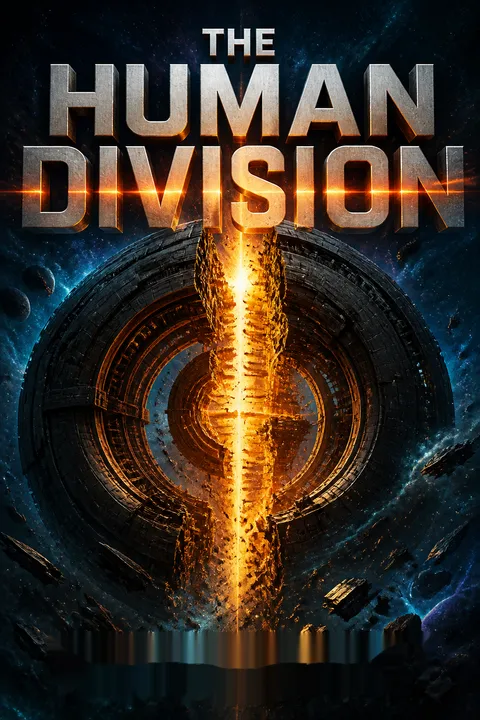

Plot Summary
Diplomatic Disaster in Deep Space
The novel opens with a high-stakes diplomatic mission gone awry: the Colonial Union's Ambassador Bair and her team are ambushed and destroyed en route to secret negotiations with the Utche. The attack is swift, precise, and devastating, leaving only questions and a black box adrift in space. This shocking loss exposes the vulnerability of the Colonial Union and sets the tone for a universe where trust is scarce and enemies are everywhere. The emotional impact is immediate—no one is safe, and the stakes for humanity's survival have never been higher.
The B-Team's Sudden Promotion
With the A-team lost, the Clarke—a diplomatic courier ship with a reputation for mediocrity—is thrust into the spotlight. Ambassador Ode Abumwe and her ragtag crew, including the sardonic CDF tech Harry Wilson and anxious deputy Hart Schmidt, are ordered to salvage the Utche negotiations. They have little time, less information, and even less confidence from their superiors. The pressure is immense, but necessity forces them to rise to the occasion, revealing hidden strengths and forging new bonds under fire.
Secrets, Sabotage, and Survival
As the Clarke races to the negotiation site, Wilson and Schmidt are tasked with finding the missing black box from the destroyed Polk. Their search uncovers not only the box but also a hidden missile trap—using Colonial Union weapons—meant to frame humanity for an attack on the Utche. Wilson's daring spacewalks and quick thinking avert disaster, but the realization that someone is sabotaging the Union from within leaves the crew shaken and distrustful. The emotional toll is heavy: survival comes at the cost of innocence.
Wildcat Colonies and Cover-Ups
The Clarke's next mission exposes the Union's secret placement of CDF operatives in illegal "wildcat" colonies, hoping to skirt Conclave restrictions on expansion. When one such colony is wiped out and evidence of CDF presence is discovered, the Bula—an alien race—use this as leverage in negotiations. The Clarke's crew is forced into a cover-up, destroying evidence and swallowing their moral qualms. The tension between duty and conscience grows, as does the sense that the Union's survival is built on lies.
The Earth Problem
Earth, long kept technologically and politically isolated by the Colonial Union, has broken away, leaving the Union desperate for new sources of colonists and soldiers. On Earth, a media firestorm—stoked by shadowy interests—turns public opinion against reconciliation with the Union. The manipulation of public discourse, culminating in the assassination of a prominent talk show host, reveals the depth of the conspiracy and the fragility of truth in a universe of competing agendas.
The Clarke's Unlikely Crew
The Clarke's crew, once considered second-rate, repeatedly finds themselves at the center of crises. Their ability to improvise, adapt, and survive makes them indispensable, even as they are continually set up to fail by their own government. The emotional arc is one of reluctant heroism: they are not the best, but they are the ones who show up when no one else will, and their resilience becomes a quiet form of defiance.
Conspiracies and Countermoves
As more missions go awry, it becomes clear that the Colonial Union is riddled with leaks and internal enemies. Ships disappear, diplomatic efforts are sabotaged, and both the Union and the Conclave are manipulated into near-conflict. The Clarke's crew, especially Wilson and Abumwe, are drawn into a web of intrigue, forced to question every order and every ally. The psychological strain mounts as trust erodes and paranoia becomes a survival skill.
The Dog King's Crown
In a bizarre turn, a peace negotiation hinges on the fate of a small dog, Tuffy, who accidentally becomes the "Dog King" by acquiring a sacred crown. The situation threatens to derail an entire planetary peace process. Wilson's technical ingenuity and willingness to risk everything for a friend—canine or human—save the day, but the episode underscores the absurdity and unpredictability of interstellar diplomacy.
Saboteurs Among Us
When an Earth observer is murdered aboard the Clarke, suspicion falls on the Colonial Union. A forensic investigation reveals the use of advanced nanotechnology and implicates a member of the observer team as a brainwashed assassin. The true enemy remains hidden, but the incident deepens the rift between Earth and the Union, and the crew is left to grapple with the knowledge that they are pawns in a much larger game.
The Summit That Shattered
The Union's attempt to reconcile with Earth culminates in a grand summit on Earth Station, a symbol of hope and cooperation. But a coordinated attack by hijacked ships—crewed by brains in boxes—destroys the station, kills hundreds of diplomats, and severs the beanstalk connecting Earth to space. The Clarke's crew barely escapes, but the dream of a united humanity is shattered. The emotional devastation is profound: hope turns to grief, and suspicion reigns.
The Fall of Earth Station
As Earth Station falls, the Clarke's crew and their allies scramble to survive. Captain Coloma sacrifices her ship to save her people and destroy the enemy, embodying the ultimate act of leadership. Wilson and Lowen, separated from their friends, make a desperate space jump to Earth, while Schmidt narrowly escapes death. The cost of survival is high, and the survivors are left to mourn their dead and question the future.
Sacrifice and Survival
In the aftermath, the Clarke's battered survivors are hailed as heroes, but the victory is hollow. The Union is more isolated than ever, Earth is lost, and the true enemy remains at large. The crew's resilience and willingness to sacrifice for each other become their defining traits, but the psychological scars run deep. The emotional arc is one of bittersweet endurance: they have survived, but at what cost?
The Human Division
With Earth lost and the Union's resources dwindling, the leadership faces the reality that humanity may not survive another generation. The Clarke's crew, once the B-team, are now the Union's best hope—tasked with impossible missions and forced to improvise solutions in a universe that no longer plays by the old rules. The emotional core is a mix of determination and despair: the human race is divided, and only extraordinary effort can prevent extinction.
Aftermath and Unanswered Questions
Investigations reveal that the attacks were orchestrated by a mysterious third party, using advanced technology and manipulating both the Union and the Conclave. The true motives remain unclear, and the sense of vulnerability is acute. The survivors are left with more questions than answers, and the realization that the next crisis is already brewing.
The Back Channel
In a rare moment of cooperation, back-channel negotiations between the Union and the Conclave reveal that both sides are being targeted by the same enemy. Shared intelligence and mutual vulnerability create the possibility of a new alliance, but old wounds and deep mistrust make progress slow. The emotional tone is cautious optimism: perhaps, together, humanity and its rivals can survive.
Monsters, Churros, and Hope
In a quiet coda, Conclave diplomat Hafte Sorvalh shares churros and wisdom with Earth children on the National Mall. Through simple questions and honest answers, she bridges the gap between species, dispelling fear and sowing the seeds of understanding. The emotional resonance is gentle and profound: even in a universe of monsters, hope endures in small acts of kindness and connection.
Analysis
A modern parable of division, resilience, and the search for meaningThe Human Division is a sharp, witty, and emotionally resonant exploration of what happens when the structures that once held humanity together begin to fail. Through its episodic structure and ensemble cast, the novel interrogates the limits of power, the dangers of arrogance, and the necessity of adaptation in the face of existential threat. Scalzi's narrative is both a satire of bureaucratic dysfunction and a celebration of the unsung heroes who rise to the occasion when no one else will. The recurring theme of division—between Earth and the Union, humans and aliens, and even within the self—serves as both warning and call to action: survival depends not on strength or purity, but on the willingness to connect, improvise, and find common ground. In a world where enemies are everywhere and trust is scarce, The Human Division suggests that hope endures in small acts of courage, kindness, and understanding. The lesson is clear: humanity's future will be decided not by its leaders or its weapons, but by the choices of ordinary people in extraordinary times.
Review Summary
The Human Division receives mixed reviews, averaging 4.09/5. Many praise Scalzi's ability to weave 13 interconnected stories into a cohesive narrative, highlighting his humor, engaging characters like Wilson and Ambassador Abumwe, and the diplomatic focus following Earth's falling-out with the Colonial Union. Critics, however, find the serialized format disjointed, characters too similar in voice, and take issue with unresolved plot threads. International readers appreciate the accessible, entertaining style, though some feel it lacks the depth of earlier series installments.
People Also Read


Characters
Harry Wilson
Harry Wilson is a CDF lieutenant and technical specialist, originally from Earth, whose sardonic wit and improvisational genius repeatedly save the day. Psychologically, Wilson is haunted by the loss of his old life and the knowledge that he can never truly go home. His relationships—with Abumwe, Schmidt, and others—are marked by loyalty, exasperation, and a deep sense of responsibility. Over the course of the story, Wilson evolves from a sidelined techie to the indispensable linchpin of the Clarke's survival, embodying the theme that greatness often comes from unexpected places.
Ode Abumwe
Ambassador Abumwe is a first-generation Colonial Union citizen, known for her bluntness and lack of people skills. Her psychological armor hides a deep commitment to her team and her mission. Initially dismissed as a B-lister, Abumwe's ability to adapt, make hard choices, and stand her ground under pressure transforms her into a key player in humanity's struggle. Her relationship with Wilson is fraught but ultimately respectful, and her arc is one of reluctant growth into true leadership.
Hart Schmidt
Schmidt is Abumwe's assistant and Wilson's closest confidant. Neurotic and self-deprecating, he often feels out of his depth, but his diplomatic instincts and steadfastness make him invaluable. Psychologically, Schmidt is driven by a need for approval and a fear of failure, but repeated crises force him to confront his own strengths. His friendship with Wilson provides both comic relief and emotional grounding, and his survival against the odds is a testament to resilience.
Sophia Coloma
Captain Coloma commands the Clarke with a mix of discipline and dry humor. She is fiercely protective of her crew, willing to risk everything—including her own life and ship—for their survival. Psychologically, Coloma is defined by duty and a willingness to make hard choices, even when unappreciated by her superiors. Her ultimate sacrifice cements her legacy as a leader who puts people above politics.
Danielle Lowen
Lowen is a doctor and Earth diplomat, daughter of the U.S. Secretary of State. Intelligent, skeptical, and compassionate, she becomes entangled in the Clarke's crises and forms a close bond with Wilson. Her medical expertise and investigative drive uncover key elements of the sabotage plot. Psychologically, Lowen is torn between loyalty to Earth and empathy for the Union, embodying the hope for reconciliation.
Abel Rigney
Colonel Rigney is a CDF officer who understands the existential crisis facing humanity. He is pragmatic, sometimes cynical, but deeply committed to finding solutions—often through unconventional means. His advocacy for the Clarke's crew as a "fire team" reflects his belief in adaptability over hierarchy. Psychologically, Rigney is haunted by the looming extinction of humanity and the failures of old strategies.
Liz Egan
Egan is the CDF liaison to the State Department, known for her blunt assessments and willingness to "scare the children." She is a realist who pushes for necessary change, recognizing that diplomacy is now humanity's best hope. Her relationship with Rigney is one of mutual respect and shared frustration at bureaucratic inertia. Psychologically, Egan is driven by urgency and a refusal to sugarcoat reality.
Hafte Sorvalh
Sorvalh is a Lalan and senior Conclave advisor, towering in both stature and intellect. She is skilled at reading people, manipulating situations, and finding common ground. Her interactions with humans—especially in the "churro" coda—reveal a capacity for empathy and humor. Psychologically, Sorvalh is both an insider and outsider, navigating the complexities of interspecies politics with grace and cunning.
The Saboteur(s)
The true antagonist is a shadowy network (or networks) orchestrating attacks, assassinations, and sabotage to destabilize both the Colonial Union and the Conclave. Their methods—brainwashing, advanced nanotech, and psychological warfare—create an atmosphere of paranoia and uncertainty. Psychologically, the saboteurs embody the fear of the unknown and the danger of enemies within.
The Clarke's Crew
The supporting cast of the Clarke—engineers, diplomats, and staff—represent the overlooked and underestimated. Their collective arc is one of transformation: from B-team to the Union's best hope. Their psychological journey is marked by trauma, camaraderie, and the forging of identity through adversity.
Plot Devices
Episodic Structure and Ensemble Cast
The novel is structured as a series of interconnected episodes, each focusing on a different crisis or diplomatic mission. This allows for a wide range of tones—from dark political intrigue to absurdist comedy—and gives depth to a large ensemble cast. The episodic format mirrors the chaos and unpredictability of the Union's predicament, while also allowing for character development across multiple arcs.
Foreshadowing and Red Herrings
Early disasters and mysterious attacks foreshadow the larger conspiracy at work, while red herrings—such as the possibility of Conclave aggression or internal incompetence—keep both characters and readers guessing. The use of black boxes, hidden bombs, and brain-in-a-box technology creates a sense of constant danger and uncertainty.
Satire and Irony
The novel frequently employs satire to critique both the Colonial Union's arrogance and the dysfunction of Earth's politics. Irony abounds: the B-team becomes the A-team, peace hinges on a dog, and the most important missions are given to those least trusted. This undercuts traditional heroism and highlights the randomness of survival.
Psychological Realism and Moral Ambiguity
Characters are forced to make morally ambiguous choices—covering up evidence, sacrificing innocents, or lying for the greater good. The psychological toll of these decisions is explored in depth, with characters grappling with guilt, fear, and the erosion of trust. The emotional realism grounds the high-concept plot in genuine human experience.
Back Channel Diplomacy and Unlikely Alliances
The use of unofficial, personal connections—between Rigney and Sorvalh, or Wilson and Perry—becomes crucial as official channels break down. These back channels offer a fragile hope for cooperation in a universe where formal alliances are brittle and easily sabotaged.
Symbolism and Motifs
The recurring motif of division—between Earth and the Union, humans and aliens, insiders and outsiders—underscores the central question: what does it mean to be human in a fractured universe? Small acts of connection—sharing churros, saving a dog, risking everything for a friend—offer moments of grace amid chaos.
Old Man's War Series


About the Author
Other books by John Scalzi
Download PDF
Download EPUB
.epub digital book format is ideal for reading ebooks on phones, tablets, and e-readers.








































