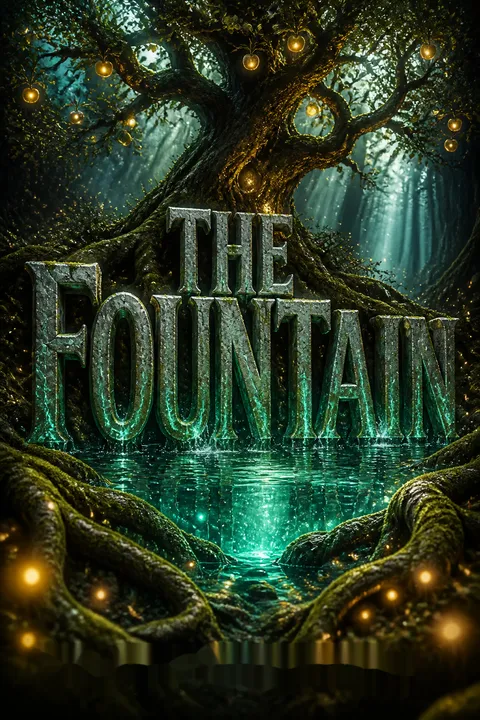

Plot Summary
Return To The Valley
Vera arrives back in her ancestral valley, displaced by centuries and burdened by a strange, endless existence. She's frayed, unmoored, returning to the scene both of earliest happiness and decades-old pain. Living as unremarkably as possible, she settles into a small cottage near her childhood home, now rented to strangers. Wrestling with suicidal urges and the unresolved loss of her family, Vera's days are a march between numbness and memory. Her new "timer" job as a ranger is both cover and ordeal, bringing her close to old landscapes and specters she cannot ignore. The harsh, familiar terrain digs up guilt over broken pacts and the insistent ache for belonging. Her return, intended as a hiding place or even an ending, reopens the promise to seek, understand, and maybe finally undo the curse—or miracle—at the core of her immortality.
The Past Bleeds Through
Life in the valley is threaded through with old, unhealed wounds. Vera navigates awkward introductions with Cate and Brian, her landlords, whose enthusiasm for rural reinvention and cider entrepreneurship clashes with Vera's need for secrecy. Parties and neighborly rituals thrust her into local circles where every anecdote or small-town mystery—the arrival of a secretive LLC, hints about a "Fountain of Youth"—flares her anxiety. Friendships begin: with chatty Cate, with good-hearted Ranger Lopez, and with Paul, a fisherman who eerily recalls a long-lost love. These new connections, both comfort and threat, make Vera's internal barricade falter; memories of her brother Eli and their troubled mother surface in vivid, destabilizing waves. Each interaction risks revelation, as the valley's people circle closer to her real history and the supernatural heart of her existence.
The Elusive Fountain
The arrival of Fountain of Eternal Youth LLC—a California venture led by tech magnate Matthew Barbery and a mysterious Lydia Kirke—stirs the town's undercurrent of suspicion and hope. Vera, already speculating that her family's immortality may stem from the valley's water or some buried event, begins privately sampling springs and streams, risking her life in hopes of reversing the effect. Meanwhile, clues converge: Lydia Kirke's name pops up on antique photographs, as does her family's old general store. Barbery's megalomaniacal quest to "end death itself" unnerves Vera, while Lydia's presence promises answers but also potential exposure. The past and present, folklore and the traumas of departure, mingle. The search becomes a race: between Vera's desperate longing for an end, Fountain's corporate ambitions, and the gathering storm of others seeking the same impossible source.
Promises And Lies
Vera's brother Eli, presumed lost to time or distance, suddenly reappears—accompanied by Lydia, who turns out to be just as immortal. Their arrival upends Vera's fragile equilibrium; the pact never to return has been broken by all. Each sibling has lied about motives and movements, each has secretly wanted connection and relief from endless isolation, but the violation of their fundamental promise leaves them shaken. Lydia is both an opportunity and a threat: a scientific genius determined to understand, and perhaps democratize, immortality and its erasure. Suspicion lingers—about motives, about what happened to their mother, about the price of Lydia and Eli's burgeoning relationship. Each new bond breaks open older grievances and secrets. The trio is forced to decide: help each other to a shared future or risk betrayal chasing personal oblivion.
New Bonds, Old Wounds
Vera's immersion in valley life deepens—she works the cider barn, joins harvests, and is drawn into emotionally complicated friendships. Memories emerge of her lost love Jacob and a sister-in-law, Lotte, left behind when the immortal trio fled. Though moments of genuine camaraderie emerge, Vera's trauma and the pain of endless survival mean that intimacy is always double-edged. Her developing relationship with Paul, a kindred fisherman and EMT, is weighted by truths she cannot utter. Bonds with Cate and Lopez give Vera reasons to hope for rootedness, while also exposing her to the risk of exposure. Each attempt at connection opens the past anew, as personal wounds and generational sorrow echo across days spent fishing, working, and sharing fragile, almost-normal joys.
Stranger In The Meadow
The valley, seemingly peaceful, bristles with threats, both mundane and extraordinary. An incident with a rabid coyote at a neighbor's party pushes Vera's difference into public view—her skills and survival appear remarkable, nearly supernatural. Elsewhere, dangers mount: the townsfolk buzz over Fountain's intentions, Lydia and Matthew's ambitions, and the sense that something is being hunted—perhaps Vera herself. The intersection of these threats with Vera's internal erosion—flashbacks of violence, the memory of being trapped in darkness, and crippling panic—forces her to confront the practical risks of her indestructibility. Every near-miss, every adversary, sharpens the dilemma: is she the hunted, the hunter, or something stranger still? New revelations about Lydia's ties to her own history deepen the sense that all is connected…and fated.
Reunion Of The Immortals
The improbable meeting of three immortals—Vera, Eli, and Lydia—catalyzes both hope and unease. Scientific collaboration begins as Lydia builds a clandestine lab, probing their cellular mysteries. While Eli embraces the hope of "saving the world," Lydia's ruthless pragmatism and ambition are increasingly clear, and Vera's motives—to finally die—remains a hidden but burning through-line. Loyalties are pushed to extremes as each reveals—or withholds—key truths: how they became what they are, who and what their loved ones truly were, who helped and who betrayed. The stakes multiply as Matthew's interest sharpens from impersonal to obsessive. The risk is no longer only secrecy, but the danger of their powers being twisted for profit, stolen, or lost. In this new, uneasy alliance, trust is both essential and nearly impossible.
Science, Secrets, Sacrifice
Lydia drives the immortal trio's research into the origins and potential cure of their condition. The lab teems with experiments on blood, water, and animals, as well as old diaries and town lore. Vera's complicity is fraught—she tests risky samples on herself, avoids giving in to Lydia's ruthless logic, and attempts to shield her autonomy. Mental and physical tolls accrue—she's depleted, repeatedly dying then healing, always teetering at the edge of hope and despair. Lydia's morality comes into question: would she keep others in stasis against their will, or release the fountain's secret to the highest bidder? Science, more than magic, becomes the cruel arbiter—offering the hope of reversal, but at the price of selfhood, dignity, and perhaps the world's safety. All must decide what they are willing to lose.
Tending The Orchard
The orchard harvest invites the entire valley into a yearly rite that is at once present and haunted. The land—once Vera's family's—is a locus of memory, labor, and hope for redemption. As Vera, Paul, and the townsfolk gather apples, cook, and share laughter in the transformed barn, questions loom about what is being preserved and what has already died. For Vera, the act is renewal, a hope for rootedness against centuries of exile, but also bittersweet—every joy is shadowed with knowledge of inevitable departures. Beneath the ordinary rhythms, legacies twine: past gifts sent in secret, secrets long buried, wounds unhealed. The orchard stands as proof that continuity is possible, but so is loss.
Death, Survival, Dissolution
A harrowing accident on the mountainside threatens everything. Vera saves Lopez's life through an impossible act, exposing her indestructibility. Forced to choose between secrecy and compassion, she risks everything—and is surprised when Lopez chooses silence. The near loss and the burden of endless survival force Vera to confront her own despair, as the lure of death and the demands of friendship become inseparable. Meanwhile, her relationship with Paul deepens—she reveals her true nature, and love, for once, does not falter. But the cost is steep: endless cycles of loss, fear of being hunted, and the constant need to run. In crisis, Vera learns that survival, for the immortal, does not always mean victory—it can be its own dissolution.
The Cost Of Forever
As Fountain's ambitions reach fever pitch, Lydia, under mounting pressure from Matthew and her own demons, makes a fateful choice: she hands over a piece of the immortals' secret. Vera, incensed and afraid, confronts both Lydia's betrayal and her own motivations. Matthew, discovering the truth, threatens their safety, leading to a violent confrontation and a desperate act. In the aftermath—a murder, a staged fire, the erasure of the lab—the trio is wrenched apart by grief and guilt. Alliances fracture as Eli and Lydia plan another cycle of disappearance, prioritizing self-preservation over Vera's need for home and closure. The moral reckoning leaves Vera at another crossroads: was it all worth it, and who has she become?
Truths Surface In Crisis
In the wake of violence and destruction, Vera lingers—tending the rebuilt barn, savoring fleeting joys with Paul, fragile but unsparing about her fate. Lydia's staged funeral and the local community's resilience highlight the gulf between true loss and manufactured endings. Vera's relationship with Paul grows more honest, as she reveals her secret and finds herself, astonishingly, not abandoned. The past returns in a new form: her long-lost, immortal mother quietly reappears, offering the beginnings of healing and understanding at last. For the first time, Vera sees her story as circular, not only about endings, but about coming back, about what is worth living for—and what must finally be let go.
Loss, Love, Letting Go
With Eli's departure, Vera confronts genuine loneliness and the pain of unfinished love. Her brother, needing Lydia or perhaps only a future elsewhere, leaves behind the home they once built together. Vera mourns what never was, but also embraces the fragmentary, uncertain hope she has built: a tentative but real home, a relationship where her full self can be known, and a peace with remaining. The garden, the orchard, shared meals, and familiar hills knit into a surprising comfort. Pain and doubt remain, but Vera's story is no longer solely about seeking death. Instead, she has learned: survival, even survival full of loss and imperfection, is its own gift, and opening to others—despite risk—makes that gift real.
Fires, Escapes, Endings
As the final reckoning with Fountain unfolds, betrayal spills into violence and coverup. The lab fire, staged death, and panicked flight rewrite the valley's history—and Vera's—once again. The community endures, reshaping itself as it always has, while Vera privately grieves what has been lost and what remains unresolved. She must reckon with the knowledge that endings, no matter how hard-fought or carefully managed, are never absolute—for those who live forever, the past is always waiting. But having risked revelation, having chosen connection, Vera faces the risks and the rewards of remaining—no longer solely a ghost, but a living, visible thread in the fabric of the place she longed for all along.
The Legacy Remains
A year later, Vera's life has settled into an imperfect, everyday grace. Tending the orchard, loving Paul, finding the surprise of her mother's forgiveness and presence, Vera at last begins to claim her legacy—not as one fleeing or seeking oblivion, but as a caretaker of her own story. The land, the people, every meal and season hold memory and possibility. The pain of immortality does not vanish, nor does the promise of death, but Vera no longer flees from living. In her acceptance—in the courage to remain where she loves and is loved—something like the real fountain is found. Not a spring in the hills, not a formula in a lab, but the stubborn, ongoing embrace of life itself.
Analysis
In adapting The Fountain for readers who crave immediacy and depth amid brevity, it emerges as a meditation on the true cost—and hollow seduction—of eternal life. Scieszka uses immortality not as a fantasy but as a lens through which to confront trauma, shame, and the ever-repeating ache of loss. The book suggests that survival alone cannot redeem existence; it is only through community, honesty, and the courage to stay—in relationship, in place, with oneself—that meaning arises. The story interrogates the logic of progress, technology, and the American hunger for reinvention, asking whether we can be saved by science or only by one another. It is, in the end, a novel about acceptance: learning that the fountain of youth is not a miraculous spring but the persistent, ordinary choice to love, to forgive, to plant an orchard again—even knowing you will outlive its fruit and everyone who tends it with you. The ultimate lesson is paradoxical: we are only ever immortal in the memory and hearts of those we touch, and only mortal life grants that miracle.
Review Summary
Reviews for The Fountain are generally positive, averaging 3.87/5. Many readers praise its unique, introspective take on immortality, compelling characters, and atmospheric Catskills setting, with comparisons to Tuck Everlasting. The audiobook version received particular acclaim. Common criticisms include rushed pacing, an abrupt ending, and underdeveloped plot points. Some found the protagonist Vera flat or overly melancholic, while others found her deeply relatable. Most agree it's an accessible, thought-provoking debut best suited for book clubs or casual reading.
People Also Read
Characters
Vera Van Valkenburgh
Vera is a two-century-old woman, both indomitable and deeply wounded by her unending life. Returning to her childhood valley, she is driven by longing for an ending but finds—through community, family, and unexpected love—a tentative peace with staying present instead. Vera's relationship with mortality, memory, and her own body is fraught: she is traumatized by centuries of loss, afraid of intimacy, and yet yearns for connection. Chafing under the weight of past pacts, especially with her brother Eli, she embodies both the costs and strange gifts of immortality. Vera's journey is a reckoning with trauma, betrayal, and forgiveness—ultimately discovering that surviving is both her prison and her grace.
Eli Van Valkenburgh
Eli, Vera's brother and fellow immortal, is exuberant and magnetic—a lover of parties and people, yet always in flight from true reckoning. His pattern is one of lying, escaping, but also fiercely loving his sister, even as he leaves her behind. Eli's relationship with Lydia is as much about hope for a future as it is about running from the haunted past they both share. He is charismatic but at core deeply lonely; eager to be seen as heroic or useful, but also nostalgic and riven with regret, especially over those he could not save—his wife Lotte most of all. Eli's development is the painful movement from denial and bravado toward a more honest, if imperfect, embrace of consequence and love.
Lydia Kirke
Lydia, the third immortal in the valley, is both a scientific prodigy and relentless necessitarian. Her moral calculus bends toward efficiency at the expense of intimacy or sentimentality. Ambitious and secretive, she is both an ally and antagonist—determined to harness the fountain's power, either to save the world or control it. Lydia is the embodiment of the risks immortality poses to one's soul—lonely to the core, yet weaponizing care for others as a means to an end. Her relationship with Eli skirts genuine love, but her willingness to manipulate (and, at times, betray) even her companions shows her underlying existential terror of insignificance. Lydia is brilliant, formidable, but ultimately broken by her own solitude.
Paul
Paul, the local EMT and fisherman, represents hope: the chance for intimacy not doomed by the weight of immortality. Kind, attentive, gentle but strong, Paul is burdened by his own familial losses and quiet traumas. His psychological resilience, empathy, and practical nature counterbalance Vera's volatility and inertia. When Vera reveals her secret, Paul chooses love and understanding, not flight. He becomes a bridge between Vera's past and her possible future—a model for human connection grounded in trust, not fantasy or self-erasure. His development is subtle but important: growing from an idealized stranger to a real, complex partner with his own boundaries and needs.
Lopez
Ranger Lopez begins as a friendly coworker but becomes a true friend, embracing Vera's quirks and secrets even without knowing her full story. His near-death experience and request that Vera be his baby's godmother crystallize for her the possibility of genuine attachment—and the risk of devastating loss. Lopez's inclusion in the narrative underscores the novel's moral: true grace is not in survival alone but in loving and being loved, however briefly. He is a reminder that mortality and vulnerability are not weaknesses, but the very things that make life meaningful.
Cate
Cate is the neighbor and aspiring entrepreneur whose warmth and messy ambition model a different way of living: not through heroics, but small, consistent acts of care and effort. Her relentless invitations and trust eventually coax Vera out of isolation; her vulnerability and insecurities make her both comic relief and emotional ballast in the story. Cate's belief in community, willingness to forgive, and doggedness in making the best with what she has offer a counterpoint to the immortals' existential battles, suggesting that ordinary struggles are at least as important as any secret to eternal life.
Brian
Brian, Cate's husband, is pragmatic, sometimes suspicious, but fundamentally decent. He provides a baseline of stability—often skeptical or grumpy, but quick to do the right thing. Though he is usually in the shadow of larger personalities, Brian's quiet presence exemplifies the enduring power of "regular" love and responsibility. His inability to understand Vera's depth paradoxically allows her privacy, a rare gift for someone who feels continually exposed.
Matthew Barbery
Matthew Barbery personifies the dangers of unchecked ambition and the seductive pursuit of "solving" death. Charismatic, privileged, and ultimately ruthless, he becomes an existential jeopardy to Vera and the others—not only threatening exposure, but showing what is lost when mortality's lessons are ignored. Matthew's belief that he can buy, own, or engineer anything poisons the possibility of ethical discovery and turns the pursuit of the fountain into a potential global disaster.
Lotte
Lotte, Eli's left-behind wife, haunts the narrative as both a symbol of lost innocence and the high cost of secrecy. Her presence illuminates the deep wounds carried by all the immortals—the necessary betrayals, the pain of outliving one's loves, and the impossibility of ever putting things right. Lotte's fate is the eternal "what if" that shadows Vera and Eli's choices, a call not only to mourn, but to forgive oneself for impossible choices.
Ma / Anika
Ma is the original anchor for Vera and Eli, embodying both nurturing love and the painful necessity of letting go. Her own immortal journey is marked by decades of seeking purpose in crises and pandemics, ostracized by her children's clinging but ultimately teaching them that community and connection are vital—even for those who cannot die. Ma's later return offers a model of forgiveness and the promise that home can be remade, again and again, no matter how much is lost.
Plot Devices
Immortality As Both Gift And Curse
Rather than serving as wish-fulfillment, immortality is depicted here as a psychological burden and practical catastrophe: trauma, depression, alienation, and an ever-growing weight of memory render it both a secret superpower and a source of endless suffering. It's an extension and exaggeration of ordinary grief, the impossibility of moving on, and the necessity—and cost—of human connection.
Interwoven Past Narratives
The narrative is structured so that the past always intrudes: not merely in flashbacks, but as lived, iterative trauma. Objects, places, and names become recursive—photographs, diary entries, the orchard, the general store—insisting that history is never left behind. This technique underscores how immortality obliterates the boundary between memory and the now, making every decision both repetition and evolution.
Parallel Mysteries And Duplicity
Vera's internal search for an ending is reflected in the external quest for the literal "Fountain"—and the ethical dilemmas that attend both. Clues about the valley's history, hidden identities, and secret motives form nested mysteries: Who can Vera trust? What did her family promise or betray? Is Lydia saving the world or endangering it? Each character's secrets ripple through the community, destabilizing trust and inviting disaster.
Science As Magic, Magic As Science
The immortality of the protagonists is neither mystical nor simply biotech; it is located painfully at the overlap of folklore, science, and human yearning. Lydia's research, town legends, and Matthew's tech dreams all circle a central question—can we really "fix" mortality, and what might it cost? The "source" is never just water, but the ineffable sum total of choices and stories—foreshadowed relentlessly in orchard, diary, and bone.
Shifting Points Of View And Community Chorus
While Vera's voice dominates, the presence of a community—through neighborly gossip, party invitations, funerals, and Memorial Day celebrations—serves as both camouflage for extraordinary secrets and the truest place where meaning is made. This chorus of voices complicates the story and democratizes the stakes: immortality, it turns out, is only as meaningful as the friendship, love, and memory that surround it.
Download PDF
Download EPUB
.epub digital book format is ideal for reading ebooks on phones, tablets, and e-readers.








































