
Resumen de la trama
Funeral Rites and Family Secrets
The novel opens with the funeral of Marian Savage, matriarch of an old Alabama family. The ceremony is private, marked by a disturbing family ritual: a knife is pressed into Marian's chest to ensure she is truly dead, a tradition born from ancestral trauma. The Savage and McCray families gather, their relationships strained by old wounds and secrets. The oppressive Southern heat and the presence of Marian's parrot, Nails, echo the tension. The family's history is revealed through sharp dialogue, hinting at generational curses and the darkness that lingers in their bloodline. The funeral sets the tone for the story's blend of Southern Gothic and supernatural horror, as the living are left to grapple with the legacy of the dead.
Beldame Beckons the Living
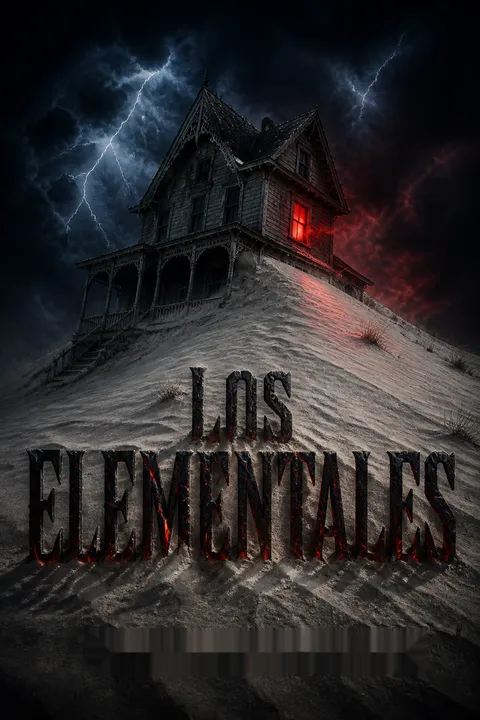
After the funeral, the family decides to retreat to Beldame, their isolated summer compound on the Alabama coast. Three identical Victorian houses stand on a spit of land, surrounded by white sand and water. The third house, abandoned and half-swallowed by a dune, is a source of unease. India, Luker's precocious daughter, is both fascinated and unsettled by the place. The oppressive heat, the isolation, and the strange rituals of the Savage family create an atmosphere thick with dread. The family's attempt to escape grief only brings them closer to the mysteries and dangers lurking at Beldame, where the boundaries between the living and the dead begin to blur.
The Third House Unearthed
India's fascination with the third house grows. She climbs the dune and peers through a window, discovering a perfectly preserved Victorian bedroom, untouched by time but now violated by her accidental breaking of a windowpane. Sand begins to pour inside, and India senses a presence watching her. The house's history is recounted: it has always been empty, avoided by the family, and associated with childhood fears. Luker, India's father, admits his own terror of the place. The third house becomes a symbol of the family's buried secrets and the supernatural forces that haunt them, its silent rooms waiting for the living to trespass.
Sand, Sun, and Shadows
The family settles into the languid routines of Beldame: sunbathing, swimming, and enduring the relentless heat. Yet the third house's presence is always felt. India takes photographs, guided by Odessa, the family's longtime Black housekeeper, who seems to know more than she says. Odessa warns India to be careful, hinting at dangers that are not easily named. The sand continues to encroach, both outside and within the houses. The oppressive environment and the family's idiosyncrasies create a sense of unreality, as if Beldame exists outside of time, waiting for something to break the surface.
India's Unseen Drawings
India, an artistic and sensitive child, finds herself drawing images she does not consciously create: a fat woman holding deformed dolls, scenes from the family's past, and visions she cannot explain. When compared to an old photograph of a Savage ancestor, the resemblance is uncanny, though the details differ. India's drawings seem to channel the house's history and the spirits that linger there. The family is unsettled by her talent, unsure whether it is imagination or something more sinister. The boundary between art and haunting blurs, as India becomes a conduit for Beldame's secrets.
Stories of Savage Mothers
Around the dinner table, the family recounts the origins of their funeral knife ritual: a tale of premature burial, cannibalism, and madness. The story is both horrifying and formative, shaping the Savage identity. Odessa and Leigh add layers to the legend, revealing how the past continues to influence the present. The family's matriarchs are depicted as powerful and destructive, "eating their children up." The parrot Nails echoes this refrain, blurring the line between the living and the dead. The stories serve as both warning and prophecy, foreshadowing the horrors to come.
The Dune's Encroachment
The sand dune continues to swallow the third house, a physical manifestation of the supernatural forces at work. India's explorations reveal that the sand is not merely a natural phenomenon but seems to have a will of its own. She witnesses a figure made of sand take the form of a black girl—Martha-Ann, Odessa's lost daughter—who died years before. The vision is both terrifying and inexplicable, suggesting that the house can conjure the dead or create illusions to torment the living. The family's attempts to rationalize the events only deepen their sense of helplessness.
Odessa's Warnings
Odessa emerges as the family's spiritual guardian, her knowledge of Beldame's dangers rooted in folk wisdom and personal loss. She explains to India that the third house is not haunted by ghosts but by something older and more malevolent—Elementals. These spirits do not follow human rules and delight in deception. Odessa's rituals, including a protective baking of bread with blood and sand, are desperate attempts to ward off evil. Her warnings are often ignored or misunderstood by the family, who remain divided between skepticism and fear. Odessa's presence is both comforting and ominous, as she alone seems to grasp the true nature of the threat.
Elementals in the Sand
The oppressive heat breaks with a violent storm, and the supernatural activity intensifies. India's photographs, developed in Mobile, reveal monstrous figures and dead relatives in the third house—images she did not see when taking the pictures. Odessa and Luker explain that these are Elementals, spirits that can take any form and exist to torment and deceive. The family realizes that the danger is real and escalating. The sand begins to invade the inhabited houses, and the boundaries between reality and nightmare dissolve. The Elementals' motives are inscrutable, their power growing as the family's defenses weaken.
Lawton's Schemes and Storms
Lawton McCray, Big Barbara's husband, plots to sell Beldame to oil interests, even considering arson to force the sale. His greed and duplicity mirror the destructive forces at work in the third house. Lawton's attempt to burn down the houses leads him into the heart of the supernatural, where he encounters horrors beyond his understanding. The storm that follows is both literal and metaphorical, as nature and the Elementals conspire to reclaim Beldame. Lawton's fate is sealed by his own ambition, and the family is left to face the consequences of his actions.
The Night of Heat
The hottest night of the year becomes a crucible for the family. Sand pours into the Savage house, filling rooms and suffocating the inhabitants. Odessa and India enter the third house to confront the Elementals, locking doors and performing rituals in a desperate bid for survival. The house fights back, manifesting horrors from the family's past and attacking physically. Odessa is killed, her eyes gouged out as a final act of sacrifice. India, following Odessa's cryptic instructions, eats the eyes to gain second sight. The family flees to the McCray house, but the sense of safety is illusory.
Breaking the Seal
As dawn approaches, India, now able to see as Odessa did, understands the true nature of the Elementals. She and Luker return to the third house to rescue Odessa and Dauphin, only to find them dead—victims of the house's malice. India destroys the effigy of Marian Savage, realizing it is only a vessel for the Elementals' power. The house is set on fire, but not before the spirits manifest as the dead Lawton, taunting the survivors. The destruction of the third house is both a victory and a loss, as the family is forever changed by what they have witnessed.
The House Fights Back
The burning of the third house triggers a supernatural cataclysm. The Savage house is swallowed by a perfect cone of sand, erasing all trace of the family's legacy. The survivors—Luker, India, Leigh, and Big Barbara—escape, but not without scars. The Elementals' power is undiminished, and the land itself seems cursed. The family's attempts to explain the events to authorities are met with disbelief, and the official story becomes one of tragic accident. The true horror of Beldame is buried with the sand, but its memory lingers in the survivors' dreams.
Sacrifice and Sight
India's consumption of Odessa's eyes grants her a terrible clarity. She understands that the Elementals are not ghosts but forces of nature, capable of taking any form and feeding on fear and memory. The family's rituals and stories were never enough to contain them. The survivors are left to grapple with guilt, grief, and the knowledge that some evils cannot be defeated, only endured. India's vision marks her as both witness and warning, her childhood forever lost to the horrors of Beldame.
The End of Beldame
In the aftermath, the survivors attempt to rebuild their lives. Leigh gives birth to twins, but India senses the Savage legacy in them. The oil company acquires Beldame, but a hurricane soon erases all trace of the houses and the land's history. The Elementals' domain is returned to the sand and sea, their secrets safe for now. The family's story becomes legend, a cautionary tale about the dangers of forgetting the past and the limits of human control over nature and the supernatural.
Aftermath and Ashes
The novel closes with the survivors scattered and changed. Luker and India return to New York, unable to speak of what happened. Leigh and Big Barbara travel, seeking solace in distance. The funerals are empty rituals, the coffins containing nothing but ashes and secrets. India, now marked by her experience, rejects the next generation of Savages, sensing the cycle may begin again. Beldame is gone, but its horrors linger in memory, a reminder that some places are better left undisturbed.
Analysis
A Southern Gothic meditation on legacy, trauma, and the limits of human controlMichael McDowell's The Elementals is a masterwork of atmospheric horror, using the landscape of the Alabama coast as both setting and symbol. The novel interrogates the ways in which families are shaped—and haunted—by their histories, rituals, and secrets. The Elementals themselves are less traditional ghosts than embodiments of nature's indifference and the consequences of buried trauma. The story explores the futility of trying to contain or rationalize the supernatural, suggesting that some forces are beyond human comprehension or mastery. The characters' attempts to protect themselves—through ritual, denial, or confrontation—are ultimately insufficient, and survival comes at great personal cost. The novel's lessons are both specific and universal: the past cannot be escaped, the natural world is both beautiful and terrifying, and knowledge often brings more pain than comfort. In the end, Beldame is reclaimed by sand and sea, but its horrors linger in memory, a warning against the arrogance of believing we can ever truly master the forces that shape us.
Resumen de reseñas
The Elementals is widely praised as a masterpiece of Southern Gothic horror, earning an overall rating of 3.98/5. Readers consistently highlight McDowell's atmospheric prose, memorable characters, and slow-burning tension that culminates in genuinely terrifying horror. The isolated setting of Beldame, with its three Victorian houses and encroaching sand, is considered a triumph of place-writing. Characters like India McCray and Odessa are particularly celebrated. Some critics note the slow pacing and rushed ending as weaknesses, but most consider it essential horror reading.
También leyeron


Characters
India McCray
India is the thirteen-year-old daughter of Luker McCray, thrust into the heart of Beldame's mysteries. Precocious and creative, she becomes the story's primary lens, her drawings and photographs revealing the supernatural forces at work. India's curiosity leads her to confront the third house's horrors directly, and her bond with Odessa grants her a unique, painful insight into the Elementals. Her psychological journey is one from innocence to traumatic knowledge, marked by a loss of childhood and a burden of sight that isolates her from others. India's relationships—with her father, Odessa, and the rest of the family—are complex, shaped by love, skepticism, and the need to understand the inexplicable.
Luker McCray
Luker is India's father, a New York photographer with deep Southern roots. He is both protective and dismissive, struggling to reconcile his rational worldview with the supernatural events at Beldame. Luker's own childhood fears of the third house resurface, and his skepticism is gradually eroded by the mounting evidence of the Elementals' power. His relationship with India is central, marked by affection, frustration, and a shared trauma. Luker's psychological arc is one of reluctant belief and helplessness, as he is forced to confront forces beyond his control and protect his daughter at great personal cost.
Odessa Red
Odessa is the longtime Black housekeeper for the Savage and McCray families, a figure of wisdom, resilience, and sorrow. She alone understands the true nature of Beldame's dangers, drawing on folk traditions and personal loss—her daughter Martha-Ann drowned at Beldame, a death she suspects was not natural. Odessa's rituals and warnings are often dismissed, but she remains steadfast in her efforts to protect the family. Her ultimate sacrifice—gouging out her own eyes to grant India second sight—cements her role as both martyr and guide. Odessa's psychological depth lies in her acceptance of the supernatural, her grief, and her willingness to do whatever is necessary to confront evil.
Big Barbara McCray
Big Barbara is Luker and Leigh's mother, a larger-than-life Southern woman whose alcoholism and sharp tongue mask deep vulnerabilities. Her friendship with Marian Savage and her tumultuous marriage to Lawton shape much of the family's dynamics. Big Barbara's struggle with sobriety is mirrored by her attempts to hold the family together in the face of supernatural and personal crises. Her psychological journey is one of denial, resilience, and eventual acceptance of loss. She is both comic and tragic, embodying the contradictions of Southern womanhood and the burdens of family legacy.
Leigh Savage
Leigh is Dauphin's wife and India's aunt, a stabilizing presence amid chaos. She is pragmatic, intelligent, and supportive, often mediating between family members. Leigh's own fears of the third house are rooted in childhood, but she faces them with determination. Her pregnancy and the birth of twins symbolize both hope and the continuation of the Savage legacy, though India senses a darker inheritance. Leigh's psychological arc is one of endurance and adaptation, as she navigates grief, motherhood, and the collapse of her family's world.
Dauphin Savage
Dauphin is Marian Savage's son, Leigh's husband, and the inheritor of Beldame. Sensitive and self-effacing, he is deeply affected by his mother's death and the family's history. Dauphin's love for Odessa and his fear of the third house reveal his vulnerability. His attempts to do right by everyone leave him exposed to the supernatural forces at Beldame, and his eventual death is both tragic and inevitable. Dauphin's psychological depth lies in his longing for acceptance, his struggle with grief, and his inability to escape the family's curse.
Lawton McCray
Lawton is Big Barbara's husband, a politician whose greed and self-interest drive much of the novel's human conflict. His schemes to sell Beldame and his willingness to commit arson make him a catalyst for disaster. Lawton's inability to comprehend the supernatural forces at work leads to his downfall, as he becomes another victim of the Elementals. Psychologically, Lawton embodies the dangers of hubris and the limits of rationality in the face of the unknown.
Marian Savage
Though dead at the novel's start, Marian's influence pervades the story. Her cruelty, strength, and adherence to family rituals shape the Savage legacy. Marian's spirit—or its effigy—returns as a vessel for the Elementals, blurring the line between memory and haunting. She is both victim and perpetrator, her death unleashing the forces that consume Beldame. Marian's psychological complexity lies in her unresolved relationships with her children and her role as both protector and destroyer.
Sister Mary-Scot
Mary-Scot is Marian's daughter, now a nun, whose distance from the family is both physical and emotional. Her knowledge of the Elementals and her role in the funeral ritual mark her as a bridge between the sacred and the profane. Mary-Scot's psychological arc is one of escape and confrontation, as she is drawn back into the family's orbit and the horrors of Beldame.
Martha-Ann
Martha-Ann is Odessa's daughter, drowned at Beldame under mysterious circumstances. Her appearance as a sand-formed apparition in the third house suggests that the Elementals can exploit personal grief and memory. Martha-Ann's role is both symbolic and literal, representing the cost of the family's entanglement with Beldame and the supernatural.
Plot Devices
Southern Gothic Atmosphere
The novel's setting—Beldame, with its oppressive heat, decaying mansions, and encroaching sand—serves as both backdrop and active force. The landscape is imbued with menace, blurring the line between natural and supernatural. The isolation of the compound intensifies the characters' psychological states, making escape impossible and confrontation inevitable.
Ritual and Family Legend
The Savage family's funeral knife ritual and the stories of their ancestors serve as both shield and shackle. These rituals are rooted in trauma and fear, passed down through generations as a means of controlling the uncontrollable. The legends foreshadow the supernatural events, creating a sense of inevitability and doom.
Unreliable Perception
India's drawings and photographs reveal truths unseen by the naked eye, suggesting that reality is mutable and subjective. The Elementals exploit this uncertainty, manifesting as illusions, effigies, and visions tailored to each character's fears and memories. The narrative structure mirrors this instability, shifting between perspectives and blurring the boundaries between dream and waking.
Foreshadowing and Symbolism
The recurring imagery of sand—both as a natural force and a supernatural agent—symbolizes the erosion of boundaries and the inevitability of decay. Knives represent both protection and violence, their ritual use unable to prevent tragedy. Eyes, especially Odessa's sacrifice, symbolize sight, knowledge, and the cost of understanding the supernatural.
Escalating Supernatural Threat
The novel's structure moves from psychological suspense to full-blown supernatural terror. Early hints—strange noises, unexplained drawings, oppressive heat—build to physical manifestations: sand pouring into houses, apparitions, and violent deaths. The escalation is mirrored by the characters' psychological unraveling, culminating in a desperate confrontation with the Elementals.
Sobre el autor
Otros libros de Michael McDowell

Descargar PDF
Descargar EPUB
.epub digital book format is ideal for reading ebooks on phones, tablets, and e-readers.








































