
Plot Summary
War's Unlucky Return
In 1965, Dean Howell, a young man from Pine Cone, Alabama, is drafted into the army, leaving behind his wife Sarah and domineering mother Jo. Dean's hopes for a deferment through factory work are dashed, and he is sent to Fort Rucca. There, a rifle—assembled in his own hometown's munitions factory—explodes in his face during training, leaving him disfigured and comatose. The event devastates Sarah, who must now care for a husband who is little more than a breathing corpse, and Jo, who blames the town and everyone in it for her son's fate. The sense of doom that hangs over Pine Cone is palpable, as the war's violence returns home in the most personal, intimate way.
Pine Cone's Bitter Roots
Pine Cone is a small, insular Alabama town, defined by poverty, racial division, and a deep-seated suspicion among its people. The munitions factory is its economic heart, employing much of the population, but it is also a symbol of exploitation and deferred dreams. The town's history is one of burned beginnings, failed crops, and a morality that is harsh and often hypocritical. The white and black communities are strictly separated, and violence simmers beneath the surface, erupting in family feuds and sudden deaths. In this environment, Sarah struggles to find hope, while Jo's bitterness festers, setting the stage for the horrors to come.
The Factory's Lifeblood
The Pine Cone Munitions Factory is both a lifeline and a curse for the town. It provides jobs and deferments from the draft, but also breeds resentment and a sense of entrapment. Sarah, forced onto the assembly line after Dean's injury, finds the work monotonous and soul-crushing. Her only solace is her friendship with Becca Blair, a neighbor whose humor and superstition offer brief respite. The factory's hierarchy mirrors the town's divisions: white women on the line, black men in maintenance, black women cleaning after hours. The factory's rifles, meant for war, become instruments of fate, linking the town's suffering to distant violence.
Jo Howell's Grudge
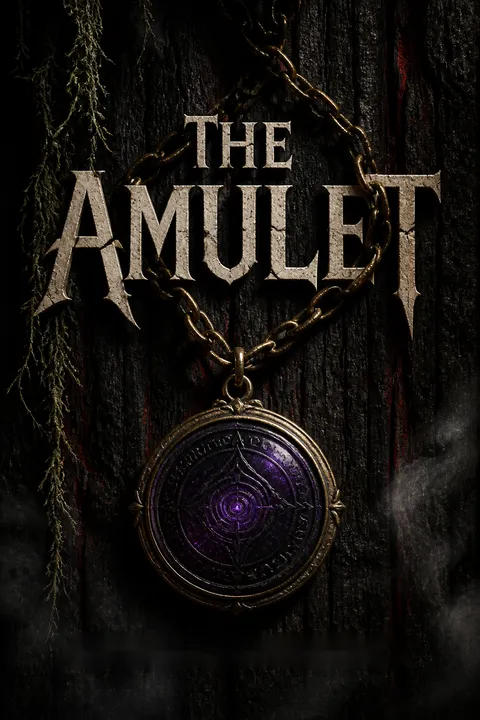
Jo Howell, Dean's mother, is a figure of immense spite and manipulation. Her life has been marked by loss, hard labor, and a burning sense of injustice. She blames everyone—Sarah, the factory, the town—for Dean's fate, and her bitterness becomes a force of its own. Jo's relationship with Sarah is toxic, filled with passive-aggressive demands and veiled threats. When Jo produces a strange amulet, claiming it is a gift for a neighbor, it is clear that her desire for revenge has found a new outlet. The amulet, a mysterious object with no clear origin, becomes the vessel for Jo's rage.
Dean's Ruin, Sarah's Burden
Dean returns home, his body and mind shattered. Sarah is thrust into the role of caretaker, trapped between her invalid husband and her domineering mother-in-law. The household is suffocating, filled with Jo's complaints and Dean's silent suffering. Sarah's dreams of a better life are crushed under the weight of obligation and poverty. Her only escape is her friendship with Becca, whose superstitions and humor provide a fragile shield against despair. The amulet, now in circulation, begins to weave its deadly influence, as Jo's need for vengeance infects the lives of those around her.
The Amulet's First Gift
Jo gives the amulet to Larry Coppage, Dean's former friend and factory supervisor, claiming it is a gift for his wife Rachel. The amulet, a gold and black disc on a chain, is passed from hand to hand with little thought. Rachel, upon wearing it, is overcome by a sudden, inexplicable rage toward her family. That night, the Coppage house is consumed by fire, killing Larry, Rachel, and their five children. The town is shocked by the tragedy, but no one suspects the true cause. The amulet's journey has begun, and its curse will not be easily stopped.
Fire Consumes the Coppages
The Coppage fire devastates Pine Cone, leaving the community reeling. The deaths are inexplicable—why did no one escape?—and rumors swirl. Sarah, haunted by the memory of Jo giving the amulet to Larry, begins to suspect a connection. Becca, ever superstitious, is quick to believe in the amulet's power, while Sarah struggles with doubt and guilt. The amulet, thought destroyed in the fire, resurfaces among the ruins, found by a child and passed on to the next unsuspecting victim. The cycle of violence and death continues, as the town's secrets fester.
Death Spreads Like Rot
The amulet passes from the Coppage ruins to the Shirley family, where it brings madness and murder. Thelma Shirley, driven by a sudden, inexplicable rage, kills her husband James with an ice pick before dying herself in a freak accident. Their orphaned daughter Mary is left traumatized, and the town is gripped by fear and confusion. The deaths are senseless, motiveless, and increasingly brutal. The amulet's influence spreads like a contagion, infecting those who come into contact with it, while Sarah and Becca struggle to piece together the pattern.
The Amulet's Journey
The amulet moves from hand to hand, each new owner meeting a grisly fate. Dorothy Sims, James Shirley's sister, inherits the amulet and soon murders her husband before dying in a car accident. The Weavers, a kindly farm couple, become the next victims when Merle Weaver finds the amulet and is killed by her own pigs. The object seems to seek out the vulnerable, the resentful, the angry—amplifying their darkest impulses. Sarah, increasingly convinced of the amulet's power, becomes obsessed with tracking it down, desperate to break the cycle of death.
Madness in the Shirley House
The black community is not spared the amulet's curse. Audrey Washington, a teenage babysitter, receives the amulet from her father and, in a fit of madness, kills the white child in her care before dying herself. The town is thrown into racial tension and grief, as the boundaries between black and white suffering blur. The funerals pile up, and the sense of doom deepens. Sarah, now certain that Jo and Dean are somehow responsible, confronts her mother-in-law, but Jo deflects blame, insisting the amulet was just a trinket. The truth remains elusive, and the deaths continue.
The Chain of Violence
The amulet finds its way to Ruby, a beautician, who kills her friend Martha-Ann in a grotesque act before dying herself. The violence becomes more senseless, more surreal, as if the amulet is feeding on the town's collective misery. Sarah, exhausted and traumatized, collapses under the weight of guilt and fear. Becca, her only ally, tries to protect her, but the curse is relentless. The sheriff, finally convinced of the amulet's connection to the deaths, joins the search, but the object remains elusive, slipping from hand to hand, leaving destruction in its wake.
The Amulet's Toll Grows
As the death toll rises, Sarah's resolve hardens. She confronts Jo, demanding to know the truth about the amulet, but Jo remains evasive, hiding behind lies and half-truths. The factory, the town's lifeblood, becomes the final stage for the amulet's wrath. Becca, unwittingly in possession of the object, is killed in a horrific accident at the plant, triggering a catastrophic chain reaction. The factory is destroyed, and the town is left in ruins. Sarah, now alone, realizes that the only way to end the curse is to destroy the amulet once and for all.
The Weaver Tragedy
The amulet's journey through the Weaver farm and the black community underscores its indiscriminate malice. Good people, innocent of any wrongdoing, are caught in its web and destroyed. The deaths become more grotesque, more arbitrary, as if the object is feeding on the town's pain. The community, both black and white, is united in grief and confusion, unable to comprehend the senselessness of the violence. The amulet's power is revealed not as supernatural vengeance, but as a catalyst for the darkest impulses lurking in every heart.
The Amulet Among Strangers
The amulet's final victims are those farthest from its origin—strangers, outsiders, the innocent. Its power is not in the object itself, but in the hatred, resentment, and despair it awakens in those who possess it. The town is left shattered, its people traumatized and broken. Sarah, having survived the ordeal, is forever changed, her innocence lost. The amulet, finally destroyed in the factory fire, leaves behind a legacy of pain and loss that will haunt Pine Cone for generations.
The Black Community's Grief
The black community's experience of the amulet's curse mirrors that of the white community, revealing the universality of suffering and the futility of blame. The funerals, the grief, the search for meaning—all are shared across the color line. The amulet's power is not in its material form, but in the way it amplifies the town's divisions and resentments. In the end, the only hope for healing lies in the recognition of shared pain and the rejection of the cycle of vengeance.
The Final Reckoning
In the aftermath of the factory's destruction and Becca's death, Sarah confronts Jo one last time. The truth is laid bare: the amulet was never just an object, but a manifestation of Jo's hatred and the town's collective guilt. Dean, the silent center of the storm, is finally released from his suffering. Sarah, having destroyed the amulet, is left to pick up the pieces of her shattered life. Pine Cone, scarred and diminished, must reckon with the legacy of violence and the possibility of redemption. The curse is broken, but the wounds remain.
Analysis
Michael McDowell's The Amulet is a masterwork of Southern Gothic horror, using the device of a cursed object to explore the corrosive effects of resentment, guilt, and vengeance in a small, divided community. The amulet itself is less a supernatural force than a mirror, reflecting and amplifying the darkness already present in Pine Cone. The novel's relentless chain of violence exposes the fragility of social bonds and the ease with which ordinary people can be driven to madness and murder. McDowell's refusal to explain the amulet's origin or power heightens the sense of existential dread, suggesting that evil is not an external force but an inescapable part of the human condition. The novel's depiction of racial and class divisions, its unflinching portrayal of domestic misery, and its dark humor make it both a gripping horror story and a profound meditation on the nature of suffering and the possibility of redemption. In the end, The Amulet warns that the true curse is not in any object, but in the wounds we inflict on one another—and the refusal to forgive.
Review Summary
The Amulet receives generally positive reviews, averaging 3.92/5. Readers praise McDowell's atmospheric Southern Gothic setting, vivid characters, and creative, gruesome deaths. Many compare it favorably to Stephen King's work. Common criticisms include repetitiveness in the middle section, a rushed ending, and underdeveloped central characters. The cursed necklace premise draws comparisons to Final Destination. Reviewers frequently highlight the novel's strong opening chapters, dark humor, and authentic Alabama dialogue, with many noting it as an impressive debut despite some structural weaknesses.
People Also Read



Characters
Sarah Howell
Sarah is the novel's protagonist, a young woman whose life is upended by her husband Dean's catastrophic injury. Forced into the role of caretaker for both Dean and her spiteful mother-in-law Jo, Sarah embodies endurance and quiet strength. Her intelligence and sensitivity set her apart in Pine Cone, but also isolate her. As the amulet's curse unfolds, Sarah becomes increasingly obsessed with understanding and stopping it, even as she is consumed by guilt and fear. Her friendship with Becca is her only solace, and her journey is one of reluctant heroism—fighting not just for her own survival, but for the soul of her community. By the end, Sarah is forever changed, her innocence lost, but her resolve unbroken.
Jo Howell
Jo is Dean's mother and Sarah's tormentor, a woman hardened by loss, poverty, and a lifetime of perceived slights. Her malice is both personal and generational, rooted in a sense of injustice that has curdled into hatred. Jo's relationship with Sarah is toxic, defined by manipulation and passive-aggressive cruelty. The amulet becomes the vessel for her desire for revenge, and though she never admits to its power, her actions set the curse in motion. Jo is both a victim and a perpetrator, her pain transformed into a force that destroys everyone around her. In the end, she is left alone, her vengeance having consumed all she loved.
Dean Howell
Dean is the tragic center of the novel, a young man destroyed by war before he ever leaves home. His injury renders him helpless, a living corpse cared for by Sarah and Jo. Dean's silence and immobility make him both an object of pity and a symbol of the town's collective guilt. As the amulet's curse unfolds, Dean becomes a passive participant in the violence, his suffering used as justification for Jo's revenge. His presence haunts the narrative, a reminder of the cost of hatred and the futility of vengeance.
Becca Blair
Becca is Sarah's neighbor and closest friend, a woman whose humor and superstition provide a fragile shield against the darkness of Pine Cone. Her kindness and loyalty make her a rare source of comfort for Sarah, and her willingness to believe in the amulet's power gives voice to the town's unspoken fears. Becca's death at the factory is both a personal tragedy and the catalyst for the story's climax, forcing Sarah to confront the curse head-on. Becca represents the possibility of solidarity and understanding in a world defined by suspicion and division.
Larry Coppage
Larry is Dean's former friend and the factory supervisor who unwittingly becomes the amulet's first victim. His guilt over Dean's fate and his desire to make amends lead him to accept Jo's "gift," setting the curse in motion. Larry's death, along with his family's, is the first in a series of inexplicable tragedies that shake Pine Cone to its core. Larry embodies the town's capacity for both kindness and complicity, his fate a warning of the dangers of unresolved guilt.
Rachel Coppage
Rachel is Larry's wife, a woman whose dissatisfaction with her life is amplified by the amulet's influence. Her sudden, violent rage toward her family is the first clear sign of the object's power. Rachel's death, along with her children's, marks the beginning of the town's descent into chaos. She represents the vulnerability of those who are already on the edge, and the ease with which ordinary frustrations can be transformed into violence.
Thelma Shirley
Thelma is the wife of police officer James Shirley, a woman whose simmering resentments are unleashed by the amulet. Her murder of her husband is both shocking and senseless, a manifestation of the curse's ability to turn ordinary people into killers. Thelma's subsequent accidental death underscores the randomness of the violence, and her orphaned daughter Mary becomes a symbol of the town's collective loss.
Dorothy Sims
Dorothy is James Shirley's sister, a woman whose acquisition of the amulet leads her to murder her husband and die in a car accident. Dorothy's actions are inexplicable, her violence both personal and arbitrary. She represents the way the curse spreads through families and communities, infecting even those who seem far removed from its origin.
Merle Weaver
Merle is a kindly farm wife who becomes the amulet's next victim after finding it on her property. Her death, trampled by her own pigs, is both grotesque and senseless, highlighting the curse's indiscriminate malice. Merle's fate underscores the novel's central theme: that evil, once unleashed, cannot be contained or controlled.
Audrey Washington
Audrey is a teenage babysitter in the black community who receives the amulet from her father and, in a fit of madness, kills the white child in her care before dying herself. Audrey's story brings the curse into the black community, revealing the universality of suffering and the futility of blame. Her death, and the grief it causes, unites the town in shared pain, even as it deepens the sense of despair.
Plot Devices
The Cursed Object
The amulet is the novel's central plot device, a mysterious object with no clear origin or explanation. Its power is never fully defined, but its effects are unmistakable: those who possess it are driven to violence, madness, and death. The amulet serves as a catalyst for the town's darkest impulses, amplifying resentment, guilt, and hatred. Its journey from hand to hand is both literal and symbolic, tracing the spread of evil through a community already primed for destruction. The amulet's lack of origin or rationale makes it all the more terrifying, a blank vessel for the projection of blame and the enactment of vengeance.
Chain Reaction Structure
The novel's narrative is structured as a chain reaction, with each death leading inexorably to the next. The amulet's passage from victim to victim creates a sense of inevitability, as if the town is caught in a trap of its own making. This structure heightens the sense of dread and helplessness, as characters struggle to break the cycle but are repeatedly thwarted. The use of foreshadowing—hints of impending doom, unexplained rages, and sudden accidents—builds tension and reinforces the theme of inescapable fate.
Southern Gothic Atmosphere
The setting of Pine Cone, Alabama, is rendered in vivid, oppressive detail, its poverty, racial divisions, and simmering violence creating a perfect breeding ground for horror. The novel's tone is steeped in Southern Gothic tradition, with its focus on twisted family relationships, decaying institutions, and the ever-present threat of violence. Superstition and religious fervor coexist with hypocrisy and cruelty, creating a world in which evil is both mundane and supernatural.
Psychological Horror
The novel's horror is as much psychological as it is physical. The amulet's influence is never fully explained, leaving characters and readers alike to question the nature of evil and the limits of personal responsibility. The descent into madness, the eruption of long-suppressed resentments, and the collapse of social order are all explored with unflinching realism. The ambiguity of the amulet's power—whether it is truly supernatural or simply a catalyst for human weakness—adds to the novel's unsettling effect.
About the Author
Other books by Michael McDowell



Download PDF
Download EPUB
.epub digital book format is ideal for reading ebooks on phones, tablets, and e-readers.








































