
Plot Summary
The Book Witch's Calling
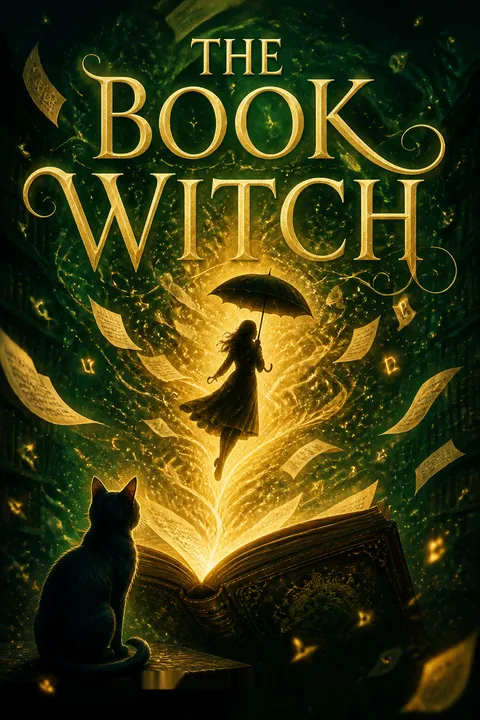
Rainy March, a young Book Witch, lives for stories—her family's legacy is to protect the worlds within books. Raised by her grandfather after her mother's mysterious death, Rainy's life is shaped by the rules of her coven: protect stories, never fall in love with fictional characters, and never let fiction and reality mix. Her familiar, Koshka, a clever Russian Blue cat, is her constant companion. Rainy's world is a blend of the mundane and the magical, where books are portals and threats to stories are real. When a call comes in about a crisis in her favorite detective series, Rainy's devotion to stories and her longing for connection set her on a path that will test every rule she's ever learned.
Into Fiction's Heart
Tasked with saving the Duke of Chicago, Rainy immerses herself into the noir world of 1930s Chicago. Disguised and determined, she navigates the smoky speakeasies and shadowy alleys, her heart pounding with both fear and excitement. The Duke, a fictional detective she's adored since adolescence, is in peril—his story is literally vanishing, pages turning blank. Rainy's mission is clear: restore the narrative and rescue the Duke. But as she steps deeper into fiction, the boundaries between reader and character blur, and Rainy finds herself not just saving a story, but becoming part of it in ways she never imagined.
The Duke of Chicago
Rainy's encounter with the Duke is electric—he's as charming and sharp as she dreamed, but also self-aware, witty, and unexpectedly vulnerable. Their chemistry is immediate, and the Duke's flirtation is both a dream come true and a dangerous temptation. Together, they unravel the plot's sabotage, facing off against Burners—enemies who destroy stories from within. Rainy's knowledge of the Duke's world proves invaluable, but her emotional investment complicates the mission. The Duke's growing awareness of his own fictionality threatens the fabric of his story, and Rainy must balance her heart's desires with her duty as a Book Witch.
Rules, Risks, and Romance
Rainy's feelings for the Duke intensify, challenging the strict rules of her coven. The Black and Whites—her order's commandments—warn against attachments to fictional characters, but Rainy's connection with the Duke is undeniable. As they work together to restore the story, their partnership deepens into romance. Rainy faces the risk of losing herself in fiction, while the Duke, now aware of his own story, yearns for something real. Their love is both a rebellion and a revelation, forcing Rainy to question the boundaries between fiction and reality, and what it means to truly belong.
Burners and Blank Pages
The Burners, zealots who believe only "great" literature should survive, threaten to erase entire worlds. Their attacks leave books blank, characters lost, and memories fading. Rainy and the Duke confront X, a Burner determined to destroy the Duke's series. The confrontation is tense and dangerous, with Rainy using her wits and magic to outmaneuver X. The stakes are existential—not just for the Duke, but for every reader who ever found solace in his stories. Rainy's courage and the Duke's newfound agency turn the tide, but not without cost. The battle leaves scars, both literal and emotional.
Saving the Story
With the Duke's story saved, Rainy returns to her world, but the victory is bittersweet. The rules demand separation—fictional characters must remain in their books, and Rainy is forced to say goodbye to the Duke. The pain of loss is acute, and Rainy's longing for the Duke lingers. Her actions have consequences: her coven's leader, Dr. Fanshawe, punishes her for breaking protocol, confiscating her beloved books and restricting her magic. Rainy is left to grapple with heartbreak, guilt, and the realization that her love for the Duke has changed her forever.
Forbidden Love Unleashed
Despite the rules, Rainy and the Duke find ways to reunite—sometimes through dreams, sometimes by bending the laws of magic. Their secret romance flourishes in stolen moments, each encounter more precious for its fragility. But their happiness is precarious; the more Rainy pulls the Duke into her world, the more his stories unravel. When their love is discovered, the consequences are severe: Rainy is separated from the Duke, her books seized, and her future as a Book Witch thrown into doubt. The cost of loving a fictional character becomes heartbreakingly clear.
The Price of Breaking Rules
Rainy's punishment is harsh—she's assigned menial tasks, her magical tools taken, and her reputation tarnished. Isolated and grieving, she throws herself into work, mending forgotten books and cataloging lost stories. Yet even in exile, Rainy's compassion shines. She helps Elizabeth Bennet return to Pride and Prejudice, reminding herself and others of the power of stories to heal and inspire. Rainy's longing for the Duke never fades, but she learns that love, even when forbidden, leaves an indelible mark. Her journey becomes one of self-forgiveness and quiet resilience.
The Mystery Deepens
Rainy's world is upended when her mother's only legacy—a battered copy of The Secret of the Old Clock—is stolen, and her beloved grandfather vanishes on a mysterious mission. Clues point to a deeper conspiracy, one that ties Rainy's family history to the very fabric of fiction. With the Duke's unexpected return and the help of her loyal friends, Rainy embarks on a quest to unravel the secrets of her past. The search leads her through layers of stories, hidden messages, and the realization that her own origins are more extraordinary than she ever imagined.
The March Hare's Riddle
Guided by cryptic clues—"Find the March Hare"—Rainy and the Duke journey through Wonderland, Gatsby's library, and the enchanted forests of fiction. Each step brings them closer to the truth about Rainy's mother, her own half-fictional nature, and the inheritance left for her. The March Hare's identity is a puzzle, one that forces Rainy to confront the boundaries of her own story. Along the way, she discovers allies in unexpected places, including her "twin" Penny, and learns that the answers she seeks are hidden in plain sight, waiting for her to claim them.
Through the Looking-Glass
Rainy's search leads her through the looking-glass—literally—into a hall of mirrors where she meets her creator, Maxine Blake. Here, the lines between fiction and reality dissolve. Rainy learns she is a character in a beloved series, her life shaped by the pen of a writer who loved her fiercely. Maxine, facing her own mortality, entrusts Rainy with a final mission: to ensure her story continues. Rainy must convince a new writer to take up the mantle, to finish the tale and give her—and her world—a future. The revelation is both shattering and liberating.
The Writer's Last Wish
Maxine's final wish is for her stories to live on, for Rainy to have the chance at happiness and self-determination. In a poignant, metafictional encounter, Rainy witnesses the impact her stories have had on readers, the power of fiction to change lives. She attends Maxine's funeral in the real world, meets the next chosen writer, and delivers the message that stories matter—that they are acts of love and hope. Rainy's journey becomes a testament to the enduring bond between creator and creation, and the responsibility of storytellers to their characters and readers alike.
The Truth of Rainy March
The final pieces of Rainy's identity fall into place: she is the daughter of a real Book Witch and a fictional character—Nancy Drew's father, Carson Drew. Her "twin," Penny, is Nancy herself, and their bond is both literal and symbolic. Rainy's mother's legacy was not just a book, but the gift of belonging to both worlds. With her grandfather found and her family reunited, Rainy embraces her dual nature. She is both real and fictional, a bridge between worlds, and her story is one of chosen family, resilience, and the courage to claim her place in the narrative.
Sisterhood and Self-Discovery
Rainy and Nancy's reunion is joyful and bittersweet. Together, they reflect on the losses and longings that shaped them—mothers gone too soon, fathers who loved imperfectly, and the ache of being both part of a story and apart from it. Their sisterhood is a source of strength, a reminder that even in fiction, love and grief are real. Rainy learns that self-discovery is an ongoing journey, one that requires vulnerability, honesty, and the willingness to rewrite one's own story. With Nancy's support, Rainy finds the courage to forgive, to hope, and to move forward.
The Power to Rewrite
Empowered by her half-fictional nature, Rainy discovers she can change stories from within. She uses this power to protect those she loves, to defeat her enemies, and to heal old wounds. But with great power comes great responsibility—Rainy must choose when to intervene and when to let stories unfold. Her journey is one of learning to balance agency with humility, to honor the past while embracing the future. Rainy's ability to rewrite is not just magical, but metaphorical—a call to every reader and writer to claim their own narrative, to become the heroes of their own lives.
The Final Confrontation
Rainy's showdown with X, the Burner, is both thrilling and cathartic. Armed with her newfound power and the support of her family and friends, she banishes X to literary oblivion, ensuring the safety of stories for generations to come. With the threat vanquished, Rainy is free to choose her own path. She reunites with the Duke, their love now sanctioned by the new rules of her coven. Together, they embark on a new adventure—partners in both mystery and romance, rewriting the rules and forging a future where love and stories endure.
Stories That Save
Rainy's journey comes full circle as she witnesses the impact of her stories on readers. From the librarian who finds solace in her books to the aspiring writer inspired to continue her legacy, Rainy sees that stories are more than entertainment—they are lifelines, sources of hope, and acts of resistance against despair. The Book Witch's true magic is not in spells or charms, but in the ability to touch hearts, to change minds, and to remind us that we are never alone. Rainy's story is a love letter to readers, writers, and the enduring power of fiction.
A New Chapter Begins
With mysteries solved and hearts mended, Rainy steps into a new chapter—one where she is both Book Witch and beloved, daughter and sister, reader and writer. Her world is richer for its scars, her family larger for its losses and gains. The Duke and Rainy's love story is given new life in a long-lost manuscript, and Rainy's adventures continue in the hands of a new writer. The boundaries between fiction and reality remain porous, and Rainy's legacy is secure: as long as there are stories, there will be Book Witches to protect them, and readers to keep them alive.
Analysis
A celebration of stories, identity, and the power of fictionThe Book Witch is a love letter to readers, writers, and the enduring magic of stories. Through Rainy March's journey, the novel explores the porous boundaries between fiction and reality, the responsibilities of creators, and the agency of characters. It interrogates the rules that govern both magic and narrative, ultimately arguing for compassion, flexibility, and the courage to rewrite one's own story. The metafictional structure invites readers to reflect on their own relationship with books—how stories shape us, save us, and connect us across time and space. The novel is also a meditation on grief, legacy, and the longing for belonging, offering hope that even in loss, new chapters await. In an era of book bans and cultural upheaval, The Book Witch is a timely reminder that stories are acts of resistance, resilience, and love—and that as long as there are readers, the magic will never end.
Review Summary
The Book Witch is a whimsical, imaginative novel that resonates deeply with book lovers. Most reviewers praised its unique premise—a witch who jumps into stories to protect them—along with charming characters like Rainy March, the Duke of Chicago, and cat familiar Koshka. The opening line, "All stories are love stories if you love stories," became a touchstone for many. Common criticisms included a rushed or convoluted ending and occasional underdeveloped characters. Overall, readers found it cozy, fun, and emotionally resonant, with the majority rating it four or five stars.
People Also Read






Characters
Rainy March
Rainy March is the protagonist—a Book Witch whose life is defined by her love of stories and her duty to protect them. Raised by her grandfather after her mother's mysterious death, Rainy is both vulnerable and fiercely brave. Her longing for connection leads her to break the rules of her coven, falling in love with the fictional Duke of Chicago. Rainy's journey is one of self-discovery, as she learns she is the daughter of a real Book Witch and a fictional character, making her a bridge between worlds. Her compassion, wit, and resilience drive the narrative, and her growth is marked by her willingness to challenge authority, embrace her dual nature, and claim agency over her own story.
The Duke of Chicago (Nick Duke)
The Duke is Rainy's favorite fictional detective—handsome, witty, and deeply principled. Initially unaware of his own fictionality, the Duke becomes self-aware through Rainy's intervention, leading to existential questions and a longing for real connection. His romance with Rainy is both a dream fulfilled and a source of conflict, as their love threatens the integrity of his stories. The Duke's character arc is one of transformation—from a static hero to a partner capable of growth, vulnerability, and rebellion against narrative constraints. His devotion to Rainy and his willingness to risk everything for love make him a compelling and memorable figure.
Koshka
Koshka, Rainy's Russian Blue cat, is more than a pet—he's a magical familiar who can read, communicate, and assist in magical tasks. Koshka provides comic relief, emotional support, and practical help throughout Rainy's adventures. His presence grounds Rainy, reminding her of home and the importance of loyalty. Koshka's ability to navigate both the real and fictional worlds makes him an indispensable ally, and his bond with Rainy is a testament to the power of chosen family.
Pops (Sullivan March)
Pops is Rainy's grandfather and mentor, the first Book Witch in the family. He embodies wisdom, patience, and unconditional love, guiding Rainy through her trials and supporting her even when she breaks the rules. Pops' own grief over the loss of his daughter and wife shapes his relationship with Rainy, making him both protective and proud. His disappearance and subsequent rescue are central to the plot, and his faith in Rainy's abilities is a source of strength for her.
Dr. Regina Fanshawe
Dr. Fanshawe is the formidable head of the Ink and Paper Coven, enforcing the Black and Whites with an iron will. She represents the dangers of rigidity and the fear of change, punishing Rainy for her transgressions and seeking to maintain order at all costs. Yet her actions are motivated by a genuine desire to protect stories, and her eventual downfall signals a shift toward a more compassionate and flexible approach to magic and narrative.
Penny Nichols / Nancy Drew
Penny, Rainy's apprentice friend, is revealed to be none other than Nancy Drew herself—Rainy's half-sister and the daughter of Carson Drew. Clever, brave, and endlessly curious, Nancy orchestrates much of the mystery, guiding Rainy toward self-discovery. Their bond is both literal and symbolic, representing the power of sisterhood and the importance of chosen family. Nancy's willingness to bend the rules for Rainy's sake highlights her loyalty and ingenuity.
Maxine Blake
Maxine is the author of the Book Witch series and, in a metafictional twist, Rainy's creator. Facing her own mortality, Maxine brings Rainy into her imagination, entrusting her with the future of the stories. Maxine's love for her characters and her readers is palpable, and her final wish is for her stories to endure. Her relationship with Rainy is complex—part mother, part god, part friend—and her legacy is the enduring power of fiction to heal, inspire, and connect.
X (The Burner)
X is the primary antagonist—a Burner who believes only "great" literature deserves to survive. His attacks on stories threaten the existence of beloved characters and worlds. X's rigidity and intolerance are a foil to Rainy's compassion and openness. His defeat is both a literal and symbolic victory for the power of stories to resist erasure and censorship.
Jessa Charming
Jessa is the chosen successor to Maxine Blake, a writer inspired by Rainy's adventures. Her struggle with self-doubt and the weight of legacy mirrors Rainy's own journey. Jessa's decision to continue the Book Witch series ensures the survival of Rainy's world and the possibility of new stories. Her character represents the importance of passing the torch, of honoring the past while embracing the future.
Carson Drew
Carson Drew, Nancy's father and Rainy's biological father, is a symbol of home, stability, and the enduring bonds of family. His presence in Rainy's life, even before she knows the truth, provides comfort and a sense of belonging. The revelation of their relationship is a turning point for Rainy, allowing her to reconcile her dual nature and claim her place in both worlds.
Plot Devices
Metafiction and Story-Within-Story
The novel employs metafictional techniques, with characters aware of their own fictionality and the author appearing as a character. Rainy's journey through books within books, her encounters with her creator, and the recursive structure of stories referencing other stories all serve to blur the lines between fiction and reality. This device allows for commentary on the nature of storytelling, the responsibilities of writers, and the agency of characters. It also enables the narrative to explore themes of legacy, authorship, and the power of stories to shape identity.
Magical Realism and Portal Fantasy
Magic in the novel is both literal and symbolic—umbrellas as wands, books as portals, and spells as acts of love and protection. The rules governing magic mirror the rules of narrative, and breaking them has real consequences. Portal fantasy elements allow Rainy to move between worlds, each with its own logic and dangers. The magical realism grounds the fantastical in emotional truth, making Rainy's journey both extraordinary and deeply relatable.
Foreshadowing and Clues
The narrative is structured as a mystery, with clues seeded throughout—cryptic messages, hidden inheritances, and the recurring motif of the March Hare. Foreshadowing builds suspense and rewards attentive readers, while red herrings and misdirection keep the plot engaging. The gradual unveiling of Rainy's origins, the identity of the March Hare, and the true nature of her inheritance create a satisfying sense of discovery and resolution.
The Power of Names and Identity
Names in the novel carry weight—Rainy March, Penny Nichols, Nancy Drew, the Duke of Chicago—all are puns, references, or clues to deeper truths. The revelation of Rainy's parentage and her connection to Nancy Drew is foreshadowed by names and mirrored in the structure of the story. Identity is fluid, shaped by stories, relationships, and choices, and the act of naming becomes an act of claiming one's place in the world.
Thematic Repetition and Intertextuality
The novel is rich with references to classic mysteries, children's literature, and genre conventions. Each book Rainy enters is both a homage and a commentary on the stories that shaped her—and us. The repetition of motifs (mirrors, umbrellas, clocks, hares) reinforces the interconnectedness of stories and the cyclical nature of narrative. Intertextuality deepens the emotional resonance, inviting readers to see themselves in the stories they love.
Download PDF
Download EPUB
.epub digital book format is ideal for reading ebooks on phones, tablets, and e-readers.








































