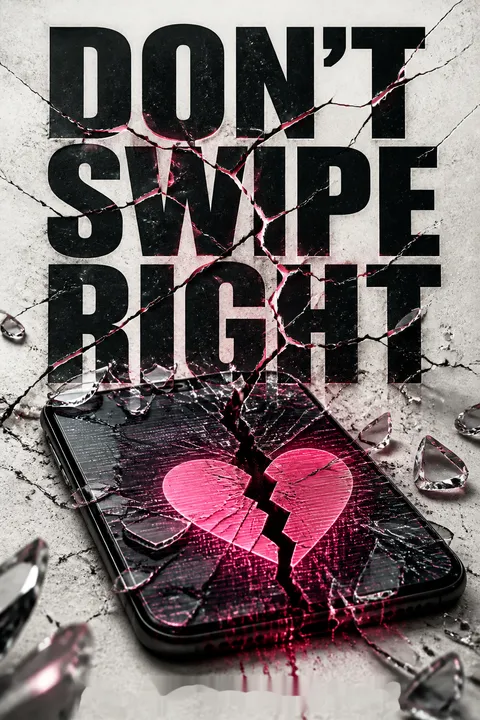

Plot Summary
Hen Night from Hell
Gwen, still reeling from a recent breakup, is forced to host her best friend Sarah's hen night at a tacky club. Her plans are hijacked by Sarah's old friends, and the night devolves into awkward games and forced fun. Gwen escapes to the bathroom, seeking solace in the dating app Connector, desperate for distraction from her loneliness and Sarah's impending marriage. The party is a painful reminder of her own failed relationship and the looming end of her shared life with Sarah. Gwen's attempts to mask her pain with humor and Bellinis only highlight her sense of isolation, setting the stage for the emotional and literal dangers to come.
Swiping for Distraction
Gwen's reliance on Connector becomes clear as she uses it to avoid her feelings about Sarah's wedding and her own heartbreak. She matches with Parker, a seemingly charming stranger, and messages him for an excuse to leave the party. The app is both a lifeline and a trap, offering fleeting hope but mostly disappointment. Gwen's swiping is a symptom of her avoidance, and her interactions with Sarah reveal the cracks in their friendship. The night ends with Gwen sending a message to Parker, unknowingly setting off a chain of events that will entangle her in a web of danger, suspicion, and murder.
A Date Turns Deadly
Gwen's world is rocked when she learns that Rob, a man she recently dated, has been found dead in a park. The news comes via a cryptic message from Parker, sending Gwen into a spiral of fear and guilt. She recalls her awkward, drunken date with Rob, who seemed troubled and hinted at being blackmailed. The revelation that Rob is dead—and that Gwen was one of the last people to see him alive—marks the beginning of a terrifying pattern. Gwen's anxiety intensifies as she realizes her dating life is now a police matter, and her past choices may have deadly consequences.
The Connector Pattern
Gwen is questioned by police after another of her recent dates, Freddie, is also found dead. The detectives, Lyons and Forrester, are suspicious of Gwen's connection to both victims, especially as messages from her are found on their phones. Gwen is forced to recount her awkward, disappointing dates, each ending with her blocking the men on Connector. The police begin to suspect a pattern, and Gwen's sense of paranoia grows. She starts to wonder if someone is targeting her matches—or if she herself is being set up as the killer.
Police at the Door
The police visit Gwen's flat, intensifying her fear and confusion. She is grilled about her interactions with Rob and Freddie, and her alibis are scrutinized. Gwen's attempts to explain her innocence are met with skepticism, especially as more evidence surfaces linking her to the victims. The detectives' questions force Gwen to confront her own behavior—her compulsive swiping, her avoidance of real intimacy, and her tendency to run from problems. The pressure mounts as Gwen realizes she is not just a witness, but a suspect in a murder investigation.
Suspect Number One
Gwen's world narrows as she becomes the prime suspect. Her friends and coworkers are questioned, and her every move is monitored. The police seize her phone, combing through her Connector messages for clues. Gwen's sense of isolation deepens, and she begins to doubt her own memory and judgment. The stress exposes the fractures in her relationships, especially with Sarah, who is preoccupied with her wedding. Gwen's desperation to clear her name leads her to investigate the deaths herself, putting her in even greater danger.
The Ex Files
As the police dig into Gwen's romantic history, her breakup with Noah is revealed to be more complicated than she admits. Flashbacks show Gwen's pattern of self-sabotage and avoidance, especially after her father's death. Her relationship with Noah was both a comfort and a crutch, and its end left her adrift. The guilt over her actions—and a secret she's hiding—haunt her as the investigation intensifies. Gwen's inability to move on from the past becomes both a psychological and literal threat to her survival.
Ghosts in the Machine
Gwen and Detective Lyons discover that Connector's algorithm has been manipulated. Someone is boosting certain men's profiles, ensuring Gwen matches with them. The app, designed to facilitate connection, has become a tool for stalking and murder. Gwen realizes she is being watched and targeted, her every swipe and message part of a larger, sinister game. The investigation leads to Jamal, a hacker who explains how the app's ranking system can be gamed. The revelation that someone close to Gwen could be behind the killings shakes her to the core.
The Napkin List
Gwen writes down the names of all the men she's dated recently, realizing that the killer is targeting them in the order she met them. The napkin list becomes both a clue and a symbol of her guilt and fear. As more men on the list are attacked or killed, Gwen races to warn the next potential victim. The police remain skeptical, and Gwen's credibility is undermined by her own erratic behavior. The list is a tangible reminder of the consequences of her actions—and the urgency of stopping the killer before it's too late.
Killer in the Algorithm
Gwen and Lyons uncover that the killer is using Connector to lure victims to the locations of Gwen's dates. The murders are not random, but meticulously planned to frame Gwen and cover up a personal vendetta. The investigation points to someone with intimate knowledge of Gwen's life and habits—someone close to her. The tension escalates as Gwen realizes the killer is manipulating not just the app, but her entire reality. The line between victim and suspect blurs, and Gwen must confront the truth about her relationships and herself.
Catfish and Red Herrings
Gwen suspects several people in her circle—Charlie, her coworker; Seb, a recent date; even Detective Lyons himself. Each new revelation leads to more confusion and mistrust. The killer's use of fake profiles and stolen identities makes it nearly impossible to know who to trust. Gwen's investigation uncovers layers of deception, including blackmail, infidelity, and hidden motives. The sense of paranoia is heightened by the realization that the killer is always one step ahead, using Gwen's own secrets against her.
The Bowling Alley Trap
Gwen tracks the next victim to a bowling alley, only to walk into a trap set by the killer. She narrowly escapes with the help of Lyons, but not before witnessing another brutal attack. The encounter confirms that the killer is someone who knows Gwen intimately, able to anticipate her moves and exploit her weaknesses. The police close in on Charlie, but Gwen remains unconvinced of his guilt. The true killer's identity remains elusive, and the danger escalates as the wedding approaches.
The Ferris Wheel Finale
The climax unfolds at the Ferris wheel, where Gwen races to save the final name on her list. In a chaotic confrontation, the killer is unmasked—not a stranger, but someone Gwen trusted completely. The revelation is both shocking and inevitable, forcing Gwen to confront the consequences of her actions and the depth of her denial. The final showdown is a test of Gwen's courage and resourcefulness, as she must outwit the killer and save herself and those she loves.
The Truth About Noah
The emotional heart of the story comes to light as Gwen confesses the real reason for her breakup with Noah. Her guilt over a drunken mistake with Sarah's fiancé, Richard, has haunted her, shaping her self-destructive behavior and inability to move on. The revelation brings catharsis and pain, as Gwen must face the fallout of her actions and the impact on her friendships. The truth is both liberating and devastating, forcing Gwen to accept responsibility and seek forgiveness.
The Best Friend's Secret
In a devastating twist, it is revealed that Sarah, Gwen's best friend, is the killer. Driven by jealousy, heartbreak, and a sense of betrayal, Sarah orchestrated the murders to frame Gwen and punish those she saw as threats to her happiness. The confrontation between Gwen and Sarah is emotionally charged, blending love, anger, and regret. The complexity of female friendship, loyalty, and rivalry is laid bare, and Gwen must make an impossible choice to save herself and those she cares about.
The Final Swipe
In the aftermath of the confrontation, Gwen chooses compassion over vengeance, allowing Sarah to escape rather than face certain imprisonment. The decision is both an act of forgiveness and a recognition of their shared pain. Gwen's willingness to take responsibility for her actions and let go of the past marks a turning point in her journey. The story ends with Gwen beginning to heal, reconnecting with Noah and opening herself to the possibility of new love and a future beyond the app.
Here If You Need
Gwen reflects on the lessons learned from her ordeal—the dangers of avoidance, the importance of honesty, and the power of friendship. She deletes Connector, symbolically breaking free from the cycle of distraction and self-sabotage. Surrounded by the remnants of her old life, Gwen embraces the uncertainty of the future with humor and resilience. The final message is one of hope: that even after betrayal, heartbreak, and loss, it is possible to start again, stronger and wiser than before.
Analysis
A darkly comic, modern cautionary tale about connection, avoidance, and the dangers of digital intimacy
Swiped is both a gripping thriller and a sharp social satire, using the conventions of the murder mystery to explore the complexities of modern relationships. The novel interrogates the ways technology mediates our search for love, exposing the vulnerabilities and risks inherent in digital connection. At its heart, the story is about the consequences of avoidance—how running from pain, guilt, and responsibility only deepens our wounds. Gwen's journey from distraction and denial to honesty and self-acceptance is mirrored in the unraveling of the murder plot, where the true danger lies not in strangers, but in the secrets we keep from those closest to us. The book's ultimate message is one of hope: that even after betrayal and heartbreak, it is possible to begin again, stronger and wiser. Swiped is a timely reminder that real connection requires courage, vulnerability, and the willingness to face the truth—about others, and about ourselves.
People Also Read



Characters
Gwen Turner
Gwen is the protagonist, a barista and failed entrepreneur whose life is in freefall after a painful breakup. Her humor masks deep insecurity and unresolved grief over her father's death. Gwen's compulsive use of dating apps is both a symptom and a cause of her emotional turmoil, as she seeks distraction from her loneliness and guilt. Her relationships are marked by avoidance and self-sabotage, especially with her ex, Noah, and best friend, Sarah. Gwen's journey is one of self-discovery, as she is forced to confront her mistakes, take responsibility, and find the courage to move forward. Her arc is defined by vulnerability, resilience, and the hard-won realization that true connection requires honesty—with others and herself.
Sarah
Sarah is Gwen's closest friend and the bride-to-be whose wedding sets the story in motion. Outwardly confident and organized, Sarah harbors deep insecurities and a history of romantic disappointment. Her friendship with Gwen is both a source of strength and a site of unresolved tension, especially after Gwen's betrayal with Richard. Sarah's sense of betrayal and loss drives her to orchestrate the murders, using her intelligence and organizational skills to manipulate Connector and frame Gwen. Her actions are fueled by a toxic mix of love, jealousy, and a desperate need for control. Sarah's arc is a tragic exploration of the dark side of female friendship and the consequences of unaddressed pain.
Noah
Noah is Gwen's ex-boyfriend, a kind and steady presence whose relationship with Gwen was both a comfort and a crutch. His breakup with Gwen is rooted in her inability to confront her own needs and mistakes. Noah's role in the story is both literal and symbolic—he represents the life Gwen is afraid to leave behind and the possibility of forgiveness and renewal. His vulnerability and enduring affection for Gwen make him both a victim and a catalyst for her growth. Noah's arc is one of quiet strength and the painful process of letting go.
Richard
Richard is Sarah's fiancé and the unwitting center of the story's web of betrayal. His affair with Gwen is the secret that sets the tragedy in motion, and his own insecurities and avoidance mirror Gwen's. Richard's attempts to hide his infidelity and his use of Connector for validation reveal his weakness and fear of commitment. He is both a victim and a perpetrator, caught between two women and unable to take responsibility for his actions. Richard's arc is a cautionary tale about the dangers of dishonesty and the ripple effects of selfish choices.
Detective Aubrey Lyons
Lyons is the detective assigned to the case, a former teacher with his own history of heartbreak and loss. His methodical, empathetic approach contrasts with Forrester's suspicion, and he becomes Gwen's confidant and eventual romantic interest. Lyons's own struggles with vulnerability and trust mirror Gwen's, and their relationship is built on mutual recognition of pain and the desire for redemption. Lyons's arc is one of professional and personal growth, as he learns to balance duty with compassion and opens himself to new possibilities.
Detective Chief Inspector Forrester
Forrester is the lead investigator, brusque and suspicious, quick to see Gwen as the prime suspect. His rigid approach and lack of empathy serve as a foil to Lyons and heighten Gwen's sense of isolation. Forrester's role is to embody the institutional suspicion and pressure that drive Gwen to take matters into her own hands. He represents the dangers of jumping to conclusions and the limitations of traditional authority in the face of complex, modern crimes.
Charlie Edwards
Charlie is Gwen's employee at the coffee van, a laid-back, quirky presence who provides support and levity. His own secrets and skills as a coder make him a plausible suspect, and his friendship with Gwen is tested by the investigation. Charlie's arc is one of mistaken suspicion and the importance of trust. He serves as a reminder that appearances can be deceiving and that even the most harmless-seeming people can have hidden depths.
Jamal (Maestro)
Jamal is a tech-savvy regular at Gwen's van who helps unravel the mystery of Connector's algorithm. His expertise exposes the vulnerabilities of the app and the dangers of digital manipulation. Jamal's role is to provide crucial information and comic relief, grounding the story's technological elements in relatable, human terms. His arc is one of redemption, as he uses his skills for good and helps Gwen navigate the digital labyrinth.
Seb
Seb is one of Gwen's final dates, a seemingly perfect match who is later revealed to be a false lead and a victim of the killer's manipulation. His duplicity and self-absorption mirror the dangers of online dating and the ease with which people can present false selves. Seb's arc is a cautionary tale about the risks of superficial connection and the consequences of deception.
Freddie
Freddie is another of Gwen's ill-fated matches, whose clinginess and inability to accept rejection make him both a figure of pity and a warning. His death is a turning point in the story, heightening the stakes and forcing Gwen to confront the real dangers lurking behind the screen. Freddie's arc is a reflection of the loneliness and longing that drive people to seek connection in all the wrong places.
Plot Devices
Dating App as Narrative Engine
The dating app Connector is the central plot device, serving as both a literal and metaphorical engine for the story. It facilitates connection, but also deception, manipulation, and murder. The app's algorithm, ranking system, and vulnerabilities are exploited by the killer to target victims and frame Gwen. Connector symbolizes the modern search for love and the risks of digital intimacy, blurring the line between public and private, real and virtual. The app's role as both matchmaker and weapon is a commentary on the double-edged nature of technology in contemporary relationships.
Unreliable Narration and Red Herrings
The narrative is structured to keep both Gwen and the reader in a state of uncertainty. Flashbacks, withheld secrets, and shifting suspicions create a sense of paranoia and suspense. Multiple characters are presented as plausible suspects, and the true killer's identity is concealed through misdirection and false leads. The use of unreliable narration reflects Gwen's own confusion and denial, heightening the emotional stakes and the impact of the final reveal.
The Napkin List as Foreshadowing
Gwen's handwritten list of dates serves as both a clue and a symbol. It foreshadows the order of the murders and becomes a tangible representation of her guilt and fear. The list is used by the killer to structure the crimes and by Gwen to track the danger. Its presence throughout the story ties together the personal and procedural elements, grounding the mystery in Gwen's emotional reality.
Female Friendship as Motive and Theme
The complex, often fraught relationship between Gwen and Sarah is the emotional core of the story. Their friendship is both a source of strength and the root of the tragedy, as unspoken resentments and betrayals fester beneath the surface. The story uses the conventions of the thriller to explore the darker aspects of female friendship—jealousy, competition, and the longing for validation. The final confrontation is as much about emotional reckoning as it is about physical survival.
Modern Whodunit Structure
The novel employs the structure of a traditional whodunit—multiple suspects, red herrings, a detective duo, and a climactic reveal—but updates it for the world of dating apps and social media. The investigation is both external (the hunt for the killer) and internal (Gwen's journey toward self-knowledge and accountability). The interplay between digital clues and emotional truths creates a layered, suspenseful narrative that resonates with contemporary anxieties about love, trust, and technology.
Download PDF
Download EPUB
.epub digital book format is ideal for reading ebooks on phones, tablets, and e-readers.








































