
Plot Summary
Closet Shadows and Survival
The story opens in the Arctic, where the unnamed narrator and her siblings cower in a closet, hiding from the chaos of adults returning from the bar. The home is filled with the heavy, suffocating love of an elder, the poison of alcohol, and the unpredictable violence of family. Even as a child, the narrator senses that love can be both a blessing and a curse, and that survival often means silence and invisibility. The world outside is harsh, but the world inside is unpredictable, and the children learn early to read the signs of danger, to find safety in small spaces, and to comfort each other in the darkness. This chapter sets the tone for a life shaped by trauma, resilience, and the complicated inheritance of pain and tenderness.
Spring Thaw, Childhood Dares
As the ice melts, children are released into the wildness of the Arctic town. The narrator and her friends play recklessly, using Styrofoam as makeshift boats on frigid ponds, oblivious to the risks. The thrill of adventure is shadowed by tragedy when other children drown in a similar game, abruptly ending their own dangerous play. The land itself is alive, its smells and cycles teaching lessons about life, death, and the thin line between them. The children's innocence is both a shield and a vulnerability, and the narrator's early experiences with risk, loss, and the unforgiving environment foreshadow the challenges she will face as she grows.
Fear's Inhalation, Love's Exhale
The narrator reflects on the nature of fear—how it can be inhaled, transformed, and exhaled as something else. Small fears become doubts, then anger, then violence, but they can also be acknowledged and loved. The Arctic landscape mirrors these internal processes: the freeze traps life, the thaw releases it. The narrator learns to accept fear as a companion, to find beauty in instincts, and to recognize the courage it takes to love and be loved. This chapter is a meditation on survival, emotional alchemy, and the ways in which trauma can be both inherited and healed.
Midnight Sun Mischief
The perpetual sun of Arctic summer fuels the narrator's rebellion and camaraderie with friends. Curfews are ignored, cigarettes are scavenged, and gender roles are challenged in games that blur the lines between cruelty and affection. The narrator's tomboy pride is wounded as boys grow stronger, and the social hierarchies of childhood shift. The group's dynamics are fraught with insecurity, desire, and the need to assert power. The narrator's early attraction to girls is met with ridicule, deepening her sense of otherness. The chapter captures the wild energy of youth, the longing for acceptance, and the pain of exclusion.
Rituals of Life and Death
The narrator describes her secret rituals: capturing lemmings, feeding them, letting them burrow in her hair, and communing with newts in the fish tank. These acts are both nurturing and predatory, reflecting the complex relationship between life and death in the Arctic. The rituals provide solace and a sense of control in a world marked by unpredictability and loss. The narrator's connection to animals and the land is visceral, spiritual, and sometimes unsettling, blurring the boundaries between human and nonhuman, innocence and violence.
Violence, Silence, and Shame
The narrator recounts experiences of sexual abuse by adults—teachers, relatives, strangers—and the normalization of violence in her community. Shame and jealousy mingle with trauma, and the silence surrounding these acts becomes another form of violence. The narrator learns to dissociate, to numb herself, and to carry the weight of secrets that are both personal and collective. The chapter explores the intergenerational impact of colonialism, residential schools, and the ways in which pain is transmitted, denied, and sometimes transformed.
Nine Mile Lake and Guilt
The narrator and her young cousin embark on a journey to Nine Mile Lake, fueled by the freedom of endless daylight and the thrill of exploration. Their adventure turns tragic when they accidentally kill a nest of baby birds by feeding them popcorn, a moment of guilt that lingers. The narrator's relationship with her cousin is marked by protectiveness, regret, and the knowledge that even well-intentioned actions can have devastating consequences. The land is both playground and graveyard, a place where life and death are intimately entwined.
Spirits, Ancestors, and Other Realities
The narrator experiences a profound spiritual event during a childhood sleepover, leaving her body and confronting a vengeful spirit seeking to possess her. With the help of her cousin, she resists the spirit's invasion, returning to her body changed. The boundaries between worlds are porous, and the narrator learns that trauma, ancestry, and the supernatural are deeply connected. The Arctic is a place where the dead walk alongside the living, where spirits seek justice, and where children inherit both gifts and burdens from those who came before.
Winter's Grip, School's Cruelty
The endless Arctic winter brings darkness, cold, and a sense of entrapment. School is a site of humiliation, violence, and social hierarchy, where the narrator is mocked for her body and intelligence. The desire to disappear, to become invisible, is strong. The narrator's observations of her peers and teachers reveal the ways in which pain is masked, projected, and perpetuated. The land itself is indifferent, offering both beauty and danger, and the narrator's longing for connection is matched by her need for self-protection.
Solvents, Sex, and Survival
Adolescence brings experimentation with drugs, sex, and risk. The narrator and her friends seek escape in solvents, cigarettes, and stolen moments of intimacy. The highs are temporary, the lows enduring. The narrator's relationships are shaped by longing, jealousy, and the search for meaning in a world that often feels hostile and absurd. The chapter explores the ways in which pleasure and pain are intertwined, and how survival sometimes means embracing both.
Foxes, Dreams, and Mercy
The Arctic ecosystem is mirrored in the lives of its human inhabitants. Foxes overpopulate, starve, and are culled; mercy killings are both necessary and disturbing. The narrator's dreams are filled with sentinels, polar bears, and warnings about balance and destruction. The land is alive, conscious, and unforgiving. The narrator grapples with the ethics of empathy, the limits of mercy, and the knowledge that nature is indifferent to suffering. The cycles of life and death are relentless, and the narrator's desire to transcend them is both a source of strength and sorrow.
Becoming Animal, Becoming Spirit
The narrator's connection to animals, spirits, and the land deepens, culminating in dreamlike encounters with foxes, polar bears, and the Northern Lights. She becomes both predator and prey, human and animal, mother and child. The boundaries between self and other, life and death, are dissolved in moments of ecstasy, violence, and revelation. The narrator's body becomes a site of transformation, capable of both creation and destruction. The land is both womb and tomb, a place of endless becoming.
The Night of the Lights
In a climactic encounter with the Northern Lights, the narrator undergoes a shattering transformation. Her body is split by light, her spirit journeys beneath the ice, and she is both healed and wounded by the experience. The event leaves her changed—stronger, more attuned to the spirit world, and marked by both pain and power. The Northern Lights are both ancestors and judges, offering neither comfort nor condemnation, only the raw force of nature and spirit.
Transformation and Power
After her encounter with the Lights, the narrator discovers new powers: rapid healing, heightened perception, and a sense of invincibility. She becomes both feared and revered, her body and spirit altered. The changes isolate her from others, even as they offer protection. The narrator's relationships shift, and she must navigate the dangers of power—its allure, its costs, and its potential for harm. The chapter explores the tension between individual transformation and communal belonging.
Birth of the Twins
The narrator becomes pregnant with twins, conceived in mystery and marked by the supernatural. The birth is attended by Helen, a wise elder, and accompanied by the Northern Lights. The twins, Savik and Naja, are born in a state of flux—shapeshifting, merging, and separating at will. They embody both the gifts and curses of their lineage, carrying the power of healing and destruction. The birth is both a culmination and a beginning, tying the narrator's personal story to the larger cycles of nature and spirit.
The Twins' Gifts and Curses
Savik and Naja grow quickly, displaying extraordinary abilities. Savik feeds on pain and death, drawing strength from suffering, while Naja heals and soothes. Their powers disrupt the balance of the family, bringing both joy and devastation. The narrator is forced to confront the consequences of her choices, the limits of her love, and the inevitability of loss. The twins' existence is both a miracle and a threat, and the narrator must decide how to protect those she loves.
Sacrifice, Grief, and Letting Go
Realizing that Savik's predatory nature endangers everyone, the narrator makes the agonizing decision to end his life. In the process, Naja dies as well, and the twins merge into a single being—a seal—before disappearing into the Arctic waters. The narrator is left bereft, her grief overwhelming, her sense of self shattered. The land absorbs her sorrow, and she contemplates her own death, seeking release from pain and the hope of reunion with her children.
Legacy, Forgiveness, and Rebirth
In the aftermath of loss, the narrator receives a vision from her grandmother, revealing her role as a guardian of souls in the afterlife. She learns that her suffering has purpose, that forgiveness must begin with herself, and that the cycles of pain and healing are unending. The story closes with a plea for protection, love, and the courage to begin again. The narrator's journey is both personal and universal—a testament to survival, transformation, and the enduring power of story.
Analysis
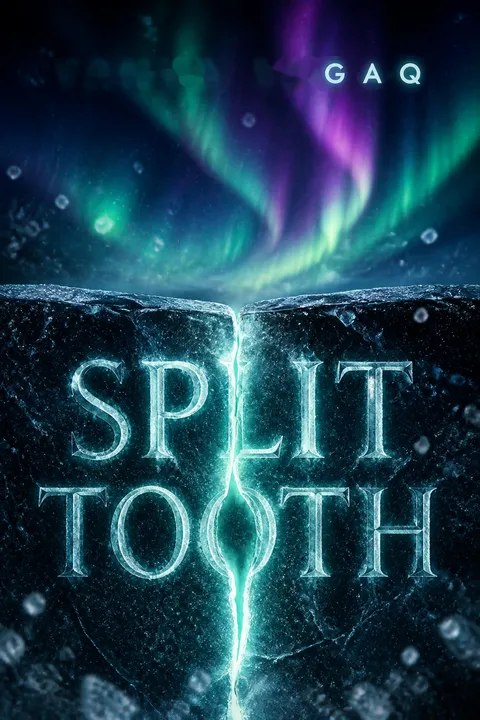
Split Tooth is a searing, poetic meditation on trauma, survival, and the enduring power of Indigenous knowledge
Tanya Tagaq's novel blurs the boundaries between memoir and myth, prose and poetry, reality and the supernatural. Through the eyes of a young Inuk woman, the story confronts the legacies of colonialism, sexual violence, and intergenerational pain, while also celebrating the resilience, creativity, and spiritual depth of Arctic life. The land is both a source of suffering and a wellspring of healing, and the narrator's journey is one of transformation—through suffering, she gains power, insight, and ultimately, a sense of purpose. The novel challenges readers to reckon with the complexities of love and violence, the necessity of both empathy and boundaries, and the possibility of renewal even in the aftermath of profound loss. Split Tooth is a testament to the strength of women, the wisdom of ancestors, and the sacredness of story as a means of survival and resistance.
Review Summary
Reviews of Split Tooth are largely positive, praising its visceral, lyrical, and genre-defying nature. Many readers found it powerful and haunting, blending memoir, poetry, myth, and fiction into a uniquely Inuit narrative. The audiobook, narrated by Tagaq with throat singing, was frequently highlighted as an exceptional experience. Common criticisms included difficulty following the loose narrative structure and challenges connecting with the poetic style. Nearly all reviewers acknowledged the book's unflinching portrayal of sexual abuse, alcoholism, and harsh Arctic life, balanced with magical, spiritual elements.
People Also Read
Characters
The Narrator
The unnamed narrator is a young Inuk woman whose life is shaped by trauma, resilience, and a profound connection to the land and spirit world. She is both witness and participant in cycles of violence, love, and transformation. Her relationships—with family, friends, animals, and ancestors—are complex and often fraught with pain and longing. Psychologically, she is marked by dissociation, hyper-awareness, and a relentless drive to understand and heal. Over the course of the story, she evolves from a vulnerable child to a powerful, if haunted, mother and spiritual intermediary. Her journey is one of survival, self-discovery, and ultimately, acceptance of her own flawed humanity.
Savik
Savik, the narrator's son, is born with supernatural abilities that allow him to feed on suffering and death. He is both child and predator, drawing strength from the pain of others and causing illness and loss within the family. Savik's presence is magnetic and unsettling, and he is both loved and feared by those around him. Psychologically, he represents the destructive inheritance of trauma, the shadow side of power, and the dangers of unchecked hunger. His eventual transformation and merging with his sister symbolize the necessity—and cost—of sacrifice and balance.
Naja
Naja, the narrator's daughter, is the counterpart to Savik. She possesses the power to heal, soothe, and bring peace to those around her. Naja is gentle, empathetic, and deeply connected to her mother and brother. Her presence brings comfort and hope, but she is also vulnerable to the pain and darkness that surround her. Psychologically, Naja embodies the possibility of redemption, the strength of compassion, and the fragility of innocence. Her merging with Savik represents the inseparability of light and dark, creation and destruction.
Best Boy
Best Boy is the narrator's childhood friend and, in the eyes of the community, the presumed father of her twins. He is loyal, funny, and a source of comfort and companionship. Best Boy's relationship with the narrator is marked by affection, misunderstanding, and the complexities of growing up in a small, insular community. Psychologically, he represents the longing for connection, the challenges of masculinity, and the limits of love in the face of overwhelming forces.
Helen
Helen is a respected elder in the community, known for her strength, humility, and deep knowledge of tradition. She assists in the birth of the twins and provides guidance and support to the narrator. Helen's own history is marked by violence and sacrifice, and she carries the scars of both personal and collective trauma. Psychologically, she embodies the resilience of Indigenous women, the importance of intergenerational knowledge, and the necessity of bearing witness.
The Narrator's Mother
The narrator's mother is a figure of strength and endurance, shaped by her own experiences of colonialism, relocation, and loss. She provides care and support, but is also marked by silence and sorrow. Her relationship with the narrator is loving but complicated, reflecting the challenges of parenting in a world marked by historical and ongoing violence. Psychologically, she represents the burdens and gifts of motherhood, the struggle to protect, and the hope for healing.
The Narrator's Father
The narrator's father is a complex figure—strong, self-assured, but also vulnerable to his own demons. He is both a source of safety and a participant in the cycles of violence that shape the family. His illness and eventual recovery are tied to the supernatural events surrounding the twins. Psychologically, he embodies the contradictions of masculinity, the costs of survival, and the longing for redemption.
The Uncle
The narrator's uncle is a recurring presence, both as a protector and as someone who succumbs to illness and death. His relationship with Savik is fatal, and his decline mirrors the destructive power of unresolved pain. Psychologically, he represents the intergenerational transmission of trauma, the vulnerability of men in a patriarchal society, and the tragic consequences of unhealed wounds.
The Fox
The fox appears in dreams and visions, embodying both danger and wisdom. He is a shapeshifter, a lover, and a bearer of ancestral curses. The fox's interactions with the narrator are charged with sexuality, power, and the possibility of change. Psychologically, he represents the wild, untamed aspects of the self, the allure of the unknown, and the necessity of embracing both light and shadow.
The Northern Lights
The Northern Lights are both a natural phenomenon and a supernatural force in the story. They are the source of the narrator's transformation, the midwives of her children, and the silent witnesses to her suffering. The Lights are indifferent, powerful, and ultimately inscrutable. Psychologically, they represent the forces of nature, the presence of the ancestors, and the mysteries that lie beyond human understanding.
Plot Devices
Nonlinear Narrative and Poetic Prose
The story unfolds in a nonlinear, episodic fashion, blending prose, poetry, and dream sequences. This structure reflects the fragmented nature of trauma, the cyclical patterns of memory, and the fluid boundaries between past and present, reality and imagination. The poetic language heightens the emotional intensity, allowing the reader to experience the narrator's inner world as viscerally as her outer one.
Magical Realism and Animism
The narrative is suffused with magical realism, where spirits, animals, and natural forces are as real and influential as human characters. The Arctic landscape is alive, conscious, and responsive, and the boundaries between human and nonhuman, living and dead, are porous. This device allows the story to explore Indigenous cosmologies, the persistence of ancestral knowledge, and the ways in which trauma and healing are enacted on both physical and spiritual planes.
Intergenerational Trauma and Healing
The story is deeply concerned with the transmission of trauma across generations—through family, community, and the land itself. The narrator inherits both wounds and strengths from her ancestors, and her journey is one of breaking cycles, seeking healing, and finding meaning in suffering. The birth and loss of the twins encapsulate the tension between destruction and creation, and the possibility of transformation through sacrifice.
Symbolism and Motif
Key symbols—ice, blood, light, animals, and the Northern Lights—recur throughout the narrative, each carrying multiple layers of meaning. Ice represents both preservation and death; blood is life, lineage, and violence; light is both healing and destructive. These motifs reinforce the story's exploration of duality, balance, and the interconnectedness of all things.
Foreshadowing and Prophecy
The narrative is rich with foreshadowing—dreams, visions, and ancestral warnings that hint at future events. The narrator's encounters with spirits and animals often presage moments of crisis or transformation. This device creates a sense of inevitability, underscoring the story's themes of destiny, agency, and the limits of human control.
Download PDF
Download EPUB
.epub digital book format is ideal for reading ebooks on phones, tablets, and e-readers.








































