
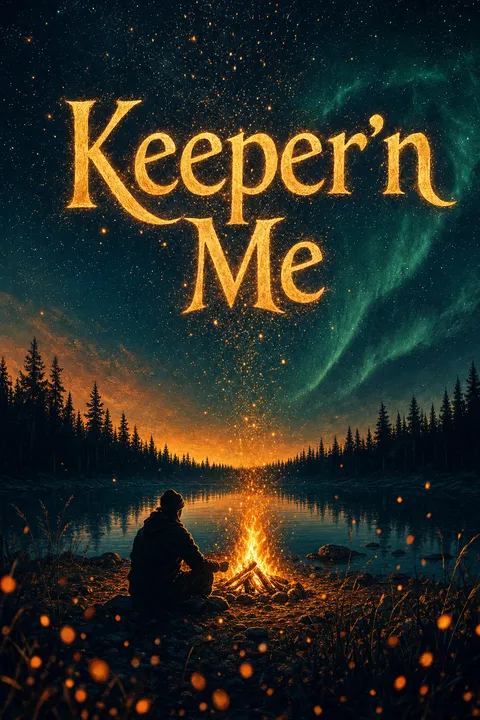


Plot Summary
Prologue
An aging Ojibway elder called Keeper2 speaks from White Dog, a remote reserve reached by a brutal gravel road off the Trans-Canada Highway. He mocks the rich American tourists who fish only for photographs, and reflects that everyone alive is really a tourist, hungry for a guide to show them the way through.
He describes the young ones caught between the shiny fast world and the slower familiar one. Then he introduces the boy:1 a man fresh out of the city who barely knew he was Anishnabe, who arrived owl-eyed and lost. Keeper2 says he told that boy1 to write these stories down, to become a storyteller, and promises to ride along and make sure it is done right.
Wagamese frames the entire novel as oral tradition transposed to the page, and Keeper's voice, with its teasing laughter and looping digressions, performs the very thing it describes. The prologue reframes colonial displacement through a gentler lens: not magic and mysticism but respect, humor, and shared guidance. By declaring all people tourists, Keeper universalizes the specifically Indigenous wound of lost belonging while refusing to sentimentalize it. The insistence on a guide establishes the mentor structure to come. Crucially, the prologue positions storytelling itself as survival technology, the mechanism by which teachings outlast the elders who carry them, and by which the old days remain, for the Anishnabe, never truly gone.
Stolen From the Trapline
Garnet Raven1 is born into a happy clan living the old way on his grandfather's11 trapline. When Ontario Hydro announces a dam will flood their traditional land, the family is forced into Minaki, where racism and clock time grind them down. While the parents hunt for work, Children's Aid arrives, lures the rowdy children into a green station wagon with chocolate, and carts them to a group home.
A year later, three-year-old Garnet1 is separated from his siblings and shipped off alone, clutching a toy truck with one wheel missing. His sister Jane's6 last glimpse is of a small boy in a sandbox,1 shrinking until the land swallows him. Garnet1 vanishes completely from the Indian world for twenty years.
This is the novel's foundational trauma and its historical indictment: the dispossession of land and the dispossession of children operate as a single continuous act of colonial violence. Wagamese renders the Sixties Scoop not through statistics but through a bribe of chocolate and a broken toy, images a child would remember. The missing wheel becomes a quiet emblem of incompleteness that Garnet will carry unconsciously for decades. By opening with severance rather than belonging, the book establishes absence as Garnet's baseline condition, the hollow through which wind seems to whistle, and makes his eventual homecoming feel less like discovery than resurrection of something never allowed to grow.
The Boy Who Faked Everyone
Raised in a churn of all-white foster homes, Garnet1 absorbs television's savages and a foster father's tour of skid row drunks as the only available images of who he might be. Terrified of being one of them, he decides to become anything else. He runs games across town after town: a homeless Hawaiian with a pawnshop ukulele, a half-Chinese avenger hunting his father, Pancho Santilla the Mexican-Apache boxer.
Each persona buys him a few beers and a few weeks before people see through the act and he moves on, riding what he calls the old slidey foot. His brown skin keeps betraying the lie, but he refuses to be Ojibway, a people even he has never heard celebrated.
Identity here is survival theater, performance in the absence of self-knowledge. Garnet's serial impersonations dramatize the psychology of the colonized subject taught to despise his own reflection: rather than inhabit a shameful category, he manufactures exotic ones. The irony Wagamese plants is generative, since this compulsive fabrication is precisely the skill that will later mature into legitimate storytelling. The chapter also exposes how popular culture manufactures Indigeneity, offering only cartoon Apaches and Cherokees, never a Passamaquoddy or Ojibway. Garnet's aim for the romantic reveals internalized racism as a hierarchy even within invented identities, a wound that mistakes disappearance for safety.
Becoming Brown in Toronto
On Yonge Street, a tall, fast-talking Black hustler named Lonnie Flowers7 calls out Garnet's1 phoniness on sight, laughing at the redskin running a Hawaiian shuffle. Instead of taking offense, Garnet1 is charmed, and for the first time connects with someone without running a game.
Lonnie7 brings him into a downtown tavern where the blues detonate something deep in Garnet,1 and introduces his mother Delma8 and siblings, a warm family who fold Garnet in as their brown baby. Garnet moves into Delma's,8 perms an afro, adopts the strut and slang, and spends years working to become Black. When two drunk Ojibways ask for change, he looks away, and Lonnie7 warns that he cannot outrun who he really is forever.
Delma's household gives Garnet his first felt experience of belonging, but it is a borrowed belonging, an identity chosen precisely because it is not his own inheritance. Wagamese draws a careful parallel between Black and Indigenous experience, the shared blues of the dispossessed, while insisting through Lonnie that solidarity cannot substitute for roots. The blues functions as the hinge: it moves something ancestral in Garnet even while he uses it to become someone else. Lonnie's gentle challenge, that you never know until you find out, seeds the recognition that authentic selfhood cannot be adopted from outside. Love here is real yet insufficient, nurturing a self still built on avoidance.
Holding Another Man's Coke
Drawn into moving small amounts of pot for Lonnie,7 Garnet1 earns a reputation for keeping his mouth shut and gets trusted with bigger business. One Friday night a dealer named Curtis hands him an ounce of cocaine to hold while he steps outside. A flashy stranger buys Garnet1 a beer, asks to score, then flips a badge.
Following the street code, Garnet1 says nothing about Curtis or the truth that the dope was not his, and takes a five-year sentence for possession with intent. Delma8 weeps at the verdict; Lonnie7 stares through tears. Sent to a minimum-security work farm near Peterborough, Garnet1 keeps to himself, fends off the Native Brotherhood's questions, and counts down his calendars toward release.
Garnet's imprisonment literalizes a lifelong condition, the man who takes the fall for a system that discarded him. His loyalty to the street code, refusing to name Curtis, is a distorted echo of the family loyalty he never got to practice, honor deployed in the service of self-erasure. The prison becomes a paradoxical waystation: stripped of movement and distraction, the perpetual runner is finally held still long enough to be found. Wagamese avoids melodrama, presenting incarceration as quiet loneliness rather than brutality. The chapter positions confinement as the necessary stillness before revelation, the pause that lets the outside world finally reach a man who has spent his life outrunning it.
A Letter From a Brother
At mail call Garnet1 receives a heavy envelope postmarked Kenora, spilling out photographs of smiling Ojibway people, one of whom looks like him without the afro. The letter is from Stanley Raven,5 a brother who became a social worker, returned to White Dog, and persuaded a sympathetic official to open Garnet's1 sealed file.
Stanley5 describes a whole clan of aunts, uncles, and cousins, a mother who never stopped believing her baby would come home,3 and a father, John Mukwa,10 who died young. As Garnet1 reads, the cold wind that always whistled through him begins to quiet. Delma8 and Lonnie7 insist he must go, that his roots are calling and running from this would mean running forever. Garnet1 writes back and promises to come.
The letter reverses the station wagon of chapter one: where strangers once carried a child away from family, now a brother's words carry family back to the man. Recognition is visceral before it is intellectual, the shared cheekbones registering in the body before the mind accepts kinship. Delma's blessing to leave completes her maternal generosity, modeling a love that releases rather than clutches. Wagamese stages the moment as the first sealing of the hollow wound, gratitude replacing absence. The revelation of the mother's decades of faith and the father's early death introduces the emotional stakes of the homecoming, transforming a bureaucratic file into the recovery of an entire severed lineage.
The James Brown Indian Arrives
Freed after three calendars, Garnet1 blows his welcome by taking three nights of celebration in Kenora, missing the greeting party. He rolls into White Dog by taxi in a picked-out afro, mirrored shades, balloon-sleeved yellow shirt, lime-green pants, platform shoes, and fifty-dollar cologne.
The reserve empties toward the store to gawk at this walking fishing lure. Then Stanley5 pushes through the crowd, weeping, and after twenty-two years the brothers collapse into each other's arms.
At Stanley's5 cabin, aunts and uncles tease the parakeet mercilessly but treat him as though the missing years never happened. Walking by the lake, Stanley5 and Jane6 tell him he can leave or stay and rebuild the puzzle of his life, and gently explain why their mother3 is not there.
Garnet's absurd costume externalizes the identity he built in exile, and the community's affectionate ridicule is itself a form of embrace, teasing as the Anishnabe grammar of belonging. The reunion inverts every hollow Christmas and every foster family that never really wanted him: here people have prayed and waited for two decades. Wagamese frames staying as an active choice, the puzzle metaphor giving Garnet agency he never had as a stolen child. The mother's conspicuous absence, born of her own terror of rejection, mirrors Garnet's fear and sets up the novel's most charged reunion, establishing that reconciliation requires courage from both the lost and the ones who lost him.
The Heartbeat He Remembered
The next morning Alice Raven3 arrives by bus. Trembling, unable to lift his head, Garnet1 is pulled into a fierce hug, and as he presses against her he feels her heartbeat echo through the empty side of his chest, a rhythm his body recognizes from before birth. Any doubt dissolves.
That night by a fire on the hill, Alice3 tells him about his father John Mukwa,10 the bush man broken by the loss of his children who drank himself toward a foggy death on a railway bridge, and how she refused to remarry until Garnet1 reached legal age so he would not lose his treaty rights. She sings the song she made for him across fifteen years of not knowing where he was: bih'kee-yan, come home, come home.
The heartbeat is the novel's most tender image of prelinguistic belonging, kinship confirmed not by document or resemblance but by the body's oldest memory of safety in the womb. Alice's sacrifice, choosing her lost son's future rights over her own companionship, reframes maternal love as a fifteen-year act of political and spiritual faith. John Mukwa's disintegration reveals the gendered devastation of the Scoop: the father who could fight any bush threat but not an incomprehensible bureaucracy, dying of a wound that no drinking could soften. The song transforms grief into ceremony. Garnet's tears here are the first breaking of the lining that held his insides in, the beginning of genuine return.
Keeper Takes an Apprentice
Summoned across the lake by the open-water telephone, Garnet1 visits Keeper2 at his grandfather Harold's11 old cabin. Keeper,2 once the reserve's notorious drunk, reveals he was Harold's11 chosen student in the Midewewin ways, entrusted with an ancient hand drum before he fled the teachings out of guilt and shame, earning his mocking nickname as drum keeper.
Now newly sober after a clinic stay, Keeper2 proposes that he and Garnet1 guide each other, one learning his people, the other repaying a debt to the dead elder.11 They begin dawn ceremonies at first light, called Beedahbun, smudging with cedar smoke, singing with the drum, and sharing breakfast while Keeper2 explains that nothing grows from the outside in, only from the inside out.
Keeper is a mirror mentor, a man recovering the same self Garnet is discovering, which levels the hierarchy of teacher and student into mutual healing. His backstory reframes addiction as spiritual exile, the drunkenness born of walking away from a sacred responsibility, and his sobriety as a return to center. Wagamese uses the smudge and the drum to articulate an Indigenous epistemology of interiority: purification, gratitude, and the heartbeat rhythm connecting the individual to the earth. The insistence that growth moves inside-out counters the assimilationist logic that tried to scrape the Indian out and paint the white in. Keeper's laughter throughout insists that ceremony is joyful, not solemn, tradition alive rather than embalmed.
The Bear on the Ice
Garnet's1 brother Jackie4 greets him only with brooding silence and one cutting outburst, declaring at a fire that Garnet1 is no real Indian and should stop being encouraged.
Jane6 explains Jackie's4 history: the wild one who most resembled their father,10 who punched the social worker as a boy, who tracked a foster farmer through a rifle scope, who later became a hardline AIM organizer during the Anishnabe Park occupation. Keeper2 counsels a bear thing, playing to reach him.
Trying out for the hockey team, Garnet1 skates alone with Jackie4 one morning; competition dissolves into a passing game, then a bear hug on the ice. Jackie4 sobs out that he hated Garnet1 for carrying the whiteness that was never his fault, and confesses how much he missed his baby brother.
Jackie embodies inherited grief metabolized as militancy, the bear who never learned to live with fear. His hostility toward Garnet is displaced rage at the system that stole them, complicated by shame at his own helplessness. Wagamese locates reconciliation not in speech but in play and physical contact, the hockey rink becoming a ceremonial space where masculine armor cracks. The confession that Jackie hated the whiteness while knowing it was not Garnet's fault articulates the tragic double-bind of the returned Scoop survivor, unfairly resented for surviving colonization's specific cruelty. The bear teaching, that mother bears teach cubs through play, reframes brotherhood and male tenderness as learned, recoverable capacities rather than weaknesses to be suppressed.
Wally Brings the World
When Wilbert Fish smashes the community hall radio during a hockey bet, the whole reserve turns cranky, and Garnet,1 hungry for outside flash, talks up modern life to the reserve dreamer, Wally Red Sky.9 Wally9 launches the White Dog One Radio Network, wiring speakers between cabins for five dollars a month, then reveals he is the sole DJ, singing his own country ballads between records.
Keeper2 warns Garnet1 the real lesson is balance, illustrated by the eagle learning to soar. Later, chasing a jingle-dress dancer named Audrey Two Canoes, Wally9 forgets to switch off his amplifier and broadcasts his romantic moves to the entire reserve, including her father, Chief Oscar, who chases the shirtless Wally9 into the bush swinging his guitar.
The radio subplot is the novel's comic engine, but Wagamese uses farce to teach a serious philosophy of cultural adaptation. Keeper's eagle parable reframes modernity not as threat but as air to be balanced against, neither refused nor surrendered to. Wally, the perennial dreamer of the collapsible snowshoes, embodies the reserve's uneasy hunger for the shiny outside world, and his misadventure literalizes the danger of unbalanced enthusiasm. The community's laughter, even Chief Oscar's eventual delight, models humor as the Anishnabe technology of survival and absorption. Garnet's real growth lies in learning to slow down, recognizing that living large can mean big family and big country rather than downtown speed, the balance point relocating inward.
The Ruined Cabin's Bones
Following an intuition, Garnet1 canoes alone for four days back to his grandfather's11 drowned trapline, carrying tobacco and cloth Keeper2 gave him for a gratitude offering. He experiences the sensation of flying over glassy water and finds he can read the bush, naming plants and tracking animals as though the knowledge lives in his hands.
Reaching the collapsed line cabin where his family once lived, he weeps, feeling the ghost voices of grandparents and his father,10 and finally locates the hook to hang his life on. He dreams of two eagles that transform into an old man and woman dancing, then flying toward home. Making his tobacco offering in a tree, he finds an eagle feather waiting in the branches, an honor gift from the land itself.
The vision quest completes Garnet's inside-out recovery: physical return to the birthplace unlocks embodied ancestral knowledge, proving that what colonization suppressed was dormant, not destroyed. Wagamese distinguishes this from essentialism through Keeper's later explanation, that Garnet's father and grandfather introduced him to the world as an infant, naming each animal as relative, so the land was gifted before it was stolen. The ruined cabin, timbers returned to the earth, becomes sacred precisely in its dissolution, teaching that home is a feeling carried within, not a structure. The eagle dream and feather mark the balance of male and female gifts, and the land's honoring of humility, the reward for approaching power with respect rather than conquest.
The Feather and the Ribbon Shirt
Home safely, Garnet1 learns his eagle feather honors real courage, and Keeper,2 weeping, passes him the two feathers Harold once gave, calling them Raven feathers now.
The visiting Midewewin elder Lazarus Green,13 who will become Keeper's2 own teacher, tells Garnet1 the vision quest is only the trailhead and that people stay alive forever through the stories told about them. Chief Isaac12 stages a feast where young men serve the elders first and the Shoal Lake drummers sing a personal honor song.
Gifts pile at Garnet's1 feet, and finally Alice3 gives him a ribbon shirt she sewed from the gaudy yellow shirt he wore the day he arrived, its collar cut down, his father's10 blue and green colors added. He puts it on and dances his mother3 around all night, finally looking jake inside.
The ribbon shirt is the novel's masterstroke of synthesis: rather than discarding the exile self, Alice reworks the costume of alienation into ceremonial regalia, insisting that where Garnet came from will always be part of where he goes. This rejects the false binary between assimilated and traditional, dramatizing the balance Keeper preached. The feast enacts the teachings the book has quietly argued for, service before self, elders honored, male and female gifts equalized. Lazarus's claim that we survive as stories closes the frame opened in the prologue, transforming Garnet from a man who invented false tales into a storyteller entrusted with true ones. Belonging, finally, is not found but grown and given away.
Analysis
Keeper'n Me is at once a healing narrative and a gentle act of political testimony, dramatizing the Sixties Scoop through the intimate return of one stolen man rather than the language of grievance. Wagamese's central insight is that colonization severed Indigenous people not only from land but from the knowledge of who they are, and that recovery must move, as Keeper2 repeats, from the inside out. Garnet's1 serial impersonations expose identity built on shame, while his slow immersion in ceremony, family, and land reveals a self that was dormant rather than destroyed, gifted to him in infancy when his father10 named each animal as relative. The novel refuses romanticized mysticism, locating tradition instead in daily practices of respect, honesty, kindness, and sharing. Its governing value is balance, articulated through the eagle who learns to soar only by reading the wind: to survive, contemporary Anishnabe must ride the whiteman's horses of education and technology without surrendering the spirit of the old teachings. The comic radio subplot and the ribbon shirt both insist that the shiny modern world need not be refused, only integrated. Humor functions structurally, not decoratively, as the survival technology that has kept a culture alive through catastrophe; Wagamese makes laughter and teaching inseparable, since people listen hardest when they are laughing. The dual narration enacts the book's deepest claim, that storytelling is how a people stay alive forever, teachings passed down so the old days are never truly gone. Garnet's1 arc, from fabricator of false selves to keeper of true stories, closes the frame Keeper2 opens: we are all tourists needing a guide, and the greatest gift is to become, in turn, a firekeeper for those still wandering owl-eyed toward home. Belonging, finally, is grown, earned, and given away.
Review Summary
Keeper'n Me is a heartwarming debut novel by Richard Wagamese that follows Garnet Raven, an Indigenous man reconnecting with his Ojibway roots after years of separation. Readers praise Wagamese's storytelling, wisdom, and exploration of Native culture. The book touches on themes of identity, family, and spirituality, offering insights into Indigenous traditions. While some criticize the lack of conflict and simplistic plot, many appreciate the book's humor, warmth, and life lessons. Overall, it's considered a touching and enlightening read that showcases Wagamese's potential as an author.
People Also Read

Characters
Garnet Raven
Lost son coming homeTaken from his Ojibway family at three and raised alone through a dozen white foster homes, Garnet grows into a charming shapeshifter, inventing Hawaiian, Chinese, and Mexican identities before immersing himself in Toronto's Black community and the blues. Beneath the flash lives a perpetual runner haunted by a wind whistling through the hollow of his gut, ashamed of the Indigenous self he never learned. Witty, observant, and quietly desperate for belonging, he narrates his own return at thirty with self-deprecating humor. His journey is a slow reclamation from the inside out, learning ceremony, family, and finally the balance between the worlds he came from and the one that made him. His growth turns fabrication into genuine storytelling.
Keeper
Elder guide and mentorA wrinkled Ojibway elder and reformed drunk, Keeper was chosen young by Garnet's1 grandfather Harold11 as a student of the Midewewin ways and entrusted with an ancient hand drum, a responsibility he fled out of guilt, earning his mocking nickname. Newly sober, he becomes Garnet's1 teacher and, by his own admission, fellow student, guiding the younger man through smudging, dawn ceremonies, and the philosophy of balance. His voice, laced with sly jokes, malapropisms, and looping digressions, narrates alternating sections. Wise without being solemn, humble about his own long detour into the bottle, Keeper embodies the belief that tradition is the living spirit of respect, honesty, kindness, and sharing, not costume or ritual performed for its own sake.
Alice Raven
The waiting motherGarnet's1 mother, a short, round-faced woman with sparkling eyes and expert hands for beadwork and moccasins. Devastated when Children's Aid took her children, she and John Mukwa10 fell into drinking before she sobered and rebuilt her life at White Dog. She never stopped believing her baby would return, singing him a homecoming song for fifteen years and refusing to remarry until Garnet1 reached the age that protected his treaty rights. Warm, funny, and steady, she offers Garnet1 unconditional welcome while nursing her own terror that he will reject or leave her. Her love is expressed in patience, teaching, and the reworked shirt that stitches his two lives together.
Jackie Raven
Angry warrior brotherThe biggest and most intense of Garnet's1 siblings, Jackie resembles their bush-man father10 and carries a lifetime of rage at the system that stole his baby brother1 and broke his family. A former AIM and Ojibway Warriors organizer from the Anishnabe Park occupation, he greets Garnet1 with brooding silence and one bitter outburst. Keeper2 calls him a man with a lot of the bear in him: a fierce protector who never learned to live with his own fear. His reconciliation with Garnet1 reveals the tenderness buried beneath the armor.
Stanley Raven
The brother who searchedGarnet's1 brother who earned a social work degree and returned to White Dog, then tracked Garnet1 down through his sealed file and wrote the letter that brought him home. Thoughtful and philosophical, prone to educated rambles about stealing the whiteman's horses, education and technology, to strengthen the people's circle. Steady, early to bed, and quietly devoted, he offers Garnet1 patient guidance and unspoken brotherhood on long walks through the bush.
Jane
Family historian sisterGarnet's1 eldest sibling and the family's memory keeper, who last saw him as a boy in a sandbox and greets him twenty years later with the same long, warm hug. Round, talkative, and overflowing with detail, she narrates the family's past, from the toy truck to the AIM years. Her big shiny-eyed enthusiasm and teasing affection help Garnet1 feel like the child she once cradled.
Lonnie Flowers
Toronto street brotherA tall, superfly-dressed Black hustler who calls out Garnet's1 fakery on Yonge Street and becomes his first genuine friend. Fast-talking, generous, and clear-eyed, he draws Garnet1 into his family and the blues world yet repeatedly insists Garnet1 cannot outrun his true self. When the family letter arrives, Lonnie is the one who pushes hardest for Garnet1 to go home, refusing to let borrowed brotherhood replace the real thing.
Delma
Toronto foster mother figureLonnie's7 mother, a warm matriarch who takes Garnet1 in, calls him her brown baby, and gives him his first taste of an intact, proud family. She listens to his1 stories of foster-home emptiness with shiny eyes and holds him close. When his real family surfaces, she blesses his departure, insisting his roots are calling and that he will always have a place at her door.
Wally Red Sky
Reserve dreamer and DJA Brylcreemed, tassel-shirted aspiring country singer from a long line of White Dog political dreamers. Kind-hearted, backward, and relentlessly ambitious, Wally is famous for grand schemes like his collapsible snowshoes. He launches the homemade radio network and casts himself as its only star, driving the novel's central comedy and its lesson about balancing the outside world's pull against community life.
John Mukwa
The lost fatherGarnet's1 father, a renowned bush man whose name means bear, married to Alice3 in the traditional Ojibway way. Devastated by the theft of his children and unable to fight an incomprehensible system, he drank himself into isolation in a shack near Minaki and died young. Though gone before Garnet's1 return, he lives on through story, the land, and the colors sewn onto the ribbon shirt.
Harold Raven
Grandfather and last teacherGarnet's1 grandfather, the last true Midewewin traditional man of White Dog, who lived to ninety-eight and passed the sacred drum and teachings to Keeper2. Though dead before Garnet's1 homecoming, his wisdom threads through Keeper's2 every lesson and his eagle feathers become Garnet's1 inheritance.
Chief Isaac
Reserve chief and jokerWhite Dog's chief, fond of double-knit leisure suits, his satellite dish, and playing the honest-neighbor politician. Genuinely devoted to the old ways beneath the showmanship, he stages Garnet's1 honor feast and keeps the community laughing.
Lazarus Green
Visiting Midewewin elderA ninety-four-year-old Midewewin teacher from Rat Portage and old friend of Harold11, who blesses Garnet's1 feast and agrees to become Keeper's2 own teacher. His pure kindness and his teaching that people live forever through their stories point Garnet1 toward his path as a storyteller.
Plot Devices
Dual Narration Frame
Braids two storytelling voicesThe novel alternates between Garnet's1 first-person account of his homecoming and Keeper's2 spoken interludes, which comment on the same events and unfold the teachings behind them. Keeper's2 digressive, joke-laced oral voice replicates the rhythm of an elder passing stories by the fire, while Garnet's1 chapters supply the emotional narrative. The two voices gradually converge as student and teacher heal in parallel, and the frame pays off in the closing revelation that Garnet1 has been urged to write everything down, becoming the storyteller Keeper2 foresaw. This structure enacts the book's central claim that oral tradition keeps the old days alive, making form inseparable from theme.
The Toy Truck
Symbol of severed childhoodA small red and blue toy truck with one wheel missing, bought for three-year-old Garnet1 by his siblings in their first foster home, is the only object he clings to before being shipped away alone. Jane's6 final memory is of the abandoned truck half-buried by wind in an empty sandbox. The broken wheel quietly mirrors Garnet's1 own incompleteness, the missing piece of his life's puzzle that he spends decades trying to replace with invented identities. Introduced in the opening pages, it establishes the wound of the Sixties Scoop through a single childlike image and shadows every later reference to lost or missing pieces.
The Drum and Heartbeat
Links body to earth and kinKeeper's2 ancient painted hand drum, inherited from Harold11, represents the heartbeat of Mother Earth and the female power that gives life. Its rhythm recurs throughout: in the dawn ceremonies Keeper2 and Garnet1 perform, in the pow-wow songs, and most powerfully in Garnet's1 reunion with his mother3, when he feels her heartbeat echo through the empty side of his chest and his body recognizes it from before birth. The drum teaches balance, respect, and connection, functioning as the sensory thread that binds Garnet's1 recovering self to his people, his ancestors, and the living land around him.
The Eagle Feathers
Honor earned and inheritedEagle feathers signify courage, humility, and living in a good way, gifts that must be earned. During his solo journey Garnet1 dreams of two eagles becoming a dancing old man and woman, then finds a feather waiting in a tree after his tobacco offering, an honoring from the land. Afterward Keeper2 passes down the two feathers Harold11 once gave him, renaming them Raven feathers, transferring a sacred lineage and marking Garnet's1 arrival on the traditional path. The feathers crystallize the theme that identity is bestowed by community and earth rather than performed, paying off the vision quest and the mentor relationship.
The Ribbon Shirt
Fuses exile and homecomingThe gaudy balloon-sleeved yellow shirt Garnet1 wears on his arrival, mocked as making him look like a fishing lure, is quietly saved by his mother3. At the honor feast she presents it transformed into a traditional ribbon shirt, its collar cut down and his father's10 blue and green colors sewn on. By reworking rather than discarding the costume of his alienated years, Alice3 embodies the novel's philosophy of balance, insisting that where Garnet1 came from remains part of where he is going. The shirt visually resolves the book's central tension between assimilation and tradition, making Garnet1 look jake inside as well as out.
FAQ
Synopsis & Basic Details
What is Keeper'n Me about?
- Journey of Reclamation: The novel follows Garnet Raven, an Ojibway man taken from his family at age three and raised in a series of white foster homes, as he returns to his home reserve of White Dog at age twenty-five to reconnect with his roots, family, and culture after decades of searching for belonging.
- Healing from Dislocation: It explores the profound impact of forced separation and cultural loss on an individual, depicting Garnet's struggle with internalized shame, shifting identities, and a deep sense of emptiness before finding a path to healing through the guidance of an elder, Keeper, and the embrace of his rediscovered family and community.
- Finding Home and Identity: The narrative, interspersed with the elder Keeper's reflections, illustrates how tradition, storytelling, ceremony, and connection to the land provide the foundation for reclaiming identity and finding a true sense of home, not just as a place, but as a state of being rooted in cultural knowledge and community.
Why should I read Keeper'n Me?
- Powerful Story of Resilience: The book offers a deeply moving and ultimately hopeful account of overcoming trauma and cultural displacement, showcasing the strength and resilience of Indigenous people and their traditions in the face of historical injustices.
- Rich Cultural Insights: Through Keeper's teachings and Garnet's experiences, readers gain intimate insight into Ojibway worldview, values like respect, kindness, honesty, and sharing, and the significance of the land, ceremony, and storytelling in maintaining cultural identity.
- Humor and Heart: Despite its serious themes, the novel is infused with warmth, humor, and memorable characters, making it an engaging and emotionally resonant read that challenges stereotypes and celebrates the enduring spirit of community.
What is the background of Keeper'n Me?
- Indigenous Experience in Canada: The story is set against the historical backdrop of the "Sixties Scoop" and residential schools in Canada, government policies that forcibly removed Indigenous children from their families and cultures, aiming for assimilation.
- Ojibway (Anishanabe) Culture: The narrative is rooted in the specific cultural context of the Ojibway people (Anishanabe, meaning "the good people") in northern Ontario, highlighting their traditional connection to the land, hunting and gathering practices, and spiritual beliefs.
- Author's Personal History: Richard Wagamese, an Ojibway man, drew upon his own experiences in the foster care system and his journey of reconnecting with his heritage, lending authenticity and emotional depth to Garnet's story.
What are the most memorable quotes in Keeper'n Me?
- "Us we always had our storytellers... That way the old days are never gone for us, see?": Keeper's prologue establishes storytelling as the vital thread connecting past and present, ensuring the survival of teachings and identity ("It's TRA-DISH-UNN").
- "Damn. Sounds like Indians are the niggers now.": Truman Flowers' blunt observation highlights the shared experience of marginalization and systemic oppression faced by different racial groups, resonating with Garnet's feeling of being an outcast.
- "Bih'kee-yan, bih'kee-yan, bih'kee-yan... It means, come home. Come home, come home, come home.": Ma's song, sung over years of separation, embodies the unwavering love and longing of family, becoming a powerful symbol of Garnet's eventual return and the deep emotional core of the narrative.
What writing style, narrative choices, and literary techniques does Richard Wagamese use?
- Conversational First-Person Narrative: The primary voice is Garnet's, told in a colloquial, often humorous, and deeply personal style that reflects his journey from a city-raised outsider to a man finding his voice within his community.
- Dual Narrative Structure: The inclusion of Keeper's distinct voice, marked by his unique cadence, wisdom, and humor, provides a parallel layer of commentary, cultural context, and philosophical depth, acting as both a guide for Garnet and the reader.
- Oral Tradition Influence: The writing incorporates elements of oral storytelling, such as repetition, direct address to the reader ("You gotta drive for miles..."), digressions, and the weaving of personal anecdotes with broader teachings and legends.
Hidden Details & Subtle Connections
What are some minor details that add significant meaning?
- The Wind Whistling Through Guts: Garnet repeatedly describes his lifelong feeling of emptiness and dislocation as "the wind whistling through me" or "whistling through his gut," a subtle but powerful metaphor for the void left by his stolen childhood and lack of identity, which gradually quiets as he finds belonging.
- Wally Red Sky's Collapsible Snowshoes: Wally's childhood attempt to make traditional snowshoes without asking for help, resulting in a comical failure, subtly foreshadows his later ambitious but flawed attempt to bring radio to White Dog, illustrating the theme that traditional knowledge and community guidance are essential for successful innovation and adaptation.
- The Cab Driver's Stutter: The Kenora cab driver's nervous stutter upon seeing Garnet's flashy, non-traditional appearance ("Y-you don't look like no R-r-raven") is a small detail that immediately establishes the cultural divide Garnet faces upon returning and the community's initial surprise at his "downtown" presentation.
What are some subtle foreshadowing and callbacks?
- Keeper's Prologue as Foreshadowing: Keeper's initial reflections on tourists needing guides and the difficulty young people face choosing between worlds subtly foreshadow Garnet's arrival as a "tourist" in his own land and Keeper's role as his guide, setting the central theme of searching for direction.
- The Toy Truck with One Wheel Missing: The image of young Garnet playing with a broken toy truck, last seen by his sister Jane as he was taken away, is a poignant callback that symbolizes his own fractured state and the missing pieces of his life, which he seeks to make whole upon his return.
- The Sound of Water Curling Over Rocks: The sound of waves lapping the shore, described as having a "silky sound like the ripple of a lady's shawl in a fancy dance," subtly connects the natural world to ceremony and tradition, foreshadowing Garnet's later understanding of the land's power and the spiritual significance of nature's sounds.
What are some unexpected character connections?
- Keeper and Ma's Shared Past: The revelation that Keeper and Garnet's mother, Alice, were friends who attended residential school together and even "been drunk a few times too" creates an unexpected bond between the elder and the mother, highlighting their shared history of trauma and resilience, and validating Keeper's role in Alice's eyes.
- Jackie's Connection to Their Father: Stanley reveals that Jackie spent time with their father, John Mukwa, before he died and inherited his "bear" nature and deep connection to the bush, providing a crucial, previously unknown link that explains Jackie's brooding intensity and his difficulty processing the family's loss.
- Doc Tacknyk's Unexpected Integration: The Ukrainian medical team, Doc and Mrs. Tacknyk, initially seem like typical outsiders, but subtle details like Doc playing clarinet on the veranda, Mrs. Doc getting along with the ladies, and their participation in the pow-wow show their unexpected integration and respect for the community, contrasting with the transient schoolteachers.
Who are the most significant supporting characters?
- Keeper: As Garnet's primary guide and the voice of traditional wisdom, Keeper is arguably as central as Garnet himself, providing the philosophical framework and cultural teachings that drive Garnet's transformation.
- Alice (Ma): Garnet's mother represents the enduring strength of family love and the anchor of tradition; her unwavering belief in his return and her emotional reunion with him are pivotal to his healing journey.
- Jackie Raven: Jackie embodies the deep, often unspoken pain of intergenerational trauma and loss; his initial resistance and eventual reconciliation with Garnet are crucial to the theme of family healing and the complex legacy of their shared history.
Psychological, Emotional, & Relational Analysis
What are some unspoken motivations of the characters?
- Garnet's Need for Validation: Beyond simply finding his family, Garnet is implicitly driven by a deep-seated need for validation – to be seen, accepted, and loved for who he is, after years of feeling unwanted in foster care and constantly performing different identities.
- Ma's Fear of Re-Loss: Alice's initial absence upon Garnet's arrival is motivated by her unspoken fear of losing him again, either through his rejection of her or his decision to leave, stemming from the profound trauma of his initial removal.
- Jackie's Protective Instinct Turned Inward: Jackie's anger and distance are fueled by an unspoken guilt and frustration over his inability to protect his younger siblings, particularly Garnet, when they were taken, leading him to project his pain and distrust onto Garnet's "outsider" appearance.
What psychological complexities do the characters exhibit?
- Internalized Racism and Shame: Garnet's early life is marked by the psychological complexity of internalized racism, where he adopts negative stereotypes about Indigenous people and feels shame about his own identity, leading him to actively try to be "anything but Indian."
- Trauma and Coping Mechanisms: Characters like Keeper, Alice, and Jackie exhibit complex psychological responses to trauma (residential schools, Sixties Scoop, loss), developing coping mechanisms ranging from addiction (Keeper, parents) and emotional withdrawal (Jackie) to fierce resilience and dedication to tradition (Alice, Keeper).
- The "Moving-Between" Identity: The concept of the "moving-between" Indian highlights the psychological complexity of navigating multiple cultural worlds, requiring individuals to reconcile conflicting values, expectations, and identities to achieve internal balance.
What are the major emotional turning points?
- The Hug with Delma: While not family by blood, Delma's warm, tight hug when Garnet is facing prison is an early emotional turning point, offering him a glimpse of unconditional acceptance and the feeling of being truly wanted, which he hadn't experienced since early childhood.
- The Reunion Hug with Ma: The physical reunion with Alice, marked by a long, sobbing embrace and Garnet's recognition of her heartbeat, is the most significant emotional turning point, symbolizing the mending of the deepest wound and the beginning of his true homecoming.
- The Hockey Game Reconciliation: The spontaneous game of shinny with Jackie, culminating in a bear hug and tearful confession, is a crucial emotional turning point for both brothers, releasing years of pent-up anger and grief and paving the way for their healing relationship.
How do relationship dynamics evolve?
- Garnet and Keeper: From Guide to Mutual Support: Their relationship evolves from Keeper as the sole teacher and guide to a bond of mutual support and friendship, where Garnet's presence and willingness to learn rekindle Keeper's purpose and help him fully embrace his role as drum keeper.
- Garnet and His Siblings: From Strangers to Anchors: The relationships with Stanley, Jane, and Jackie transform from initial awkwardness and distance to deep bonds of brotherhood and sisterhood, providing Garnet with the familial anchors he lacked for decades and integrating him into the community circle.
- Garnet and the Community: From Tourist to Insider: Garnet's dynamic with the wider White Dog community shifts from feeling like an embarrassed outsider and "walking fishing lure" to becoming a respected and beloved member, earned through his genuine effort to learn, his participation in community life, and his willingness to be vulnerable.
Interpretation & Debate
Which parts of the story remain ambiguous or open-ended?
- The Nature of the "Magic": While the book frequently refers to "magic born of the land" or "common magic," its exact nature remains somewhat ambiguous – is it spiritual, psychological, or a combination? The text suggests it's a feeling, a connection to the universe, open to interpretation by the reader.
- The Identity of the Singing Shadow Person: The source of the "Soo-wanee-quay" song Garnet hears on the lake is attributed to a "shadow person" or ancestor, but their specific identity is never confirmed, leaving it open to interpretation as either a literal spiritual encounter or a powerful, symbolic experience within Garnet's psyche.
- The Future of the "Moving-Between" Way: While the book presents the "moving-between" identity as a necessary path for survival and balance, the long-term implications and potential challenges of constantly navigating two worlds remain somewhat open-ended, suggesting an ongoing, perhaps never fully resolved, negotiation.
What are some debatable, controversial scenes or moments in Keeper'n Me?
- Portrayal of Foster Care and Residential Schools: The depiction of the foster care system and residential schools, while rooted in historical reality, could be debated in terms of its focus on the impact on individuals rather than a detailed critique of the institutions themselves, though this aligns with the personal narrative focus.
- The "Stealing Horses" Metaphor: Stanley's metaphor of "stealing horses" (education, technology, etc.) from the white world to strengthen Indigenous communities could be debated – is it truly "stealing," or reclaiming tools that were withheld? Does it risk further assimilation, or is it essential for modern survival?
- The Idea of "Becoming" Indian: Garnet's journey is framed as "learning to be an Indian" or "becoming Anishanabe," which could be debated by some who believe identity is inherent and not something one "becomes," though the text clarifies this means learning the way of living and connecting to the spirit within.
Keeper'n Me Ending Explained: How It Ends & What It Means
- Embracing the "Red Road": The novel concludes with Garnet fully integrated into the White Dog community, having received eagle feathers and a ribbon shirt as symbols of honor and belonging. He understands his journey as walking the "red road," the path of the heart, which involves navigating seven directions (north, south, east, west, up, down, and inside) to become a complete human being, a good man, and finally, a good Anishanabe.
- Becoming a Firekeeper and Storyteller: Garnet accepts his role as a "firekeeper," someone who helps keep the fires of love, home, and family alive for others, and embraces his destiny as a storyteller, tasked by Keeper to share his experiences to guide others who are also "tourists" searching for their way.
- Ongoing Journey of Learning and Balance: The ending emphasizes that his journey is not complete but ongoing. He continues to learn from Keeper, his family, and the land, understanding that wisdom is a path, not a destination. The final image of him sitting by the lake, feeling the "hand-drum moon" and the heartbeat of the land, signifies his achieved internal balance and deep connection to his home and heritage, ready to continue his path and help others find theirs.
Download PDF
Download EPUB
.epub digital book format is ideal for reading ebooks on phones, tablets, and e-readers.








































