
Plot Summary
Losing My Left Arm
The narrator, already undead, loses her left arm, an event that is both mundane and transformative. She is surprised by how little it affects her balance, likening the sensation to getting a haircut—air moves differently, and she feels both less and more herself. The loss is not just physical but existential, prompting her to reflect on her new state of being. She misses her lost love, recalling intimate moments and the comfort of shared stories. The arm becomes a symbol of her ongoing disintegration and the strange freedom of her undead existence, setting the tone for a narrative where loss is both ordinary and profound.
Hotel of the Undead
The narrator resides in a hotel filled with other undead, each struggling with memory and identity. Names are fluid, borrowed, or forgotten, and the guests cling to rituals—writing names on walls, sharing stories—to anchor themselves. The hotel is a liminal space, echoing with the emptiness of the apocalypse, yet life continues in small, repetitive ways. The narrator's interactions with others—Janices, Mitchem, Carlos, Marguerite—reveal a community bound by hunger, grief, and the need for meaning. The hotel becomes a metaphor for the body, purgatory, and the persistence of humanity amid collapse.
Rituals and Remains
Mitchem, a self-appointed preacher, urges the undead to embrace their new reality through rituals and small acts. The narrator experiments with ways to carry her severed arm, reflecting on the absurdity and intimacy of her condition. Rituals—burning the arm, pretend-smoking, storytelling—offer comfort and structure, even as they highlight the futility of seeking meaning in a world stripped bare. The undead's attempts to recreate lost human customs underscore their longing for connection and the enduring power of ritual to both soothe and excuse.
Names and Stories Forgotten
Most undead cannot remember their real names or pasts, leading to a collective search for identity. Names become "little prayers," connecting them to lost humanity. The narrator fears forgetting her beloved's name, equating it with the ultimate loss. Stories are shared, repeated, and confused, blurring the boundaries between self and other. The act of storytelling becomes a way to maintain continuity, even as memories fade and personal histories dissolve into communal myth.
The Hunger and the Crow
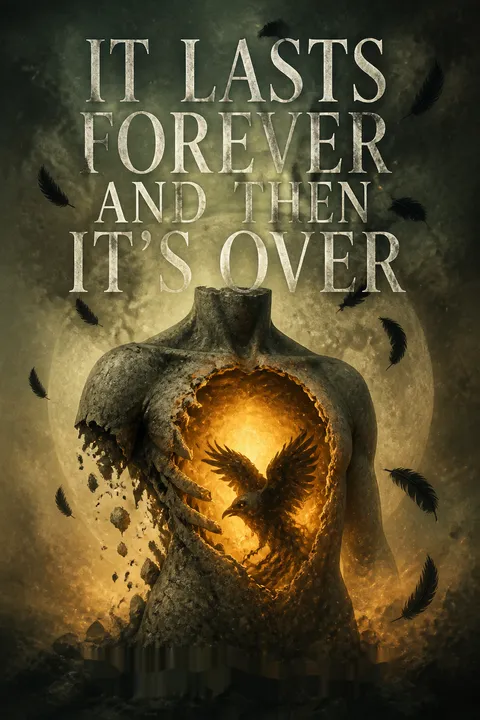
The narrator's hunger is relentless, driving her to kill and eat a man for survival. She reflects on the morality of eating, the abstraction of pain, and the ways hunger shapes her actions and identity. The crow, found dead in the street, becomes an object of intense longing and is hidden inside her chest. The crow symbolizes grief, desire, and the possibility of transformation. Its presence marks a shift from hunger as physical need to hunger as existential yearning, entwined with loss and memory.
Swimming in the Sound
The narrator, Carlos, and Marguerite wade into the ocean, surrounded by jellyfish. The moment is dreamlike, evoking childhood fantasies of breathing underwater. Mitchem claims beauty endures because it is real, but the narrator is more attuned to hunger and grief. The ocean becomes a space of both cleansing and confrontation, where the undead can momentarily escape their condition and experience a fleeting sense of wonder and connection.
Pain, Golem, and Grief
The narrator contemplates the nature of pain—physical, emotional, collective—and imagines a future where pain is all that remains of humanity. She likens herself to a golem or an owl pellet, a creature made of remnants and refuse. The loss of her arm and the crow inside her chest become metaphors for the fragmentation of self and the persistence of grief. The undead state is defined by an inability to process or release pain, leading to a sense of endless, unresolvable sorrow.
The Crow Inside Me
The crow, now hidden within the narrator, transforms from metaphor to reality. Its presence is both comforting and unsettling, a constant reminder of loss and longing. The narrator binds her chest to keep the crow in place, seeking security in the face of dissolution. The crow's existence blurs the line between inside and outside, self and other, embodying the narrator's struggle to hold onto meaning in a world where everything is slipping away.
Mitchem's Revival
Mitchem organizes revivals, preaching that the undead are the new divinity, freed from the illusions of life, death, and meaning. The Maple Room becomes a site of ritualized performance, where the undead grapple with their hunger and the absence of purpose. Mitchem's sermons oscillate between nihilism and transcendence, offering the undead a sense of superiority even as they remain trapped by their insatiable appetites. The narrator is both drawn to and skeptical of Mitchem's philosophy, recognizing the emptiness at its core.
The World of Hunger
Mitchem insists that the undead do not inhabit the world of the dead, but a world defined by perpetual hunger. The narrator reflects on the impossibility of satisfaction, the endless cycle of craving and denial. Hunger becomes a metaphor for hope, grief, and the refusal to accept loss. The undead's existence is marked by a refusal to return to the earth, an endless deferral of resolution. The moon is always full, time is undifferentiated, and the longing for what is lost becomes the only constant.
Dreaming of the Living
The narrator dreams of flooded supermarkets, encounters with the living, and moments from her past. Dreams become a space where metaphors become real, and the boundaries between self and world dissolve. The crow speaks in cryptic words, offering fragments of meaning that resist interpretation. The narrator's longing for her lost love, her baby, and her former life surfaces in dreams, underscoring the persistence of grief and the impossibility of return.
The Black Swarm
The narrator experiences the black swarm—a mass of nothingness, hunger, and grief—churning inside her. Mitchem's sermons about nothingness resonate, but the narrator realizes that what she feels is not hunger or emptiness, but grief. The swarm is an animal made of nothing, a collective pain that cannot be resolved or escaped. The narrator's journey becomes a search for a way to bear the unbearable, to find meaning in the aftermath of loss.
The Golf Course Encounter
Driven by hunger and grief, the narrator attacks a pair of living teenagers on a golf course. The act is both brutal and intimate, a reenactment of the cycle of loss and longing. The crow inside her becomes a cacophony, and the narrator is left with the realization that hunger is only ravenous hope—a mirage that can never be satisfied. The encounter marks a turning point, as the narrator resolves to stop eating, embracing grief as the only remaining truth.
Moonlit Farewells
The narrator and Marguerite share a final moment on the hotel roof, cutting the narrator's hair and reflecting on the nature of home, grief, and reality. Marguerite prepares to leave, seeking her own version of home, while the narrator commits to fasting and letting go of hunger. The moon, always full, becomes a symbol of grief—never where you expect it. The act of cutting hair becomes a ritual of release, marking the transition from hunger to acceptance.
Running Toward the End
The narrator leaves the hotel, running through empty towns, fields, and highways. The world is vast and desolate, filled with remnants of the past—abandoned homes, barns, and memories. The journey is both physical and existential, a search for meaning in the aftermath of apocalypse. The narrator encounters the plantation of Pirates, a surreal community where time and space are distorted, and is drawn toward a mysterious hole that promises release.
The Plantation of Pirates
The narrator joins a group of undead in baseball uniforms, each identified by a number. The plantation is a place of endless repetition, cooperative tasks, and enigmatic rituals. The narrator is led to a gazebo with a hole in the center, where she sheds her remaining possessions—including the crow—and confronts the void. The act of letting go becomes a form of liberation, as the narrator is stripped of hunger, grief, and even her own body.
The Hole and the Crow
In the gazebo, the narrator drops her belongings and the crow into the hole, experiencing a profound sense of absence and relief. Marguerite reappears, helping the narrator dress in new clothes and preparing her for the next stage of her journey. The act of vomiting out the black swarm marks the end of hunger and the beginning of true bereavement. The narrator is finally bereft, ready to face the world without the burden of longing.
Ocean, Grief, and Letting Go
The narrator, now headless and carrying her own head on a stake, reaches the ocean—the symbolic end of her journey. She leaves her body behind and walks into the surf, embracing the vastness of grief and the impossibility of return. The crow appears one last time, taking the white stone of hope or sadness and flying away. The narrator is left with the realization that the space between herself and herself is the memory of her lost love—a mystery that endures beyond the end of the world.
Analysis
A meditation on grief, identity, and the persistence of longingAnne de Marcken's It Lasts Forever and Then It's Over is a haunting, poetic exploration of what remains after the end—of the world, of love, of self. Through the lens of the undead, the novel interrogates the nature of grief, the hunger for meaning, and the ways we cling to ritual, memory, and story to anchor ourselves in the face of dissolution. The fragmented narrative, rich symbolism, and liminal settings evoke the disorientation of loss and the impossibility of return. The crow, the hole, and the ocean become sites of transformation, where the narrator confronts the limits of hope and the necessity of letting go. Ultimately, the novel suggests that grief is not emptiness but a form of connection—a space between selves, between past and future, where love endures even as everything else falls away. In a world where nothing is real and everything is lost, the act of remembering, mourning, and moving forward becomes an act of quiet, persistent resistance.
Review Summary
Reviews for It Lasts Forever and Then It's Over are polarized. Many readers praise its lyrical, poetic prose and its emotional meditation on grief, loss, and identity through a zombie narrative. Admirers highlight its haunting imagery, originality, and philosophical depth, with some calling it unforgettable. Critics, however, find it pretentious, vague, and frustratingly plotless, arguing its abstract style obscures rather than reveals meaning. The book's immersive, vibe-dependent reading experience divides audiences, with some deeply moved and others left confused or bored.
People Also Read
Characters
The Narrator
The unnamed narrator is an undead woman navigating a post-apocalyptic world, defined by her physical disintegration and profound grief. Her journey is both literal and metaphorical, as she seeks meaning, identity, and connection in a landscape stripped of life and certainty. She is introspective, philosophical, and deeply attached to memories of her lost love and unborn child. The crow inside her symbolizes her grief, and her eventual shedding of hunger and body parts marks a movement toward acceptance and release. Her relationships with other undead—Marguerite, Carlos, Mitchem—reflect her longing for community and understanding, even as she remains fundamentally alone.
Marguerite
Marguerite is a fellow undead who becomes the narrator's closest companion. She is practical, enigmatic, and nurturing, helping the narrator bind the crow inside her chest and later cutting her hair in a ritual of release. Marguerite's own journey is marked by self-mutilation and a quest for home, culminating in her self-immolation on a pyre. She represents the possibility of agency and transformation within the constraints of the undead condition, and her presence offers the narrator moments of solace, insight, and shared vulnerability.
Mitchem
Mitchem is a charismatic figure who organizes revivals and preaches a philosophy of meaninglessness and hunger. He is both a source of wisdom and a symbol of the dangers of ritualized belief. Mitchem's sermons oscillate between nihilism and transcendence, offering the undead a sense of purpose even as he insists that nothing matters. His own self-mutilation and eventual immolation reflect the limits of his philosophy, and his interactions with the narrator reveal the tension between hope and despair, ritual and reality.
Carlos
Carlos is an undead guest who provides comfort and perspective through storytelling and ritual. He adopts the name Carlos as a way of preserving identity, and his stories about childhood and loss resonate with the narrator's own struggles. Carlos becomes a guide in the plantation of Pirates, helping the narrator navigate the surreal community and the rituals of release. His presence underscores the importance of narrative, memory, and communal connection in the face of dissolution.
The Crow
The crow is both a literal dead bird and a powerful symbol of the narrator's grief, longing, and potential for change. Hidden inside the narrator's chest, the crow becomes a living presence, speaking in cryptic words and guiding her through moments of crisis. Its eventual release marks the end of hunger and the beginning of true bereavement. The crow's ambiguous identity—possibly the lost child, the narrator herself, or her beloved—reflects the complexity of grief and the impossibility of resolution.
The Lost Love ("You")
The narrator's lost love is never named but is a constant presence in her thoughts, memories, and dreams. Their relationship is defined by intimacy, shared stories, and the pain of separation. The narrator's longing for reunion, her fear of forgetting, and her attempts to preserve their connection drive much of the narrative's emotional arc. The lost love represents both the possibility of wholeness and the inevitability of loss.
The Old Woman
The old woman is a living survivor who cares for her undead grandson, sacrificing her own flesh to feed him. She encounters the narrator in the woods and later rescues her from the gyre, helping her adjust to her new state. The old woman's pragmatism, resilience, and acceptance of loss offer a counterpoint to the narrator's existential anguish. Their brief alliance highlights the shared burdens of grief, survival, and the search for meaning.
Bob
Bob is an undead hotel guest who becomes Mitchem's assistant, carrying his side table and participating in rituals. He represents the tendency toward conformity and the creation of new hierarchies even in the aftermath of apocalypse. Bob's actions mirror the narrator's skepticism about ritual and the dangers of uncritical belief.
The Pirates
The Pirates are a group of undead in the plantation, each identified by a number and engaged in cooperative tasks. They embody the persistence of community, ritual, and identity in a world where individuality is eroded. Their surreal existence and the rituals surrounding the hole in the gazebo offer the narrator a space for transformation and release.
The Living Teenagers
The living teenagers encountered on the golf course represent the persistence of life, love, and vulnerability in a world dominated by death and hunger. Their encounter with the narrator is both violent and tragic, highlighting the limits of hope and the inevitability of loss. Their presence serves as a catalyst for the narrator's decision to renounce hunger and embrace grief.
Plot Devices
Fragmented Narrative and Liminal Spaces
The novel employs a fragmented, nonlinear narrative that shifts between memory, dream, and present experience. The hotel, the plantation, and the ocean serve as liminal spaces—thresholds between life and death, self and other, past and future. This structure reflects the narrator's disintegration and the collapse of conventional meaning, inviting readers to inhabit the uncertainty and ambiguity of the undead condition.
Ritual and Repetition
Rituals—storytelling, burning remains, revivals, binding the crow, cutting hair—provide structure and meaning in a world stripped of certainty. Repetition of names, stories, and actions underscores the persistence of longing and the difficulty of letting go. Rituals both comfort and constrain, offering the undead a sense of agency while highlighting the futility of seeking resolution.
Symbolism of the Crow and the Hole
The crow is a central symbol, representing grief, transformation, and the possibility of communication with the lost. Its presence inside the narrator blurs the boundaries between self and other, life and death. The hole in the gazebo serves as a portal for letting go—of possessions, identity, and the crow itself—marking the transition from hunger to bereavement. Both symbols are ambiguous, resisting fixed interpretation and inviting readers to grapple with the mysteries of loss.
Foreshadowing and Recurrence
The novel employs foreshadowing through repeated images—the moon, the ocean, the full circle of the plantation, the act of letting go. These motifs create a sense of inevitability and return, reinforcing the themes of grief, memory, and the impossibility of closure. The recurrence of dreams, rituals, and encounters with the crow underscores the cyclical nature of loss and the persistence of longing.
Metafiction and Self-Reflection
The narrator frequently reflects on the nature of storytelling, memory, and reality, blurring the line between fiction and lived experience. The act of writing, remembering, and retelling becomes a way to resist oblivion and assert agency, even as the boundaries of self and story dissolve. The novel's self-awareness invites readers to question the nature of identity, meaning, and the possibility of resolution.
Download PDF
Download EPUB
.epub digital book format is ideal for reading ebooks on phones, tablets, and e-readers.








































