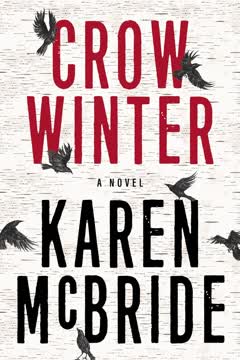
Plot Summary
Return to Spirit Bear
Hazel Ellis, newly graduated and reeling from her father's death, drives back to Spirit Bear Point First Nation. The landscape is both comfort and ache, filled with memories and unfinished business. Hazel's homecoming is shadowed by loss, her father's absence palpable in every corner. Her mother, Nora, is strong but quietly suffering, and the house is a museum of the past. Hazel's sense of displacement is immediate—she's not sure where she belongs, caught between the city's anonymity and the reserve's intimacy. The land itself feels alive, whispering old stories and waiting for her to listen. As Hazel unpacks, she's haunted by the sense that her return is not just about healing, but about confronting something unresolved, something that lingers in the land and in her own heart.
Crows and Memories
The crows that haunt Hazel's days and dreams become more than just birds—they are omens, messengers, and perhaps guides. Her mother tells stories of Nanabush, the trickster, who sometimes appears as a crow. Hazel's grief is tangled with these stories, and the crows seem to watch her, waiting for her to notice. Memories of her father and brother Gus surface, bittersweet and raw. The house is full of unfinished projects, echoes of her father's restless energy. Hazel's attempts to settle in are interrupted by the persistent presence of the crows, who seem to be calling her toward something she can't yet name. The line between memory and magic blurs, and Hazel begins to sense that her healing will require more than time—it will require listening to the land and its stories.
Night Visits, Old Stories
Hazel's nights are restless, filled with vivid dreams where a crow—Nanabush—speaks to her in riddles. These encounters are unsettling, pushing Hazel to confront her grief and her place in the world. Nanabush is both mocking and wise, challenging Hazel to see beyond her pain. The dreams feel more real than waking life, and Hazel wakes shaken, unsure if she's being haunted or chosen. Her mother's stories about the trickster deepen Hazel's sense of being caught between worlds—between the living and the dead, the past and the present. The crows' presence intensifies, and Hazel begins to suspect that her dreams are not just dreams, but invitations to a deeper understanding of herself and her community.
Unpacking Grief's Weight
Daily life on the reserve is both comforting and suffocating. Hazel reconnects with her childhood friend Mia, sharing laughter and the burdens of adulthood. Conversations about grief, family, and the challenges of reserve life reveal the cracks in Hazel's armor. The land itself is a character—full of history, pain, and possibility. Hazel's grief is not just personal; it's collective, tied to the losses and resilience of her people. The unfinished quarry, a legacy of colonial extraction, looms as a symbol of what's been taken and what remains. Hazel's sense of self is tested as she navigates family expectations, community gossip, and the persistent call of the crows.
The Quarry's Shadow
The abandoned quarry, inherited from Hazel's father, becomes a focal point of tension. Developers and council members circle, eager to exploit its resources, while Hazel's family is caught in the middle. The land is haunted by stories of curses and accidents, a place where boundaries between worlds are thin. Hazel's dreams grow more intense, and Nanabush's presence becomes undeniable. The quarry is not just a piece of land—it's a wound, a site of unresolved history and spiritual danger. Hazel feels the weight of responsibility, unsure whether to protect or let go. The crows gather, and the air thickens with the sense that something is about to break.
Headstones and Ghosts
Choosing a headstone for Hazel's father forces mother and daughter to face their grief head-on. The process is painful, exposing old wounds and unspoken regrets. Memories of family music, laughter, and loss flood Hazel's mind. The act of memorializing her father becomes a reckoning with what's been left unfinished—in the house, in the land, in their hearts. The ghosts of the past are everywhere, and Hazel realizes that moving forward will require more than closure; it will require transformation. The crows watch, silent witnesses to the family's sorrow and resilience.
The Trickster Appears
Nanabush, the trickster crow, steps out of dreams and into Hazel's waking life. Their conversations are sharp, funny, and unsettling. Nanabush challenges Hazel to see her grief not as a burden, but as a doorway. He reveals that the land, the quarry, and Hazel herself are all connected by stories and responsibilities that go deeper than she knows. Nanabush is both guide and provocateur, pushing Hazel to question everything she's been told about her family, her community, and herself. The boundaries between the spirit world and the everyday blur, and Hazel begins to understand that her healing is tied to the healing of the land.
Dreamworld Doorways
Guided by Nanabush, Hazel slips between waking and dreaming, visiting the Spirit World and encountering the Seven Grandfathers—ancient beings who embody the teachings of her people. These journeys are disorienting but illuminating, revealing the interconnectedness of all things. Hazel learns that the quarry is more than a physical place; it is a spiritual doorway, a site where the balance between worlds is maintained. The Seven task Nanabush—and by extension, Hazel—with protecting this balance. The cost of failure is catastrophic: the loss of connection between the living and the ancestors. Hazel's personal grief becomes a microcosm of a larger struggle for survival and meaning.
Secrets in the Land
Working at the Band Office, Hazel sifts through old documents and land claims, piecing together the history of the quarry. She discovers evidence of fraud and betrayal—land that was never properly surrendered, deals made in secret, and the complicity of both Indigenous and settler leaders. The past is not dead; it shapes the present in ways both subtle and profound. Hazel's anger grows as she realizes how much has been stolen, not just from her family, but from her entire community. Nanabush urges her to act, but the path forward is unclear. The crows gather, signaling that a reckoning is near.
The Handshake's Legacy
Through a vision, Hazel witnesses the fateful handshake between her father and Thomas Gagnon's ancestor—a moment that sealed the quarry's fate. The deal was made in good faith but built on a foundation of lies and colonial manipulation. Hazel is devastated, feeling betrayed by her father and overwhelmed by the weight of history. Nanabush helps her see that healing requires facing the truth, no matter how painful. The handshake is both a curse and a lesson, a reminder that the past cannot be undone, but its consequences can be confronted. Hazel resolves to fight for the land, even as she struggles with her own sense of worth and belonging.
The Sweat Lodge Healing
Hazel attends a sweat lodge ceremony, seeking healing and guidance. Surrounded by friends, family, and even Thomas Gagnon, she confronts her pain and listens to the stories of others. The ceremony is transformative, offering a space for vulnerability, forgiveness, and renewal. Hazel's vision in the lodge connects her to the Seven Grandfathers and to her father's spirit. She understands that her struggle is not just her own—it is shared by all who seek to heal from loss and injustice. The sweat lodge becomes a crucible, burning away illusions and leaving only what is true and necessary.
The Western Doorway
Hazel learns that the quarry is the Western Doorway—a sacred site that connects the living to the Spirit World. If the quarry is destroyed, the cycle of life, death, and rebirth will be broken. The Seven Grandfathers warn that time is running out. Hazel's visions intensify, and she realizes that her actions will determine the fate of her community and her ancestors. The crows gather in greater numbers, and Nanabush reveals his own longing for mortality and belonging. Hazel must decide whether to sacrifice her own safety to protect the doorway, knowing that the cost may be her life.
Sacrifice and Evidence
As blasting at the quarry begins, Hazel races to find proof that the land was never properly surrendered. With Nanabush's help, she uncovers the original survey documents, revealing the fraud that enabled the mine. Time is running out, and Hazel makes a desperate choice—she puts herself in harm's way, forcing the authorities to halt the destruction. Her act of sacrifice is both literal and symbolic, a willingness to risk everything for the sake of her people and the land. Nanabush intervenes, saving Hazel from death, but the ordeal leaves her changed. The evidence is delivered, and the mine is stopped, but not without cost.
The Final Stand
Hazel awakens in the hospital, surrounded by family and friends. The community is divided—some see her as a hero, others as reckless. The quarry is saved, and plans are made to transform it into a cultural center, a place of healing and learning. Hazel's relationship with her mother and brother deepens, and even Thomas Gagnon seeks reconciliation. Nanabush, having fulfilled his task, prepares to leave, but not before reminding Hazel that the work of healing is ongoing. The crows remain, silent witnesses to the cycles of loss and renewal. Hazel steps into her new role as a keeper of stories, ready to face whatever comes next.
Teachings and Farewell
In the aftermath, Hazel reflects on what she has learned: that grief is not something to be overcome, but something to be honored and transformed. The teachings of the Seven Grandfathers—honesty, respect, love, bravery, humility, wisdom, and truth—are not abstract ideals, but living guides. The land is not just property, but a living being, deserving of care and respect. Hazel's journey is both personal and communal, a testament to the power of story, ceremony, and connection. As spring returns to Spirit Bear Point, Hazel walks home beneath the watchful eyes of the crows, carrying the lessons of her ancestors into the future.
Analysis
Crow Winter is a powerful meditation on grief, healing, and the enduring strength of Indigenous identity. Karen McBride weaves together personal loss and collective trauma, using the figure of the trickster Nanabush and the sacred landscape of Spirit Bear Point to explore the complexities of memory, responsibility, and renewal. The novel challenges the notion of closure, suggesting instead that healing is an ongoing, communal process—one that requires honesty, ceremony, and the willingness to confront uncomfortable truths. The land is not just a backdrop, but a living character, holding both wounds and the possibility of transformation. Through Hazel's journey, the story affirms the importance of listening—to ancestors, to the land, and to oneself—and the necessity of reclaiming stories that have been silenced or distorted. Crow Winter is ultimately a story of resilience: it honors the pain of loss while insisting on the possibility of renewal, reminding readers that the work of healing—personal, communal, and environmental—is never finished, but always worth undertaking.
People Also Read
Characters
Hazel Ellis
Hazel is a young Algonquin woman returning home after her father's death, caught between worlds—urban and reserve, past and present, living and spirit. Her grief is raw, manifesting as restlessness, anger, and a deep sense of displacement. Hazel is intelligent, sarcastic, and fiercely loyal, but struggles with self-doubt and the weight of family and community expectations. Her journey is one of transformation: from passive mourner to active protector of her people's land and stories. Through encounters with Nanabush and the Seven Grandfathers, Hazel learns to embrace her pain, confront uncomfortable truths, and claim her role as a bridge between worlds. Her development is marked by increasing courage, humility, and a willingness to sacrifice for the greater good.
Nanabush (The Trickster)
Nanabush is the legendary trickster of Anishnaabe tradition, appearing to Hazel as a crow. He is witty, irreverent, and sometimes exasperating, but beneath the mischief lies deep wisdom and loneliness. Nanabush is caught between the Spirit World and the human world, longing for mortality and belonging. His relationship with Hazel is complex—part mentor, part provocateur, part companion in grief. He pushes Hazel to confront her pain and the injustices of the past, while also seeking his own redemption. Nanabush's arc is one of reluctant responsibility: he must help Hazel heal and protect the Western Doorway to earn his own peace. His humor masks vulnerability, and his ultimate act of selflessness is both a gift and a lesson.
Nora Ellis
Nora is Hazel's mother, a strong and nurturing presence who carries her own grief quietly. She is practical, loving, and deeply connected to her community and traditions. Nora's relationship with Hazel is marked by mutual care and occasional tension, as both struggle to navigate loss and the demands of daily life. She is a keeper of stories and a source of comfort, but also harbors secrets and regrets about the past. Nora's development is subtle—she learns to let Hazel go, to trust her daughter's strength, and to find her own path to healing. Her resilience anchors the family, even as she mourns what has been lost.
Gus Ellis
Gus is Hazel's older brother, living in Ottawa and working on Indigenous rights and land claims. He is driven, principled, and sometimes emotionally distant, channeling his grief into work. Gus and Hazel share a deep bond, forged by shared history and mutual respect, but their approaches to healing and justice differ. Gus is skeptical of tradition and wary of the reserve's politics, but ultimately supports Hazel's quest for truth. His arc is one of reconciliation—learning to balance activism with vulnerability, and to trust in the power of family and ceremony.
Mia
Mia is Hazel's childhood friend, a single mother navigating the challenges of reserve life with humor and grit. She is Hazel's confidante and sounding board, offering both practical advice and much-needed levity. Mia's own struggles with motherhood, relationships, and community expectations mirror Hazel's, but she faces them with resilience and wit. Her presence grounds Hazel, reminding her of the importance of friendship, laughter, and shared struggle. Mia's development is steady—she grows into her role as a mother and community member, supporting Hazel's journey while forging her own path.
Thomas Gagnon
Thomas is the descendant of the original quarry developer, now seeking to reopen the mine. He is ambitious, educated, and eager to build bridges between communities, but is blind to the deeper spiritual and historical wounds his actions reopen. Thomas's relationship with Hazel is fraught—marked by misunderstanding, attraction, and eventual respect. He is forced to confront the legacy of his ancestors and his own complicity in ongoing injustice. Thomas's arc is one of humility and growth: he learns to listen, to accept responsibility, and to seek genuine reconciliation.
The Seven Grandfathers
The Seven Grandfathers are ancient spiritual beings who embody the core teachings of Anishnaabe culture: honesty, respect, love, bravery, humility, wisdom, and truth. They are both nurturing and stern, guiding Hazel and Nanabush with riddles and challenges. Their presence is awe-inspiring, representing the weight of tradition and the interconnectedness of all things. The Grandfathers' role is to maintain balance between worlds, and their judgment is both a source of comfort and fear. They push Hazel and Nanabush to act selflessly, reminding them that healing is a communal, ongoing process.
Abraham Ellis
Hazel's late father is a constant presence in memory, dreams, and the unresolved business of the quarry. He was a community leader, craftsman, and loving parent, but also a man with secrets and unfinished projects. Abraham's decisions—especially regarding the quarry—cast a long shadow, forcing Hazel to grapple with betrayal, forgiveness, and the complexity of legacy. His spirit appears to Hazel in visions, offering guidance and love, and his arc is one of posthumous redemption: through Hazel's actions, his mistakes are acknowledged and transformed.
Joni Kitchisabek
Joni is the head of Lands and Memberships, a family friend who gives Hazel her job at the Band Office. She is warm, supportive, and sometimes overwhelmed by the demands of her position. Joni's actions, though well-meaning, inadvertently contribute to the crisis at the quarry. Her arc is one of accountability and growth: she learns to listen, to admit mistakes, and to work collaboratively for the good of the community.
The Land / Spirit Bear Point
The land itself is a character—alive with stories, pain, and resilience. The quarry, the clearing, the river, and the forest are all sites of memory and spiritual significance. The land holds the wounds of colonization and the promise of renewal. Its fate is tied to Hazel's, and its healing is both the goal and the measure of the story's success.
Plot Devices
Dream Journeys and Spirit Encounters
The narrative uses dreams and visions as a means for Hazel to access the Spirit World, communicate with ancestors, and receive guidance from Nanabush and the Seven Grandfathers. These journeys blur the line between reality and the supernatural, allowing for deep psychological exploration and the revelation of hidden truths. The dreamworld is both a place of danger and healing, reflecting Hazel's internal struggles and the collective trauma of her people.
The Trickster Figure
Nanabush embodies the trickster archetype—disruptive, humorous, and transformative. He challenges Hazel's assumptions, pushes her to confront uncomfortable truths, and models the possibility of change. The trickster's ambiguity—both helper and hindrance—mirrors the complexity of healing and the unpredictability of spiritual guidance. Nanabush's own longing for mortality and belonging adds depth to his role, making him both a guide and a fellow seeker.
The Quarry as Symbol and Setting
The abandoned quarry is a central symbol—representing colonial extraction, unresolved history, and the thin boundary between worlds. It is both a literal site of conflict and a spiritual doorway, the Western Doorway connecting the living to the ancestors. The fight to save the quarry is both a legal battle and a spiritual quest, with the fate of the community and the cycle of life at stake.
Intergenerational Trauma and Healing
The story weaves together personal and collective histories, showing how the wounds of colonization, betrayal, and loss are inherited and must be confronted. The use of old documents, family secrets, and visions of ancestors highlights the persistence of trauma and the necessity of truth-telling. Healing is depicted as a communal, ongoing process—requiring ceremony, honesty, and the willingness to sacrifice for others.
Ceremony and Community
The sweat lodge ceremony is a pivotal plot device, providing a space for vulnerability, confession, and renewal. It brings together characters from different backgrounds, allowing for the sharing of pain and the forging of new bonds. Ceremony is shown as both ancient and adaptable, a source of strength and guidance in times of crisis.
Foreshadowing and Narrative Structure
The narrative structure is cyclical, mirroring the Medicine Wheel and the teachings of the Seven Grandfathers. Early references to crows, unfinished projects, and the quarry foreshadow later revelations and crises. The use of repetition—of dreams, symbols, and motifs—creates a sense of inevitability and interconnectedness, reinforcing the story's themes of return, renewal, and the persistence of memory.








































