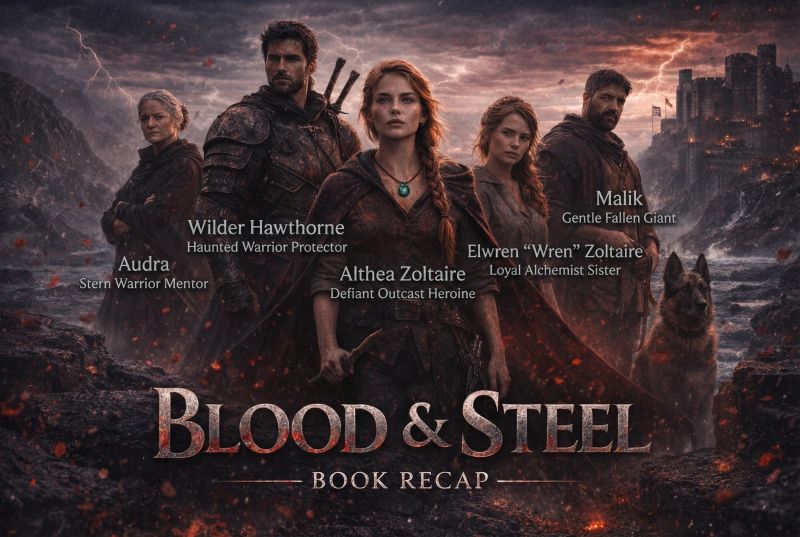
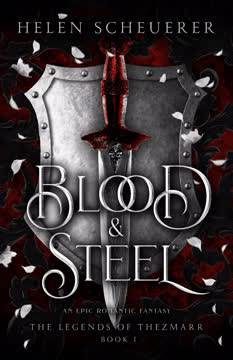

Plot Summary
Prologue
An ancient prophecy haunts the midrealms: a daughter of darkness will wield a blade in one hand and rule death with the other, and when her blade is drawn, the Veil — the towering wall of mist shielding the realm from monsters — will fall.
Twenty years ago, a six-year-old girl holding a scythe of sacred steel triggered shadows that killed seven warriors at Thezmarr. In response, the Guild Master11 stripped every woman of her weapons and banned them from bearing arms. The warrior women left the fortress in fury, all except one: Audra,6 the librarian, who stayed to guard what she could no longer fight for.
The Forbidden Dagger
Thea1 is twenty-four, an orphan alchemist at the fortress of Thezmarr, and she carries a secret that should have killed her long ago: a Naarvian steel dagger, sacred to Warswords, gifted to her by a dying warrior named Malik.7
In a realm where women have been banned from bearing arms for twenty years — since a child's blade triggered a devastating prophecy — Thea1 trains alone in the Bloodwoods, dreaming of becoming a warrior before her fate stone's promise catches up with her at twenty-seven.
When an arrow grazes her cheek one night and she drops her dagger in panic, she returns to find it missing. Wilder Hawthorne,2 the youngest and most infamous Warsword, stands among the trees, twirling her blade between tattooed fingers. He confiscates it and marches her straight to the Guild Master11 for judgment.
Audra's Blade, Midair
The council room is hostile. The Guild Master,11 Vernich the Bloodletter,10 and Hawthorne2 all want Thea1 expelled — a woman with Naarvian steel is an insult to everything the guild protects. Then Audra,6 the stern-faced librarian who was once a warrior herself, strides in uninvited.
She argues that Thezmarr's dwindling ranks and darkening threats demand fresh thinking. When the men scoff, Audra6 throws a dagger straight at Thea.1 Thea1 catches it midair by the jewelled hilt without flinching. The room goes silent.
Audra6 cites a forgotten constitutional clause: in times of dire need, all capable may take up arms. She proposes Thea1 petition the midrealm rulers at an upcoming royal feast in Harenth. Even Hawthorne,2 who defends Audra's6 right to carry her ceremonial blades, cannot deny those reflexes. Reluctantly, the Guild Master11 agrees.
Dawn in a Warsword's Arms
Hawthorne2 rides with Thea1 under orders he resents, treating the journey as tedious duty. He refuses to use her name, addressing her only by her former occupation. They clash over everything — his silence, her questions, the dagger he will not return.
But when Aveum's winter winds leave them shivering without shelter, proximity does what conversation cannot. Thea1 wakes at dawn to find Hawthorne2 pressed against her back, arms encircling her waist, his warmth flooding through her.
When he stirs and realizes, he springs away mortified, swearing and dumping water over his head to cool what the morning has revealed. The embarrassment cracks his armor — barely. She catches his half-smile; he catches her watching him train shirtless, committing every dual-blade drill to memory.
Poison Saves the Dream
The rulers of all three kingdoms reject Thea's1 petition to train. King Artos,12 an empath of extraordinary power, delivers the verdict kindly but firmly: the prophecy spoke, the law must stand. Thea's1 vision blurs with tears.
Then at the king's compulsory feast, she detects something wrong — lilac and a strange sweetness in his wine, the signature of crushed Naarvian Nightshade mixed with Widow's Ash. She hurls a dinner knife, striking the goblet from the king's12 hands before it touches his lips. Guards seize her, but the king orders his cupbearer to test the wine again.
The man drinks, chokes, vomits blood, and collapses dead with blue-stained lips. Thea1 identifies the assassin by powder beneath his fingernails. Grateful and shaken, King Artos12 reverses his decision — Thea1 becomes a shieldbearer, approved by all three kingdoms.
The Brother He Lost
On the return journey, Hawthorne's2 hostility begins to crack. He teaches Thea1 to shoot a longbow, standing behind her to correct her stance — his hands over hers, his breath at her ear. He shows her how to track hares and build a proper camp.
In exchange, she tells him about Malik:7 how the injured giant pushed the dagger back into her hands years ago, how she reads to him in the library, how his dog Dax15 follows her everywhere. The revelation stops Hawthorne2 cold. Malik,7 he confesses, is his brother — Wilder took his mother's surname to escape the legend's shadow.
When Thea1 presses about his former mentor Talemir Starling, pain sharpens his voice: Talemir left when Malik7 needed him most. That night, Hawthorne2 asks about her fate stone. Thea1 lies — tells him it belonged to someone long gone.
Misfits of Thezmarr
Weapons master Esyllt13 throws Thea1 a practice sword and pairs her with Kipp Snowden4 — a gangly, cheerful shieldbearer who can barely hold his blade but whose strategic mind is razor-sharp. Callahan Whitlock,5 a gifted archer from a family of hunters, rounds out the trio.
Together they clean the armoury and learn the shieldbearer code: what happens between them stays between them. The dormitory is less welcoming — men who refuse to share food or space with a woman, Seb Barlowe8 chief among them.
But each night, Malik's7 enormous dog Dax15 appears at the foot of Thea's1 bed, growling down anyone who approaches in the dark. Cal5 and Kipp4 smuggle her access to the commanders' baths. In a fortress that barely tolerates her, these small mercies keep her standing.
Choose Anyone But Me
The Guild Master11 announces that after the initiation test, each Warsword will select an apprentice — a tradition dormant for over a decade, revived by escalating darkness beyond the Veil. Thea's1 pulse spikes: an apprenticeship could accelerate her path to the Great Rite, the harrowing ritual that forges Warswords.
But Hawthorne2 pulls her into a hidden alcove and tells her bluntly that he cannot be her mentor. He has seen what the master-apprentice dynamic does to people, and he has no intention of being any good at it.
When she pushes back, his eyes drop to her mouth and the tension between them crackles — but he steps away. Thea1 nominates Torj Elderbrock9 instead, the golden-haired Bear Slayer who trains her cohort with open humor and sharp authority.
Standing After the Blade
Vernich the Bloodletter10 runs a brutal combat session. When Kipp4 fumbles his sword, the Warsword strikes him across the face — then orders Thea1 to deliver three more blows. She refuses. Vernich10 orders Seb8 to do it instead.
Seb8 punches Thea1 twice in the gut, then drives a concealed blade into her side on the third strike. Blood soaks her shirt. But Thea1 stays on her feet, spitting crimson, taunting Seb8 that he cannot bring her down. Torj9 arrives to stop the carnage, but Thea1 invokes the shieldbearer code and refuses to name her attacker.
To her shock, Lachin and the other shieldbearers back her story. Later, bleeding and half-conscious, she stumbles into a broom closet where Hawthorne2 finds her, bandages her wound with strips of her own shirt, and carries her to Wren.3
Flowers He Never Threw Away
Weeks pass. Thea1 trains obsessively, learning battlefield healing from the Master Alchemist14 at her own request, gaining strength and speed she could not have imagined. When she visits Hawthorne's2 mountain cabin to return his laundered shirt and cloak, she finds him dripping wet in only a towel.
He examines her healing scar, his fingers lingering on her skin. Then her gaze catches something on his table — the necklace of wildflowers she braided on their journey, dried but carefully preserved. The discovery undoes her composure. She asks what exists between them.
He admits he finds her endlessly infuriating, yet cannot stay away. She touches his bare chest. He threads her hair through his fingers and kisses her — fierce, scorching, everything they have been denying. Then he pulls back, says they cannot continue, and she leaves with his taste still on her lips.
Five Kings of Shadow
Warning bells shatter the fortress calm — scouts report creatures near the ruins of Delmira, a fallen kingdom north of Thezmarr. Two hundred warriors ride out, Thea1 among them. What awaits is worse than anyone imagined: five rheguld reapers, evolved shadow wraiths that tower ten feet tall, trailing whips of sentient darkness capable of cursing anyone they touch.
Only Warswords can kill them — by carving out their hearts. Hawthorne,2 Torj,9 and Vernich10 fight the monsters while broader forces provide distraction with flaming arrows and cavalry charges.
Thea1 calls for a shield wall when a reaper charges her unit; this time, her comrades listen, driving the creature back into the Warswords' blades. Four reapers fall, but one escapes to sea. Six warriors die, including Lachin, the shieldbearer who had only recently become Thea's1 ally.
Lightning Should Have Killed Her
Seb8 retaliates by chaining Cal5 and Kipp4 in flooding mountain caves — the same caves where, legend has it, warriors drowned women they no longer wanted. Thea1 identifies the location from a story Seb8 once boasted about and rides into the storm with Hawthorne2 and Torj.9
She and Hawthorne2 swim into rising water, find their friends hanging unconscious from the ceiling, and Thea1 leaps from a rocky ledge to slash both ropes in a single pass. As they drag the shieldbearers from the cave's mouth, lightning streaks directly at Thea.1
She throws up her hands instinctively — and the bolt passes through her without harm. The entire storm hesitates, then retreats, leaving calm seas and stars. Hawthorne2 stares at her, drenched and shaken, and asks who she really is.
Against the Arrow's Tree
The initiation test is tomorrow. Thea1 spends the evening with Wren,3 Sam, and Ida — her oldest friends — who toast her with stolen desserts and fierce loyalty. Then she slips into the Bloodwoods, where Hawthorne2 waits by the tree that still bears his arrow from the night they first crossed paths.
This time there are no interruptions, no pulling away. He pins her against the bark and she wraps her legs around him, and what follows is rough and raw and everything months of denial have built toward.
Afterward, catching their breath against each other, he promises that once she is apprenticed to another Warsword, they will have the freedom to explore what burns between them. Thea1 dresses in torn clothes and heads for the armoury. She needs a shield and a sword.
Vaulting the Chained Islands
The initiation demands retrieving Guardian totems from the Chained Islands — rocky pillars linked by rusted chains off Thezmarr's coast. Thea,1 Cal,5 and Kipp4 vault the first gap using long branches; when Cal's5 snaps mid-leap, Thea1 thrusts another out and they drag him to safety.
They feel the magical pull of totems calling to worthy warriors. Kipp4 earns the first from a trapped gorge, dodging a triggered boulder by climbing to an overhang. Cal5 retrieves the second from a snake-guarded nest — Thea1 treats his viper bites with anti-venom from the satchel Wren3 packed.
Thea1 shoots down a bird carrying her totem with a single arrow, using the technique Hawthorne2 taught her. Three totems. Three Guardians. They zipline back to the mainland on a rope Cal5 fires across the chasm, reaching Thezmarr as the sun dips toward the horizon.
Her Hand, Its Heart
Separated from her friends in the Bloodwoods, Thea1 is ambushed by a rheguld reaper — the creature that escaped at Delmira, drawn to her by something it hungers for. Its claws rip through her shoulder; its shadow whips sear her flesh with the burn of a forge-hot blade.
Hawthorne2 arrives with flaming swords, and they fight side by side, but the reaper is relentless. When shadow lashes carve into Thea's1 chest, something ancient erupts from within her. She raises her hands and white lightning splits the sky, striking the creature down.
Hawthorne2 draws Malik's Naarvian dagger — the same blade that started everything — and places it in her grip. She cuts the monster's heart from its body. Her chest bears black veins from the shadow's curse, and Hawthorne2 uses his irreplaceable healing vial from Aveum to save her.
Twenty-Seven
Thea1 presents the dripping reaper heart to a stunned Guild Master.11 When Osiris11 spots the Naarvian dagger at her hip and invokes the prophecy, Hawthorne2 vouches for her, accepting full responsibility. Osiris11 seizes the opening: Thea1 is named Hawthorne's2 apprentice, binding them as master and student instead of lovers.
In a cramped broom closet, Thea1 tells Hawthorne2 the truth she has hidden since the first time he held the jade pendant between her breasts. Her fate stone is real. Twenty-seven is not a stranger's number — it is the age at which death will claim her.
Less than three years remain. She chooses his mentorship over his body, his training over his touch. Hawthorne's2 face goes cold. He calls what happened in the Bloodwoods a mistake. Then he walks out, leaving her hollow in the dark.
The Stone Over the Cliff
Thea1 confronts Wren,3 who does not flinch. Her sister3 confesses that she, too, possesses magic — and has been suppressing both their powers for years by coating Thea's fate stone with a potent alchemical compound. She felt her own spark at fourteen and sensed Thea's1 six years ago.
The suppression was protection: two orphans with unexplained magic in a fortress terrified of the prophecy would have meant exile or worse. Thea's1 rage eclipses her gratitude. She climbs the black cliffs alone, rips the fate stone from her neck, and hurls it over the edge into the sea.
The moment it leaves her body, raw power floods in. Lightning dances at her fingertips. Thunder answers from the horizon. For the first time, Althea Zoltaire1 meets herself — and the storm recognizes its master.
Epilogue
Hawthorne2 follows the lightning to the cliffs, where Thea1 stands wreathed in power she cannot yet control. A book Malik7 guided him to — a study of royal lineage — has confirmed what every piece of evidence demanded. The magic coursing through Thea's1 veins, the storm that bows to her will, the reaper that singled her out before all others: she is a storm wielder, a lost heir to the fallen kingdom of Delmira.
When she collapses from exhaustion, he carries her to his cabin and sits vigil. He knows three things with certainty: his apprentice is a princess of a dead kingdom. She has been forged with blood and steel. And he, the Hand of Death, is irrevocably in love with her.
Analysis
Blood & Steel interrogates a question that fantasy rarely asks honestly: what does it cost to pursue greatness when the system was designed to exclude you? Thea's1 story is not a simple girl-proves-them-wrong narrative. The ban on women bearing arms is not arbitrary prejudice — it was a traumatized institution's response to a genuine catastrophe. Osiris11 watched seven people die after a child triggered the prophecy. His law was wrong, but it was not irrational. This complicates Thea's1 defiance because she is not fighting stupidity; she is fighting fear that has calcified into tradition.
The fate stone introduces a psychological dimension rare in romantasy: how does a person pursue meaning when they know their timeline? Thea's1 recklessness is not personality — it is pathology. Every stolen training session, every defiance of authority, every refusal to rest is bargaining with a deadline she cannot negotiate. This recontextualizes the enemies-to-lovers arc: their mutual resistance is not just pride. Both Thea1 and Hawthorne2 believe investing in others is a form of self-destruction. He watched his mentor leave and his brother fall. She knows she will leave everyone behind at twenty-seven. Their eventual surrender is not two people giving in to attraction — it is two people choosing vulnerability despite certainty that it will cost them.
Wren's3 suppression of their magic is the book's most psychologically complex betrayal. She suppressed Thea's1 power not from malice but from a calculation that two magical orphans in a fortress terrified of the prophecy would be destroyed. Protection and control become indistinguishable — a dynamic that mirrors how institutions like Thezmarr claim to protect people by stripping their agency. The revelation that both sisters carry inherited magic transforms the narrative from a training story into a question of identity: who are you when everything you believed about yourself was curated by someone who loved you too much to tell you the truth? The book's deepest insight is that every form of suppression — of women, of magic, of uncomfortable truths — weakens the very structures it claims to protect.
Review Summary
Blood & Steel received mostly positive reviews, praised for its engaging characters, slow-burn romance, and action-packed plot. Readers enjoyed the strong female lead, Althea, and her journey to become a warrior. The world-building and character development were well-received. Some critics found it predictable or too long, while others felt it read more like YA than adult fantasy. Overall, fans of romantasy and epic fantasy adventures found it compelling and eagerly anticipate the sequel.
People Also Read
Characters
Thea (Althea Zoltaire)
Alchemist turned warriorAt twenty-four, Thea carries a jade fate stone promising death at twenty-seven—a ticking clock that transforms what others call recklessness into desperate purpose. Orphaned at Thezmarr with her sister Wren3, she has spent her life defying the law that forbids women from bearing arms, training in secret, spying on drills, and hiding a forbidden dagger. What drives her is not rebellion for its own sake but a terror of insignificance—of dying without leaving a mark on a world that never wanted to see her. She compensates for the time she lacks with intensity others find exhausting. Beneath the bravado, she struggles with vulnerability, particularly in her relationships with Wren3 and Hawthorne2, where admitting need feels like surrendering the independence that keeps her alive.
Wilder Hawthorne
The Hand of DeathThe youngest warrior to ever pass the Great Rite, Wilder carries the weight of a title he never asked for and a brother he could not save. Years hunting monsters across the midrealms have made him a masterful fighter but a difficult human being—taciturn, abrasive, and deeply mistrustful of institutional loyalty after his mentor Talemir Starling abandoned the guild. The rage he wields on the battlefield is the same rage that fractures his relationships. His attraction to Thea1 terrifies him because it mirrors the vulnerabilities that destroyed those closest to him. He pushes her away not from cruelty but from a belief that caring for someone is the surest way to lose them. Beneath his armor of contempt, he is a man at war with his own capacity for tenderness.
Wren (Elwren Zoltaire)
Brilliant alchemist, secret keeperThea's1 younger sister is her opposite in temperament—methodical, measured, with a mind that could weaponize a teapot. Her dual-chambered poison teapot is one of several deadly inventions she designs with quiet pride. Where Thea1 throws herself at barriers, Wren dismantles them from inside, playing the system while keeping her own counsel. She serves as Thea's1 conscience, protector, and occasional antagonist, their sibling friction rooted in Wren's frustration that Thea1 cannot see value in anything that is not a blade. Promoted to the Master Alchemist's14 formal apprentice, she excels at everything she touches—which infuriates Thea1 even as it earns her admiration. Her devotion to her sister is fierce and complicated; she will endure any personal cost to keep Thea1 safe, even when protection requires uncomfortable choices.
Kipp (Kristopher Snowden)
Strategic misfit, loyal heartGangly, cheerful, and terrible with a sword, Kipp masks insecurity with humor and an obsession with his hometown tavern. His true gift lies in military strategy—a brilliance that goes unrecognized in a culture valuing physical prowess above all. Born at the Laughing Fox tavern in Hailford, he carries the resourcefulness of a boy who raised himself. He becomes Thea's1 most loyal friend, unflinching in his support even when their association puts him in direct danger.
Cal (Callahan Whitlock)
Hunter-born archerRaised in a family of deer hunters before being sent to Thezmarr, Cal possesses extraordinary skill with a longbow—an impossible hundred-yard shot is routine for him. Earnest and protective, he quietly processes the trauma of being separated from his three sisters. His bond with Thea1 is complicated by a fleeting romantic impulse and, later, resentment born from shock after being targeted because of her—a resentment he must confront to remain the friend she needs.
Audra
Warrior turned librarianOnce a Guardian of the midrealms and a knife-throwing champion, Audra surrendered her weapons twenty years ago but never surrendered her purpose. She stayed at Thezmarr as its librarian, watching and waiting for the right champion to back. Sharp-tongued and severe, she carries miniature blades she insists are ceremonial and wields knowledge as deftly as any sword. Her defense of Thea1 in the council room reveals a decades-long strategy finally set in motion.
Malik
The Shieldbreaker, silencedA former Warsword of legendary strength, Malik sustained a devastating head injury at the fall of Naarva that robbed him of speech and left him prone to sensory episodes. Despite his diminished state, he retains a deep perceptiveness—choosing Thea1 as his friend years before anyone else saw her potential, gifting her his sacred dagger. He is Wilder Hawthorne's2 brother, a connection kept hidden, and his quiet presence serves as both anchor and mirror for those who visit him in the library.
Seb (Sebastos Barlowe)
Entitled bully, untouchableProtected by his uncle's friendship with the Guild Master11, Seb operates with impunity—mocking, hazing, and escalating to physical violence against Thea1 and her friends. His hostility stems from a humiliation six years earlier when she landed a blow against him in training. He represents the institutional rot of Thezmarr: a mediocre man whose connections shield him from consequences while genuine talent is persecuted.
Torj Elderbrock
The Bear SlayerGolden-haired and good-humored, Torj is the most approachable of the three Warswords. He wields a famous war hammer and trains the shieldbearers with firm but fair authority. His willingness to intervene against Vernich's10 brutality and his recognition of individual talent—Cal's5 archery, Kipp's4 strategy, Thea's1 throwing stars—mark him as the leader Thezmarr desperately needs.
Vernich Warner
The BloodletterThe oldest Warsword, Vernich is as brutal in training as on the battlefield. He openly despises Thea's1 presence, enables Seb's8 worst impulses, and strikes Kipp4 during combat training—an abuse of power revealing rot at Thezmarr's highest levels. His alliance with Seb8 stems from shared contempt for anyone who challenges the established hierarchy.
Osiris
Thezmarr's Guild MasterA man of average stature dwarfed by the warriors around him, Osiris rules through authority rather than physical presence. His decision to strip women of arms twenty years ago was born of genuine fear, but it weakened the guild. He resists change and manipulates circumstances to maintain control, revealing a leader more invested in preserving his legacy than adapting to existential threats.
King Artos
Harenth's empathic monarchThe most powerful empath in generations, King Artos radiates warmth and magic in equal measure. His initial rejection of Thea's1 petition and subsequent reversal after she saves his life demonstrate both the constraints of political tradition and his willingness to honor genuine merit. His personal spending token reflects a generosity that earns Thea's1 deep loyalty.
Esyllt
Thezmarr's weapons masterBark worse than his bite, Esyllt drives the shieldbearers with relentless criticism while quietly observing their true potential. He recognizes Thea's1 fighting spirit beneath her rough form.
Farissa
Master alchemistPatient and perceptive, Farissa runs the alchemy workshop and mentors Wren3. She provides battlefield healing instruction at Thea's1 request and always keeps a place for her wayward charge.
Dax
Malik's guardian houndA massive, ill-tempered mongrel loyal only to Malik7 and, inexplicably, to Thea1. He guards her dormitory bed each night, a silent testament to whatever Malik7 senses in her.
Plot Devices
The Fate Stone
Death's countdown clockA piece of jade carved with the number twenty-seven, presented to Thea1 as an infant by a seer. It promises the age at which she will die, creating both her defining urgency and her greatest secret. The stone functions as a ticking bomb throughout the narrative—motivating Thea's1 reckless pursuit of glory while isolating her from those who might share her burden. When she lies to Hawthorne2 about its ownership, it becomes a wedge between them. Its constant presence against her skin serves a dual function she does not suspect: the jade is also a vessel for an alchemical compound that plays a far larger role in shaping who Thea1 believes herself to be. Its removal near the story's end triggers a transformation that redefines everything.
The Naarvian Steel Dagger
Sacred blade, forbidden weaponForged from ore created when the Furies struck the land of Naarva with a star shower, Naarvian steel is reserved exclusively for Warswords. Malik's7 dagger bears an inscription in the Furies' ancient tongue—Glory in death, immortality in legend—the same words tattooed down Hawthorne's2 spine. For Thea1, carrying it is treason; for Hawthorne2, finding it triggers both outrage and recognition of his brother's choice. The dagger passes between them like a contested inheritance: confiscated, argued over, withheld. Its journey traces the arc of their relationship, and when Hawthorne2 finally places it in Thea's1 hand during the story's climactic battle, the gesture signifies her arrival as a warrior he recognizes as his equal.
The Prophecy of the Midrealms
Fear's foundationThe prophecy—predicting a daughter of darkness who will wield a blade and rule death—has shaped every law and institution Thea1 fights against. Twenty years ago, a child named Anya inadvertently fulfilled its opening verse, triggering shadows that killed seven warriors and prompting the ban on women bearing arms. The prophecy functions as both obstacle and question: is it a warning about a specific person, or a self-fulfilling fear that weakens Thezmarr by halving its fighting force? Guild Master Osiris11 invokes it whenever Thea1 reaches for power, while Audra6 argues that prophecies are subject to interpretation and that men's fears distort their meaning.
The Veil
Crumbling barrier against monstersAn enormous wall of impenetrable white mist stretching across the seas, the Veil has protected the midrealms from creatures of darkness for centuries. Its tears are becoming more frequent—breaches releasing shadow wraiths and their evolved masters, the rheguld reapers. Each new tear represents an escalation in the existential threat facing the three remaining kingdoms. The Veil's deterioration drives every political and military decision in the story, from the Warswords' recall to Thezmarr to the accelerated initiation test to King Artos's12 unprecedented visit to the fortress. Reports from Naarva's survivors confirm three known breaches, with strange sounds and tremors wracking the Veil's outskirts.
Ladies' Luncheon Teapot
Alchemy as warfareWren's3 dual-chambered teapot embodies the book's argument that weapons come in many forms. One chamber holds tea, the other poison; covering specific holes near the handle determines which liquid pours. The server and guest appear to drink from the same pot, making detection impossible. More than a clever invention, the teapot represents Wren's3 philosophy: that the silent killers of Thezmarr—the alchemists who brew toxins and craft antidotes—are warriors in their own right, wielding surface tension and chemical compounds instead of steel. Thea's1 gradual appreciation of this truth mirrors her broader evolution from someone who equates power only with blades to someone who understands that knowledge itself is a weapon.
FAQ
Synopsis & Basic Details
What is Blood & Steel about?
- Fated woman defies destiny: Althea "Thea" Zoltaire, marked by a fate stone predicting her death at 27, rebels against Thezmarr's law forbidding women from wielding weapons after a prophecy linked a girl with a blade to encroaching darkness.
- Warswords face rising threat: The legendary Warswords, including the enigmatic Wilder Hawthorne, return to Thezmarr with news of the Veil weakening, allowing monsters like shadow wraiths to breach the midrealms, forcing the guild to prepare for war.
- Quest for warrior status: Thea, driven by her limited time and fierce ambition, secretly trains and petitions the rulers of the midrealms for the right to become a shieldbearer, navigating political intrigue, brutal training, and unexpected alliances to prove her worth.
Why should I read Blood & Steel?
- Compelling protagonist's struggle: Experience Thea's fight against a predetermined fate and societal restrictions, offering a powerful narrative about agency, ambition, and defying expectations in a patriarchal world.
- Intense action and world-building: Dive into a realm on the brink of darkness, featuring brutal warrior training, mythical creatures, political tension between kingdoms, and high-stakes battles that keep the pace relentless.
- Complex relationships and mystery: Explore layered dynamics, from Thea's fierce sisterly bond and found family among shieldbearers to the charged, complicated connection with the haunted Warsword, Wilder Hawthorne, alongside unfolding secrets about magic and heritage.
What is the background of Blood & Steel?
- Post-prophecy societal shift: The world is shaped by a prophecy uttered 20 years prior, leading to a strict law disarming women across the midrealms, drastically altering Thezmarr's warrior guild and reducing its intake of recruits.
- Fallen kingdoms and encroaching darkness: The midrealms consist of three remaining kingdoms (Harenth, Aveum, Tver) after the fall of Delmira and Naarva, constantly threatened by monsters breaching the weakening Veil, creating a pervasive atmosphere of fear and urgency.
- Thezmarr's unique warrior culture: The fortress is the heart of the guild, training warriors from childhood through rigorous trials (shieldbearer, Guardian, Warsword), with a strict hierarchy, ancient traditions, and a deep reverence for the founding female Warswords, the Three Furies, despite the current laws.
What are the most memorable quotes in Blood & Steel?
- "To know when you die, is to know how to live.": Thea's philosophy on her fate stone, encapsulating her defiant approach to mortality and her drive to achieve greatness within her limited time (Chapter 4).
- "Warriors of Thezmarr are forged with blood and steel, not plucked from the shadows of the Bloodwoods, or the alchemy workshop.": Wilder Hawthorne's harsh assessment of Thea's ambition, highlighting the traditionalist view of warrior identity and the perceived impossibility of her path (Chapter 5).
- "If you seek power in a world of men and monsters, there is nothing more powerful than knowledge and the ability to wield it.": Audra's counsel to Thea, emphasizing the value of intellect and information as weapons, particularly for those denied conventional arms, foreshadowing Thea's later use of alchemical knowledge (Chapter 6).
What writing style, narrative choices, and literary techniques does Helen Scheuerer use?
- First-person perspective (Thea): The narrative is primarily told from Thea's point of view, offering intimate access to her thoughts, fears, and fierce determination, creating strong reader empathy and driving the emotional core of the story.
- Alternating POV (Wilder): Interspersed chapters shift to Wilder Hawthorne's perspective, providing crucial insights into his motivations, internal conflicts, and observations of Thea, adding depth and complexity to his character and their relationship.
- Foreshadowing and symbolism: The author employs subtle foreshadowing through prophecies, character dialogue (e.g., throwaway lines about caves or specific skills), and recurring symbols (fate stone, dagger, storms, colors) to hint at future events and deeper thematic connections.
Hidden Details & Subtle Connections
What are some minor details that add significant meaning?
- Malik's dagger inscription: The phrase "Glory in death, immortality in legend" engraved on the Naarvian steel dagger Thea finds is later revealed to be in the ancient tongue of the Furies and tattooed on Wilder's back, linking Thea's rebellion, Malik's past, and Wilder's identity to the core warrior ethos and the founding female Warswords (Chapter 2, Chapter 24).
- The Laughing Fox tavern: Kipp's seemingly exaggerated stories about the tavern in Harenth and his connection to it are initially presented as comic relief, but later reveal his unexpected background (born there) and provide a safe haven and source of information/supplies for the trio during their missions outside Thezmarr (Chapter 20, Chapter 25).
- Sebastos Barlowe's uncle: The brief mention that Seb's uncle is friends with the Guild Master, Osiris, subtly explains Seb's consistent lack of severe punishment for his brutal actions and hazing, highlighting the underlying corruption and nepotism within the guild's hierarchy (Chapter 19, Chapter 22).
What are some subtle foreshadowing and callbacks?
- The lightning strike on the cliffs: The initial description of lightning splitting the sky near the Veil in Chapter 1, where Thea first sees Wilder, subtly foreshadows the later event where lightning strikes Thea on the cliffs, revealing her storm wielder magic (Chapter 31).
- Audra's daggers and past: Audra's small, ceremonial daggers and her defiant statement about being a former Guardian and warrior foreshadow her pivotal role in advocating for Thea and challenging Osiris's rigid interpretation of the laws, hinting at a deeper history of female warriors beyond the current restrictions (Chapter 5).
- The reaper's hunger for power: Hawthorne's explanation that rheguld reapers are drawn to and seek hosts for power foreshadows the reaper's specific targeting of Thea in the Bloodwoods, hinting at her latent magical abilities before they are fully revealed (Chapter 27).
What are some unexpected character connections?
- Malik and Wilder are brothers: The revelation that the retired, non-verbal Warsword Malik is Wilder Hawthorne's brother is a significant and unexpected connection, explaining Wilder's deep care for Malik and adding a personal layer to his past trauma and connection to Thezmarr (Chapter 14).
- Kipp was born in Harenth: Kipp's claim of being from Harenth and knowing the Laughing Fox tavern is initially doubted by his friends, but is later confirmed, revealing his unexpected origins outside of Thezmarr's typical orphan/recruit system and his connection to the city (Chapter 25).
- Audra knew Malik as a Warsword: Thea's observation of Audra's gentle familiarity with Malik and later Audra's statement about training in the fortress before Torj was born implies a past connection between the librarian and the former Warsword, suggesting a shared history among the older generation of warriors (Chapter 4, Chapter 6).
Who are the most significant supporting characters?
- Wren Zoltaire: Thea's sister is crucial not only for her emotional support and covering for Thea's rule-breaking but also for her alchemical brilliance, which provides practical aid (Widow's Ash, healing supplies) and later reveals a hidden history of magic suppression, directly impacting Thea's destiny.
- Kipp Snowden & Callahan Whitlock: These fellow shieldbearers form Thea's core support system and found family within the brutal training environment. Their loyalty, unique skills (Kipp's strategy, Cal's archery), and shared experiences of hardship and defiance are essential to Thea's survival and emotional well-being throughout the trials.
- Audra: The stern librarian serves as Thea's unlikely champion and mentor figure, using her knowledge of ancient laws and her past as a warrior to create the opportunity for Thea to petition the rulers, demonstrating that power and influence exist beyond physical combat.
Psychological, Emotional, & Relational Analysis
What are some unspoken motivations of the characters?
- Wilder's fear of loss: Beyond his stated reasons, Wilder's harshness and reluctance to form bonds, particularly with Thea, are deeply motivated by the trauma of losing his brother (Malik's injury) and his mentor (Talemir's departure), driving his need for control and fear of vulnerability.
- Wren's protective control: Wren's actions, including suppressing Thea's magic and discouraging her warrior ambitions, are driven by a deep-seated fear for Thea's safety due to her fate stone and reckless nature, stemming from their shared experience of abandonment and Wren's own hidden struggles.
- Osiris's fear of prophecy: The Guild Master's rigid adherence to the anti-women-in-arms law and his fear of Thea are rooted in the trauma of the prophecy's initial fulfillment by a young girl, driving his desperate need to prevent history from repeating itself, even at the cost of Thezmarr's strength.
What psychological complexities do the characters exhibit?
- Thea's defiance vs. vulnerability: Thea projects fierce independence and fearlessness due to her fate stone, but internally grapples with deep-seated fears of inadequacy, abandonment, and the unknown nature of her impending death, leading to moments of emotional breakdown and a desperate need for validation.
- Wilder's guarded exterior: Wilder maintains a brutal, detached facade ("Hand of Death") to cope with past trauma and the demands of his role, but beneath this lies a capacity for unexpected kindness, loyalty (to Malik), and intense emotional connection (with Thea), creating internal conflict between his duty and his desires.
- Kipp's strategic mind vs. physical weakness: Kipp's character explores the psychological impact of being valued for intellect over physical prowess in a warrior society, leading to moments of self-doubt and vulnerability, contrasted with his pride and confidence in his strategic abilities.
What are the major emotional turning points?
- Thea's dagger discovery: Finding Malik's dagger and his gesture of gifting it to her is a pivotal emotional moment, solidifying Thea's defiance and connecting her to the warrior path in a tangible, personal way, despite the risks (Chapter 2).
- Saving King Artos: Thea's quick thinking to save the king from poison is a major turning point, shifting her emotional state from despair over her denied petition to exhilaration and validation, proving her worth through unexpected means (Chapter 10).
- The cave rescue and its aftermath: Rescuing Kipp and Cal from the mountain caves is emotionally harrowing, exposing Thea's deep loyalty and guilt. The subsequent overheard conversation about her being their "curse" is a devastating blow, leading to her emotional withdrawal and flight (Chapter 31, Chapter 33).
How do relationship dynamics evolve?
- Thea and Wren's strained bond: Their relationship shifts from typical sisterly bickering and mutual support to deep strain and temporary estrangement after Thea prioritizes her warrior dreams over Wren's achievements, culminating in Wren's confession about suppressing Thea's magic, forcing a complex path towards potential reconciliation (Chapter 19, Chapter 39).
- Thea and the shieldbearers (Kipp/Cal): Initially facing hostility, Thea gradually earns the respect and loyalty of a core group (Kipp, Cal, later Lachin) through shared hardship, mutual protection, and demonstrating her capabilities, transforming from an outcast to a valued member of a found family unit (Chapter 16, Chapter 22, Chapter 28).
- Thea and Wilder's complex connection: Their dynamic evolves from initial antagonism and power struggles to reluctant respect, mutual attraction, shared vulnerability (nightmares, injuries), and eventually a passionate physical and emotional connection, only to be complicated by their forced mentor-apprentice dynamic and Thea's fate stone secret (Chapters 5-15, Chapters 23-24, Chapters 32-33, Chapter 39).
Interpretation & Debate
Which parts of the story remain ambiguous or open-ended?
- The nature and origin of Thea's magic: While revealed as storm wielder magic linked to Delmira's royal line, the full extent of Thea's powers, how they were inherited, and the specific mechanism of Wren's suppression remain open questions for future exploration.
- The prophecy's true meaning: The prophecy is presented as open to interpretation, particularly regarding the "daughter of darkness" and whether Thea fulfills this role or subverts it, leaving the ultimate impact of her magic and destiny on the midrealms uncertain.
- The fate of the escaped reaper: One rheguld reaper escapes the battle at Delmira and heads towards the Veil, its fate and potential future threat to the midrealms left unresolved, serving as a clear setup for future conflicts.
What are some debatable, controversial scenes or moments in Blood & Steel?
- The anti-women-in-arms law: The core premise of the law forbidding women from wielding weapons is inherently controversial, sparking debate within the narrative about gender roles, fear-based legislation, and the true meaning of strength and protection.
- Vernich and Sebastos's brutality: The scenes depicting the extreme hazing and violence inflicted by Vernich and Sebastos on shieldbearers, particularly Kipp and Thea, are controversial within the story's context, raising questions about the guild's culture, accountability, and whether such brutality is necessary for forging warriors or simply abusive.
- Thea's decision to hide her fate stone/magic: Thea's choice to lie about her fate stone and suppress her magic (initially unknowingly, later actively hiding it) is debatable, as it protects her immediate goals but creates distance in relationships and delays her understanding of her true capabilities, raising questions about the ethics of secrecy.
Blood & Steel Ending Explained: How It Ends & What It Means
- Thea's Magic Unleashed: The climax sees Thea, attacked by a rheguld reaper in the Bloodwoods, instinctively unleash storm wielder magic, striking the creature with lightning. This act, no longer suppressed by her discarded fate stone, proves her inherent power and saves her life, fulfilling hints about her true nature.
- Identity and Heritage Revealed: Following the reaper's death, Wilder confirms Thea's magic and, using Malik's research, discovers she is a lost princess of the fallen kingdom of Delmira, a storm wielder royal. This redefines Thea's identity from an orphan destined for death to a powerful figure with a significant lineage, connecting her to a lost piece of the midrealms.
- Forced Mentor-Apprentice Dynamic: Despite their intense connection and mutual desire, Wilder, fearing their relationship would hinder her training and recognizing her limited time (due to the fate stone), harshly ends their romantic entanglement to focus solely on being her mentor. The ending leaves them bound by duty and hidden feelings, setting up a complex dynamic for Thea's training and the looming threats to the midrealms.
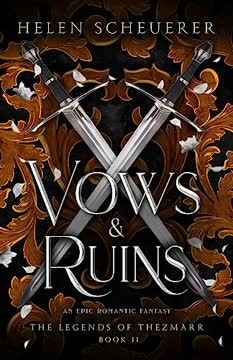
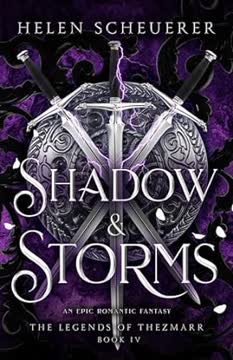
The Legends of Thezmarr Series

About the Author
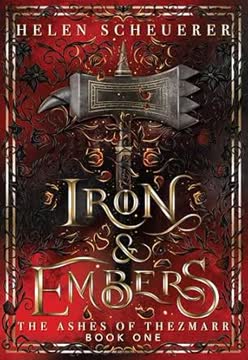
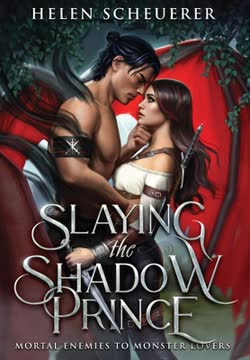
Other books by Helen Scheuerer
Download PDF
Download EPUB
.epub digital book format is ideal for reading ebooks on phones, tablets, and e-readers.








































