
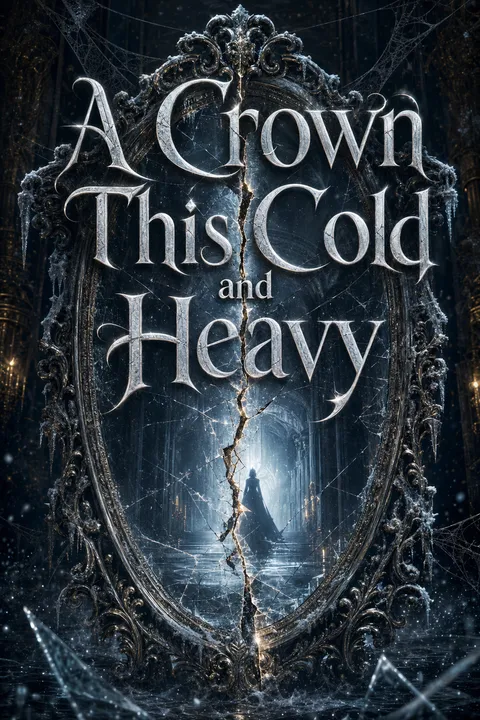


Plot Summary
Waking Bound in a Carriage
Prisca1 surfaces from drugged sleep, wrists clamped in fae iron, jolting through the countryside beside a slumped, bleeding Cavis.8 The man across from her is the blue-eyed stranger who once flirted with her at a Gromalian inn. He names himself Eadric,9 a truth-seeker who has stalked her group for weeks.
Cavis8 wears a black web across half his face, the brand of one of Regner's spiders, children stolen and warped into sleeper agents. Cavis8 had begged Lorian2 to kill him rather than be forced to abduct her, but the cave floor swallowed them both. Eadric9 taunts that Lorian,2 Demos,6 and Asinia7 are already dead, then knocks her out. She refuses to believe it, insisting she would feel such a loss in her bones.
The opening fuses intimacy with violation: the friendly face at the inn becomes the jailer, collapsing the boundary between safety and threat that defines captivity trauma. Cavis embodies the book's cruelest device, a beloved turned unwilling weapon, dramatizing loss of agency as horror. Prisca's refusal to accept her friends' deaths is not naivety but a survival heuristic, an insistence on somatic knowledge over an enemy's words. Stark establishes the season's governing emotion early: dread of losing family. By binding the heroine and stripping her power in the first pages, the narrative resets her from ascending queen to prey, forcing her to rebuild identity from powerlessness rather than triumph.
The Beast in the Labyrinth
Trapped in Regner's5 cave maze, Lorian,2 Demos,6 and Asinia7 flee a bark-skinned, horned monster loosed to trap them. Demos6 wears Prisca's1 hourglass, whose magic blunts the fae iron poisoning their power. They bait the creature toward hidden corpses and kill it together, but a swung leg hurls Asinia7 into a wall, cracking her skull.
Hollowed by the loss of his mate right before his eyes, Lorian2 carries her toward Valdoria, a fae healer who owes him a debt. He confesses to Demos6 and Asinia7 that he stole Prisca's1 suicide disk, denying her the means to end her own suffering. Demos6 snarls that some things are worse than death, but Lorian2 vows he will slaughter across the continent until Prisca1 lives again.
This section mirrors Prisca's helplessness through Lorian, converting his usual lethality into anguished impotence. The mate-bond, unnamed here, manifests physically as a void in his chest, framing devotion as a wound. His theft of the disk crystallizes the book's central ethical friction: love that overrides another's autonomy for their own good. Demos's rebuke, that surviving can be crueler than dying, foreshadows the torture to come and interrogates whether protection is ever paternalism. The monster, engineered and released with sadistic timing, also plants the seed of Regner's creature army, a threat the narrative will scale up relentlessly.
Cavis Chooses His Ending
In the dungeon Eadric9 brings Soltor, whose magic slices flesh to the bone then heals it, promising limitless pain. Prisca1 refuses to surrender hybrid secrets even as they carve her open again and again. Cavis,8 forced to watch, keeps fighting the compulsion that binds him, and each defiance ruptures pieces of his brain. Eadric9 whispers that he serves Zathrian,19 Prisca's1 cousin.
Knowing he now holds decades of fae strategy Regner5 could harvest, Cavis8 provokes his captors until Eadric,9 panicked, buries a blade in his heart. He dies asking Prisca1 to tell his wife and daughter he loved them. Shattered, Prisca1 vows that Eadric,9 Soltor, and Regner5 will all suffer before they die, turning grief into a cold engine of vengeance.
Cavis's death is the emotional fulcrum of the novel, a suicide-by-enemy that reclaims the agency compulsion stole. His choice reframes death as authorship rather than defeat, the opposite of Lorian's confiscated disk. Prisca's transformation of sorrow into wrath introduces her defining coping pathology: rage as anesthetic. The reveal of Zathrian's hand behind Eadric complicates the war, showing the hybrid throne is threatened from within, not only by Regner. Soltor's power literalizes trauma, injury that never resolves, mirroring the psychological argument the book will make, that pain endlessly reopened, rather than mourned, breaks the mind before the body.
The Queen's Secret Ledger
In Regner's5 court, Kaliera,4 the Eprothan queen, plays the declawed kitten while plotting her husband's death. Regner,5 whom she knows as Sabium, forced an infant on her long ago, and against her will she came to love the boy, Jamic,10 now nineteen and imprisoned.
Learning Regner5 intends to sacrifice Jamic10 to reinforce his magical barrier, she leaks intelligence to Madinia,3 first warning of an attack on a Gromalian hybrid camp that saves hundreds, then a coded clue to Prisca's1 dungeon. Her spymaster Pelysian reveals himself as the Pirate Queen's11 estranged brother, bound by a blood vow. Kaliera4 calculates that if the hybrids free Jamic,10 she can eventually place him on the throne, then turn on them all.
Kaliera is the book's study in coerced motherhood and transactional survival. Her interiority reframes villainy as adaptation: a woman who sacrificed a hypothetical daughter to keep her son alive, who prizes adoration over love because adoration cannot be betrayed. Her alliance with Prisca is genuine cooperation layered over planned treachery, a chess game of mutual utility. Stark uses her to argue that power under tyranny corrodes even affection into strategy. Pelysian's exposure widens the web of hidden kinship that structures the plot, and the barrier's monstrous origin, boys drained and killed at sea, indicts Regner's regime as an engine that literally consumes children to sustain itself.
Chicken Bones and a Monster's Mercy
Refusing to wait for saving, Prisca1 sharpens chicken bones into lockpicks and, over agonizing hours, springs her manacles. Reaching through the bars, she freezes time, steals a guard's keys, and turns the corridor into her cage instead of theirs. She kills the guard who threatened to rape her, disarms the rest, and frees a fellow prisoner, Calysian, a stranded outsider who swears a life debt.
Outside, the guards lie torn to pieces: Vynthar,20 the magic-eating Drakoryx bonded to her, has hunted them down. Then Madinia3 gallops up, hair dyed dark, having decoded Kaliera's4 clue, poison's homeland, the name of the queen's horse bought near the dungeon. Together they flee as Regner's5 men close in, Prisca1 free but haunted.
Prisca's self-rescue is thematically load-bearing: she becomes protagonist of her own liberation rather than object of Lorian's quest, inverting the captured-princess trope. The chicken-bone escape rewards earlier lock-picking training, honoring setup and payoff while asserting competence forged in tedium, not spectacle. Vynthar's carnage supplies a darkly comic guardianship, the apex predator as loyal familiar. Madinia's arrival repositions her from prickly loner to unlikely savior, deepening a friendship both women resist. Calysian's life debt seeds a future ally. The section insists that survival is engineered through patience and rage rather than granted, and that Prisca now carries a fractured self she cannot yet name.
Mate, Confessed at Last
Reunited with Lorian2 and his brothers-in-arms at an inn, Prisca1 delivers Cavis's8 last words to Rythos,16 Galon,15 and Marth.17 Alone with Lorian,2 she discovers a stack of letters he wrote to her every night while hunting for her, sanity's only tether. She presses him until he admits the truth he buried: she is his mate, and he dreamed of her as she dreamed of him.
He hid it, he explains, because he needed her to choose him freely rather than out of fated obligation, believing himself unworthy of a mate. Furious yet flooded with relief that he can never leave her for another, Prisca1 chooses him anyway, and swears they belong to each other in this life and every one.
The mate reveal stages a sophisticated meditation on consent and authenticity. Lorian's concealment, though a betrayal of transparency, springs from a modern worry: can love be freely given if it feels predestined? By choosing him after the fact, Prisca converts fate into decision, reclaiming volition the bond seemed to preclude. The letters externalize his devotion, transforming the fearsome Bloodthirsty Prince into a man undone by longing. Cavis's earlier blessing echoes here, giving the romance a bittersweet weight. The scene also marks Prisca's first emotional thaw, though she still refuses to grieve, foreshadowing the reckoning Lorian warns is coming when buried pain eventually surfaces without permission.
Weaponizing Truth and Chaos
With Regner5 planning to drain the barrier's power into himself and become unstoppable, the group races to steal his false son, Jamic,10 first. Prisca1 dispatches Demos6 and Asinia7 to recover Tibris14 from Gromalian rebels who took him hostage. Madinia3 launches a second front, an information war, using Finley's replication magic to mass-produce pamphlets exposing that the corrupt are simply hybrids and the king a liar.
She recruits Caddaril the Cleaver, a grieving crime lord whose son Regner5 burned, to unleash citywide chaos as cover. Prisca1 also authorizes leaking Prince Rekja's21 secret romance to sow discord in Gromalia, wincing at the ruined life of a guard she has never met but ordering it done regardless.
This section reframes rebellion as epistemic warfare. Madinia's insight, that empires stand on belief tied to religion rather than on iron alone, exposes propaganda as Regner's true weapon and truth as an equally violent counterforce. The pamphlet campaign dramatizes how liberating minds is slow, dangerous, and morally clean only in theory. Prisca's cold calculus, spending a stranger's life to fracture Gromalia, marks her hardening into a ruler who trades in gray choices. Caddaril's grief-fueled cooperation extends the book's motif that loss radicalizes. The plot accelerates from survival to strategy, with Jamic positioned as the fulcrum on which the entire war, and Regner's godhood, will pivot.
Stealing the Barrier's Key
Disguised, Prisca1 and Madinia3 corner Rothnic, the patriarch building Regner's5 dungeons, outside a gambling den. Marth's17 mind-reading extracts Jamic's10 location, a heavily guarded gatehouse along the city wall, while Vicer13 finally reveals his power: he steals and rewrites memories, leaving Rothnic believing nothing happened.
As Caddaril's riots erupt, Rythos16 uses his own strange gift, making guards adore him as their dearest friend, to open the castle gates and contain them. Lorian,2 Galon,15 and Marth17 storm the gatehouse and free Jamic,10 a hollow-eyed, over-powered youth wrapped in fae iron. Slipping from his shirt hangs one of the missing fae amulets: Regner5 has been channeling stolen power into the boy through it all along.
The heist showcases the ensemble's morally fraught gifts, memory theft and manufactured friendship, powers that violate the mind as thoroughly as compulsion. Their use for liberation rather than domination sharpens the book's recurring question of what ends justify such means, a debate the characters explicitly sort themselves into. Jamic's black eyes and coiled power make him both salvation and hazard, a rescued innocent who might detonate. The discovered amulet is a delicious reversal: Regner unknowingly hid what his enemies most needed on the very asset he planned to sacrifice, dramatizing how tyranny's greed sows its own defeat. The city's engineered chaos externalizes the regime's brittleness beneath its gilded facade.
A Prophecy of Ash
Meeting Kaliera4 to seal a wary alliance, Prisca1 is confronted by an old woman who steps out of the queen's mirror: Daharak's mother,11 a seer. She offers two prophecies. The first, a riddle about blockades and shadows, will guide Prisca1 to fulfill her vow to the Pirate Queen.11
The second lands like a blade: when the land repels war, clouds hide the sun, waves are coerced, and reflection deceives, the Bloodthirsty Prince2 will die. Refusing to accept it, Prisca1 leads Madinia3 through the castle and puts Regner's5 throne room and sanctuary to the torch, melting his gilded thrones and crumbling his temple as a message to a terrorized city that they are not alone.
The prophecy injects dramatic dread that the rest of the novel exhausts itself resisting, a fate the characters treat as riddle to outwit rather than decree to obey. Prisca's denial reprises her signature defense, converting terror into destructive action, here literal arson. Burning the throne and sanctuary is potent political theater: she attacks the twin pillars of Regner's power, secular and sacred, symbolically decoupling the population's faith from the crown. The seer's mirror entrance also foreshadows the reflective mechanism that will fulfill the darker prophecy. Stark braids private terror with public symbolism, so that Prisca fights her fear of loss by striking at the ideology that manufactures loss.
Winged Death at the Camp
Reaching the rebel camp led by Herne, Demos6 and Asinia7 find Tibris14 held hostage, wounded on arrival but healed and quietly smitten with Herne. Before negotiations resolve, the camp is attacked by feathered, red-eyed creatures of malevolent intelligence, beasts Regner5 has bred. Fighting from the trees, Asinia7 downs several, but Demos,6 shielding a fallen boy, is shredded across his shoulder and side and collapses.
Bleeding out, he tells her to run; she refuses. Baring her strength, she hoists his massive body across her shoulders and, steadied by Vynthar,20 carries him through the dark to Tibris,14 who barely heals him in time. Their long-denied feelings crack open, though Demos6 still cannot resist ordering her to obey next time.
This subplot escalates Regner's threat from magic and iron to a monstrous aerial army, reframing the coming war as something the allies are dangerously unprepared for. It also completes Asinia's arc from liability to warrior: she literally carries the protector who has always carried her, inverting their dynamic and asserting her refusal to remain rescued. Demos's self-sacrifice for a child echoes Cavis, binding the found-family theme across bloodlines, brother claimed by choice. The slow-burn romance foregrounds the tension between love and control that shadows every couple in the book. Tibris finding belonging among the rebels quietly widens the story's map of chosen homes.
Choosing Love Over a Crown
In the fae capital Aranthon, a healer sent to remove Jamic's10 amulet turns out to be another spider and tries to kill him; Madinia3 burns him alive, and the amulet is safely freed. At the summit, Prisca1 faces the territorial wardens and the cold fae king Conreth,12 Lorian's brother,2 who has spent decades leashing Lorian2 as his weapon.
Lorian2 publicly declares he is leaving the kingdom to marry Prisca1 and rule beside her, accepting Conreth's12 threat to bar him from fae lands for a century. Galon,15 Rythos,16 and Marth17 vow to go with him. Prisca1 secures Thorn and Romydan as allies while Conreth12 pledges to help break the barrier; other wardens refuse.
The summit exteriorizes the love-versus-duty conflict that has quietly governed Lorian's life. His renunciation reframes the fearsome prince as a man reclaiming selfhood from a brother who weaponized his grief and power. Conreth emerges as a tragic tyrant in miniature, a ruler who abandoned his own mate for the crown and cannot forgive Lorian for choosing differently. The wardens' bickering and neutrality indict aristocratic self-interest, showing how disunity, not enemy strength, most endangers the fae. The second spider assassin confirms Regner's reach into even the safest sanctuaries, sustaining paranoia. The brothers-in-arms following Lorian cements found family as the book's answer to inherited loyalty and its betrayals.
Outmaneuvering the Pirate Queen
Prisca1 fulfills her first debt to Daharak,11 the Pirate Queen, freezing time so a hundred trapped ships can slip past Regner's5 blockade at the Frosthaven Isles with a hidden weapon. When the enemy ship the Sea Shadow charges to ram them, Prisca1 recalls the seer's riddle and orders the sails turned toward the sun, so the attacker misses and shatters on a hidden reef.
Then Prisca1 strikes a second bargain, gambling that Daharak11 has not yet learned Regner5 wants the barrier down: she vows to topple it within three weeks in exchange for Daharak's11 entire fleet. When the Pirate Queen11 later realizes she was tricked, and that the hybrids already hold Jamic,10 she is furious but bound.
The Frosthaven sequence rewards the first prophecy, proving the seer reliable and thereby amplifying dread about Lorian's foretold death. Prisca's manipulation of Daharak marks her graduation into ruthless statecraft, winning a navy through calculated deception rather than trust. It is a mirror of Madinia's earlier maneuvers, showing how leadership in this world runs on leverage. Daharak, self-interested yet honor-bound to her own code, becomes a volatile ally whose pride the narrative flags as a future liability. The riddle's fulfillment models the book's fatalism: prophecy is not comfort but a countdown, and every fulfilled clue tightens the noose around the reader's fear for the doomed prince.
Ten Thousand Chained Nightmares
Unable to slip quietly from the castle, Kaliera4 stages a market fire and escapes with her servant Nelia, sailing under forged papers to reach the granite mine of Lyrishade. She dismisses Nelia and, using her faint power to hide from guards, slips inside, driven to find the last amulet and evidence to bargain with.
What she discovers freezes her blood: not hundreds but tens of thousands of Regner's5 bred creatures, winged horrors and sleek ground predators, chained in fae iron, enough to annihilate any army. This is why Sabium5 has stayed so eerily calm even after losing Jamic.10 As she stares at the scale of his hidden weapon, a huge hand clamps over her mouth from behind.
Kaliera's infiltration escalates the monster threat from a single camp raid to existential scale, reframing the naval war as merely the visible front of a hidden apocalypse. Her recklessness, ignoring Pelysian's pleas, exposes the emotional truth beneath her calculation: after a lifetime of passivity, she needs one act of defiant agency, even at fatal risk. The scene also decodes Regner's unnerving composure, revealing his patience as the confidence of a man holding a genocide in reserve. Ending on her capture mirrors Prisca's opening imprisonment, bracketing the book with two women seized by the same tyrant, and leaving the regime's deadliest secret dangling as an unresolved threat.
Fire, Cannons, and a Reflected Island
Regner's5 and Eryndan's gilded fleets arrive early, armed with elemental cannons that hurl magic across the waves. To force the neutral warden Verdion into the war, Marth's17 ship lures Regner's5 flank to fire toward the blurred island of Quorith; Prisca1 freezes time to yank the decoy clear, and Quorith's ancient ward reflects the blast, obliterating the attacker and dragging Verdion's people into the fight.
Aboard the Gromalian fleet, Rythos16 and a frail woman board Prince Rekja's21 ship: his hidden aunt proves that King Eryndan murdered Rekja's21 mother. Shattered by the truth, Rekja21 turns his power on his father and blows Eryndan's ship apart, then sails home, cracking the enemy alliance while Zathrian19 and Eadric9 stand smugly beside Regner.5
The battle rewards long-laid groundwork: Quorith's reflective ward, the Rekja manipulation, and Verdion's stubborn neutrality all pay off in a single choreographed gambit. The reflection motif returns, now as strategy, foreshadowing its lethal encore. Rekja's patricide dramatizes how Regner's culture of lies detonates from within once truth reaches the wounded; grief again becomes the war's true accelerant. Yet the appearance of Zathrian and Eadric beside Regner reminds us the hybrid threat is intertwined with the human one, and Zathrian's presence, a man who once neutralized Prisca's power, plants the mechanism for imminent catastrophe. Momentum swings toward the allies precisely so the coming loss will land harder.
The Mirror's Cruel Trick
Humble skiffs of low-powered fae, hybrids, and villagers led by Madinia3 and Natan, a survivor of Prisca's1 slaughtered village, row to the barrier and slam their magic into it. With relentless power and time, the barrier shatters and falls.
In triumph Conreth12 hurls his ice at Regner's5 ship to cripple his generals, but Regner,5 Zathrian,19 and Eadric9 raise a hidden mirror tied to the grimoire, and Zathrian19 neutralizes Prisca's1 magic so she cannot intervene. The mirror reflects Conreth's12 attack back across the water.
Prisca1 screams too late; the ice strikes Lorian2 in the chest, freezing him solid before he explodes into thousands of pieces. The prophecy's every clue, repelling land, sun-hiding smoke, coerced waves, deceiving reflection, has come true.
The barrier's fall, achieved by the powerless many rather than the mighty few, delivers the book's populist thesis: liberation belongs to ordinary courage, not elite spectacle. Its triumph is immediately weaponized against them, the reflection trap converting victory into fratricide with exquisite irony. Conreth kills the brother he spent decades caging, a devastating literalization of how his controlling love was always self-destructive. The prophecy's total fulfillment collapses the resistance Prisca mounted against fate, insisting some griefs cannot be schemed away. Zathrian's neutralization pays off his earlier ambush, making the hybrid civil war complicit in the human king's masterstroke. It is the darkest inversion of the novel's hope.
Defying the Gods
As Lorian's2 frozen body scatters, Prisca1 seizes the hourglass and stops time, ignoring Zathrian's19 efforts to neutralize her and Telean's18 screams that this will kill her and unbalance the world. Refusing to accept that the gods, and the seer, have won, she pours out every drop of power she possesses, then reaches past emptiness for more.
Blood runs from her nose and ears as she pictures his shattered soul reforming, his scattered pieces rejoining. For an instant his presence brushes hers, gently telling her to let go. She will not. Baring her teeth against the laws of nature and the will of the gods themselves, she shoves everything she has into bringing Lorian2 back, in this life and every life.
The finale weaponizes love as ultimate transgression, framing resurrection not as tender hope but as hubristic war against cosmic order. Prisca's refusal to let go inverts every lesson the book taught about accepting loss, choosing instead to fight it, embodying the closing thesis that the price of love is loss and fighting anyway is the only meaningful reply. Telean's warning about balance seeds moral cost, hinting that defiance of the gods may exact a terrible toll. Ending mid-transgression suspends the reader between miracle and ruin, a cliffhanger that converts grief's paralysis into ferocious agency. It reframes the heroine from queen-in-waiting to a woman willing to break the world for one soul.
Analysis
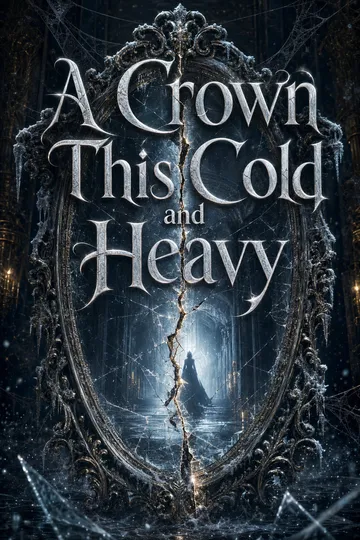
This middle installment weaponizes grief as its engine. Stark structures the book around loss that refuses catharsis: Prisca1 clamps her mourning into a mental box, and the narrative repeatedly argues that suppressed pain will eventually cripple rather than protect. The tension between feeling and functioning drives her arc, resolved only when she finally weeps holding Cavis's8 orphaned daughter. The mate-bond subplot interrogates consent and authenticity: Lorian2 hides the bond precisely because he wants Prisca1 to choose him rather than fate, dramatizing a modern anxiety about whether love can be freely given when it feels predestined. By choosing him after the fact, she converts destiny into decision. Meanwhile the political thread reframes war as information control. Madinia's3 pamphlet campaign and Regner's5 centuries of religious propaganda make clear that empires are held by belief, not just iron, and that liberating minds is as violent and costly as liberating bodies. Kaliera's4 chapters supply a chilling study of maternal love born under coercion, a woman who sacrifices a hypothetical daughter to save an adopted son, calculating adoration as survival currency. The recurring motif of reflection, mirrors that repel and prophecies that deceive, culminates in the cruelest irony: the tool meant to protect turns a brother's power12 into fratricide. Stark's prophecies function less as fate than as dramatic dread, planting inevitability the characters exhaust themselves resisting. The book's moral texture lives in its gray choices: kidnapping an innocent guard, contemplating killing Jamic,10 deploying a memory thief.13 Each asks what a just ruler may spend. Prisca's1 final act, defying the gods to reclaim Lorian,2 is both love's ultimate refusal of loss and a hubristic gamble that the world must be balanced. The novel ends mid-transgression, insisting the price of love is loss, and fighting anyway is the only meaningful answer.
Review Summary
A Crown This Cold and Heavy received mixed reviews, with many praising its emotional depth, character development, and high-stakes plot. Readers loved the found family trope and Prisca's growth as a leader. Some felt the multiple POVs and political focus slowed the pacing. The romance between Prisca and Lorian remained a highlight for many. The cliffhanger ending left readers shocked and eager for the next book. While some found the middle section slow, most agreed the series continues to improve with each installment.
People Also Read
Characters
Prisca (Nelayra)
Hybrid heir with time magicThe hybrid queen-in-waiting, wielder of time magic and heir to the god-gifted hourglass. Raised human in a village that was later slaughtered, she carries survivor's guilt and a fierce, self-sacrificing devotion to her found family and her people. Her defining flaw is compulsive suppression of grief, which she locks away and converts into rage rather than mourning. Torn between duty to her kingdom and love for Lorian2, she matures across the book from a captive stripped of power into a ruler capable of cold, gray-area calculation, deception, arson, and spending lives for strategy. Beneath the hardening runs a stubborn tenderness: she offers choices to the powerless, weeps for enemies she must kill, and refuses to let anyone she loves be reduced to a casualty.
Lorian
Fae prince, feared warriorThe fae warrior called the Bloodthirsty Prince, brother to King Conreth12 and the most powerful fae alive. For decades he served as his brother's leashed weapon, believing his blood-soaked hands made him unworthy of happiness. Possessive, arrogant, and unrelentingly protective, he channels a monstrous, newly awakened fire-power he can barely control. His love for Prisca1 reorders his entire identity, exposing a devotion so total it borders on obsession, yet capable of gentleness, patience, and self-mockery. He struggles with the ethics of overriding Prisca's1 autonomy to keep her alive, and with a wound of fraternal betrayal that has calcified into resigned loyalty. He writes her letters as a lifeline and would burn the world to keep her safe.
Madinia
Fire-wielding former court ladyA former lady of the Eprothan queen4, gifted with fire and considered a dragon by her people. Prickly, cutting, and fiercely independent, she conceals deep loneliness and old wounds beneath contempt, betrayed repeatedly by cruel court peers and a father who let her live in terror of her own nature. She travels alone as a spy, disguised and untrusting, yet proves ferociously loyal once she claims someone as hers. Her genius lies in psychological warfare and propaganda, understanding that empires are held by belief. Restless and running from intimacy, she craves freedom above all, even as her actions repeatedly reveal a hunger for the family and friendship she refuses to admit she wants.
Kaliera
Scheming Eprothan queenThe Eprothan queen, married to the immortal tyrant she calls Sabium5. For years she has played the declawed kitten, masking a cold, brilliant strategist who has outlasted sixteen of her husband's generals. Coerced into motherhood by the infant thrust upon her, she came against her will to love the boy Jamic10, and everything she does orbits his survival. She trades in adoration rather than love, calculating loyalty as currency, and allies with the hybrids only as a means to place her son on a throne before turning on them. Beneath her ruthless composure lies grief for a daughter she sacrificed and a woman desperate for one act of genuine defiance against her captor-husband.
Regner (Sabium)
Immortal tyrant kingThe immortal human king who rules Eprotha as Sabium, having hoarded stolen fae and hybrid magic for centuries. A master manipulator of populations, he ties his lies to religion, brands hybrids as corrupt, and burns them publicly. His villainy is rooted in an obsession with a dead son and a refusal to accept that his own war caused his family's deaths. Patient, paranoid, and sadistic, he plants sleeper agents as children, breeds monstrous creatures, and sustains a barrier by draining and slaughtering the boys he raises as sons. Calm even in setback, he wears civility as a mask he removes only for his wife4, whom he keeps leashed through fear.
Demos
Prisca's warrior brotherPrisca's1 long-lost brother and the hybrid prince, a natural strategist whose power reads the safest path through danger. Two years imprisoned and tortured left him unbreakably protective, unable to bear the helplessness of watching loved ones suffer. Stubborn and controlling, he claims people as family and would die for them without hesitation, including a brother by choice, Tibris14. His guarded, simmering bond with Asinia7 drives much of his emotional arc.
Asinia
Seamstress turned fighterPrisca's1 childhood best friend, a gifted seamstress hiding a subtle precision power. Long cast as the fragile one to be rescued, she is determined to shed the role of victim and become a warrior in her own right. Warm, reasonable, and self-aware, she grieves her murdered mother openly, unlike Prisca1. Her charged, unresolved tension with Demos6 and her fierce loyalty define her growing courage.
Cavis
Lorian's loyal brother-in-armsOne of Lorian's2 found-family warriors, the gentlest of the group, devoted husband to Sybella and father to baby Piperia. Rescued as an orphaned child, he carries a buried secret from a childhood he cannot remember. Kind to everyone and obsessed with protecting the weak, he embodies what the group fights for, and the terrible cost of a war that reaches even the innocent.
Eadric
Charming interrogator, hidden agendaA handsome, blue-eyed man who first appears flirting at a Gromalian inn, later revealed as a truth-seeker and captor. Sadistic and theatrical, he takes personal pleasure in breaking Prisca's1 spirit. His allegiance runs deeper and more tangled than Regner's5 cause, serving hidden masters within the hybrid power struggle, making him both torturer and pawn.
Jamic
Regner's imprisoned false sonThe nineteen-year-old the kingdom believes is Regner's5 heir, imprisoned in fae iron and forced to hold immense stolen power. Quiet, watchful, and eerily old-eyed, he has been denied a life and memorizes the world as if it will be taken from him. Beneath his placid mask lies both trauma and a shrewd, self-protective mind that is nobody's fool.
Daharak
The Pirate QueenThe swaggering, self-serving Pirate Queen whose fleet both sides covet. Proud, unpredictable, and bound by her own code of honor, she has spent decades making fools of the continent's kings. Loyalty can be bought from her, and her ego is both weapon and weakness. She trades in blood vows and amusement, a formidable ally who must be handled like a live blade.
Conreth
Cold fae king, Lorian's brotherThe fae king, Lorian's elder brother2, who for decades exploited the Bloodthirsty Prince's reputation while keeping him leashed and far from real power. Obsessed with securing his crown, he mistakes control for love and once abandoned his own mate for the throne. Capable of gentleness with his queen, he nonetheless treats his brother's2 happiness as a threat to be managed.
Vicer
Hybrid rebel organizerA dogged hybrid rebel leader driven by the loss of a lover burned as corrupt. He conceals a formidable, unsettling gift for stealing and rewriting memories, a power that made him useful to the king he despises5. Increasingly grim and self-sacrificing, he refuses to abandon those he believes he can still save, even at great personal cost.
Tibris
Compassionate healer brotherPrisca's1 adoptive brother, a healer whose compassion compels him to help even his captors. Iron-willed beneath his gentleness, he was secretly a rebel who freed prisoners under Regner's5 nose. Sent to negotiate with Gromalian rebels, he finds unexpected belonging, and a tentative attraction to their leader.
Galon
Steady water-wielding strategistThe calm, older brother of Lorian's2 warrior band, a master of water and wards who trained fae warriors for decades. He serves as the group's voice of reason and moral compass, quietly grieving and fiercely devoted to his chosen family.
Rythos
Optimistic charm-wielderA warm, relentlessly optimistic member of Lorian's2 band whose power makes others believe he is their dearest friend. Estranged from his cold warden father, Verdion, he channels grief into determination and keeps the group's spirits from collapsing.
Marth
Grief-stricken warriorOnce the playful, flirtatious member of Lorian's2 band, transformed by loss into a volatile, drinking, guilt-ridden man who blames himself for missing the warning signs in a friend. His raw mourning contrasts with Prisca's1 suppression.
Telean
Prisca's devoted auntPrisca's1 aunt and keeper of hybrid history, who fled with her parents long ago. Fierce, wise, and endlessly hopeful, she mentors Prisca1 in wielding the hourglass and dreams of leading her people home.
Zathrian
Rival hybrid claimantPrisca's1 cousin and rival for the hybrid throne, a manipulative schemer who deceived the elders, dosed himself to fool the Drakoryx20, and seized control of the hybrid army. His parents dropped the wards that doomed thousands, a legacy he shares.
Vynthar
Magic-eating DrakoryxA telepathic, magic-eating Drakoryx bonded to Prisca1. Deadly yet oddly domestic, he devours enemies, guards children, and speaks into minds, an apex predator who has chosen the hybrid queen1 as his own.
Rekja
Conflicted Gromalian princeThe Gromalian crown prince, more reasonable than his tyrant father Eryndan. Manipulated by Prisca1 yet capable of genuine feeling, he loves a common guard and carries buried grief over his mother's fate.
Plot Devices
The Hourglass
Amplifies and drains time magicThe god-gifted artifact that channels the hybrid monarch's time magic, Prisca's1 birthright. Recovered from Regner's5 caves, it lets her freeze time across vast distances, disarm enemies, and shield allies. But it is ravenous: it bypasses the body's warnings and can pull every drop of power at once, potentially killing its wielder without warning. Telean18 teaches that it must always be held to remain linked, a physical tether against its greed. It makes Prisca1 flicker in and out of existence when overtaxed and threatens to swallow her selfhood in a trance. The hourglass is both her greatest weapon in battle and the instrument through which she attempts her final, world-defying act.
Regner's Spiders
Sleeper agents via compulsionRegner's5 most insidious weapon: children stolen and magically implanted with a dormant compulsion, marked by a black web that surfaces across the face when activated. Planted for decades inside enemy courts and families, they live as trusted friends until Regner5 triggers them to betray, abduct, or kill. Fighting the compulsion causes the brain to bleed and die piece by piece, so resistance is itself fatal. The device drives the book's central horror, the beloved turned unwilling traitor, and recurs to sustain paranoia: no ally, however trusted, can be assumed free of Regner's5 hidden hand, even in the safest sanctuaries.
Blood Vows
Binding magical bargainsFae bargains sealed in blood, visible as thin lines across the palm that fade when fulfilled. They enforce agreements no party can break and appear throughout as currency of alliance and secrecy: Prisca's1 debts to the Pirate Queen11, a spy's hidden kinship revealed only under vow conditions, and Prisca's1 shrewd trade of the barrier's fall for an entire fleet. The vows track the book's economy of leverage, showing that trust in this world is enforced by magic rather than faith, and that clever wording can turn obligation into strategic advantage.
The Seer's Prophecies
Foretells doom and guidanceTwo prophecies delivered by Daharak's mother11, a seer who steps from a mirror. The first, a riddle of blockades and shadows, guides Prisca1 to save the Pirate Queen's11 fleet and proves reliable when a rammed ship is dodged by turning the sails toward the sun. The second foretells that the Bloodthirsty Prince2 will die when land repels war, clouds hide the sun, waves are coerced, and reflection deceives. Prisca1 spends the novel resisting it, treating fate as a riddle to outwit. The prophecies function as escalating dread, their clues clicking into place one by one to tighten a noose around the reader's hope.
The Grimoire and Mirror
Reflects magic, anchors wardsRegner's5 dark grimoire, written by a fallen god, taught him to build his barrier and to tie his impenetrable wards to a mirror that casts back any magic aimed at him, just as a reflection returns an image. Jamic10 explains the grimoire's true scope and its link to the oceartus stones that steal power. The reflection principle is seeded early through the island of Quorith's ward, which repels an enemy blast, then weaponized catastrophically when Regner5 uses the mirror to bounce a devastating attack back onto the allies, turning a kinsman's power into an instrument of death.
FAQ
Synopsis & Basic Details
What is A Crown This Cold and Heavy about?
- Hybrid Heir's Struggle: Prisca, the hybrid heir, navigates betrayal and captivity after being captured by Regner's forces, grappling with the loss of allies and the weight of her destiny.
- Gathering Allies Against Tyranny: The story follows Prisca and her diverse group of allies – including the fae prince Lorian, her brother Demos, and the cunning Madinia – as they race against time to rescue a key prisoner, secure powerful alliances like the pirate queen's fleet, and prevent the human king Regner from gaining godlike power.
- War for a Continent's Future: Set against a backdrop of political intrigue and looming war, the narrative centers on the fight to dismantle Regner's oppressive barrier and unite disparate peoples (hybrids, fae, humans, pirates) against a common, increasingly monstrous enemy, exploring themes of sacrifice, loyalty, and the true cost of power.
Why should I read A Crown This Cold and Heavy?
- Deep Emotional Stakes: The book delves into the psychological toll of war and loss, particularly Prisca's struggle with grief and leadership, and Lorian's fierce protective instincts, creating compelling character arcs.
- Intricate World-Building & Magic: It expands on the established fantasy world, introducing new magical elements like the hourglass and elemental cannons, exploring the complex history and powers of different races, and revealing hidden aspects of the political landscape.
- High-Stakes Plot & Unexpected Twists: With constant threats, shifting alliances, and surprising betrayals (like Cavis and the spider magic, or the healer Metral), the narrative keeps readers on edge, building towards a climactic confrontation with devastating consequences.
What is the background of A Crown This Cold and Heavy?
- Post-Massacre Political Landscape: The story is set in a world reeling from Regner's hybrid hunts and massacres, particularly the destruction of Prisca's village, fueling the urgency of the resistance.
- Ancient Magical Conflict: The core conflict stems from Regner's centuries-long war against hybrids and fae, rooted in the theft of power, the creation of the barrier using a dark grimoire, and the manipulation of ancient artifacts like the hourglass and fae amulets.
- Geographical and Cultural Divides: The narrative spans various distinct regions – Eprotha (human kingdom), the Fae Lands (Aranthon, Quorith), Gromalia (human/hybrid border), the Frosthaven Isles, and the sea – highlighting the geographical separation and cultural distrust Regner has fostered between the races.
What are the most memorable quotes in A Crown This Cold and Heavy?
- "You don't let this break you.": Uttered by Cavis to Prisca while they are imprisoned, this line encapsulates the theme of resilience in the face of unimaginable suffering and becomes Prisca's internal mantra to survive and fight back.
- "In every life, wildcat. No matter what happens, you hold on to that. It's you and me in every life.": Lorian's powerful declaration to Prisca, emphasizing the depth and permanence of their bond, transcending fate and the dangers of their world, offering a beacon of hope amidst the darkness.
- "Swords may clash in battle, but words shape the destiny of kingdoms.": Madinia's father's wisdom, quoted by Madinia, highlights the crucial role of propaganda and information warfare in their fight against Regner's manipulation of the populace, underscoring that the battle is fought not just with magic and steel, but with truth and perception.
What writing style, narrative choices, and literary techniques does Stacia Stark use?
- First-Person Perspective (Prisca & Lorian): The narrative primarily uses a close first-person point of view, alternating between Prisca and Lorian, providing intimate access to their thoughts, emotions, and internal struggles, enhancing reader connection and tension.
- Fast-Paced, Action-Oriented Plotting: The story features a relentless pace, driven by constant threats, urgent missions, and frequent action sequences (escapes, battles, infiltrations), propelling the plot forward with high energy.
- Emotional Depth and Internal Monologue: Despite the action, significant space is given to characters' internal thoughts and emotional processing, particularly Prisca's grief and Lorian's protective instincts, adding psychological complexity and balancing the external conflict with internal character development.
Hidden Details & Subtle Connections
What are some minor details that add significant meaning?
- Eadric's Personal Grudge: Eadric's seemingly throwaway line, "What did I ever do to you?", when torturing Prisca, hints at a deeper, personal motivation beyond simply serving Regner or Zathrian, suggesting a past connection or perceived wrong that fuels his cruelty.
- The Dying Garden Symbolism: Queen Kaliera's observation of her palace garden dying ("wispbloom roses... spotted with brown," "Nightmare roses... touch of rot," "delphiniums... leaned drunkenly") subtly mirrors the decay and corruption within Regner's court and her own suffocated state, symbolizing the unnaturalness and rot of the king's rule.
- Calysian's Extra-Continental Origin: Calysian mentioning he's "from…elsewhere" and trapped by the barrier reveals that Regner's actions have had unforeseen consequences beyond the immediate continent, hinting at a wider world and potential future allies or conflicts from across the sea.
What are some subtle foreshadowing and callbacks?
- Cavis's Early Symptoms: Marth's later confession that Cavis had mentioned "strange dreams involving webs" and "losing time" foreshadows his true nature as one of Regner's spiders, revealing that subtle signs of the compulsion were present long before its activation, tragically missed by his friends.
- The Mirror's Reflective Power: Jamic's explanation that Regner's wards are tied to a mirror that "casts back a reflection" subtly foreshadows the climax where Regner uses a mirror to reflect Conreth's power, turning a fae attack into a devastating weapon against their own.
- Prisca's Dream of Lorian: Prisca's early dream of Lorian, initially dismissed as a result of his influence on her life, is later revealed to be a sign of their mating, a callback that recontextualizes their initial connection and underscores the idea of fate intertwining their paths.
What are some unexpected character connections?
- Pelysian and Daharak Rostamir: The revelation that Pelysian, Queen Kaliera's seemingly loyal spy master, is actually the brother of the pirate queen Daharak Rostamir is a significant and unexpected connection, explaining his ability to gather information and adding a layer of complexity to both characters' motivations and loyalties.
- Tymriel's Secret Observation: Tymriel, the hybrid elder who initially seemed dismissive of Prisca, reveals he has been secretly observing her actions and choices from afar, judging her worthiness to lead, an unexpected level of engagement from the seemingly passive elders.
- Rekja's Aunt as Key Witness: The discovery that Rekja's aunt, Losorli, is alive and possesses the physical evidence (the poisoned valeo) of Eryndan's murder of Rekja's mother is a crucial and unexpected connection that provides the leverage needed to potentially turn the Gromalian prince against his father.
Who are the most significant supporting characters?
- Madinia: Beyond her cunning, Madinia's personal history of betrayal by the queen's ladies and her deep-seated desire for redemption and justice for hybrids like Wila make her a complex and vital ally, driving key plot points like the propaganda campaign and the castle infiltration.
- Demos: More than just Prisca's brother and protector, Demos's experiences in Regner's dungeon have forged him into a fiercely loyal and strategic warrior whose protective instincts extend beyond Prisca to include Tibris and Asinia, highlighting themes of found family and the lasting impact of trauma.
- Kaliera: Regner's queen is a master manipulator whose cryptic messages and seemingly self-serving alliance are crucial to Prisca's plans, yet her complex relationship with Jamic and her own desperate desire for freedom from Regner add layers of ambiguity and potential future conflict.
Psychological, Emotional, & Relational Analysis
What are some unspoken motivations of the characters?
- Lorian's Need for Worthiness: Beyond protecting Prisca, Lorian's deep-seated belief that he is unworthy of happiness due to his past actions and reputation as the "Bloodthirsty Prince" is an unspoken motivation that drives his initial reluctance to fully embrace their mating and his constant need to prove himself through sacrifice.
- Madinia's Quest for Validation: Madinia's sharp tongue and prickly demeanor mask a deep desire for acceptance and validation, stemming from years of being ostracized and betrayed in Regner's court; her actions are partly motivated by a need to prove her worth and capability to herself and others.
- Demos's Aversion to Helplessness: Demos's fierce protectiveness and occasional overbearing nature are deeply rooted in the trauma of his imprisonment, where he was forced to witness suffering and death while being utterly helpless, driving an unspoken motivation to never feel that powerless again.
What psychological complexities do the characters exhibit?
- Prisca's Grief and Suppression: Prisca exhibits complex psychological responses to trauma, particularly her inability to cry or fully process grief after Cavis's death, choosing instead to channel her pain into rage and determination, a coping mechanism that Lorian warns could eventually cripple her.
- Jamic's Traumatic Adaptation: Jamic displays psychological complexities stemming from years of isolation and manipulation, including a detached demeanor, a surprising pragmatism about his own potential death, and a deep-seated desire for freedom and agency after a lifetime of being a pawn.
- Marth's Guilt and Self-Blame: Marth's transformation from lighthearted to grim is a psychological complexity driven by overwhelming guilt over missing the signs of Cavis's compulsion, leading to self-blame and a struggle to reconcile his past actions with the tragic outcome.
What are the major emotional turning points?
- Cavis's Sacrifice: Cavis's death is a major emotional turning point, shattering Prisca's defenses, fueling her rage and determination for vengeance, and deeply impacting Lorian, Demos, and the others, solidifying their resolve and highlighting the brutal cost of their fight.
- Prisca's Acceptance of the Mating: Prisca's emotional acceptance of her mating with Lorian, despite her initial fury over his deception, is a turning point that solidifies their bond, removes her fear of future separation, and provides her with a crucial emotional anchor amidst the chaos of war.
- Sybella's Confrontation with Prisca: Sybella entrusting Piperia to Prisca and asking her to promise vengeance is a powerful emotional turning point, forcing Prisca to confront her suppressed grief directly and accept the weight of her losses, allowing her to finally begin mourning.
How do relationship dynamics evolve?
- Prisca and Lorian's Deepening Bond: Their relationship evolves from reluctant allies/lovers to a deeply committed, soul-bound partnership, tested by separation, trauma, and the revelation of their mating, culminating in a proposal and unwavering mutual support.
- Prisca and Demos's Sibling Connection: Their dynamic shifts from cautious alliance to a genuine sibling bond, forged through shared trauma in the dungeon and mutual protection, marked by moments of vulnerability and Demos's fierce, albeit sometimes overbearing, protectiveness.
- The Fae Brothers' Fractured Relationship: Lorian and Conreth's relationship deteriorates from strained brotherhood to open defiance, as Lorian chooses Prisca over his title and kingdom, highlighting the deep-seated resentment and differing priorities that have long simmered between them.
Interpretation & Debate
Which parts of the story remain ambiguous or open-ended?
- Lorian's Survival and its Consequences: The most significant ambiguity is whether Lorian is truly alive after being hit by the reflected power and what the long-term consequences of Prisca's desperate act with the hourglass will be for both him and her power.
- The Nature and Location of the Grimoires: The full power and origin of the grimoires, as well as the location of the other two, remain largely unknown, leaving open the possibility of other powerful artifacts influencing the war.
- Calysian's True Identity and Purpose: Calysian's origins from "elsewhere," his power to manipulate senses, and his motivations for helping Madinia remain mysterious, suggesting he may play a larger, currently unknown role in the future conflict.
What are some debatable, controversial scenes or moments in A Crown This Cold and Heavy?
- Kaliera's Alliance and Motivations: Kaliera's decision to help Prisca, particularly by revealing her location while imprisoned, is debatable. Is she purely self-serving, or does her complex relationship with Jamic and her own suffering under Regner make her a genuinely motivated, albeit morally ambiguous, ally?
- Prisca's Decision to Hide the Prophecy: Prisca's choice to initially hide the seer's prophecy about Lorian's death from him is controversial. Was it an understandable attempt to protect him and herself from fear, or a misguided act of deception that violated their trust?
- The Elders' Actions and Intentions: The hybrid elders' refusal to fully support Prisca initially, and Tymriel's later revelation that he was observing her, raises questions about their leadership and intentions. Were they truly trying to forge Prisca into a stronger leader, or were they prioritizing their own safety and political maneuvering over the immediate needs of their people?
A Crown This Cold and Heavy Ending Explained: How It Ends & What It Means
- The Barrier Falls, But at a Cost: The barrier is successfully brought down through a combination of Jamic's power, concentrated magic from hybrids and fae in skiffs, and the collective power of those on the ships. However, this victory is immediately overshadowed by a devastating loss.
- Lorian's Apparent Death: Regner uses a hidden mirror to reflect Conreth's powerful ice attack, hitting Lorian directly. Lorian appears to turn to ice and shatter, fulfilling the seer's prophecy about the "Bloodthirsty Prince" dying when "reflection deceives."
- Prisca Defies Fate: Consumed by grief and rage, Prisca uses the hourglass to stop time and attempts the impossible: bringing Lorian back to life by pouring all her remaining power, and more, into defying death, leaving her fate and Lorian's survival ambiguous but setting up a direct confrontation with the consequences of manipulating time and challenging the gods in the next book.
Kingdom of Lies Series
About the Author

Download PDF
Download EPUB
.epub digital book format is ideal for reading ebooks on phones, tablets, and e-readers.








































