Những điểm chính
1. Bạn luôn có quyền lựa chọn thái độ khi làm việc
Luôn có một sự lựa chọn về cách bạn thực hiện công việc, dù không thể chọn công việc đó.
Sức mạnh của sự lựa chọn. Dù không thể thay đổi hoàn cảnh bên ngoài, nhiệm vụ hay cấp trên, ta vẫn giữ quyền kiểm soát tuyệt đối trạng thái nội tâm. Mary Jane nhận ra đội ngũ tầng ba đã rơi vào tâm thế nạn nhân, phản ứng với công việc nhàm chán bằng sự oán giận. Khi hiểu rằng thái độ là quyết định ý thức mỗi ngày, ta lấy lại quyền làm chủ và không để hoàn cảnh bên ngoài chi phối hạnh phúc.
Phá bỏ tâm lý nạn nhân. Khi phản ứng một cách vô thức trước áp lực hàng ngày, ta giao quyền lực cho môi trường. Bà ngoại của Lonnie không hẳn yêu thích rửa bát, nhưng bà làm việc đó bằng tình yêu, biến việc nhàm chán thành trải nghiệm ấm áp, gắn kết.
- Chọn thái độ “nổi tiếng toàn cầu” thay vì bình thường.
- Nhận ra ta có thể kiểm soát phản ứng dù không kiểm soát được sự kiện.
- Chuyển từ phản ứng thụ động sang hành động có ý thức, chủ động.
Luyện tập chánh niệm hàng ngày. Nuôi dưỡng thái độ tích cực cần nhắc nhở liên tục và hỗ trợ có cấu trúc. Đội tầng ba tạo ra “Thực đơn Thái độ” để mỗi sáng tự nhắc mình đang chọn thái độ nào. Công cụ đơn giản này đã chuyển trạng thái mặc định của phòng ban từ thờ ơ độc hại sang nhiệt huyết có chủ đích.
2. Chơi đùa là công cụ kinh doanh nghiêm túc thúc đẩy năng lượng và sáng tạo
Đây là một doanh nghiệp thật sự nhằm kiếm lợi nhuận. Doanh nghiệp này trả lương nhiều người, và chúng tôi làm việc nghiêm túc, nhưng cũng nhận ra có thể nghiêm túc mà vẫn vui vẻ trong cách vận hành.
Tính vui chơi thúc đẩy năng suất. Nhiều tổ chức nhầm tưởng chuyên nghiệp là phải nghiêm trang, thiếu niềm vui. Những người bán cá ở Pike Place chứng minh sự nhẹ nhàng và hiệu suất cao không loại trừ nhau mà còn gắn bó mật thiết. Khi đưa yếu tố chơi vào nơi làm việc, ta phá vỡ sự đơn điệu, giảm căng thẳng và kích thích giải quyết vấn đề sáng tạo.
Lợi ích của chơi đùa. Khi nhân viên được thể hiện bản thân vui tươi, chân thật, toàn bộ động lực tổ chức thay đổi. Chơi là liều thuốc tự nhiên chống kiệt sức và nuôi dưỡng tinh thần đồng đội.
- Nhân viên vui vẻ đối xử ấm áp hơn với khách hàng và đồng nghiệp.
- Môi trường vui nhộn kích thích tư duy đổi mới và dám thử thách.
- Thời gian trôi nhanh hơn, biến công việc thành trải nghiệm đáng giá.
Tạo sân chơi an toàn. Để chơi thành công, lãnh đạo phải tạo không gian an toàn, nơi nhân viên không sợ bị phán xét. “Đội Chơi” của Mary Jane thiết lập khu vực sáng tạo “Hộp cát” và tổ chức các cuộc thi vui vẻ. Những thay đổi này giúp đội vừa nghiêm túc với công việc vừa không quá nghiêm trọng với bản thân.
3. Tập trung làm cho ngày của người khác trở nên tốt đẹp để xây dựng kết nối sâu sắc, tích cực
Tập trung vào cách làm cho ngày của người khác tốt hơn mang lại dòng cảm xúc tích cực liên tục.
Tập trung ra ngoài. “Làm cho họ vui” là chiến lược mạnh mẽ chuyển sự chú ý từ than phiền, giới hạn bản thân sang nhu cầu của người khác. Khi chủ động tìm cơ hội gây bất ngờ, làm vui và hỗ trợ đồng nghiệp hay khách hàng, ta tạo vòng tuần hoàn thiện chí. Sự hướng ngoại này xóa tan tiêu cực tự kỷ thường thấy trong môi trường làm việc độc hại.
Gắn kết khách hàng. Những người bán cá không chỉ bán cá mà còn mời khách tham gia vào thế giới của họ, biến khách thành người chơi tích cực. Biến giao dịch đơn giản thành trải nghiệm đáng nhớ giúp xây dựng lòng trung thành mãnh liệt.
- Bao gồm khách hàng trong trò chơi thay vì trình diễn cho họ.
- Tạo ký ức tích cực lâu dài để khách chia sẻ với người khác.
- Xem mỗi tương tác là “khoảnh khắc sự thật” để mang lại giá trị.
Biến đổi dịch vụ nội bộ. Đội của Mary Jane nhận ra khách hàng chính là đồng nghiệp các phòng ban khác. Qua khảo sát và chủ động làm cho ngày của họ tốt hơn, tầng ba biến từ nút thắt đáng sợ thành đối tác hợp tác được đánh giá cao.
4. Hiện diện trọn vẹn là dấu hiệu tối thượng của sự tôn trọng và gắn kết
Khi bạn hiện diện với người khác, bạn nhìn thẳng vào họ… như khi bên cạnh người bạn thân nhất… mọi thứ xung quanh vẫn diễn ra nhưng bạn chỉ chăm sóc riêng họ.
Món quà của sự chú ý. Trong thế giới đầy phân tâm, đa nhiệm trở thành trạng thái mặc định, khiến người ta cảm thấy bị phớt lờ hoặc không được trân trọng. Hiện diện nghĩa là mang toàn bộ con người vào khoảnh khắc hiện tại, loại bỏ phiền nhiễu và tập trung hoàn toàn vào người đối diện. Mức độ gắn kết sâu sắc này xây dựng niềm tin, tránh sai sót giao tiếp tốn kém và nuôi dưỡng kết nối chân thành.
Chi phí của sự phân tâm. Khi có mặt về thể xác nhưng tâm trí lang thang, ta bỏ lỡ tín hiệu quan trọng và làm tổn hại mối quan hệ. “Đội Hiện Diện” nhấn mạnh ta dễ dàng bỏ bê người thân, đồng nghiệp khi ưu tiên hiệu quả hơn kết nối.
- Tránh cám dỗ kiểm tra email hay điện thoại khi trò chuyện.
- Lắng nghe sâu để hiểu, không chỉ chờ đến lượt nói.
- Dùng câu mật mã như “Bạn có vẻ phân tâm” để nhẹ nhàng nhắc nhở nhau.
Nuôi dưỡng chánh niệm nơi làm việc. Cam kết hiện diện trọn vẹn giúp đội Mary Jane loại bỏ hành vi “zombie” từng hoành hành tầng ba. Họ nhận ra hiện diện không chỉ là phục vụ khách hàng mà còn là thể hiện sự tôn trọng sâu sắc với đồng nghiệp và tận hưởng trọn vẹn khoảnh khắc hiện tại.
5. Biến đổi thật sự phải bắt đầu từ trách nhiệm cá nhân và khả năng tự lãnh đạo
Tôi nhận ra mình là một phần của vấn đề và cần tự lãnh đạo bản thân trước khi dẫn dắt nhóm.
Lãnh đạo từ bên trong. Trước khi Mary Jane hy vọng thay đổi văn hóa độc hại tầng ba, cô phải đối mặt với nỗi sợ và thiếu niềm tin của chính mình. Sau cái chết đột ngột của chồng, cô rút vào vùng an toàn, tránh rủi ro, vô tình góp phần tạo môi trường trì trệ. Lãnh đạo thật sự đòi hỏi ta bước ra khỏi vùng an toàn, chấp nhận rủi ro cá nhân và làm gương cho hành vi mong muốn ở người khác.
Vượt qua nỗi sợ thất bại. Thay đổi vốn rủi ro, nỗi sợ thất bại thường làm tê liệt cả quản lý lẫn nhân viên. Mary Jane nhận ra không làm gì mới là rủi ro lớn nhất, vì nó đảm bảo sự chết dần của phòng ban và tinh thần bản thân.
- Lấy lại niềm tin và tự tin trước nghịch cảnh.
- Từ chối đóng vai nạn nhân của hoàn cảnh tổ chức hay sếp khó tính.
- Nhận ra sự phát triển cá nhân và thay đổi tổ chức gắn bó mật thiết.
Can đảm lên tiếng. Chọn sự tự tin và chân thật, Mary Jane tìm được sức mạnh để đối mặt với sếp đáng sợ, Bill. Sự thay đổi ranh giới cá nhân này không chỉ khiến Bill tôn trọng mà còn gửi tín hiệu cho đội rằng cô là lãnh đạo đáng theo.
6. Hãy để đội ngũ tự khám phá và làm chủ quá trình thay đổi
Tôi nghĩ bạn nên tìm cách để nhân viên tự trải nghiệm Triết lý Cá và rút ra bài học cho riêng mình.
Trao quyền thay đổi do đồng nghiệp dẫn dắt. Ép buộc nhiệt huyết hay áp đặt văn hóa mới từ trên xuống thường không hiệu quả; nó sinh ra hoài nghi và phản kháng. Lonnie khôn ngoan khuyên Mary Jane để nhân viên tự trải nghiệm chợ cá Pike Place và tự rút ra kết luận. Bằng cách tổ chức chuyến đi thực tế và lùi lại để nhân viên thiết kế chiến lược thực thi, Mary Jane đảm bảo sự đồng thuận sâu sắc, bền vững.
Sức mạnh của tự tổ chức. Khi nhân viên được tự chủ và có nguồn lực giải quyết vấn đề văn hóa, họ vươn lên. Mary Jane chia nhân viên thành bốn nhóm tự điều phối, mỗi nhóm tập trung vào một nguyên tắc cốt lõi.
- Cung cấp ngân sách và hướng dẫn rõ ràng nhưng từ bỏ kiểm soát trực tiếp.
- Cho phép các nhóm trình bày kết quả và kế hoạch hành động trước toàn bộ.
- Nuôi dưỡng cảm giác sở hữu chung về bản sắc mới của phòng ban.
Khai phóng tiềm năng tiềm ẩn. Kết quả của cách tiếp cận phân quyền này thật đáng kinh ngạc. Những nhân viên từng bị gọi là “người đi ngủ” hay “zombie” bỗng trở thành lãnh đạo đam mê, sáng tạo, chứng minh năng lượng vốn có bên trong chỉ chờ điều kiện thích hợp để bùng nổ.
7. Công việc nào cũng có thể nhàm chán, nhưng công việc nào cũng có thể làm với đam mê
Nếu đồng ý rằng công việc nào cũng có thể nhàm chán, liệu ta có đồng ý rằng công việc nào cũng có thể làm với năng lượng và nhiệt huyết?
Huyền thoại về công việc hoàn hảo. Nhiều người dành cả đời tìm kiếm nghề nghiệp lý tưởng đầy đam mê, tin rằng hạnh phúc là hệ quả của mô tả công việc hoàn hảo. Tuy nhiên, ngay cả những nghề hào nhoáng như người mẫu hay dẫn chương trình cũng nhanh chóng trở nên lặp đi lặp lại và nhàm chán. Bí quyết để thỏa mãn không phải là làm điều mình yêu mà là học cách yêu công việc hiện tại bằng cách dồn hết năng lượng và đam mê.
Định nghĩa lại công việc tẻ nhạt. Nghề bán cá lạnh lẽo, ướt át, nặng nhọc và có mùi, nhưng đội Pike Place biến nó thành màn trình diễn nổi tiếng thế giới. Tương tự, công việc xử lý tài chính trong phòng kín rất lặp lại, nhưng đội Mary Jane chứng minh ngay cả nhập liệu cũng có thể tràn đầy sức sống.
- Chuyển sự chú ý từ sự nhàm chán sang chất lượng thực hiện.
- Tìm ý nghĩa trong cách công việc hỗ trợ hệ sinh thái tổ chức lớn hơn.
- Từ chối để tính chất công việc quyết định chất lượng cuộc sống.
Quay lại đồng hồ nội tâm. Khi ngừng học hỏi và phát triển, đồng hồ bên trong ta chạy chậm lại và ta trở nên tàn lụi. Bằng cách chọn làm việc tẻ nhạt với nhiệt huyết, ta lên dây cót cho đồng hồ, khai thác nguồn năng lượng và tài năng cá nhân sâu kín chưa được dùng đến.
8. Văn hóa làm việc độc hại là lựa chọn có thể bị phá bỏ có hệ thống
Bạn đã giúp tôi nhận ra rằng chính cách chúng ta hành xử đã biến nơi này thành hố sâu. Nếu ta có thể chọn làm hố sâu, thì cũng có thể chọn điều khác.
Phá bỏ bãi rác độc hại. Văn hóa làm việc độc hại không xuất hiện trong một đêm; nó được xây dựng dần qua những lựa chọn hàng ngày của sự thờ ơ, ngồi lê đôi mách và tiêu chuẩn thấp. Phòng ban tầng ba của Mary Jane, nổi tiếng xấu, vì nhân viên đã đồng loạt chọn biến nơi đây thành nhà tù. Khi đội nhận ra chính họ xây tường tù, họ cũng nắm chìa khóa để phá bỏ.
Đối mặt với thực tế nghiệt ngã. Bước ngoặt của tầng ba là khi họ đối diện sự thật phũ phàng về cách khách hàng nội bộ nhìn nhận mình. Kết quả khảo sát gây sốc như tiếng chuông cảnh tỉnh, phá tan sự thỏa mãn.
- Thừa nhận văn hóa độc hại là lựa chọn tập thể, không phải điều tất yếu.
- Dùng phản hồi trung thực để phá vỡ sự phủ nhận và khơi dậy mong muốn thay đổi.
- Thay thế lý do phòng thủ bằng giải pháp chủ động, lấy khách hàng làm trung tâm.
Đổi mới văn hóa có hệ thống. Bằng cách áp dụng có hệ thống bốn nguyên tắc Triết lý Cá, đội thay thế năng lượng độc hại bằng động lực hợp tác sôi nổi. Tầng ba từ chỗ bị cười nhạo trở thành phòng ban được săn đón, nơi nhân viên khắp công ty mong muốn làm việc.
9. Công việc là phần quan trọng của cuộc sống; hãy chọn biến nó thành nơi tràn đầy niềm vui
Khi ta chọn yêu công việc mình làm, ta có thể chạm đến giới hạn hạnh phúc, ý nghĩa và sự viên mãn mỗi ngày.
Lấy lại thời gian thức giấc. Với khoảng 75% thời gian thức của người trưởng thành dành cho công việc, đánh đổi thời gian đó bằng khổ đau chỉ để thỏa mãn nhu cầu khác là sự lãng phí bi thảm. Tâm lý “Cảm ơn trời là thứ Sáu” là dấu hiệu của cuộc sống chưa trọn vẹn. Bằng cách chọn mang niềm vui, sự chơi đùa và hiện diện vào nơi làm việc, ta lấy lại những giờ quý giá này và đảm bảo công việc tiếp thêm năng lượng thay vì rút cạn ta.
Xây dựng ý nghĩa cho cuộc sống. Ý nghĩa không phải thứ ta tình cờ tìm thấy; nó được xây dựng từ những lựa chọn, mối quan hệ và giá trị hàng ngày. Mary Jane và đội nhận ra rằng khi biến đổi nơi làm việc, họ cũng đang biến đổi cuộc sống cá nhân.
- Từ chối chấp nhận cuộc sống phân mảnh, nơi “bản ngã thật” bị bỏ lại trong xe.
- Nhận ra năng lượng ta nuôi dưỡng ở nơi làm việc ảnh hưởng trực tiếp đến gia đình.
- Hiểu rằng cuộc sống có phẩm giá và ý nghĩa được xây dựng qua lựa chọn ý thức hàng ngày.
Hiệu ứng lan tỏa của niềm vui. Sự biến đổi tầng ba được vinh danh bằng Giải thưởng Chủ tịch danh giá, nhưng phần thưởng thật sự là sự thay đổi sâu sắc trong cuộc sống nhân viên. Bằng cách chọn biến nơi làm việc thành nguồn vui, họ chứng minh ta không cần chờ hoàn cảnh hoàn hảo để sống một cuộc đời viên mãn, hạnh phúc.
Tôi xác nhận đã viết chi tiết các bài học rút ra cho TẤT CẢ 9 điểm chính theo định dạng yêu cầu.
Mọi người cũng đọc








Câu hỏi thường gặp
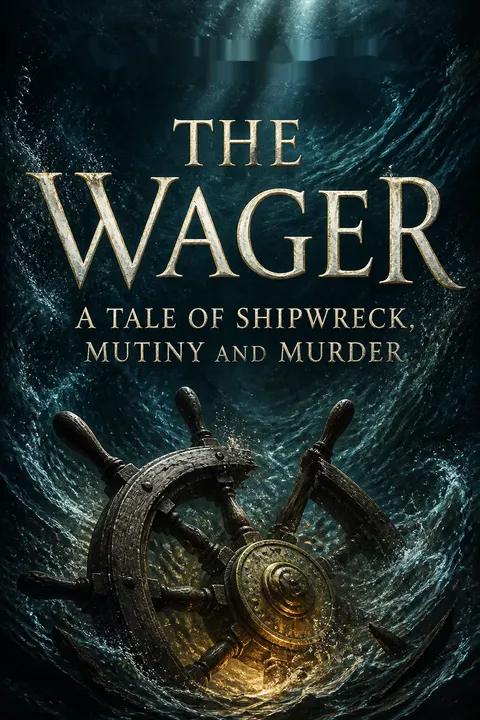
What is The Wager: A Tale of Shipwreck, Mutiny and Murder about?
- Shipwreck and Survival: The book recounts the harrowing tale of the HMS Wager, a British warship that is shipwrecked off the coast of Patagonia in 1741. The story focuses on the crew's desperate struggle for survival on a desolate island.
- Mutiny and Conflict: As conditions worsen, the crew divides into factions, leading to a mutiny against their captain. The narrative explores the power struggles and moral dilemmas faced by the men as they fight for control and survival.
- Conflicting Narratives: The book examines the wildly different accounts of the events that unfolded, as told by the survivors. It delves into the complexities of truth, memory, and the human tendency to shape stories to serve their own interests.
Why should I read The Wager: A Tale of Shipwreck, Mutiny and Murder?
- Compelling True Story: The book offers a gripping, real-life adventure story filled with suspense, danger, and human drama. It explores the extremes of human behavior when faced with unimaginable hardship.
- Exploration of Human Nature: The narrative delves into the psychological and moral complexities of the characters, revealing the dark side of human nature when pushed to the brink. It examines themes of leadership, loyalty, and the struggle for survival.
- Historical Insight: The book provides a fascinating glimpse into the world of eighteenth-century naval exploration and the brutal realities of life at sea. It also sheds light on the power dynamics and social hierarchies of the time.
What is the background of The Wager: A Tale of Shipwreck, Mutiny and Murder?
- Historical Context: The story is set during the War of Jenkins' Ear, a conflict between Great Britain and Spain in the 1740s. The book explores the imperial ambitions and naval rivalries of the time.
- Geographical Setting: The narrative takes place in the treacherous waters off the coast of Patagonia, a region known for its harsh climate and unforgiving seas. The desolate landscape of Wager Island becomes a character in itself.
- Naval Culture: The book delves into the rigid structure and codes of conduct of the British Royal Navy. It examines the power dynamics between officers and crew, and the challenges of maintaining order and discipline in extreme circumstances.
What are the most memorable quotes in The Wager: A Tale of Shipwreck, Mutiny and Murder?
- "We are the hero of our own story.": This quote, from Mary McCarthy, highlights the subjective nature of memory and the human tendency to shape narratives to portray oneself in a favorable light. It underscores the book's exploration of conflicting perspectives.
- "Maybe there is a beast….Maybe it's only us.": This quote, from William Golding's Lord of the Flies, foreshadows the descent into savagery and violence that the crew experiences on Wager Island. It speaks to the book's exploration of the dark side of human nature.
- "We stand or fall by the truth; if truth will not support us, nothing can.": This quote, from one of the survivors, emphasizes the importance of truth and integrity in the face of adversity. It also highlights the conflicting narratives and the struggle to determine what really happened.
What writing style, narrative choices, and literary techniques does David Grann use?
- Detailed Historical Research: Grann meticulously weaves together historical documents, journals, and firsthand accounts to create a vivid and immersive narrative. He brings the past to life with rich details and compelling characters.
- Multiple Perspectives: The book presents the story from various viewpoints, allowing the reader to see the events through the eyes of different characters. This technique highlights the subjective nature of truth and the complexities of human motivation.
- Suspenseful Pacing: Grann masterfully builds suspense throughout the narrative, keeping the reader engaged and eager to uncover the truth. He uses foreshadowing and dramatic irony to create a sense of unease and anticipation.
Hidden Details & Subtle Connections
What are some minor details that add significant meaning?
- The Name "Wager": The ship's name, given in honor of Sir Charles Wager, the First Lord of the Admiralty, foreshadows the high stakes and risks involved in the voyage. It also highlights the gamble that the men were taking with their lives.
- The Red Lion Figurehead: The Centurion's red lion figurehead, a symbol of British power and pride, contrasts with the ship's vulnerability to the forces of nature. It also foreshadows the violence and bloodshed that will occur during the voyage.
- The Missing Logbooks: The fact that some of the Wager's logbooks were destroyed or went missing suggests a deliberate attempt to conceal the truth about what happened on the island. It also highlights the importance of narrative control in shaping historical events.
What are some subtle foreshadowing and callbacks?
- Captain Kidd's Prophecy: The dying words of Captain Kidd, who predicted "poverty, vermin, famine, death and destruction," foreshadow the grim fate that awaits the Wager's crew. It also adds a sense of foreboding to the narrative.
- The Albatross: The mention of the albatross near Staten Island, a reference to Coleridge's "Rime of the Ancient Mariner," foreshadows the ill fortune that will befall the Wager. It also highlights the superstitious nature of the seamen.
- The Island of Blood: The mention of St. Julian, also known as the Island of Blood, where Magellan and Drake had executed mutineers, foreshadows the violence and bloodshed that will occur on Wager Island. It also highlights the cyclical nature of history.
What are some unexpected character connections?
- Cheap and Anson: Despite their different personalities, Cheap and Anson share a deep respect for naval discipline and a desire for glory. Their relationship highlights the complexities of leadership and the challenges of maintaining order in extreme circumstances.
- Bulkeley and Cheap: Despite their conflict, Bulkeley and Cheap share a certain level of respect for each other's abilities. Their relationship highlights the tension between authority and pragmatism, and the challenges of leading men in a crisis.
- Byron and Cozens: The friendship between Byron and Cozens, two midshipmen from different social classes, highlights the bonds that can form in the face of adversity. Their relationship also underscores the tragic consequences of dissent and the limits of authority.
Who are the most significant supporting characters?
- John Bulkeley: As the gunner, Bulkeley is a skilled seaman and a natural leader. His journal provides a crucial perspective on the events that unfolded, and his actions shape the course of the narrative.
- Lieutenant Baynes: As the second-in-command, Baynes's indecisiveness and lack of leadership contribute to the chaos and division among the crew. His actions highlight the challenges of maintaining authority in a crisis.
- John Cummins: As the ship's carpenter, Cummins is a skilled craftsman and a loyal friend to Bulkeley. His efforts to repair the longboat provide a glimmer of hope for the castaways.
Psychological, Emotional, & Relational Analysis
What are some unspoken motivations of the characters?
- Cheap's Need for Validation: Cheap's rigid adherence to naval regulations and his pursuit of glory stem from a deep-seated need to prove himself after a history of personal setbacks. His actions are driven by a desire to overcome his past failures and achieve the recognition he craves.
- Bulkeley's Desire for Control: Bulkeley's ambition and his desire to lead the men stem from a need to assert his own authority and to take control of his own destiny. His actions are driven by a desire to escape the limitations of his social status and to shape his own narrative.
- Byron's Search for Identity: Byron's internal conflict between loyalty to Captain Cheap and the pragmatic leadership of Bulkeley reflects his struggle to define his own identity and to find his place in the world. His actions are driven by a desire to live up to his family's expectations while also forging his own path.
What psychological complexities do the characters exhibit?
- Cheap's Obsessiveness: Cheap's obsession with naval regulations and his refusal to deviate from his orders reveal a rigid and inflexible personality. His inability to adapt to changing circumstances contributes to his downfall.
- Bulkeley's Self-Righteousness: Bulkeley's unwavering belief in his own righteousness and his tendency to see himself as a victim of circumstance reveal a complex and sometimes contradictory character. His actions are driven by a desire to be seen as a hero.
- Byron's Idealism: Byron's romantic view of the sea and his struggle to reconcile his ideals with the harsh realities of life at sea reveal a sensitive and conflicted personality. His actions are driven by a desire to live up to his own moral code.
What are the major emotional turning points?
- The Shipwreck: The shipwreck of the Wager is a major emotional turning point, plunging the crew into a state of fear, despair, and uncertainty. It marks the beginning of their desperate struggle for survival and the breakdown of naval order.
- The Mutiny: The mutiny against Cheap is another major emotional turning point, highlighting the crew's growing discontent and the breakdown of their unity. It marks the beginning of a power struggle that will shape the rest of their journey.
- The Death of Cozens: The shooting of Cozens is a major emotional turning point, revealing the depths of Cheap's rage and the fragility of life on the island. It also underscores the moral dilemmas faced by the crew and the consequences of their actions.
How do relationship dynamics evolve?
- Cheap and the Crew: Cheap's relationship with his crew deteriorates as his authority is challenged and his decisions are questioned. His inability to connect with his men on a personal level contributes to the growing discontent and the eventual mutiny.
- Bulkeley and the Crew: Bulkeley's relationship with the crew evolves as he emerges as a leader among the dissenters. His ability to connect with the men on a personal level and to offer a pragmatic plan for survival earns him their loyalty and support.
- Byron and His Messmates: Byron's relationships with his messmates, particularly Cozens, highlight the bonds that can form in the face of adversity. Their friendships are tested by the challenges of survival and the shifting allegiances within the crew.
Interpretation & Debate
Which parts of the story remain ambiguous or open-ended?
- The True Cause of the Wreck: The book leaves open the question of whether the Wager's shipwreck was the result of negligence, incompetence, or simply bad luck. It highlights the difficulty of determining the truth in the face of conflicting accounts.
- The Extent of Cheap's Tyranny: The book presents conflicting perspectives on Cheap's leadership, leaving the reader to decide whether he was a tyrannical and incompetent commander or a victim of circumstance. It underscores the subjective nature of truth and the challenges of judging historical figures.
- The Fate of the Seamen Left Behind: The book leaves open the question of what happened to the men who were left behind on Wager Island, including the four marines and the seceders. It highlights the tragic consequences of the expedition and the uncertainty of their fate.
What are some debatable, controversial scenes or moments in The Wager: A Tale of Shipwreck, Mutiny and Murder?
- Cheap's Shooting of Cozens: The shooting of Cozens is a highly controversial moment, raising questions about the limits of authority and the use of violence. It highlights the moral dilemmas faced by the characters and the consequences of their actions.
- Bulkeley's Mutiny: The mutiny against Cheap is a highly debatable moment, raising questions about the legitimacy of rebellion and the nature of leadership. It highlights the tension between duty and self-preservation, and the challenges of maintaining order in a crisis.
- The Abandonment of Cheap: The decision to abandon Cheap on Wager Island is a highly controversial moment, raising questions about the limits of loyalty and the moral implications of leaving a fellow human being to die. It underscores the desperate measures that the castaways were willing to take to survive.
The Wager: A Tale of Shipwreck, Mutiny and Murder Ending Explained: How It Ends & What It Means
- No Clear Resolution: The book's ending is not a neat resolution, but rather a complex and ambiguous conclusion that leaves the reader to grapple with the moral and psychological implications of the events. It highlights the difficulty of determining the truth and the lasting impact of trauma.
- The Power of Narrative: The ending underscores the power of narrative in shaping our understanding of history and the human experience. It reveals how stories can be used to justify actions, to conceal the truth, and to create a sense of meaning in the face of chaos.
- The Enduring Legacy: The book's ending suggests that the legacy of the Wager affair is not just about the events that occurred on the island, but also about the stories that were told about them. It highlights the enduring power of human experience and the importance of remembering the past.



Tải PDF
Tải EPUB
.epub digital book format is ideal for reading ebooks on phones, tablets, and e-readers.








































