Temel Çıkarımlar
1. Zaman ve Mekân Mutlak Değildir
"Zaman, sadece bir yönde ya da diğer yönde gidilebilen düz bir demiryolu hattıymış gibi ele alınıyordu."
Devrim Niteliğinde Bir Bakış Açısı. Einstein’ın görelilik teorisi, zaman ve mekân kavramlarımızı mutlak ve sabit olmaktan çıkarıp, farklı gözlemciler tarafından farklı şekillerde deneyimlenebilen göreli ve dinamik boyutlar haline getirdi.
Temel Sonuçlar:
- Zaman evrensel değil, her gözlemciye özgüdür
- Farklı hızlarda hareket eden gözlemciler zamanı farklı ölçer
- Işığın hızı tüm gözlemciler için sabittir
Deneysel Kanıtlar. Michelson-Morley deneyi gibi gözlemler, ışığın hızının gözlemcinin hareketinden bağımsız olduğunu göstererek mutlak zaman ve mekân anlayışını sorguladı.
2. Evrenin Bir Başlangıcı ve Genişleyen Doğası Vardır
"Eğer evren dışlama ilkesi olmadan yaratılmış olsaydı, kuarklar ayrı ve belirgin protonlar ile nötronlar oluşturmazdı."
Büyük Patlama Teorisi. Evren, yaklaşık 13,8 milyar yıl önce son derece yoğun ve sıcak bir noktadan doğdu, hızla genişledi ve karmaşık fiziksel süreçlerle galaksiler, yıldızlar ve karmaşık yapılar oluştu.
Kozmik Evrim:
- Başlangıçta aşırı sıcak ve homojendi
- Yavaş yavaş soğuyarak atomik yapılar oluştu
- Genişleme devam ediyor, belki sonsuza dek
- Galaksiler kütleçekimle bir araya geldi
Gözlemsel Doğrulama. Edwin Hubble’ın uzak galaksilerin bizden uzaklaştığını keşfetmesi, evrenin genişlediğine dair somut kanıt sundu.
3. Kuantum Mekaniği Belirsizlik ve Olasılık Getirir
"Kuantum mekaniği bir gözlem için tek bir kesin sonuç tahmin etmez. Bunun yerine, farklı olası sonuçları ve her birinin olasılığını söyler."
Olasılıksal Evren. Klasik fizikten farklı olarak, kuantum mekaniği temel parçacıkların olasılıksal durumlarda var olduğunu ve her gözlem için birden çok potansiyel sonucun bulunduğunu öne sürer.
Temel Kuantum İlkeleri:
- Parçacıklar aynı anda birden fazla durumda bulunabilir
- Gözlem, parçacıkların durumunu etkiler
- Konum ve hızın kesin ölçümü imkânsızdır
- Doğada rastlantısallık vardır
Devrimci Sonuçlar. Bu yaklaşım, evrenin deterministik olduğu görüşünü sarsar ve temel belirsizliğin gerçekliğin özünde yattığını gösterir.
4. Yerçekimi Evrenin Yapısını Şekillendirir
"Yerçekimi, dört kuvvet arasında en zayıf olanıdır; o kadar zayıftır ki, iki özel özelliği olmasaydı onu hiç fark etmezdik: büyük mesafelerde etkili olabilir ve her zaman çekicidir."
Yerçekiminin Etkisi. En zayıf temel kuvvet olmasına rağmen, yerçekimi uzun menzilli ve birikimli etkileriyle kozmik yapıları şekillendirmede kritik bir rol oynar.
Yerçekiminin Özellikleri:
- Tüm madde üzerinde evrensel olarak etkili
- İtmek yerine çekicidir
- Büyük ölçekli kozmik yapıları belirler
- Kara delikler ve evrenin evrimi için temel
Einstein’ın Katkısı. Genel görelilik, yerçekimini bir kuvvet olmaktan çıkarıp uzay-zamanın eğriliği olarak tanımlayarak anlayışımızı kökten değiştirdi.
5. Kara Delikler Gerçekten Siyah Değildir
"Kara delikler, bilim tarihinde gözlemsel kanıtlar olmadan önce matematiksel modeller olarak detaylıca geliştirilen az sayıdaki teoriden biridir."
Kuantum Kara Delik Özellikleri:
- Radyasyon yayarlar (Hawking radyasyonu)
- Sonlu bir sıcaklığa sahiptirler
- Zamanla buharlaşabilirler
- Aşırı yerçekimi ortamlarıdır
Teorik Atılım. Hawking’in çalışmaları, kuantum mekaniğinin kara deliklerin parçacık yaymasına izin verdiğini göstererek önceki anlayışı değiştirdi.
Gözlemsel Önemi. Kara delikler, yerçekimi, kuantum mekaniği ve uzay-zaman teorilerini test etmek için benzersiz laboratuvarlar sunar.
6. Temel Kuvvetler Birleştirilebilir
"Sonunda, tüm bu kısmi teorileri yaklaşık olarak içeren tam, tutarlı ve birleşik bir teori bulunması umut edilir."
Birleştirme Arayışı. Bilim insanları, yerçekimi, elektromanyetik, güçlü ve zayıf nükleer kuvvetleri tek ve tutarlı bir çatı altında toplamak için çalışıyor.
Teorik Yaklaşımlar:
- Sicim teorisi
- Kuantum yerçekimi modelleri
- Büyük Birleşik Teoriler (GUT)
- Ekstra boyutların araştırılması
Zorluklar. Mevcut teoriler, kuantum mekaniği ile yerçekimini mikroskobik ölçekte tam olarak uyumlu hale getirmekte zorlanıyor.
7. Zamanın Oku ve Entropi
"Düzensizlik zamanla artar çünkü zamanı, düzensizliğin arttığı yönde ölçeriz."
Termodinamik Zaman Yönü. Evren, artan düzensizlik eğilimiyle temel bir “zaman oku” oluşturur; bu, geçmişi gelecekten ayırır.
Önemli Zaman Okları:
- Termodinamik ok (entropi artışı)
- Psikolojik ok (hafıza ilerlemesi)
- Kozmolojik ok (evrenin genişlemesi)
Felsefi Anlamlar. Zaman algımız ve deneyimimiz, evrenin giderek artan karmaşıklık ve rastlantısallık eğilimiyle yakından bağlantılıdır.
8. Evren Kendi Kendine Yetebilir
"Evren tamamen kendi içinde kapalı olur ve dışındaki hiçbir şeyden etkilenmez. Ne yaratılır ne yok edilir. Sadece VAR OLUR."
Sınır Yok Önerisi. Evren, dışsal bir nedene ihtiyaç duymadan, kuantum dalgalanmalarından doğabilir ve matematiksel olarak tutarlı olabilir.
Teorik Düşünceler:
- Uzay-zaman sonlu ama sınırsız olabilir
- Dışsal bir yaratıcının gereksinimi yoktur
- İçsel matematiksel yasalarla yönetilir
Radikal Bakış. Kozmik kökenlere dair geleneksel teolojik ve felsefi görüşleri sorgular.
9. Bilimsel Teoriler Gözlemin Matematiksel Modelleridir
"Bilimsel teori, gözlemlerimizi tanımlamak için yaptığımız matematiksel bir modeldir: sadece zihnimizde var olur."
Bilimsel Yöntem. Teoriler, gözlemlenebilir olguları matematiksel olarak tanımlama ve tahmin etme çabalarıdır; geçici ve gelişime açıktır.
Teori Özellikleri:
- Öngörü gücü
- Deneysel test edilebilirlik
- Revizyona açık olma
- Gerçeğin yaklaşık modelleri
Epistemik Alçakgönüllülük. Bilimsel bilginin mutlak gerçek değil, sürekli gelişen bir anlayış süreci olduğunu kabul eder.
10. İnsan Varoluşu Olağanüstü Bir Kozmik Tesadüftür
"Dikkate değer olan, bu sayıların değerlerinin yaşamın gelişimini mümkün kılacak şekilde çok hassas ayarlanmış olmasıdır."
Antropik İlke. Bizim varlığımız, evrensel sabitlerin ve fizik yasalarının son derece hassas bir düzenlenmesine bağlıdır.
Kozmik İhtimal Dışı:
- Temel sabitlerde küçük değişiklikler yaşamı engellerdi
- Karmaşık yapılar basit koşullardan ortaya çıkar
- İnsan bilinci olasılıksal ve nadir bir kozmik sonuçtur
Felsefi Düşünce. Evrenimizin hem rastlantısal hem de potansiyel olarak amaçlı bir tasarıma sahip olabileceğini vurgular.
İnceleme Özeti
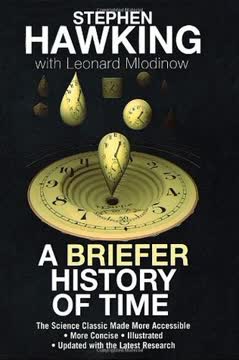
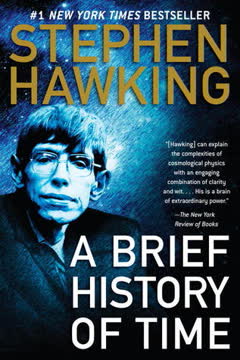
Zamanın Kısa Tarihi, görelilik, kuantum mekaniği ve kozmoloji gibi karmaşık fizik kavramlarını genel okuyucuya anlaşılır şekilde sunan popüler bir bilim kitabıdır. Erişilebilirliği nedeniyle övgü alsa da, birçok okuyucu kitabın bazı bölümlerini tam anlamıyla kavramakta zorlanmıştır. Hawking’in sade ve akıcı anlatımı ile evrenin derin sorularına yanıt arayışları takdir toplamıştır. Kitap, kara delikler, Büyük Patlama ve fizik için birleşik bir teori arayışı gibi konuları ele alır. Bazıları Hawking’in felsefi çıkarımlarını eleştirse de, genel anlamda modern fiziğin geniş kitlelere tanıtılmasında büyük bir etki yaratmıştır.
Diğer Okunanlar

 Sürükleyici
 Sürükleyici

SSS
What's "A Brief History of Time" about?
- Exploration of the Universe: "A Brief History of Time" by Stephen Hawking explores the nature of the universe, discussing its origins, structure, and eventual fate.
- Complex Concepts Simplified: The book aims to explain complex scientific concepts like black holes, the big bang, and quantum mechanics in a way that is accessible to non-scientists.
- Unified Theory: Hawking discusses the quest for a unified theory that combines general relativity and quantum mechanics to explain all physical aspects of the universe.
- Philosophical Implications: It also delves into the philosophical implications of scientific discoveries, questioning the role of God and the nature of time.
Why should I read "A Brief History of Time"?
- Understanding the Universe: It provides a comprehensive overview of the universe's workings, making it essential for anyone interested in cosmology and physics.
- Accessible Science: Hawking's ability to simplify complex ideas makes it a great read for those without a scientific background.
- Intellectual Curiosity: The book challenges readers to think about profound questions regarding existence, time, and the universe.
- Cultural Impact: As a bestseller, it has influenced both scientific and popular culture, making it a significant work in modern literature.
What are the key takeaways of "A Brief History of Time"?
- Nature of Time: Time is not absolute and is intertwined with space, forming a four-dimensional space-time continuum.
- Black Holes: Black holes are regions where gravity is so strong that nothing, not even light, can escape, and they can emit radiation.
- Big Bang Theory: The universe began with a big bang, a singularity where all known laws of physics break down.
- Unified Theory: The search for a unified theory that combines general relativity and quantum mechanics is ongoing and crucial for understanding the universe.
What are the best quotes from "A Brief History of Time" and what do they mean?
- "If time travel is possible, where are the tourists from the future?" This quote highlights the paradoxes and challenges associated with the concept of time travel.
- "The universe doesn't allow perfection." It suggests that imperfections and uncertainties are inherent in the universe, aligning with the principles of quantum mechanics.
- "The boundary condition of the universe is that it has no boundary." This reflects Hawking's no-boundary proposal, suggesting the universe is finite but without edges or singularities.
- "We are just an advanced breed of monkeys on a minor planet of a very average star." This quote emphasizes the insignificance of human existence in the vast universe.
How does Stephen Hawking explain black holes in "A Brief History of Time"?
- Definition and Nature: Black holes are regions in space where gravity is so strong that nothing can escape from them, not even light.
- Event Horizon: The boundary around a black hole is called the event horizon, beyond which nothing can return.
- Hawking Radiation: Hawking theorizes that black holes can emit radiation due to quantum effects near the event horizon, leading to their eventual evaporation.
- Singularity: At the center of a black hole lies a singularity, a point of infinite density where the laws of physics as we know them cease to function.
What is the significance of the big bang theory in "A Brief History of Time"?
- Origin of the Universe: The big bang theory posits that the universe began from an extremely hot and dense singularity and has been expanding ever since.
- Cosmic Microwave Background: The theory is supported by the discovery of cosmic microwave background radiation, the afterglow of the big bang.
- Time and Space: It suggests that time and space themselves began with the big bang, challenging the notion of a universe existing eternally.
- Scientific and Philosophical Impact: The big bang theory has profound implications for understanding the universe's origin and the nature of time.
How does "A Brief History of Time" address the concept of time?
- Relative Time: Time is not absolute but relative, varying for different observers depending on their velocity and gravitational field.
- Imaginary Time: Hawking introduces the concept of imaginary time, which is indistinguishable from directions in space and helps in understanding the universe's boundaries.
- Arrow of Time: The book discusses the thermodynamic, psychological, and cosmological arrows of time, explaining why time seems to move in one direction.
- Time's Beginning and End: It explores the idea that time began with the big bang and may end with the big crunch or in black holes.
What is the role of quantum mechanics in "A Brief History of Time"?
- Uncertainty Principle: Quantum mechanics introduces uncertainty, meaning we cannot predict exact outcomes, only probabilities.
- Wave-Particle Duality: Particles can exhibit properties of both waves and particles, challenging classical physics' distinct categories.
- Quantum Gravity: The book discusses the need to unify quantum mechanics with general relativity to form a complete theory of quantum gravity.
- Impact on Cosmology: Quantum mechanics plays a crucial role in understanding the early universe and phenomena like black hole radiation.
How does Stephen Hawking approach the search for a unified theory in "A Brief History of Time"?
- Grand Unified Theories (GUTs): Hawking discusses attempts to unify the electromagnetic, weak, and strong nuclear forces into a single framework.
- Challenges with Gravity: The main challenge is incorporating gravity, described by general relativity, with quantum mechanics.
- String Theory: The book explores string theory as a potential candidate for a unified theory, where particles are one-dimensional strings.
- Ultimate Goal: The search for a unified theory aims to provide a complete understanding of the universe's fundamental forces and particles.
What is the anthropic principle as discussed in "A Brief History of Time"?
- Weak Anthropic Principle: It suggests that the universe's laws appear fine-tuned for life because only in such a universe could observers like us exist.
- Strong Anthropic Principle: This version posits that the universe must have properties that allow life to develop at some stage in its history.
- Role in Cosmology: The anthropic principle is used to explain why the universe has the conditions necessary for life, despite the vast number of possible configurations.
- Philosophical Implications: It raises questions about the role of chance and necessity in the universe's design and our place within it.
How does "A Brief History of Time" address the concept of imaginary time?
- Mathematical Tool: Imaginary time is used as a mathematical tool to simplify calculations in quantum mechanics and cosmology.
- No Boundary Proposal: Hawking's no boundary proposal uses imaginary time to suggest that the universe is finite but without boundaries or singularities.
- Distinction from Real Time: In imaginary time, the distinction between past and future disappears, unlike in real time, where time has a clear direction.
- Implications for the Universe: Imaginary time allows for a universe that is self-contained and without a beginning or end, challenging traditional notions of creation.
What are the philosophical implications of "A Brief History of Time"?
- Role of God: The book questions the necessity of a creator if the universe can be explained by a self-contained set of laws.
- Nature of Reality: It challenges traditional views of reality, suggesting that time and space are not absolute and may have different properties than perceived.
- Human Significance: Hawking emphasizes the insignificance of human life in the vast universe, prompting reflection on our place and purpose.
- Quest for Knowledge: The pursuit of a unified theory represents humanity's ongoing quest to understand the universe and our existence within it.