Résumé de l'intrigue
La Rencontre Magique du Premier Ministre
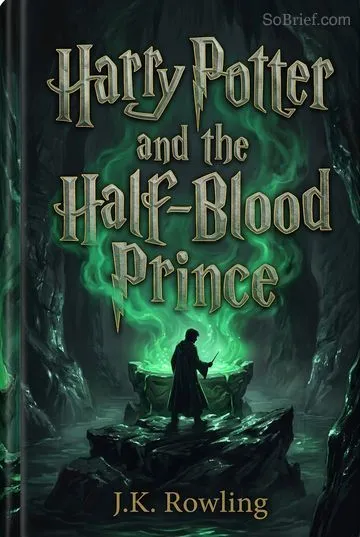
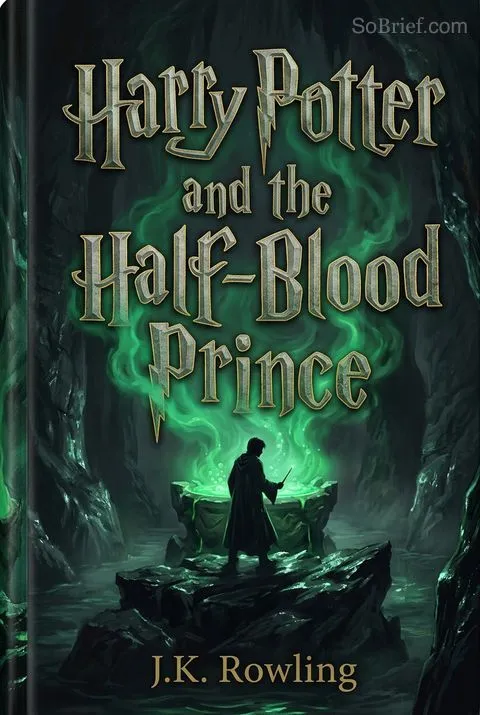
Le Premier Ministre moldu est brusquement plongé dans le monde chaotique de la magie lorsque Cornelius Fudge, l’ancien Ministre de la Magie, lui rend visite. Fudge lui présente son successeur, Rufus Scrimgeour, qui l’avertit des dangers liés au retour de Lord Voldemort. Le Premier Ministre apprend l’évasion des Mangemorts et l’alliance des Détraqueurs avec Voldemort, ce qui le plonge dans une profonde inquiétude quant à l’avenir. Cette rencontre marque le début de l’entrelacement des mondes magique et non-magique, soulignant la menace grandissante que représente Voldemort.
Secrets à Spinner’s End
Narcissa Malefoy, désespérée de protéger son fils Draco, rend visite à Severus Rogue en compagnie de sa sœur Bellatrix Lestrange. Malgré la méfiance de Bellatrix, Rogue fait un Serment Inviolable pour aider Draco dans sa mission périlleuse confiée par Voldemort. Cette entrevue dévoile l’entrelacs complexe des loyautés et les enjeux cruciaux des plans des Mangemorts, annonçant les défis à venir pour les deux camps du conflit.
La Visite Inattendue de Dumbledore
Dumbledore rend visite à Harry chez les Dursley pour l’escorter au Terrier, lui annonçant son intention de lui donner des cours particuliers. Il sollicite l’aide de Harry pour convaincre Horace Slughorn de revenir à Poudlard. L’autorité calme et l’esprit stratégique de Dumbledore se révèlent, laissant entrevoir l’importance des tâches à venir. Harry ressent une anticipation mêlée de responsabilité alors qu’il se prépare pour une nouvelle année à Poudlard, conscient de la menace grandissante de Voldemort.
Le Retour de Slughorn à Poudlard
Harry et Dumbledore rendent visite à Horace Slughorn, ancien maître des Potions, pour le persuader de revenir à Poudlard. Attiré par les individus influents, Slughorn est convaincu par la perspective d’enseigner à Harry, « l’Élu ». Ce chapitre met en lumière la vanité de Slughorn et l’importance stratégique de son retour, ainsi que l’habileté de Dumbledore à manœuvrer les personnes au service du bien commun. La présence de Slughorn à Poudlard devient cruciale dans la bataille qui se prépare contre Voldemort.
Le Mystère du Prince de Sang-Mêlé
Harry découvre un vieux manuel de Potions annoté par le « Prince de Sang-Mêlé », qui améliore considérablement ses compétences en potion. Ce talent nouvellement acquis lui vaut les louanges du professeur Slughorn et la jalousie de ses camarades. L’identité du Prince de Sang-Mêlé devient source d’intrigue et de spéculations, ajoutant une touche de mystère à la sixième année de Harry à Poudlard. Le manuel symbolise la double nature du savoir et du pouvoir, soulevant des questions sur son usage éthique.
Les Origines Sombres de Voldemort
Dumbledore partage avec Harry un souvenir de la visite de Bob Ogden chez la famille Gaunt, ancêtres maternels de Voldemort. Ce souvenir dévoile la misère et la dysfonction du foyer Gaunt, ainsi que les origines de l’obsession de Voldemort pour la pureté du sang. Ce chapitre offre des éclairages essentiels sur le passé de Voldemort et les facteurs qui ont façonné son caractère, approfondissant la compréhension de la menace qu’il représente et des motivations qui animent ses sombres ambitions.
Chaos au Quidditch et Potions d’Amour
Lors d’un entraînement de Quidditch, Ron consomme accidentellement une potion d’amour destinée à Harry, provoquant une situation à la fois comique et dangereuse. Harry le conduit en urgence chez Slughorn, qui lui administre un antidote. Cependant, la journée prend une tournure plus sombre lorsque Ron est empoisonné par de l’hydromel destiné à Dumbledore. La rapidité d’esprit de Harry sauve Ron grâce à un bézoard, mais l’incident soulève des questions sur la sécurité à Poudlard et les intentions derrière cette attaque. Ces événements soulignent le danger permanent et la nécessité de rester vigilant.
La Quête Inflexible de Dumbledore
Dumbledore charge Harry d’obtenir un souvenir crucial auprès de Slughorn, clé pour comprendre l’immortalité de Voldemort. Malgré un premier échec, Dumbledore insiste sur l’importance de ce souvenir, exhortant Harry à déployer toute sa ruse pour réussir. Cette tâche devient un enjeu central, vital pour leur lutte contre Voldemort. La quête du souvenir met en lumière l’importance du savoir et les efforts nécessaires pour découvrir la vérité.
Les Disparitions Mystérieuses de Malefoy
Harry devient de plus en plus obsédé par le comportement suspect de Draco Malefoy, notant ses absences fréquentes sur la Carte du Maraudeur. Malgré le scepticisme de ses amis, Harry est déterminé à percer les secrets de Malefoy, suspectant un lien avec les récentes attaques à Poudlard. Il fait appel aux elfes de maison, Croutard et Dobby, pour suivre Malefoy, espérant recueillir des preuves de ses méfaits. Ce chapitre souligne la détermination de Harry et la tension croissante au sein de Poudlard.
L’Incident de l’Hydromel Empoisonné
Le jour de l’anniversaire de Ron, il consomme accidentellement de l’hydromel empoisonné, mettant sa vie en danger. L’intervention rapide de Harry avec un bézoard le sauve, mais l’incident met en lumière le danger permanent à Poudlard. L’hydromel était destiné à Dumbledore, soulevant des inquiétudes sur la sécurité de l’école et l’identité du poisonneur. Cet événement rappelle la menace constante que représentent Voldemort et ses partisans, ainsi que la nécessité de rester sur ses gardes.
Le Dévoilement du Passé de Voldemort
Dumbledore révèle des souvenirs éclairant la jeunesse de Voldemort et son obsession pour l’immortalité. Harry apprend le passage de Voldemort chez Borgin et Burkes et son intérêt pour des objets magiques puissants. Ces révélations sont essentielles pour comprendre les motivations de Voldemort et les étapes qu’il a suivies pour réaliser ses sombres ambitions. Le chapitre approfondit la compréhension de la menace que représente Voldemort et l’importance de l’arrêter.
Le Souvenir Insaisissable de Slughorn
Dumbledore confie à Harry la mission de récupérer un souvenir auprès de Slughorn, indispensable pour comprendre les Horcruxes de Voldemort. Malgré des difficultés initiales, Harry est déterminé à réussir, conscient que ce souvenir pourrait être la clé pour vaincre Voldemort. La pression monte alors que Harry réalise l’importance de cette tâche dans leur combat contre le Seigneur des Ténèbres. Ce chapitre met en lumière les défis de la quête de la vérité et les efforts nécessaires pour y parvenir.
La Trahison Révélée
Dans un retournement choquant, Severus Rogue trahit Dumbledore en le tuant au sommet de la Tour d’Astronomie. Harry, immobilisé par un sortilège de Dumbledore, est contraint d’assister au meurtre. Rogue, accompagné de Draco Malefoy et d’autres Mangemorts, s’échappe de Poudlard, semant le chaos derrière eux. Cette trahison est un coup dévastateur pour Harry, qui avait confiance dans le jugement de Dumbledore à l’égard de Rogue. L’événement marque un tournant, brisant la sécurité et la confiance que représentait Dumbledore.
Les Conséquences de la Tragédie
La nouvelle de la mort de Dumbledore se répand rapidement, plongeant élèves et professeurs dans le choc et le chagrin. Harry, avec Ron, Hermione et Ginny, lutte pour surmonter la perte et les implications de la trahison de Rogue. L’école est en désarroi, avec des débats sur son maintien ouvert. Par ailleurs, Harry découvre que l’Horcruxe récupéré avec Dumbledore était un faux, ce qui accroît son désespoir et son urgence. Le poids de la mission pour vaincre Voldemort repose désormais lourdement sur ses épaules.
Le Chemin à Suivre
À la fin de l’année scolaire, Harry, Ron et Hermione se préparent à quitter Poudlard pour partir à la recherche et à la destruction des Horcruxes. Harry prévoit de se rendre à Godric’s Hollow, cherchant à faire le deuil et à mieux comprendre son passé. L’engagement du trio envers leur mission souligne les thèmes de loyauté, de courage et de lutte contre les ténèbres. Le chapitre se clôt sur un sentiment d’espoir et de détermination, alors qu’ils affrontent ensemble un avenir incertain.
Personnages
Harry Potter
Harry est bouleversé par la mort de Dumbledore et la trahison de Rogue. Il ressent plus que jamais le poids de la mission pour vaincre Voldemort. Malgré son chagrin, sa résolution s’en trouve renforcée, et il est prêt à poursuivre le combat, même seul. Sa décision de rompre avec Ginny témoigne de sa volonté de sacrifier son bonheur personnel pour le bien commun.
Albus Dumbledore
Dumbledore guide Harry à travers les complexités du monde magique et le prépare aux défis à venir. Son calme et son esprit stratégique sont évidents alors qu’il orchestre le retour de Slughorn et partage des souvenirs cruciaux avec Harry. Sa blessure mystérieuse et ses allusions énigmatiques suggèrent des plans plus profonds.
Severus Rogue
La véritable allégeance de Rogue est révélée lorsqu’il tue Dumbledore, choquant tous ceux qui croyaient en sa loyauté envers l’Ordre. Ses actions soulèvent des questions sur ses motivations et l’ampleur de sa trahison. Son personnage complexe se caractérise par sa capacité à tromper son entourage, semant la confusion et la méfiance.
Horace Slughorn
Slughorn, ancien maître des Potions, est persuadé de revenir à Poudlard par la perspective d’enseigner à Harry. Attiré par le talent et les relations influentes, son « Club des Slugs » reflète son désir de cultiver des liens puissants. Son retour est une manœuvre stratégique de Dumbledore, soulignant son importance dans la lutte contre Voldemort.
Narcissa Malefoy
Narcissa est déterminée à protéger son fils Draco de la mission dangereuse confiée par Voldemort. Sa visite à Rogue et le Serment Inviolable révèlent sa vulnérabilité et les sacrifices qu’elle est prête à faire pour sa famille. Ses actions soulignent les enjeux élevés et les sacrifices personnels impliqués dans les plans des Mangemorts.
Bellatrix Lestrange
Bellatrix est farouchement loyale à Voldemort et méfiante envers Rogue. Sa présence à Spinner’s End met en lumière les tensions internes chez les Mangemorts et son engagement sans faille envers leur cause. Son fanatisme et sa cruauté en font une adversaire redoutable.
Draco Malefoy
L’implication de Draco dans la mort de Dumbledore est marquée par l’hésitation et la peur. Pris entre les attentes familiales et sa propre conscience, son combat intérieur ajoute de la complexité à son personnage, alors qu’il fait face aux conséquences de ses actes et à la pression de Voldemort.
Ginny Weasley
La relation de Ginny avec Harry est mise en pause lorsque celui-ci décide de la protéger en rompant. Malgré son chagrin, Ginny comprend sa décision et reste une alliée fidèle. Sa force et sa résilience se manifestent alors qu’elle soutient Harry dans sa mission, même à distance.
Ron Weasley
Ron soutient Harry, prêt à affronter les dangers à venir. Son appui indéfectible et sa volonté de rejoindre Harry dans sa quête témoignent de son courage et de sa loyauté. Son personnage se définit par son amitié profonde avec Harry et Hermione, ainsi que par son engagement envers leur mission commune.
Hermione Granger
Hermione est résolue à aider Harry de toutes les manières possibles. Son intelligence et sa débrouillardise sont précieuses alors qu’ils se préparent à traquer les Horcruxes. Sa loyauté et son courage sont sans faille, prête à affronter les défis aux côtés de Harry et Ron.
Mécanismes Narratifs
Le Manuel du Prince de Sang-Mêlé
Le manuel de Potions annoté par le Prince de Sang-Mêlé améliore considérablement les compétences de Harry. L’identité du Prince et les implications de l’utilisation de ce livre deviennent un mystère central, soulevant des questions sur la nature du savoir et l’éthique de son usage.
Le Pensine
Dumbledore utilise le Pensine pour partager des souvenirs cruciaux avec Harry, offrant des éclairages sur le passé de Voldemort et les facteurs qui ont façonné son caractère. Le Pensine sert de dispositif narratif pour révéler des vérités cachées et approfondir la compréhension du conflit.
Le Serment Inviolable
Le Serment Inviolable de Rogue pour aider Draco souligne les enjeux élevés et les sacrifices personnels dans les plans des Mangemorts. Ce serment ajoute tension et intrigue, alors que les véritables loyautés et intentions de Rogue restent incertaines.
La Prophétie
La prophétie révélée dans le livre précédent continue d’influencer les actions et motivations de Harry. Ses implications pour l’avenir et les choix que doit faire Harry sont au cœur du récit, alimentant le conflit entre lui et Voldemort.
Les Horcruxes
Les Horcruxes sont au centre de l’intrigue, représentant les fragments de l’âme de Voldemort qu’il faut détruire pour le rendre mortel. La quête de Dumbledore pour les trouver est confiée à Harry, qui doit désormais poursuivre la mission. Les Horcruxes symbolisent la complexité et la difficulté de la tâche, ainsi que l’espoir de la défaite ultime de Voldemort.
Le Faux Médaillon
Le faux médaillon, découvert après la mort de Dumbledore, incarne la futilité de leur récente mission et la tromperie à laquelle ils font face. Il rappelle les défis à venir et la nécessité de persévérer. Le message du médaillon de R.A.B. introduit un nouveau mystère et un allié potentiel dans la lutte contre Voldemort.
Le Chant du Phénix
Le chant du phénix entendu après la mort de Dumbledore est un puissant symbole de deuil et d’espoir. Il reflète la profonde perte ressentie par ceux qui connaissaient Dumbledore, tout en rappelant son influence durable. Ce chant souligne les thèmes du sacrifice et de la lutte continue contre les ténèbres.
La Tour d’Astronomie
La Tour d’Astronomie est le cadre du meurtre de Dumbledore, marquant un lieu de trahison profonde et de tragédie. Elle symbolise la rupture de la confiance et la vulnérabilité même des plus grands sorciers. L’importance de la tour est accentuée par son rôle dans les événements clés qui changent le cours de l’histoire.
Analyse
« Harry Potter et le Prince de Sang-Mêlé » explore les complexités de la loyauté, du pouvoir et du poids du destin. Le livre met en avant le thème du sacrifice, avec des personnages comme Dumbledore et Harry qui font des choix difficiles pour le bien commun. Le récit souligne l’importance de comprendre le passé pour façonner l’avenir, notamment à travers l’exploration des origines de Voldemort. L’histoire illustre la résilience de l’esprit humain face à l’adversité, Harry et ses amis faisant preuve de courage et de détermination malgré des obstacles écrasants. Ce livre rappelle avec émotion la puissance de l’amitié et la lutte incessante contre les ténèbres.
Les lecteurs ont aussi lu
FAQ
Basic Details
What is Harry Potter and the Half-Blood Prince about?
- Escalating Dark Forces: The story depicts the growing power of Voldemort and his Death Eaters, as they wreak havoc in both the wizarding and Muggle worlds, creating an atmosphere of fear and uncertainty.
- Harry's Journey of Discovery: Harry embarks on a quest to uncover Voldemort's past and his secrets to immortality, guided by Dumbledore through a series of private lessons and shared memories.
- Complex Relationships: The book explores the evolving relationships between Harry, Ron, and Hermione, as well as the romantic entanglements of other characters, adding emotional depth to the narrative.
Why should I read Harry Potter and the Half-Blood Prince?
- Deeper Understanding of Voldemort: The book provides crucial insights into Voldemort's origins, motivations, and the steps he took to achieve his dark ambitions, making him a more complex and terrifying villain.
- Intriguing Mysteries: The identity of the Half-Blood Prince and the nature of Horcruxes create a compelling sense of mystery, drawing readers into the story and keeping them engaged.
- Emotional Depth and Character Development: The book explores the characters' emotional struggles, their relationships, and their personal growth, adding layers of complexity and making them more relatable.
What is the background of Harry Potter and the Half-Blood Prince?
- Political Instability: The wizarding world is in turmoil due to Voldemort's return, with the Ministry of Magic struggling to maintain control and reassure the public, leading to a sense of unease and fear.
- Historical Context: The story delves into Voldemort's past, revealing his family history and the events that shaped his dark path, providing a historical context for his actions.
- Social Commentary: The book touches upon themes of prejudice, power, and the abuse of authority, reflecting real-world social and political issues.
What are the most memorable quotes in Harry Potter and the Half-Blood Prince?
- Dumbledore's Wisdom: "It is the unknown we fear when we look upon death and darkness, nothing more." This quote highlights Dumbledore's understanding of fear and his ability to find meaning in the face of death.
- Snape's Vow: "I will," said Snape. A thin tongue of brilliant flame issued from the wand and wound its way around their hands like a redhot wire. This quote marks the moment Snape makes the Unbreakable Vow, a pivotal moment that foreshadows his actions later in the book.
- Dumbledore's Trust: "I trust Severus Snape completely." This quote, repeated by Dumbledore, underscores his unwavering faith in Snape, despite the doubts of others, adding to the complexity of their relationship.
What writing style, narrative choices, and literary techniques does J.K. Rowling use?
- Multiple Perspectives: Rowling shifts between different characters' points of view, providing a multifaceted understanding of the events and their emotional impact.
- Foreshadowing and Symbolism: The book is rich in foreshadowing, with subtle hints and clues that gain significance later in the story, and uses recurring symbols and motifs to enhance the themes and character development.
- Emotional Realism: Rowling explores the characters' emotional struggles with depth and nuance, making their experiences relatable and adding to the story's emotional impact.
Hidden Details & Subtle Connections
What are some minor details that add significant meaning?
- The Broken Clock: The Weasley's clock, with all hands pointing to "mortal peril," symbolizes the constant danger and anxiety that the family faces, highlighting the pervasive threat of Voldemort.
- The Blackened Hand: Dumbledore's injured hand, which he refuses to explain, foreshadows his vulnerability and the sacrifices he has made in his fight against Voldemort.
- The Empty Teacup: The Prime Minister's teacup turning into a gerbil during his first meeting with Fudge is a subtle reminder of the absurdity and hidden nature of the magical world.
What are some subtle foreshadowing and callbacks?
- The Vanishing Cabinet: The broken Vanishing Cabinet, first introduced in Harry Potter and the Chamber of Secrets, becomes a crucial plot device, foreshadowing Malfoy's plan to infiltrate Hogwarts.
- The Prophecy: The prophecy, first mentioned in Harry Potter and the Order of the Phoenix, continues to shape Harry's destiny and his understanding of his role in the fight against Voldemort.
- The Locket: The locket, first seen in the Gaunt family memory, reappears as a key object, foreshadowing its significance as a Horcrux and its connection to Voldemort's past.
What are some unexpected character connections?
- Snape and the Half-Blood Prince: The revelation that Snape is the Half-Blood Prince adds a layer of complexity to his character, revealing his hidden past and his connection to the Dark Arts.
- Tonks and Lupin: The subtle hints about Tonks's feelings for Lupin, which are revealed through her Patronus and her concern for his well-being, add an emotional depth to their relationship.
- Merope and Tom Riddle Sr.: The tragic love story of Merope Gaunt and Tom Riddle Sr. reveals the origins of Voldemort's hatred for Muggles and his obsession with power.
Who are the most significant supporting characters?
- Horace Slughorn: Slughorn's return to Hogwarts and his relationship with Harry become central to the plot, as he holds a crucial memory that is vital to understanding Voldemort's past.
- Kreacher and Dobby: The house-elves, Kreacher and Dobby, play a significant role in the story, with Kreacher's loyalty to the Black family and Dobby's devotion to Harry highlighting the complex dynamics of the wizarding world.
- Fenrir Greyback: Greyback's introduction as a savage werewolf who targets children adds a new layer of horror to the story, underscoring the brutality of Voldemort's followers.
Psychological, Emotional, & Relational Analysis
What are some unspoken motivations of the characters?
- Snape's Desire for Acceptance: Snape's actions are driven by a desire for acceptance and recognition, as well as a need to protect Draco, stemming from his Unbreakable Vow to Narcissa.
- Malfoy's Fear and Ambition: Malfoy's actions are motivated by a combination of fear for his family's safety and a desire to prove himself to Voldemort, leading him to make desperate and dangerous choices.
- Dumbledore's Burden of Knowledge: Dumbledore's actions are driven by his knowledge of Voldemort's past and his determination to prepare Harry for the final confrontation, even at the cost of his own life.
What psychological complexities do the characters exhibit?
- Harry's Internal Conflict: Harry struggles with his grief over Sirius's death, his growing feelings for Ginny, and his responsibility to defeat Voldemort, leading to internal conflict and emotional turmoil.
- Ron's Insecurities: Ron's insecurities about his abilities and his relationships are highlighted, as he grapples with his feelings for Hermione and his jealousy of Harry's success.
- Hermione's Intellectual Rigidity: Hermione's intellectual approach to problems and her difficulty accepting anything that does not fit her logical framework are explored, revealing her vulnerabilities and her need for control.
What are the major emotional turning points?
- Dumbledore's Death: Dumbledore's death is a devastating emotional turning point, shattering the sense of security and hope that he represented and leaving Harry feeling lost and alone.
- Ron's Poisoning: Ron's poisoning is a moment of intense fear and vulnerability, highlighting the fragility of life and the constant danger that the characters face.
- Harry's Breakup with Ginny: Harry's decision to end his relationship with Ginny is a painful emotional turning point, demonstrating his willingness to sacrifice personal happiness for the greater good.
How do relationship dynamics evolve?
- Harry and Ginny's Romance: Harry and Ginny's relationship evolves from a crush to a deep connection, but is ultimately sacrificed for Harry's mission.
- Ron and Hermione's Tension: Ron and Hermione's relationship is marked by tension and jealousy, as they struggle to navigate their feelings for each other and their friendships with others.
- Harry and Dumbledore's Trust: Harry and Dumbledore's relationship is tested by the revelation of Snape's betrayal, but ultimately strengthened by their shared mission and their mutual respect.
Symbol & Motif Tracking
Track: Recurring objects/items
- The Locket: The locket, a family heirloom of the Gaunts, symbolizes Voldemort's obsession with his pure-blood heritage and his desire for immortality.
- The Ring: Marvolo Gaunt's ring, which Dumbledore destroys, represents the power and danger of Voldemort's Horcruxes and the sacrifices made to defeat him.
- The Potion Book: The Half-Blood Prince's Potions book symbolizes the dual nature of knowledge and power, and the ethical dilemmas associated with using it.
Track: Weather patterns
- The Chilly Mist: The recurring chilly mist symbolizes the growing despair and hopelessness that pervades the wizarding world due to Voldemort's return and the Dementors' influence.
- The Stormy Weather: The stormy weather during the Quidditch trials and the trip to Hogsmeade reflects the turbulent emotions and the increasing danger that the characters face.
- The Clear Skies: The clear skies on the day of the Quidditch match and Dumbledore's funeral provide a stark contrast to the dark events that are unfolding, highlighting the fragility of peace and happiness.
Track: Color symbolism
- Green: The color green is associated with Slytherin and Voldemort, symbolizing ambition, power, and the Dark Arts.
- Red: The color red is associated with Gryffindor and the Weasleys, symbolizing courage, loyalty, and passion.
- Silver: The color silver is associated with Dumbledore and his wisdom, as well as the ethereal nature of memories and the ghostly world.
Track: Time references
- The Clock: The Weasley's clock, with all hands pointing to "mortal peril," serves as a constant reminder of the danger that the family faces and the uncertainty of the future.
- The Midnight Hour: The recurring references to midnight symbolize the darkness and danger that Voldemort represents, as well as the secret meetings and clandestine activities that take place under the cover of night.
- The Passing of Time: The references to time passing, such as the approaching O.W.L.s and the end of the school year, highlight the characters' growing maturity and the urgency of their mission.
Track: Location significance
- Spinner's End: Snape's home at Spinner's End symbolizes his isolation, his connection to the Dark Arts, and his complex past.
- The Astronomy Tower: The Astronomy Tower, where Dumbledore is killed, becomes a symbol of betrayal and loss, as well as the vulnerability of even the greatest wizards.
- The Room of Requirement: The Room of Requirement symbolizes the hidden secrets and the ever-changing nature of Hogwarts, as well as the characters' need for a safe haven and a place to plan their next moves.
Track: Repeated phrases/words
- "The Chosen One": The phrase "the Chosen One" highlights the burden and responsibility that Harry carries, as well as the expectations placed upon him by the wizarding world.
- "Unbreakable Vow": The phrase "Unbreakable Vow" underscores the binding nature of magical contracts and the high stakes involved in the characters' decisions.
- "I trust Severus Snape": Dumbledore's repeated assertion that he trusts Snape highlights the complexity of their relationship and the mystery surrounding Snape's true allegiance.
Track: Musical/artistic references
- The Phoenix Song: The phoenix song, heard after Dumbledore's death, symbolizes mourning, loss, and the enduring power of hope.
- Celestina Warbeck: Celestina Warbeck's music, which is often played in the background, provides a contrast to the dark events unfolding in the story, highlighting the absurdity and the mundane aspects of life in the wizarding world.
- The Tapestry: The tapestry of Barnabas the Barmy teaching trolls to do ballet serves as a reminder of the whimsical and absurd elements of the wizarding world, as well as the importance of finding humor in the face of adversity.
Literary Device Detection
Identify: Subtle foreshadowing
- Dumbledore's Injury: Dumbledore's injured hand, which he refuses to explain, foreshadows his vulnerability and the sacrifices he has made in his fight against Voldemort.
- The Unbreakable Vow: Snape's Unbreakable Vow to Narcissa foreshadows his actions later in the book and the complex web of loyalties that he is bound by.
- The Room of Requirement: The Room of Requirement's appearance and disappearance foreshadows its role as a hidden place where Malfoy is carrying out his secret mission.
Identify: Thematic echoes
- The Power of Love: The theme of love, which is central to the series, is explored through Harry's relationship with Ginny, Ron's infatuation with Romilda, and the tragic love story of Merope and Tom Riddle Sr.
- The Nature of Evil: The book explores the nature of evil through Voldemort's past and his actions, highlighting the destructive power of hatred, fear, and the desire for immortality.
- The Importance of Choice: The theme of choice is emphasized through Harry's decision to end his relationship with Ginny, Dumbledore's decision to trust Snape, and Malfoy's struggle with his conscience.
Identify: Structural patterns
- The Cycle of Loss: The book follows a pattern of loss and grief, with the deaths of Sirius, Amelia Bones, and Dumbledore highlighting the sacrifices made in the fight against Voldemort.
- The Quest for Knowledge: The quest for knowledge is a recurring motif, as Harry seeks to understand Voldemort's past and the nature of Horcruxes, while Hermione delves into the mysteries of magic.
- The Intertwining of Worlds: The intertwining of the magical and non-magical worlds is a recurring pattern, as the Muggle Prime Minister is drawn into the conflict and the wizarding world is affected by Muggle events.
Identify: Point of view shifts
- The Prime Minister's Perspective: The opening chapter, told from the perspective of the Muggle Prime Minister, provides a unique view of the wizarding world and its impact on the non-magical world.
- Slughorn's Memories: The use of the Pensieve to explore Slughorn's memories allows the reader to see Voldemort through the eyes of someone who knew him in his youth.
- Harry's Subjectivity: The narrative is primarily told from Harry's perspective, but his limited knowledge and biases are often highlighted, creating a sense of dramatic irony.
Identify: Narrative misdirection
- Snape's Loyalty: The book uses narrative misdirection to make the reader question Snape's true allegiance, creating suspense and uncertainty about his role in the story.
- The Half-Blood Prince's Identity: The mystery surrounding the Half-Blood Prince's identity keeps the reader guessing, with red herrings and false leads that ultimately lead to the shocking revelation of Snape's true identity.
- Malfoy's Mission: Malfoy's mysterious activities and his frequent disappearances create a sense of unease and suspicion, leading the reader to believe that he is up to something sinister.
Identify: Metaphorical language
- The Dark Mark: The Dark Mark, which appears in the sky above Hogwarts, serves as a powerful metaphor for the growing power of Voldemort and the threat he poses to the wizarding world.
- The Inferi: The Inferi, reanimated corpses controlled by Dark magic, symbolize the dehumanizing effects of Voldemort's power and the horrors of war.
- The Horcruxes: The Horcruxes, fragments of Voldemort's soul, represent his obsession with immortality and the lengths to which he will go to achieve it.
Identify: Time manipulation techniques
- Memories: The use of the Pensieve to explore memories allows the narrative to move back and forth in time, providing insights into the past and its impact on the present.
- Foreshadowing: The use of foreshadowing creates a sense of anticipation and dread, as the reader is given hints of future events and the challenges that lie ahead.
- Flashbacks: The use of flashbacks, such as the memories of the Gaunt family and Slughorn's recollections of Voldemort, provides a deeper understanding of the characters' motivations and the events that have shaped their lives.
Cultural & Intertextual References
Search for: Literary allusions
- Macbeth: The themes of ambition, betrayal, and the corrupting influence of power in "Harry Potter and the Half-Blood Prince" echo the themes of Shakespeare's "Macbeth."
- Paradise Lost: The depiction of Voldemort as a fallen angel, seeking to defy death and create his own kingdom, draws parallels to Milton's "Paradise Lost."
- Faust: The idea of a wizard making a pact with dark forces for power and knowledge is reminiscent of the legend of Faust.
Search for: Historical references
- World War II: The rise of Voldemort and his followers, and the fear and paranoia that they create, mirror the rise of totalitarian regimes in World War II.
- The Inquisition: The Ministry of Magic's persecution of those who oppose Voldemort, and their use of propaganda and fear to control the population, echo the tactics of the Inquisition.
- The Cold War: The tension and mistrust between the Ministry of Magic and Dumbledore, and the constant threat of Voldemort's return, reflect the atmosphere of the Cold War.
Search for: Mythological parallels
- The Underworld: The lake in the cave, with its Inferi and its connection to death, evokes the imagery of the underworld in various mythologies.
- The Phoenix: Fawkes, Dumbledore's phoenix, symbolizes rebirth, immortality, and the enduring power of hope.
- The Serpent: The serpent, a recurring symbol in the series, represents Voldemort's connection to Slytherin and the Dark Arts.
Search for: Genre conventions/subversions
- The Chosen One Trope: The book plays with the "Chosen One" trope, highlighting the burden and responsibility that Harry carries, while also emphasizing the importance of his own choices and actions.
- The School Story: The book subverts the conventions of the school story genre by introducing elements of danger, death, and political intrigue, creating a more complex and realistic portrayal of Hogwarts.
- The Mystery Genre: The book incorporates elements of the mystery genre, with the identity of the Half-Blood Prince and the nature of Horcruxes serving as central puzzles that drive the plot.
Search for: Cultural context clues
- British School System: The depiction of Hogwarts and its traditions reflects the British boarding school system, with its emphasis on houses, prefects, and school spirit.
- British Folklore: The book draws upon British folklore and mythology, incorporating elements of magic, monsters, and mythical creatures into the narrative.
- Contemporary Issues: The book touches upon contemporary issues such as political corruption, social injustice, and the abuse of power, making the story relevant to modern readers.
Search for: Author's personal history connections
- Loss and Grief: Rowling's personal experiences with loss and grief are reflected in the characters' emotional struggles an
Harry Potter Série