Ideas clave
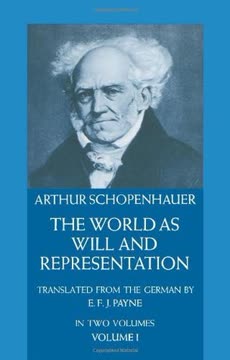
1. El Mundo como Representación y Voluntad
"El mundo es mi representación": esta es una verdad válida para todo ser vivo y conocedor, aunque solo el hombre puede llevarla a la conciencia reflexiva y abstracta.
Doble Naturaleza de la Existencia. Schopenhauer propone una comprensión revolucionaria de la realidad como simultáneamente representación y voluntad. El mundo no existe como una realidad externa objetiva, sino como una representación creada por un sujeto conocedor, con una esencia subyacente de voluntad que impulsa todos los fenómenos.
Capas de la Percepción. Nuestra comprensión del mundo está fundamentalmente limitada por nuestras capacidades perceptivas. Solo podemos conocer las cosas tal como nos aparecen, no como son en sí mismas. Esto significa:
- La realidad siempre está mediada por nuestra conciencia
- Lo que percibimos es solo la superficie de una realidad más profunda
- Nuestra perspectiva individual moldea nuestra comprensión del mundo
La Conciencia como Creadora. El mundo no existe independientemente de nuestra percepción, sino que se crea continuamente a través de nuestra conciencia. Cada individuo construye su propia realidad, haciendo del mundo una experiencia dinámica y subjetiva en lugar de una entidad fija y objetiva.
2. La Voluntad como Esencia Interna de la Realidad
"Solo la voluntad es; es la cosa en sí, la fuente de todos esos fenómenos."
Impulso Fundamental. La voluntad no es simplemente la volición humana, sino la energía subyacente que anima toda la existencia. Desde las fuerzas físicas más simples hasta las motivaciones humanas complejas, la voluntad representa el impulso primario detrás de todas las manifestaciones de la realidad.
Características de la Voluntad:
- Fundamentalmente irracional y carente de propósito
- Infinita e insaciable
- Existe más allá del tiempo y la experiencia individual
- Se manifiesta en distintos niveles de complejidad
Esfuerzo Universal. Todo fenómeno, desde una piedra que cae hasta un deseo humano, representa una manifestación de esta voluntad fundamental. El mundo es una lucha constante de voluntades en competencia, sin resolución última ni propósito más allá del devenir perpetuo.
3. El Principio de Razón Suficiente Limita Nuestra Comprensión
"El principio de razón suficiente es la forma universal de todo fenómeno, y el hombre en su acción, como todo otro fenómeno, debe estar subordinado a él."
Límites Cognitivos. El principio de razón suficiente constriñe el conocimiento humano al exigir que todo evento tenga una causa o explicación. Esta limitación nos impide comprender verdaderamente la naturaleza fundamental de la realidad.
Formas de Explicación:
- Relaciones causales
- Razonamiento lógico
- Sucesión temporal
- Conexiones espaciales
Restricción Intelectual. Aunque este principio posibilita el entendimiento científico, al mismo tiempo nos impide captar la esencia más profunda e irracional de la existencia. Nuestra mente racional solo puede percibir relaciones superficiales, nunca la voluntad subyacente.
4. La Percepción y el Conocimiento Son Fundamentalmente Diferentes
"El conocimiento de la percepción se opone directamente al conocimiento racional o abstracto, que se guía por el principio del fundamento del saber."
Modos de Entendimiento. Schopenhauer distingue entre el conocimiento perceptual (inmediato, intuitivo) y el conocimiento racional (abstracto, conceptual). Estos representan formas fundamentalmente distintas de experimentar y comprender la realidad.
Características del Conocimiento:
- El conocimiento perceptual es directo y holístico
- El conocimiento racional es mediado y analítico
- El conocimiento perceptual capta la esencia
- El conocimiento racional capta las relaciones
Limitaciones de la Racionalidad. El pensamiento puramente racional nunca puede abarcar completamente la complejidad de la experiencia vivida. La verdadera comprensión requiere un equilibrio entre la percepción intuitiva y el razonamiento conceptual.
5. El Arte Revela la Naturaleza Profunda de la Realidad
"El arte repite las Ideas eternas aprehendidas mediante la pura contemplación, el elemento esencial y perdurable en todos los fenómenos del mundo."
Visión Estética. El arte trasciende la percepción individual, permitiéndonos vislumbrar las Ideas subyacentes o formas eternas que constituyen la estructura más profunda de la realidad. A través de la experiencia estética, podemos escapar momentáneamente de la voluntad individual.
Cualidades Artísticas:
- Captura la esencia universal
- Libera del deseo personal
- Revela patrones fundamentales
- Proporciona trascendencia momentánea
Percepción Creativa. Los artistas poseen una capacidad única para percibir y comunicar estas Ideas fundamentales, haciendo del arte un modo profundo de entendimiento filosófico más allá del discurso racional.
6. Lo Sublime Trasciende la Experiencia Individual
"Aquí se provoca por la visión de un poder incomparablemente superior al individuo, que lo amenaza con la aniquilación."
Experiencia Trascendente. Lo sublime representa momentos en que la experiencia humana individual confronta fuerzas naturales abrumadoras, revelando nuestra simultánea insignificancia y profunda conexión con la existencia universal.
Experiencias Sublimes:
- Enfrentar vastos paisajes naturales
- Experimentar escalas cósmicas inmensas
- Ser testigo de fenómenos naturales profundos
- Reconocer las limitaciones humanas
Transformación Psicológica. Tales experiencias nos liberan momentáneamente de preocupaciones individuales, conectándonos con una comprensión más amplia de la realidad.
7. La Contemplación Estética Nos Libera de la Voluntad
"Cuando, sin embargo, una causa externa o una disposición interior nos eleva repentinamente fuera del flujo interminable de la voluntad... la atención ya no se dirige a los motivos de la voluntad."
Libertad Momentánea. Las experiencias estéticas ofrecen una escapatoria temporal del ciclo interminable de deseo y sufrimiento que caracteriza la existencia humana. Al suspender la voluntad individual, alcanzamos un estado de pura percepción.
Mecanismos de Liberación:
- Desapego de los deseos personales
- Observación pura y objetiva
- Trascendencia de la perspectiva individual
- Paz momentánea
Transformación de la Conciencia. A través de la contemplación estética, podemos experimentar brevemente un estado de conciencia serena y sin voluntad, más allá del sufrimiento individual.
8. Las Ideas Son las Formas Eternas de la Existencia
"Las Ideas son las formas persistentes y esenciales del mundo y de todos sus fenómenos."
Concepción Platónica. Las Ideas representan patrones eternos e inmutables que subyacen a toda existencia fenoménica. Son los arquetipos fundamentales de los cuales emergen las manifestaciones individuales.
Características de las Ideas:
- Atemporales e inmutables
- Universales y esenciales
- Más reales que los fenómenos individuales
- Accesibles mediante la percepción profunda
Marco Metafísico. Las Ideas constituyen un puente entre el mundo transitorio de la experiencia y el reino eterno de las formas fundamentales.
9. El Sufrimiento Humano Surge del Deseo Incesante
"Todo querer nace de la carencia, de la insuficiencia, y por tanto del sufrimiento."
Condición Existencial. La existencia humana se caracteriza por un querer perpetuo, donde cada deseo satisfecho genera inmediatamente nuevos deseos, creando un ciclo interminable de insatisfacción.
Dinámica del Sufrimiento:
- El deseo surge de la percepción de carencia
- La satisfacción es temporal
- Constantemente surgen nuevos deseos
- La felicidad es momentánea
Perspectiva Filosófica. La verdadera paz no proviene de satisfacer deseos, sino de trascender el mismo mecanismo del querer.
10. El Genio Ve Más Allá de la Percepción Individual
"El genio es la capacidad de permanecer en un estado de pura percepción, de perderse en la percepción."
Percepción Extraordinaria. El genio representa un estado elevado de conciencia capaz de percibir Ideas universales más allá de la experiencia individual y limitada.
Características del Genio:
- Capacidad para ver patrones universales
- Desapego de intereses personales
- Profundo entendimiento intuitivo
- Trascendencia de la percepción ordinaria
Visión Creativa. Los genios poseen una capacidad única para escapar momentáneamente de las limitaciones individuales y percibir verdades fundamentales sobre la existencia.
Resumen de reseñas
El mundo como voluntad y representación es una obra filosófica compleja que aborda la metafísica, la epistemología y la ética. Los lectores suelen encontrar la prosa de Schopenhauer clara y atractiva en comparación con otros filósofos, aunque su visión pesimista del mundo puede resultar desalentadora. El libro presenta una teoría unificada de la realidad basada en la voluntad y la representación, inspirándose en Kant y en la filosofía oriental. Aunque algunos se sienten abrumados por su extensión y sus argumentos densos, muchos valoran las perspectivas únicas de Schopenhauer sobre la naturaleza humana, el arte y la condición humana. En conjunto, se considera un texto filosófico importante e influyente, aunque requiere un estudio cuidadoso.
También leyeron
Preguntas frecuentes
What's The World as Will and Representation about?
- Philosophical Exploration: The book presents Arthur Schopenhauer's philosophy, which posits that the world is fundamentally a representation shaped by our perceptions and consciousness.
- Will as Central Concept: Schopenhauer argues that the essence of reality is the "will," which is the driving force behind all phenomena, contrasting with mere representation.
- Dual Nature of Existence: The text explores the duality of existence, where the world is both representation (how we perceive it) and will (the underlying reality).
Why should I read The World as Will and Representation?
- Influential Philosophy: Schopenhauer's work has significantly influenced existentialism, psychology, and the arts, making it essential for understanding modern thought.
- Deep Insights: The book offers profound insights into human existence, suffering, and the nature of reality, encouraging readers to reflect on their own lives.
- Unique Perspective: Schopenhauer's perspective on the will as the essence of life provides a unique lens through which to view human motivation and behavior.
What are the key takeaways of The World as Will and Representation?
- Representation vs. Will: The distinction between the world as representation and the world as will is central, emphasizing that our perceptions shape our understanding of reality.
- Suffering and Desire: Schopenhauer discusses how human suffering arises from unfulfilled desires, linking this to the nature of the will.
- Art and Aesthetics: The book highlights the role of art as a means to transcend the suffering of existence, offering a glimpse of the will's true nature.
What are the best quotes from The World as Will and Representation and what do they mean?
- "The world is my representation": This quote encapsulates the idea that our understanding of the world is subjective and shaped by our perceptions.
- "The will is the thing-in-itself": This statement asserts that the will is the true essence of reality, beyond mere appearances and representations.
- "Life is a dream": Schopenhauer suggests that our experiences may be illusory, emphasizing the transient nature of existence and the importance of seeking deeper truths.
How does Schopenhauer define the concept of will in The World as Will and Representation?
- Inner Essence: Schopenhauer defines will as the fundamental driving force behind all existence, representing the true nature of reality beyond mere appearances.
- Objectification of Will: The will manifests itself in various forms, including human actions and natural phenomena, which are seen as expressions of this underlying force.
- Groundlessness of Will: The will is described as "groundless," meaning it does not require external justification or cause, existing independently of the principle of sufficient reason.
What is the principle of sufficient reason in The World as Will and Representation?
- Foundation of Knowledge: The principle of sufficient reason states that everything must have a reason or cause, forming the basis for understanding phenomena.
- Four Aspects: Schopenhauer identifies four forms of this principle: becoming (causality), knowing (knowledge), being (existence), and acting (motivation).
- Relation to Representation: This principle governs how we perceive and understand the world, linking our experiences to the underlying will.
How does Schopenhauer view suffering in The World as Will and Representation?
- Suffering from Desire: Schopenhauer posits that suffering arises from unfulfilled desires, which are driven by the will, leading to a cycle of wanting and dissatisfaction.
- Existential Perspective: He suggests that life is inherently filled with suffering, and understanding this can lead to a more profound acceptance of existence.
- Transcendence through Art: Schopenhauer believes that art can provide a temporary escape from suffering, allowing individuals to experience a glimpse of the will's true nature.
What role does aesthetics play in The World as Will and Representation?
- Art as Escape: Schopenhauer views art as a means to transcend the suffering of existence, offering a temporary reprieve from the will's demands.
- Reflection of Will: He argues that great art reflects the essence of the will, allowing viewers to connect with deeper truths about existence.
- Aesthetic Experience: The experience of beauty in art can lead to a momentary suspension of the will, providing insight into the nature of reality.
How does The World as Will and Representation relate to Kant's philosophy?
- Continuation of Kantian Thought: Schopenhauer considers his philosophy a continuation of Kant's ideas, particularly regarding the distinction between phenomena and noumena (thing-in-itself).
- Critique of Kant: While he acknowledges Kant's contributions, Schopenhauer critiques certain aspects, particularly the notion of the thing-in-itself, which he identifies with the will.
- Sufficient Reason: Schopenhauer builds on Kant's principle of sufficient reason, expanding it to explore the implications of will as the essence of reality.
How does Schopenhauer differentiate between beauty and the sublime in The World as Will and Representation?
- Beauty as Harmony: Beauty is associated with objects that facilitate pure contemplation, allowing the observer to experience pleasure without the interference of the will.
- Sublime as Exaltation: The sublime arises when the observer consciously elevates themselves above the hostile relations of the object to the will, experiencing a profound sense of awe and transcendence.
- Emotional Contrast: While beauty brings peace and joy, the sublime involves a struggle against the overwhelming power of nature or existence, leading to a complex emotional response.
What is the significance of the Platonic Ideas in Schopenhauer's philosophy?
- Eternal Forms: Platonic Ideas represent the eternal, unchanging forms that underlie the transient phenomena of the world, serving as the true essence of things.
- Grades of Objectification: Schopenhauer uses the concept of Ideas to categorize the different grades of the will's objectification, from the lowest (inorganic matter) to the highest (human beings).
- Knowledge and Art: The Ideas are essential for understanding both the nature of reality and the purpose of art, as they provide the framework for comprehending the world beyond mere appearances.
How does Schopenhauer's philosophy relate to ethics in The World as Will and Representation?
- Compassion as Foundation: Schopenhauer posits that true ethics arise from compassion, which stems from recognizing the shared will in all beings. This understanding fosters a sense of moral responsibility towards others.
- Denial of the Will: Ethical behavior involves denying one's own will for the sake of alleviating the suffering of others, leading to a more harmonious existence and a deeper connection with humanity.
- Critique of Traditional Morality: He critiques conventional moral systems that rely on duty or abstract principles, advocating instead for a morality rooted in empathy and the recognition of shared suffering.