Ideas clave
1. El Eneagrama: Una Herramienta Poderosa para el Autodescubrimiento y el Crecimiento
"El Eneagrama solo puede ayudarnos si somos honestos con nosotros mismos."
Un mapa de la naturaleza humana. El Eneagrama es una figura geométrica que representa nueve tipos fundamentales de personalidad y sus complejas interrelaciones. Combina tradiciones de sabiduría ancestral con la psicología moderna, ofreciendo profundas revelaciones sobre el comportamiento humano, la motivación y el potencial de crecimiento.
Un puente hacia la transformación. El Eneagrama no es solo un sistema estático de clasificación, sino una herramienta dinámica para el desarrollo personal y espiritual. Al comprender nuestro tipo esencial, podemos:
- Reconocer nuestros patrones habituales y mecanismos de defensa
- Desarrollar mayor autoconciencia y compasión hacia nosotros mismos y los demás
- Identificar áreas para crecer e integrar
- Acceder a nuestra naturaleza Esencial más allá de las limitaciones de la personalidad
El poder del Eneagrama radica en su capacidad para revelar tanto nuestro estado actual como nuestro potencial de transformación, sirviendo de puente entre la psicología y la espiritualidad.
2. Comprendiendo los Nueve Tipos de Personalidad
"Cada tipo tiene dones extraordinarios—y trampas previsibles."
Los nueve tipos de un vistazo:
- El Reformador: Principiado, idealista y autocontrolado
- El Ayudador: Cariñoso, generoso y posesivo
- El Triunfador: Adaptable, ambicioso y preocupado por la imagen
- El Individualista: Sensible, creativo y temperamental
- El Investigador: Perceptivo, innovador y desapegado
- El Leal: Comprometido, orientado a la seguridad y ansioso
- El Entusiasta: Espontáneo, versátil y disperso
- El Desafiador: Poderoso, seguro de sí mismo y confrontativo
- El Pacificador: Receptivo, tranquilizador y complaciente
Cada tipo tiene motivaciones, miedos y deseos centrales que moldean su comportamiento y visión del mundo. Comprender estos patrones conduce a una mayor empatía y entendimiento hacia nosotros mismos y los demás. El Eneagrama enfatiza que ningún tipo es mejor que otro—cada uno posee fortalezas y desafíos únicos.
3. Los Niveles de Desarrollo: Una Dimensión Vertical del Crecimiento
"Los Niveles de Desarrollo tienen profundas implicaciones prácticas y terapéuticas."
Una medida de salud e integración. Los Niveles de Desarrollo añaden una dimensión vertical crucial al Eneagrama, mostrando cómo cada tipo puede manifestarse en distintos grados de salud psicológica e integración. Hay nueve niveles divididos en tres rangos:
- Saludable (Niveles 1-3): Caracterizado por integración psicológica, acceso a cualidades superiores y realización del potencial específico del tipo
- Promedio (Niveles 4-6): Donde opera la mayoría, mostrando comportamientos y defensas típicas del tipo
- No saludable (Niveles 7-9): Marcado por fijaciones crecientes, reactividad y posible patología
Un modelo dinámico de crecimiento. Los Niveles ofrecen un mapa para el desarrollo personal, señalando tanto las trampas a evitar como las cualidades a cultivar para cada tipo. Ayudan a explicar por qué personas del mismo tipo pueden parecer tan diferentes y ofrecen una visión del proceso de crecimiento psicológico y espiritual.
4. Las Variantes Instintivas: Subtipos de Supervivencia, Social y Sexual
"Las Variantes Instintivas indican cuál de nuestros tres instintos básicos fue más distorsionado en la infancia."
Tres impulsos fundamentales. Cada tipo de personalidad está influenciado además por una de tres variantes instintivas:
- Conservación: Enfoque en la supervivencia personal, comodidad y seguridad
- Social: Énfasis en la pertenencia, estatus y dinámica grupal
- Sexual: Prioriza conexiones intensas uno a uno y experiencias profundas
Moldeando el comportamiento y las relaciones. El instinto dominante impacta significativamente cómo se expresa un tipo:
- Influye en prioridades y áreas de enfoque en la vida
- Afecta la dinámica y compatibilidad en las relaciones
- Colorea la expresión de rasgos y comportamientos específicos del tipo
Comprender tu variante instintiva puede brindar mayor claridad sobre tus motivaciones y conductas, así como áreas potenciales para crecer y equilibrar.
5. Las Alas: Tipos Vecinos que Influyen en la Personalidad
"Las alas nos ayudan a individualizar los nueve tipos (más generales) del Eneagrama."
Expresión matizada del tipo. Cada tipo del Eneagrama está influenciado por uno de sus tipos vecinos en el círculo, llamado ala. Esto crea 18 subtipos, permitiendo mayor individualización y complejidad dentro de cada tipo.
Impacto en la personalidad:
- Añade rasgos y tendencias específicas del tipo ala
- Modifica la expresión del tipo central
- Puede cambiar con el tiempo o según el contexto
Por ejemplo, un Dos con ala Tres (2w3) puede ser más ambicioso y preocupado por la imagen que un Dos con ala Uno (2w1), quien podría ser más principiado y crítico. Reconocer la influencia del ala ayuda a explicar variaciones dentro de los tipos y ofrece caminos adicionales para el crecimiento.
6. Integración y Desintegración: Caminos de Crecimiento y Estrés
"Las Direcciones de Integración y Desintegración nos ayudan a reconocer si estamos progresando o retrocediendo en nuestro desarrollo."
Movimiento dinámico entre tipos. El Eneagrama describe cómo cada tipo se mueve hacia las cualidades positivas de otro tipo en crecimiento (integración) y hacia las cualidades negativas de un tercer tipo bajo estrés (desintegración).
Caminos de integración:
- Representan la dirección de salud psicológica y crecimiento
- Acceden a cualidades positivas del tipo de integración
- Ejemplo: Los Uno integrándose hacia el Siete se vuelven más espontáneos y alegres
Caminos de desintegración:
- Ocurren bajo estrés o inseguridad
- Adoptan cualidades negativas del tipo de desintegración
- Ejemplo: Los Uno desintegrándose hacia el Cuatro se vuelven más melancólicos e irracionales
Comprender estos movimientos ofrece una visión sobre oportunidades de crecimiento personal y posibles reacciones al estrés, brindando un mapa para el desarrollo y la autoconciencia.
7. Cultivar la Conciencia: La Clave para la Transformación Personal
"La conciencia es vital en el trabajo de transformación porque los hábitos de nuestra personalidad se sueltan más completamente cuando los vemos mientras ocurren."
El poder de la presencia. Cultivar la conciencia momento a momento es crucial para liberarnos de los patrones automáticos de nuestro tipo de personalidad. Esto implica:
- Observar pensamientos, emociones y comportamientos sin juzgar
- Reconocer reacciones habituales y mecanismos de defensa
- Permanecer presentes con sentimientos incómodos en lugar de evitarlos
Enfoques prácticos:
- Meditación y prácticas de atención plena
- Ejercicios de conciencia corporal
- Autoobservación en la vida diaria
- Escritura reflexiva y diario personal
Al desarrollar la capacidad de ser testigos de nuestros propios patrones en acción, creamos espacio para nuevas elecciones y respuestas, aflojando gradualmente el dominio de nuestras fijaciones de personalidad.
8. Las Tríadas: Centros Instintivo, Emocional y Mental
"Las Tríadas representan los tres grupos principales de problemas y defensas del ego, y revelan las formas principales en que contraemos nuestra conciencia y nos limitamos."
Tres centros de inteligencia. Los nueve tipos se dividen en tres tríadas, cada una representando un centro principal de inteligencia:
- Tríada Instintiva (Tipos 8, 9, 1): Enfocada en la autonomía y la resistencia
- Tríada Emocional (Tipos 2, 3, 4): Preocupada por la identidad y la imagen
- Tríada Mental (Tipos 5, 6, 7): Relacionada con la ansiedad y la seguridad
Problemas y defensas centrales:
- Instintiva: Lucha con la ira y la represión
- Emocional: Batalla con la vergüenza y el apego a una falsa imagen propia
- Mental: Enfrenta el miedo y la actividad mental excesiva
Comprender tu tríada brinda claridad sobre tus problemas emocionales centrales y mecanismos típicos de defensa. También señala áreas para integrar, ya que el verdadero crecimiento implica equilibrar e integrar los tres centros de inteligencia.
9. Patrones de la Infancia y su Impacto en las Relaciones Adultas
"El patrón infantil que describimos aquí no causa el tipo de personalidad. Más bien, describe tendencias observadas en la infancia temprana que influyen profundamente en las relaciones adultas del tipo."
Experiencias formativas. Cada tipo desarrolla ciertos patrones en la infancia que moldean su personalidad adulta y sus relaciones:
- Heridas y estrategias de afrontamiento específicas del tipo
- Patrones de relación con los cuidadores
- Creencias inconscientes sobre uno mismo y los demás
Influencia continua. Estos patrones tempranos suelen persistir en la adultez, afectando:
- Estilos de apego y dinámicas relacionales
- Problemas emocionales centrales y detonantes
- Expectativas inconscientes hacia los demás
Comprender estos patrones puede ofrecer luz sobre problemas recurrentes en las relaciones y abrir oportunidades para la sanación y el crecimiento. Al tomar conciencia de estas influencias tempranas, podemos comenzar a elegir formas más conscientes y satisfactorias de relacionarnos.
10. Superar las Fijaciones de la Personalidad para Acceder a la Esencia
"La verdad fundamental que el Eneagrama nos transmite es que somos mucho más que nuestra personalidad."
Más allá de la personalidad. El objetivo último del trabajo con el Eneagrama es reconocer que nuestra verdadera naturaleza (Esencia) es mucho más amplia y profunda que los patrones limitados de nuestro tipo de personalidad.
Pasos para acceder a la Esencia:
- Desarrollar autoconciencia y reconocer los patrones de personalidad
- Cultivar la presencia y la no reactividad
- Enfrentar e integrar aspectos reprimidos del ser
- Soltar la identificación con las defensas específicas del tipo
- Abrirse a las cualidades de la naturaleza Esencial (amor, sabiduría, fortaleza, etc.)
Al aflojar el dominio de nuestras fijaciones de personalidad, accedemos a la gama completa de cualidades y experiencias humanas. Esto conduce a mayor libertad, autenticidad y la capacidad de responder a la vida con sabiduría y compasión.
Resumen de reseñas
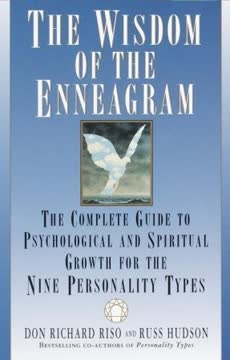
La Sabiduría del Eneagrama es reconocida como una guía completa sobre el sistema de personalidad del Eneagrama. Los lectores valoran sus explicaciones detalladas, sus aplicaciones prácticas y sus profundos conocimientos sobre la autoconciencia y el crecimiento personal. Muchos la consideran útil para comprenderse mejor a sí mismos y a los demás, mejorar las relaciones y fomentar el desarrollo espiritual. El libro se percibe como accesible pero exhaustivo, ofreciendo herramientas valiosas para la autorreflexión y la transformación. Aunque algunos encuentran ciertas secciones demasiado abstractas o densas, la mayoría la considera un recurso esencial para quienes se interesan en el Eneagrama.
También leyeron






Preguntas frecuentes
What's The Wisdom of the Enneagram about?
- Understanding Personality Types: The book explores nine distinct personality types, each with unique traits, motivations, and challenges. It combines ancient wisdom with modern psychology to provide insights into personal growth and spiritual development.
- Psychological and Spiritual Growth: It emphasizes the importance of understanding one's personality type for personal development and spiritual growth. The authors aim to facilitate personal transformation through this understanding.
- Practical Applications: The book includes practical advice and exercises for each personality type, allowing readers to apply the concepts to their daily lives. This makes it a useful tool for self-discovery and improvement.
Why should I read The Wisdom of the Enneagram?
- Self-Discovery Tool: This book serves as a powerful tool for self-discovery, helping readers identify their personality type and understand their behaviors. Recognizing one’s type can lead to greater self-awareness and personal growth.
- Improving Relationships: Understanding the Enneagram can enhance interpersonal relationships by providing insights into how different types interact. This knowledge can foster empathy and improve communication with others.
- Holistic Approach: The authors combine psychological insights with spiritual growth, offering a holistic approach to personal development. This dual focus can help readers achieve a more balanced and fulfilling life.
What are the key takeaways of The Wisdom of the Enneagram?
- Nine Personality Types: The book categorizes human behavior into nine distinct types, each with unique characteristics and challenges. Understanding these types is crucial for personal growth.
- Levels of Development: Each type has levels of development ranging from healthy to unhealthy, illustrating how individuals can evolve or regress. This framework helps readers identify where they stand and what steps they can take to improve.
- Integration and Growth: The authors emphasize the importance of integrating the positive qualities of each type to achieve personal growth. They provide practical exercises and advice for moving toward healthier expressions of one’s personality.
What are the nine personality types in The Wisdom of the Enneagram?
- Type One: The Reformer: Principled and self-controlled, Ones strive for improvement but can be perfectionistic and critical. They seek integrity and fear being corrupt or defective.
- Type Two: The Helper: Caring and interpersonal, Twos are generous and self-sacrificing but may struggle with possessiveness and people-pleasing. They fear being unloved and seek to feel needed.
- Type Three: The Achiever: Success-oriented and adaptable, Threes are ambitious and image-conscious but can become overly competitive. They fear being worthless and seek validation through accomplishments.
- Type Four: The Individualist: Sensitive and introspective, Fours are creative but can be moody and self-absorbed. They fear having no identity and seek to express their uniqueness.
- Type Five: The Investigator: Insightful and curious, Fives are independent but may become isolated and eccentric. They fear being incompetent and seek knowledge and understanding.
- Type Six: The Loyalist: Committed and security-oriented, Sixes are reliable but can be anxious and indecisive. They fear being without support and seek security and guidance.
- Type Seven: The Enthusiast: Optimistic and spontaneous, Sevens are versatile but may struggle with impulsiveness. They fear being deprived and seek new experiences.
- Type Eight: The Challenger: Assertive and strong, Eights are protective but can be domineering. They fear being controlled and seek to assert their power.
- Type Nine: The Peacemaker: Easygoing and supportive, Nines are accepting but may be complacent and stubborn. They fear loss of connection and seek harmony and peace.
How does The Wisdom of the Enneagram define the Enneagram?
- Geometric Figure: The Enneagram is described as a nine-pointed geometric figure that maps out the nine fundamental personality types and their interrelationships. It serves as a visual representation of the types and their dynamics.
- Combination of Wisdom Traditions: The Enneagram synthesizes insights from various spiritual and psychological traditions, including Christianity, Buddhism, and modern psychology. This blend provides a holistic understanding of human nature.
- Tool for Self-Discovery: The Enneagram is presented as a tool for self-discovery and personal growth, helping individuals identify their core issues and strengths. It encourages honest self-reflection and awareness.
How can I identify my personality type using The Wisdom of the Enneagram?
- Riso-Hudson QUEST: The book includes the Riso-Hudson QUEST, a quick sorting test that helps narrow down your personality type. This test is designed to be completed in under five minutes and provides a preliminary indication of your type.
- Type Attitude Sorter (TAS): Each type chapter contains the Riso-Hudson TAS, which consists of statements that are characteristic of each type. Scoring your responses can help confirm your primary type.
- Read and Reflect: After taking the tests, read the full descriptions of the types that resonate with you. Reflect on your behaviors, motivations, and challenges to gain deeper insights into your personality.
What are the Levels of Development in The Wisdom of the Enneagram?
- Three Main Ranges: The Levels of Development are categorized into healthy, average, and unhealthy ranges, with three levels within each. This framework helps individuals understand their current state and potential for growth.
- Healthy Levels: In the healthy range, individuals exhibit positive traits and behaviors associated with their type, such as wisdom, acceptance, and self-nurturing. They are more connected to their essence and less identified with their personality.
- Average and Unhealthy Levels: The average range reflects typical behaviors and challenges, while the unhealthy range indicates dysfunction and reactive behaviors. Understanding these levels can help individuals identify when they are slipping into less healthy patterns.
How does the Enneagram help in personal relationships?
- Understanding Dynamics: The Enneagram provides insights into how different personality types interact, helping individuals understand their own and others' motivations and behaviors. This understanding can improve communication and reduce conflicts.
- Compassion and Empathy: By recognizing the strengths and weaknesses of each type, individuals can cultivate compassion for themselves and others. This can lead to more harmonious relationships and a greater sense of connection.
- Personal Growth: The Enneagram encourages individuals to work on their personal issues and growth areas, which can positively impact their relationships. As individuals become more self-aware, they can engage with others more authentically and effectively.
What role does the concept of "Essence" play in The Wisdom of the Enneagram?
- True Nature: Essence refers to the authentic self that exists beyond personality traits and defenses. It represents the core qualities of love, wisdom, and creativity inherent in every individual.
- Path to Liberation: The book emphasizes that understanding and connecting with one's Essence is key to overcoming the limitations imposed by personality types. This connection leads to personal freedom and fulfillment.
- Universal Connection: Recognizing one's Essence fosters a sense of unity with others and the world. It allows individuals to experience life more fully and authentically, transcending the ego's constraints.
What are the best quotes from The Wisdom of the Enneagram and what do they mean?
- “Whatever your age, your upbringing, or your education, what you are made of is mostly unused potential.”: This quote emphasizes that everyone has inherent potential that often goes untapped due to various life circumstances. It encourages readers to explore and realize their true capabilities.
- “The great metaphors from all spiritual traditions—grace, liberation, being born again, awakening from illusion—testify that it is possible to transcend the conditioning of my past and do a new thing.”: This highlights the possibility of personal transformation and growth, regardless of past experiences. It suggests that spiritual awakening is achievable through self-awareness and effort.
- “The curious paradox is that when I accept myself just as I am, then I can change.”: This quote underscores the importance of self-acceptance as a precursor to genuine change. It suggests that embracing one's flaws and current state is essential for growth.
How does The Wisdom of the Enneagram describe the journey of integration for each personality type?
- Pathways to Growth: Each type has specific pathways for growth that involve recognizing and integrating their strengths while addressing their weaknesses. This journey is essential for personal development.
- Emotional Awareness: The process of integration requires individuals to become aware of their emotional patterns and how these affect their behavior. This awareness is crucial for making meaningful changes.
- Connection with Essence: Ultimately, the journey of integration leads individuals to reconnect with their Essential nature, fostering a sense of inner peace and fulfillment. This connection is vital for living authentically.
How can understanding my Enneagram type help me in my personal relationships?
- Enhanced Communication: Knowing your type and the types of those around you can improve communication by fostering empathy and understanding. It allows for more effective interactions based on each person's motivations and fears.
- Conflict Resolution: The book provides insights into how different types handle conflict, enabling individuals to navigate disagreements more constructively. Understanding these dynamics can lead to healthier resolutions.
- Building Stronger Connections: By recognizing the strengths and weaknesses of each type, individuals can cultivate deeper, more meaningful relationships. This understanding promotes acceptance and appreciation of differences.