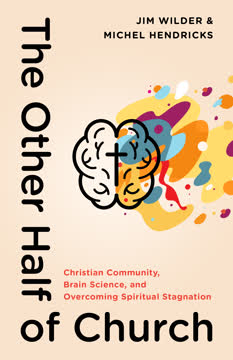
Ideas clave
1. El cristianismo necesita la participación tanto del hemisferio izquierdo como del derecho para una verdadera transformación
Un cristianismo a medias enfatiza las habilidades del hemisferio izquierdo (verdad, doctrina, enseñanza, habilidades de evangelización, estrategias ministeriales) y descuida las habilidades relacionales y emocionales del hemisferio derecho.
Se requiere un enfoque equilibrado. Las prácticas cristianas tradicionales suelen centrarse en actividades propias del hemisferio izquierdo, como el estudio de la doctrina, la memorización de las Escrituras y el desarrollo de estrategias ministeriales. Sin embargo, este enfoque deja de lado funciones esenciales del hemisferio derecho, indispensables para una auténtica transformación del carácter y crecimiento espiritual.
Importancia del hemisferio derecho. El hemisferio derecho del cerebro es responsable de:
- Procesar las emociones
- Formar vínculos relacionales
- Desarrollar empatía y compasión
- Crear un sentido de identidad y pertenencia
Al involucrar ambos hemisferios, los cristianos pueden experimentar una formación espiritual más integral que impacta no solo su conocimiento, sino también su carácter, relaciones y bienestar emocional.
2. La alegría es la base para el crecimiento espiritual y el desarrollo del carácter
Dios diseñó nuestro cerebro para funcionar con alegría, así como un automóvil funciona con combustible.
Fundamento neurológico de la alegría. Las investigaciones han demostrado que la alegría es un pilar fundamental para el desarrollo saludable del cerebro y la regulación emocional. En un contexto espiritual, la alegría se experimenta como el deleite y el placer de Dios en nosotros, a menudo descrito en las Escrituras como "la luz del rostro de Dios que brilla sobre nosotros".
Aplicaciones prácticas:
- Cultivar prácticas de gratitud
- Fomentar interacciones cara a cara que generen alegría
- Crear espacios para el juego y la celebración en las comunidades eclesiales
- Desarrollar la capacidad de experimentar alegría incluso en medio de emociones o circunstancias difíciles
La alegría provee el combustible emocional necesario para la resiliencia, el crecimiento del carácter y el mantenimiento de relaciones saludables con Dios y con los demás.
3. Hesed (amor de pacto) es el pegamento relacional de la comunidad cristiana
Hesed es el vínculo que nos une como miembros de la familia de Jesús.
Comprendiendo hesed. Esta palabra hebrea abarca la idea de un amor firme y de pacto que perdura en todas las circunstancias. Es la base para relaciones profundas y duraderas dentro de la comunidad cristiana.
Cultivando hesed:
- Priorizar las relaciones por encima de las tareas o logros
- Practicar la vulnerabilidad y compartir las debilidades
- Comprometerse a acompañar a otros en la alegría y el sufrimiento
- Crear ambientes donde las personas se sientan seguras para ser auténticas
Las comunidades ricas en hesed ofrecen el contexto relacional necesario para una verdadera transformación espiritual y desarrollo del carácter.
4. La identidad grupal moldea el carácter y el comportamiento en la vida cristiana
La identidad grupal tiene el poder de cambiar el carácter porque actúa rápidamente en el lugar adecuado del cerebro.
Poder de la identidad compartida. La comunidad cristiana juega un papel crucial en la formación del carácter individual al ofrecer una imagen clara de “quiénes somos” y “cómo actuamos” como seguidores de Jesús.
Desarrollando la identidad grupal:
- Articular y reforzar regularmente los valores y comportamientos compartidos
- Contar historias que ilustren la identidad de la comunidad en acción
- Crear oportunidades para interacciones y mentorías multigeneracionales
- Abordar y corregir comportamientos que no se alineen con la identidad del grupo
Una identidad grupal fuerte y centrada en Cristo provee el marco para la transformación individual y ayuda a resistir influencias culturales negativas.
5. La corrección saludable es esencial para la madurez y el crecimiento espiritual
Quien acepta la corrección que da vida estará en casa entre los sabios.
Replanteando la corrección. Muchos cristianos tienen asociaciones negativas con la corrección debido a experiencias pasadas de vergüenza tóxica o castigo. Sin embargo, la corrección saludable es un componente vital para el crecimiento espiritual y la formación del carácter.
Elementos de la corrección saludable:
- Afirmar la relación y la identidad compartida
- Abordar comportamientos específicos, no el valor de la persona
- Proveer un camino claro para volver a alinearse con los valores de la comunidad
- Crear una cultura donde todos den y reciban corrección
Aprender a dar y recibir corrección de manera amorosa y que afirme la identidad es crucial para la madurez espiritual continua.
6. El narcisismo prospera en ambientes eclesiales carentes de relaciones saludables
Cuando no logramos incorporar el carácter de Cristo en la identidad de nuestra comunidad, fácilmente olvidamos quiénes somos.
Entendiendo el narcisismo en la iglesia. Las tendencias narcisistas pueden desarrollarse cuando las personas no pueden procesar la vergüenza de manera saludable y relacional. Los ambientes eclesiales que carecen de alegría, hesed e identidad grupal sólida se convierten en caldo de cultivo para liderazgos narcisistas.
Señales de narcisismo en el liderazgo eclesial:
- Elevar la personalidad o visión del líder por encima de Cristo
- Incapacidad para recibir corrección o admitir debilidades
- Sacrificar relaciones por metas ministeriales
- Crear narrativas que siempre pintan al líder de manera positiva
Reconocer y abordar patrones narcisistas es fundamental para mantener comunidades eclesiales saludables.
7. El cristianismo integral crea comunidades vibrantes y transformadoras
Una comunidad integral se impresiona solo por Jesús y ve cualquier intento de magnificar a otra persona como una oportunidad para ofrecer una reprensión amable.
Características de comunidades integrales:
- Altos niveles de alegría y conexión relacional
- Identidad grupal fuerte y centrada en Cristo
- Cultura de corrección amorosa y gentil
- Énfasis en el desarrollo del carácter por encima del don espiritual
- Liderazgo distribuido y responsabilidad compartida
Pasos prácticos:
- Rediseñar la adoración y la enseñanza para involucrar ambos hemisferios cerebrales
- Implementar formación en regulación emocional y habilidades relacionales
- Crear oportunidades para el discipulado multigeneracional
- Desarrollar caminos claros para la madurez espiritual y el crecimiento del carácter
Las comunidades cristianas integrales brillan como faros de amor transformador en un mundo sediento de relaciones auténticas y propósito.
Resumen de reseñas
La otra mitad de la iglesia ha recibido en su mayoría críticas positivas, destacando sus valiosas reflexiones sobre la formación espiritual y la ciencia del cerebro. Muchos lectores encuentran transformador su énfasis en el crecimiento relacional, la alegría y la comunidad. Se valoran especialmente sus aplicaciones prácticas y el análisis del narcisismo. No obstante, algunos señalan que simplifica en exceso la neurociencia, carece de practicidad en ciertos aspectos y podría incluir conceptos propios de la Nueva Era. A pesar de opiniones encontradas respecto al estilo de escritura y la profundidad, numerosos lectores lo consideran un recurso valioso para el crecimiento personal y el liderazgo en la iglesia.
También leyeron




Preguntas frecuentes
What's "The Other Half of Church" about?
- Integration of Brain Science and Faith: The book explores how brain science can be integrated with Christian discipleship to overcome spiritual stagnation.
- Focus on Right-Brain Development: It emphasizes the importance of right-brain functions like joy, attachment, and identity in spiritual growth.
- Transformational Community: The authors propose creating a community that nurtures these right-brain functions to foster personal and congregational transformation.
- Practical Guidance: It offers practical advice and exercises to help churches and individuals develop a full-brained approach to discipleship.
Why should I read "The Other Half of Church"?
- Address Spiritual Stagnation: If you're experiencing spiritual stagnation, this book provides insights into why it happens and how to overcome it.
- Innovative Approach: It combines neuroscience with biblical teachings, offering a fresh perspective on spiritual growth.
- Practical Tools: The book includes exercises and strategies that can be applied in personal and church settings to enhance spiritual development.
- Community Focus: It emphasizes the importance of community and relationships in spiritual formation, which can be transformative for church dynamics.
What are the key takeaways of "The Other Half of Church"?
- Right-Brain Importance: The right brain is crucial for character change and spiritual formation, focusing on joy, attachment, and identity.
- Joy and Attachment: Joy and strong relational attachments (hesed) are foundational for spiritual growth and should be nurtured in church communities.
- Group Identity: Developing a strong group identity based on the character of Jesus is essential for personal and communal transformation.
- Healthy Correction: Implementing healthy correction practices within a community can lead to significant character development.
How does "The Other Half of Church" integrate brain science with Christian discipleship?
- Dual Brain Processors: The book explains how the brain's right and left hemispheres process information differently, with the right brain being key to relational and emotional development.
- Joy and Attachment: It highlights how joy and attachment are processed in the right brain and are essential for spiritual growth.
- Practical Exercises: The authors provide exercises that engage the right brain, such as gratitude practices and relational skills training.
- Scientific Support: The book uses findings from neuroscience to support its claims about the importance of right-brain functions in discipleship.
What is the role of joy in "The Other Half of Church"?
- Joy as Fuel: Joy is described as the fuel for the brain, essential for emotional and relational health.
- Relational Joy: It is defined as the feeling when someone is glad to be with you, and it's crucial for building strong community bonds.
- Joy and Suffering: Joy helps individuals endure suffering by maintaining relational connections with God and others.
- Building Joy: The book offers practical steps to increase joy capacity, such as gratitude exercises and face-to-face interactions.
How does "The Other Half of Church" define hesed?
- Enduring Love: Hesed is described as an enduring, covenantal love that forms strong relational attachments.
- Biblical Foundation: The book connects hesed to biblical teachings, emphasizing its role in forming character and community.
- Attachment Theory: It aligns hesed with attachment theory, suggesting that strong attachments are crucial for spiritual growth.
- Community Glue: Hesed acts as the relational glue that holds communities together, fostering a family-like environment.
What is the significance of group identity in "The Other Half of Church"?
- Character Formation: Group identity helps shape individual character by providing a model of how "our people" act.
- Biblical Examples: The book uses biblical teachings to illustrate the importance of group identity in the early church.
- Identity Statements: It suggests creating identity statements that reflect the character of Jesus to guide community behavior.
- Cultural Impact: A strong group identity can counteract cultural fragmentation and provide a cohesive narrative for living as Christians.
How does "The Other Half of Church" address correction within a community?
- Healthy Shame: The book distinguishes between toxic and healthy shame, advocating for correction that affirms relationships.
- Character Development: Correction is seen as essential for character development, helping individuals return to their true identity.
- Community Practice: It encourages communities to practice healthy correction regularly, making it a part of their relational DNA.
- Avoiding Condemnation: The book emphasizes rejecting condemnation and focusing on relational solutions to character flaws.
What are the signs of narcissism according to "The Other Half of Church"?
- Shame Dysfunction: Narcissism is described as an inability to metabolize shame relationally, leading to self-justification and condemnation.
- Leadership Issues: Narcissistic leaders often prioritize winning and performance over relationships, causing harm to communities.
- Community Vulnerability: Churches with depleted relational soil are more susceptible to narcissistic influences.
- Healing Potential: The book suggests that a community with healthy soil can offer healing to narcissistic individuals through love and correction.
How can a church become resistant to narcissism according to "The Other Half of Church"?
- Rich Relational Soil: Building a community rich in joy, hesed, and group identity creates an environment resistant to narcissism.
- Culture of Correction: Implementing a culture of healthy correction helps prevent narcissistic behavior from taking root.
- Loving Enemies: Training to love difficult people, including narcissists, strengthens the community's relational bonds.
- Community Vigilance: A vigilant community that recognizes and addresses narcissistic behavior can maintain its health and integrity.
What are the best quotes from "The Other Half of Church" and what do they mean?
- "Joy is the fuel for the brain": This quote emphasizes the importance of joy in maintaining emotional and relational health.
- "Hesed is the glue that holds communities together": It highlights the role of enduring love in forming strong, transformative communities.
- "Group identity shapes individual character": This underscores the influence of community values on personal behavior and spiritual growth.
- "Healthy correction is an invitation to return to our true identity": It reflects the book's approach to correction as a loving, relational process.
What practical exercises does "The Other Half of Church" recommend for spiritual growth?
- Gratitude Practices: The book suggests daily gratitude exercises to increase joy capacity and strengthen relational bonds.
- Joy Building: It recommends face-to-face interactions and intentional joy-building activities within communities.
- Identity Statements: Creating and repeating group identity statements to reinforce community values and character.
- Correction Training: Practicing healthy correction techniques to foster a culture of growth and transformation.








































