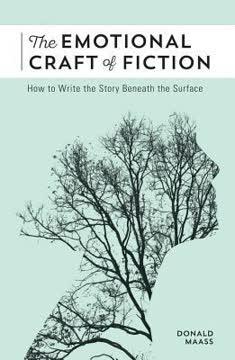
Ideas clave
1. El núcleo emocional de la ficción: se trata del viaje del lector, no solo del personaje
La pregunta más acertada es: ¿cómo lograr que los lectores emprendan sus propios viajes emocionales?
Más allá de mostrar y contar. La ficción más efectiva no se limita a describir lo que sienten los personajes, sino que provoca una experiencia emocional única en cada lector. Se trata de inducir un viaje personal, no de dictar un sentimiento compartido.
La experiencia única del lector. Ningún lector vive una novela igual que otro, pues cada uno está influido por su temperamento, historia y prejuicios. El papel del novelista es provocar emociones, no crearlas.
El impacto emocional como elemento fundamental. El impacto emocional no es un añadido opcional, sino un componente esencial del propósito y la estructura de una novela, que sustenta los arcos de los personajes, los giros de la trama y la voz narrativa. Es lo que los lectores recuerdan mucho después de que la historia se desvanece.
2. Interior, exterior, otro: tres modos para evocar la emoción del lector
El primero consiste en relatar lo que sienten los personajes de forma tan efectiva que los lectores también lo sientan... El segundo, en provocar en los lectores lo que los personajes podrían sentir, insinuando su estado interior a través de acciones externas... El tercero, en hacer que los lectores sientan algo que los personajes no sienten.
Modo interior (contar). Implica expresar directamente las emociones de un personaje, buscando crear empatía y un sentimiento compartido con el lector. Es más efectivo cuando las emociones son frescas, inesperadas y complejas.
Modo exterior (mostrar). Se basa en acciones y diálogos externos que sugieren el estado interior del personaje, permitiendo que el lector infiera y experimente las emociones de manera visceral. El subtexto es clave para mostrar eficazmente, revelando verdades emocionales no expresadas.
Modo otro (viaje del lector). Se centra en provocar en los lectores emociones independientes de las de los personajes, creando un diálogo emocional entre autor y lector. Implica desafiar creencias, estimular la reflexión cognitiva y fomentar la introspección.
3. Construir un mundo emocional: narración centrada en el yo y apuestas morales
Abrir el mundo emocional de una historia es igual de importante, pero para ello hay que adentrarse no solo en la experiencia de los personajes con su entorno, sino también en su relación consigo mismos.
Narración centrada en el yo. Los personajes deben compartir abiertamente sus pensamientos y sentimientos internos, creando intimidad con el lector. Esto implica explorar cómo se experimentan a sí mismos y a su mundo, planteando preguntas y preocupaciones que resuenan en el lector.
Escala emocional. Contar bien implica usar detalles pequeños para evocar grandes emociones y amplificar emociones sutiles para lograr un impacto significativo. Esto requiere un entendimiento matizado de los detonantes emocionales y el poder de la sugerencia.
Apuestas morales. Las luchas y decisiones morales de los personajes son herramientas emocionales poderosas. Los lectores se sienten atraídos por personajes que buscan la virtud, incluso en circunstancias difíciles. La elevación moral inspira a los lectores a ser mejores.
4. Emociones, significado y arco: conectar los viajes interior y exterior
La trama sucede afuera, pero la historia sucede adentro.
Significado más allá de los hechos. La verdadera historia no está en los hechos en sí, sino en su significado para los personajes. Iluminar el sentido de los eventos, grandes o pequeños, añade profundidad y resonancia a la narrativa.
Unificar largos períodos. Las novelas que abarcan largos lapsos pueden unificarse enfocándose en la constante del cambio y en la evolución del entendimiento que los personajes tienen de sí mismos y su mundo. Las preguntas recurrentes sobre identidad y propósito crean un hilo narrativo cohesivo.
Conectar interior y exterior. Los viajes interior y exterior de un personaje están interconectados. Los eventos externos deben provocar reflexión interna, y las luchas internas deben manifestarse en acciones externas. Esto genera una historia dinámica y emocionalmente envolvente.
5. La trama emocional: hitos que resuenan
El impacto emocional de una historia se crea en su totalidad.
Aperturas emocionales. Las aperturas efectivas combinan intriga con compromiso emocional, dando a los lectores una razón para interesarse en los personajes desde la primera página. Esto implica establecer valores de corazón y crear juicios morales positivos inmediatos.
Enamorarse de los protagonistas. Los lectores se enamoran de protagonistas que no solo son atractivos, sino también cercanos. Esto implica crear personajes con corazón, anhelos y capacidad de cambio.
El punto medio emocional. El punto medio es un momento crucial de crisis y transformación, donde los personajes enfrentan sus miedos más profundos y toman decisiones que moldean su destino. Es un momento espejo, un punto sin retorno.
6. El viaje emocional del lector: momentos altos e impacto duradero
Las emociones elevadas nos hacen reflexionar. Nos hacen cambiar. Nos hacen mejores.
Momentos altos. Ciertos eventos de la historia, como el perdón, el sacrificio, la traición, los dilemas morales y la muerte, tienen un impacto emocional poderoso en los lectores. Estos momentos deben ser cuidadosamente elaborados para maximizar su resonancia emocional.
Símbolos. Los símbolos pueden usarse para profundizar el significado emocional de una historia. Objetos, gestos o palabras recurrentes pueden adquirir un significado simbólico, añadiendo capas de sentido y resonancia emocional.
Mundos narrativos de los que no queremos irnos. Crear un mundo de historia atractivo implica más que detalles sensoriales. Requiere construir un lugar donde los lectores se sientan emocionalmente conectados, un lugar donde prevalezcan la bondad, la esperanza y el amor.
7. El viaje emocional del escritor: espíritu positivo y el espejo emocional
El espíritu que llevas a tu escritorio de escritura contamina o vivifica tus páginas.
Espíritu positivo. El estado emocional y la actitud del escritor pueden influir profundamente en la historia. Un espíritu positivo, caracterizado por la compasión, la generosidad y la fe en la humanidad, puede elevar a los lectores y crear una experiencia más significativa.
El espejo emocional. Los personajes pueden funcionar como espejos emocionales, reflejando las propias luchas internas y el crecimiento del escritor. Al ser honestos con sus personajes, los escritores pueden alcanzar una comprensión más profunda de sí mismos y crear historias más auténticas y poderosas.
Decencia y bondad. Infundir el mundo de la historia con decencia y bondad puede generar esperanza y conexión en los lectores. Esto implica retratar personajes amables, compasivos y comprometidos con hacer del mundo un lugar mejor.
Resumen de reseñas
El arte emocional de la ficción suscita opiniones encontradas. Muchos elogian sus valiosas ideas sobre cómo despertar emociones en la escritura, considerándolo útil e inspirador. Sin embargo, algunos critican sus referencias anticuadas, lenguaje sexista y ejemplos que pueden resultar perturbadores. Los lectores valoran los ejercicios prácticos y la perspectiva única sobre las emociones del lector. Por otro lado, los críticos señalan que los consejos son subjetivos y, en ocasiones, superficiales. Algunos consideran que el libro resulta repetitivo o está mal redactado. En conjunto, las opiniones están divididas, siendo los escritores experimentados quienes encuentran menos provecho que los principiantes. No obstante, el enfoque del libro en el impacto emocional dentro de la narrativa suele ser bien recibido.
También leyeron

Preguntas frecuentes
1. What is "The Emotional Craft of Fiction" by Donald Maass about?
- Focus on Emotional Impact: The book explores how fiction writers can create a powerful emotional experience for readers, going beyond just showing or telling character emotions.
- Reader’s Emotional Journey: Maass argues that the true goal is to take readers on their own emotional journeys, not just to convey what characters feel.
- Practical Techniques: The book provides actionable methods and exercises (Emotional Mastery) to help writers evoke authentic, memorable emotions in their stories.
- Comprehensive Approach: It covers everything from character arcs and plot to language, symbolism, and the writer’s own emotional engagement with their work.
2. Why should I read "The Emotional Craft of Fiction" by Donald Maass?
- Unique Perspective: Maass challenges conventional writing advice, focusing on the reader’s emotional experience rather than just craft mechanics.
- Actionable Advice: The book is filled with practical exercises and examples from contemporary and classic fiction to help writers apply the concepts immediately.
- Deepens Storytelling: It teaches writers how to make their stories resonate on a deeper, more universal level, increasing the impact and memorability of their work.
- Suitable for All Writers: Whether you write commercial, literary, genre, or experimental fiction, the techniques are adaptable and widely applicable.
3. What are the key takeaways from "The Emotional Craft of Fiction"?
- Emotional Experience is Central: The most memorable fiction is that which makes readers feel deeply, not just follow a plot.
- Showing vs. Telling is Insufficient: Both are tools, but neither guarantees emotional impact; the real craft is in provoking readers’ own feelings.
- Emotional Mastery Methods: The book offers 34 specific exercises to help writers create emotional resonance, from using subtext to crafting high moments.
- Writer’s Emotional Journey: The author emphasizes that the writer’s own emotional engagement and positive spirit are essential to creating powerful fiction.
4. How does Donald Maass define and differentiate "showing," "telling," and "other mode" in fiction?
- Showing (Outer Mode): Involves implying character emotions through action, dialogue, and subtext, allowing readers to interpret and feel for themselves.
- Telling (Inner Mode): Directly states what characters feel, but risks falling flat unless it goes beyond surface emotions to deeper, more nuanced layers.
- Other Mode: Provokes emotions in readers that characters themselves may not feel, using story elements like plot, setting, and theme to create a unique reader experience.
- Integration is Key: Maass argues that effective fiction blends all three, but always with the goal of eliciting a strong emotional response in the reader.
5. What are "third-level emotions" and how does "The Emotional Craft of Fiction" suggest writers use them?
- Beyond Surface Feelings: Third-level emotions are deeper, less obvious feelings that lie beneath primary and secondary emotions.
- Four-Step Method: Maass recommends using analogy, moral judgment, alternatives, and justification to explore and express these deeper emotions.
- Creates Emotional Surprise: By digging past the expected, writers can catch readers off guard and provoke genuine emotional reactions.
- Practical Exercise: The book provides step-by-step guidance for identifying and writing third-level emotions in scenes.
6. How does "The Emotional Craft of Fiction" by Donald Maass recommend connecting a character’s inner and outer journey?
- Pin Connection Metaphor: Maass likens the connection to a structural pin in architecture, joining the plot (outer journey) and character arc (inner journey).
- Meaningful Events: Writers should ensure that plot events have personal significance for the protagonist, and that inner changes are reflected in outward actions.
- Fastening Techniques: The book suggests using thoughts, feelings, and symbolic actions to link internal transformation with external story developments.
- Ongoing Struggle: The connection should be present throughout the novel, not just at key turning points.
7. What is the "Emotional Mastery" checklist in "The Emotional Craft of Fiction" and how should writers use it?
- 34 Practical Exercises: The checklist consists of 34 targeted methods, each designed to help writers evoke specific emotional effects in their fiction.
- Covers All Aspects: Exercises address showing, telling, subtext, high moments, symbols, language, character change, hope, and more.
- Step-by-Step Guidance: Each method includes prompts and questions to apply directly to your manuscript.
- Iterative Use: Writers are encouraged to revisit these exercises throughout drafting and revision to deepen emotional impact.
8. How does Donald Maass suggest writers create "high moments" and emotional peaks in their stories?
- Focus on Universal Experiences: High moments often involve forgiveness, sacrifice, betrayal, moral dilemmas, and death.
- Build Up and Release: Emotional peaks are most effective when tension and hope are built up before the moment of release or revelation.
- Use of Symbolism: Recurring objects, gestures, or words can be set up early and used for maximum emotional effect at key moments.
- Personal Stakes: The more personal and specific the stakes for the protagonist, the more powerful the high moment for the reader.
9. What role does the writer’s own emotional journey and mindset play, according to "The Emotional Craft of Fiction"?
- Writer’s Spirit is Contagious: The emotional tone and outlook of the writer infuse the story, affecting how readers feel.
- Positive Spirit Encouraged: Maass advocates for compassion, hope, and magnanimity in both the writer and their characters.
- Emotional Mirror: Writers are urged to confront their own truths and vulnerabilities, as authentic self-exploration leads to more authentic characters.
- Ongoing Practice: Cultivating a generous, hopeful, and open mindset is a daily practice that benefits both the writing process and the finished work.
10. How does "The Emotional Craft of Fiction" by Donald Maass address the challenge of writing emotionally engaging scenes where "nothing happens"?
- Underlying Need: Even in low-action scenes, the protagonist’s unmet emotional need should be present and subtly felt.
- Subtext and Obsession: Writers can use a character’s focus on small details or obsessions to hint at deeper emotional currents.
- Emotional Tension: The absence of overt conflict can be compensated by internal conflict, longing, or unresolved issues.
- Revision Technique: Maass suggests rewriting such scenes with the underlying need in mind, then removing explicit statements to let the emotion emerge naturally.
11. What are some of the most memorable quotes from "The Emotional Craft of Fiction" by Donald Maass, and what do they mean?
- "You are not the author of what readers feel, just the provocateur of those feelings." — Writers can’t control readers’ emotions, but can create conditions that provoke strong responses.
- "Plot happens outside but story happens inside." — The true story is the internal transformation and meaning-making of the characters.
- "When you illuminate the meaning of everything, you can do anything." — Assigning personal significance to events empowers writers to make any moment matter.
- "Heart is a quality inherent not in a manuscript but in its author." — The writer’s own emotional engagement and generosity are what give fiction its power.
12. What are the most advanced or nuanced techniques in "The Emotional Craft of Fiction" for creating lasting emotional impact?
- Cascading Change: Ensuring that character change ripples outward, affecting other characters and the story world, for a sense of realism and depth.
- Feelings Without Names: Using specific, concrete details and indirect description to evoke complex, unnamed emotions in readers.
- Infusing Hope: Even in dark stories, Maass recommends finding ways to instill hope, anticipation, or longing for something better.
- Emotional Language Patterns: Beyond word choice, arranging language in rhythmic, poetic, or patterned ways to enhance emotional resonance and memorability.
Sobre el autor
Otros libros de Donald Maass