Ideas clave
1. Sé Honesto y Abierto en la Conversación
"Nunca puedes equivocarte, ya sea en la radiodifusión o en cualquier ámbito del habla. Arthur Godfrey me dijo lo mismo sobre cómo ser un locutor exitoso: Deja que tus oyentes y espectadores compartan tus experiencias y cómo te sientes."
La autenticidad genera confianza. Ser honesto y abierto en la conversación crea una conexión genuina con tu audiencia o interlocutor. Les permite identificarse contigo a un nivel personal, fomentando la confianza y el interés.
La vulnerabilidad es fortaleza. Compartir tus experiencias, incluyendo fracasos y desafíos, te hace más cercano y accesible. Esto anima a los demás a abrirse también, dando lugar a diálogos más profundos y productivos.
- Está dispuesto a admitir errores o desconocimiento
- Comparte anécdotas personales cuando sea apropiado
- Expresa emociones y reacciones genuinas
- Evita las apariencias o fingir una personalidad falsa
2. Escucha Activamente y Muestra Empatía
"Para ser buen conversador, primero debes ser buen oyente. Esto va más allá de mostrar interés por tu interlocutor. Escuchar con atención te permite responder mejor y ser un buen hablante cuando te toque."
Escuchar es un superpoder. La escucha activa implica concentrarte plenamente en lo que se dice, no solo oír pasivamente. Así comprendes la perspectiva, emociones y mensajes implícitos del hablante.
La empatía mejora la comunicación. Mostrar empatía significa ponerse en el lugar del otro y reconocer sus sentimientos. Esto crea un espacio seguro para el diálogo abierto y fortalece las relaciones.
- Mantén contacto visual y usa señales no verbales para mostrar atención
- Haz preguntas de seguimiento que demuestren comprensión e interés
- Parafrasea o resume puntos clave para asegurar que entiendes
- Valida las emociones y experiencias del interlocutor
3. Desarrolla Tu Propio Estilo para Hablar
"Otro ingrediente clave en los buenos conversadores es el estilo. Tienen su propia manera de hablar, y eso los hace efectivos."
La autenticidad resuena. Crear un estilo único para comunicarte te permite expresarte con naturalidad y confianza. Te ayuda a destacar y hace que tu mensaje sea más memorable.
La coherencia construye credibilidad. Mantener un estilo consistente en distintos contextos establece tu marca personal y te vuelve más confiable y cercano para tu audiencia.
- Identifica tus fortalezas y particularidades naturales al comunicarte
- Practica y perfecciona tu estilo en diferentes situaciones
- Incorpora elementos que reflejen tu personalidad y valores
- Adáptate cuando sea necesario, sin perder tu autenticidad esencial
4. Domina el Arte de Romper el Hielo
"Recuerda, hacer preguntas es el secreto de una buena conversación. Me interesa todo, y si estoy en una fiesta, suelo hacer mi pregunta favorita: '¿Por qué?'"
La curiosidad es clave. Formular preguntas inteligentes no solo inicia la conversación, sino que la mantiene viva. Demuestra interés genuino y anima a los demás a abrirse.
Versatilidad en el enfoque. Contar con un repertorio de preguntas y temas para romper el hielo en distintas situaciones te hace sentir más seguro y adaptable socialmente.
- Usa preguntas abiertas que inviten a respuestas detalladas
- Comenta experiencias o el entorno compartido
- Comparte una anécdota u observación relevante para iniciar el diálogo
- Prepárate con temas actuales o interesantes para comenzar la charla
5. Adapta Tu Forma de Hablar a Diferentes Contextos Sociales
"Las ocasiones sociales para conversar van desde reuniones pequeñas y cómodas, como una cena entre amigos, hasta grandes eventos intimidantes, como una fiesta en Washington. En medio están bodas y Bar Mitzvahs. Cada uno es distinto, pero los principios son los mismos: Sé abierto. Encuentra puntos en común con tu interlocutor. Y, siempre, escucha."
El contexto importa. Comprender el entorno social y ajustar tu estilo de conversación es fundamental para comunicarte eficazmente. Cada situación requiere enfoques y temas distintos.
La flexibilidad es una ventaja. Poder adaptar tu forma de comunicarte según el contexto te hace más versátil y exitoso en diferentes ambientes.
- En entornos formales, mantén un tono y temas más profesionales
- En reuniones informales, sé más relajado y personal
- En eventos de networking, enfócate en crear conexiones significativas
- En reuniones familiares, equilibra el ponerse al día con evitar temas delicados
6. Acepta el Humor y la Autocrítica
"A menos que estés anunciando una cura para el cáncer o declarando la guerra, conviene recordar que algunos consideran los discursos como la maldición de la humanidad. No te tomes demasiado en serio si no es necesario. Y aunque hables de un tema serio, la mayoría agradecerá un toque de humor."
La risa conecta. El humor es una herramienta poderosa para crear empatía, aliviar tensiones y hacer que tu mensaje sea más memorable. Genera un ambiente positivo y mantiene la atención.
La autocrítica humaniza. Reírse de uno mismo demuestra confianza y humildad. Te hace más cercano y accesible, especialmente cuando hablas desde una posición de autoridad.
- Usa anécdotas u observaciones relevantes para introducir humor de forma natural
- Practica el ritmo y la forma de contar los elementos cómicos
- Ten en cuenta a tu audiencia y evita bromas ofensivas o inapropiadas
- Equilibra el humor con contenido serio para conservar la credibilidad
7. Prepárate a Conciencia para Hablar en Público
"El enfoque de los Boy Scouts: Estar preparado. Si conoces bien el tema, como acabo de aconsejar, preparar el discurso no debería ser difícil."
El conocimiento genera confianza. Una preparación exhaustiva no solo te da dominio del material, sino que reduce los nervios y permite una presentación más natural.
La estructura mejora la claridad. Un discurso bien organizado y con estructura clara facilita que la audiencia siga tu mensaje y retenga los puntos clave.
- Investiga a fondo el tema, incluyendo posibles preguntas
- Practica la presentación, cuidando el tiempo y el ritmo
- Prepara ayudas visuales o ejemplos para ilustrar ideas importantes
- Anticipa preguntas u objeciones y prepara respuestas
8. Maneja los Errores con Elegancia
"Si cometes uno, no te dejes afectar. Sacúdelo y sigue adelante, sabiendo que estás en buena compañía."
La resiliencia es admirable. Cómo afrontas los errores puede dejar una impresión más fuerte que el error mismo. Mantener la compostura y continuar demuestra profesionalismo y seguridad.
El humor puede aliviar tensiones. Usar el humor para reconocer y superar un error puede convertir un momento incómodo en uno positivo, ganándote a la audiencia.
- Reconoce brevemente los errores si es necesario, pero sin insistir
- Usa humor autocrítico cuando convenga para relajar el ambiente
- Enfócate en recuperarte con naturalidad más que en disculparte en exceso
- Aprende de los errores para mejorar en futuras presentaciones
9. Ajusta Tu Mensaje a Tu Audiencia
"No sé cuántos mandamientos hay en la biblia del hablar en público, pero conocer a tu audiencia debe ser uno de ellos. Esto te permite establecer una conexión desde el principio mostrando que entiendes su punto de vista."
La relevancia engancha. Comprender los intereses, necesidades y contexto de tu audiencia te permite crear un mensaje que resuene con ellos, aumentando su atención e impacto.
La adaptabilidad es clave. Poder modificar tu contenido y estilo según la reacción del público es fundamental para mantener su interés y lograr tus objetivos comunicativos.
- Investiga la demografía, intereses y expectativas de tu audiencia
- Usa lenguaje, ejemplos y referencias que les resulten familiares
- Aborda posibles dudas u objeciones de forma anticipada
- Prepárate para ajustar tu enfoque según las reacciones del público
10. Maneja las Entrevistas con Medios de Forma Estratégica
"Nadie puede obligarte a responder preguntas, incluidas las mías, a menos que estés en el banquillo de los testigos o dando una declaración judicial."
La preparación es poder. Anticipar preguntas y preparar respuestas cuidadosas te permite mantener el control del mensaje durante las entrevistas.
La redirección es una habilidad. Saber cómo reconducir o reformular preguntas con tacto te ayuda a mantener el enfoque y evitar trampas en la entrevista.
- Desarrolla mensajes clave y practica cómo integrarlos en tus respuestas
- Prepara frases breves y memorables para los puntos importantes
- Practica técnicas para volver al tema principal cuando sea necesario
- Recuerda que el silencio o un "no lo sé" pueden ser mejores que especular
Resumen de reseñas
Cómo hablar con cualquiera, en cualquier momento y lugar recibe opiniones encontradas. Algunos valoran las anécdotas entretenidas de King y sus consejos prácticos sobre comunicación, mientras que otros critican el libro por ser demasiado autopromocional y carecer de una estructura clara. Las reseñas positivas destacan la experiencia de King y el humor presente en la obra, mientras que las negativas sostienen que ofrece poca información novedosa. Muchos lectores encuentran interesantes los elementos autobiográficos, aunque consideran que los consejos son básicos. En general, el libro resulta más atractivo para los seguidores de Larry King o para quienes buscan una guía ligera y anecdótica sobre habilidades comunicativas.
También leyeron







 Inmersivo
Preguntas frecuentes
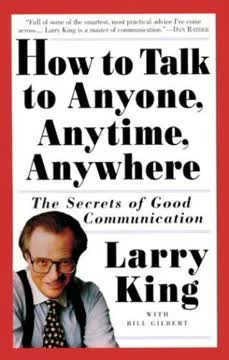
What's "How to Talk to Anyone, Anytime, Anywhere" about?
- Overview: The book, authored by Larry King with Bill Gilbert, is a guide to mastering the art of conversation in various settings, from social gatherings to professional environments.
- Purpose: It aims to help readers overcome the fear of talking to strangers and improve their communication skills, whether in one-on-one interactions or public speaking.
- Content: The book covers a wide range of topics, including breaking the ice, social talk, business communication, and public speaking, with practical tips and real-life examples.
- Author's Experience: Larry King draws on his extensive experience as a talk show host to provide insights and techniques for effective communication.
Why should I read "How to Talk to Anyone, Anytime, Anywhere"?
- Improve Communication Skills: The book offers valuable advice on becoming a more confident and effective communicator in both personal and professional settings.
- Practical Tips: It provides actionable tips and strategies that can be applied immediately to improve your conversational abilities.
- Real-Life Examples: Larry King shares anecdotes from his career, illustrating how the principles of good communication can be applied in various situations.
- Broad Applicability: Whether you're looking to enhance your social interactions, excel in business communication, or become a better public speaker, the book offers guidance for all these areas.
What are the key takeaways of "How to Talk to Anyone, Anytime, Anywhere"?
- Honesty and Openness: Being honest and open in conversations helps build trust and rapport with others.
- Listening Skills: Effective communication is as much about listening as it is about talking; listening carefully can lead to more meaningful interactions.
- Body Language and Eye Contact: Non-verbal cues like body language and eye contact play a crucial role in successful communication.
- Preparation and Practice: Like any skill, communication improves with preparation and practice, whether for a casual conversation or a formal speech.
How does Larry King suggest breaking the ice in conversations?
- Start with Openers: Use open-ended questions or comments about the setting or shared experiences to initiate conversation.
- Avoid Yes/No Questions: These can lead to dead-end conversations; instead, ask questions that encourage elaboration.
- Listen Actively: Show genuine interest in the other person by listening attentively and responding thoughtfully.
- Use Body Language: Maintain eye contact and use positive body language to convey openness and interest.
What are Larry King's tips for social talk in "How to Talk to Anyone, Anytime, Anywhere"?
- Find Common Ground: Identify shared interests or experiences to create a connection with your conversation partner.
- Be Curious: Ask questions and show interest in the other person's life and opinions.
- Use Humor: A sense of humor can lighten the mood and make conversations more enjoyable.
- Know When to Exit: Gracefully exit conversations when necessary, using polite excuses or introducing the person to someone else.
What does Larry King say about the importance of listening in conversations?
- Learn by Listening: King emphasizes that you learn more by listening than by talking, as it allows you to understand others better.
- Show Interest: Demonstrating that you are listening shows respect and interest in the other person's perspective.
- Follow-Up Questions: Good listeners ask follow-up questions that delve deeper into the topic, showing engagement and curiosity.
- Avoid Interruptions: Let the other person finish their thoughts before responding, which fosters a more respectful and productive dialogue.
How does Larry King recommend handling business talk?
- Be Direct and Clear: Use straightforward language and avoid jargon when communicating in a business setting.
- Know Your Audience: Tailor your message to the knowledge and interests of your audience, whether they are colleagues or clients.
- Time is Money: Be concise and to the point, respecting the time of those you are communicating with.
- Sell Benefits, Not Features: Focus on the advantages and benefits of your product or idea rather than just its features.
What are Larry King's strategies for public speaking?
- Preparation is Key: Know your material well and practice your speech to build confidence and ensure a smooth delivery.
- Engage the Audience: Use eye contact, body language, and a clear voice to connect with your audience and keep their attention.
- Use Humor Wisely: Incorporate humor to make your speech more engaging, but ensure it is appropriate for the audience and context.
- Keep It Simple: Avoid complex language and keep your message clear and concise to ensure it is easily understood.
What are some of the best quotes from "How to Talk to Anyone, Anytime, Anywhere" and what do they mean?
- "I never learn a thing while I’m talking." This emphasizes the importance of listening in communication, as it is through listening that we gain new insights and understanding.
- "Talk is mankind’s greatest invention." This highlights the fundamental role of communication in human interaction and progress.
- "Be honest. You can never go wrong." Honesty is a cornerstone of effective communication, fostering trust and authenticity in interactions.
- "The best conversationalists are curious about everything." Curiosity drives engaging conversations, as it leads to asking questions and exploring new topics.
How does Larry King address the concept of political correctness in communication?
- Respectful Language: King acknowledges the importance of using language that respects the sensitivities of different groups.
- Evolving Terminology: He notes that preferred terms for various groups can change over time, and it's important to stay informed and adapt.
- Balance Respect and Paranoia: While it's crucial to be respectful, King warns against becoming overly paranoid about political correctness to the point of stifling genuine conversation.
- Practical Implications: Being mindful of political correctness can prevent misunderstandings and foster more inclusive communication.
What lessons can be learned from Larry King's experiences with guests on his show?
- Passion and Clarity: The best guests are passionate about their work and can explain it clearly and engagingly.
- Humor and Openness: A sense of humor and openness about oneself make for more relatable and enjoyable conversations.
- Handling Difficult Guests: Even experienced communicators like King encounter challenging guests; the key is to remain professional and adaptable.
- Diverse Interests: Guests with a wide range of interests and knowledge make for more dynamic and interesting interviews.
How does Larry King suggest dealing with bloopers and mistakes in communication?
- Shake It Off: Don't dwell on mistakes; acknowledge them and move on to maintain the flow of conversation.
- Learn from Errors: Use mistakes as learning opportunities to improve future communication efforts.
- Maintain Composure: Staying calm and composed in the face of errors helps prevent further disruptions.
- Humor Helps: Sometimes, a light-hearted approach to mistakes can diffuse tension and keep the conversation positive.








































