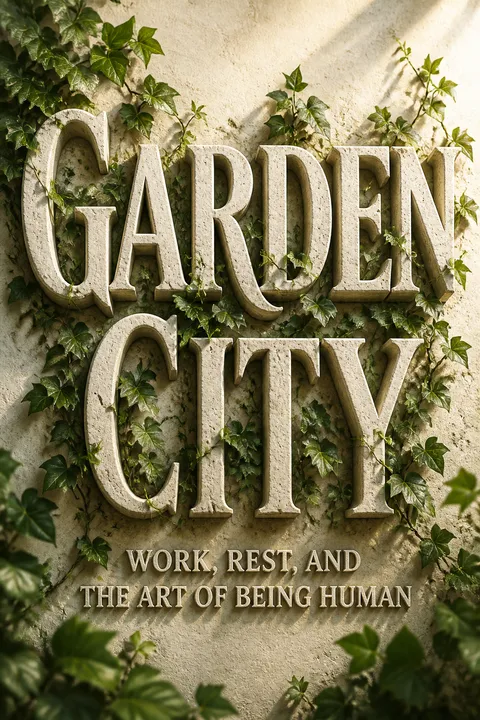

Ideas clave
1. Estamos creados para trabajar y descansar, reflejando la imagen de Dios
"Dios trabaja, así que trabajamos. Dios descansa, así que descansamos."
El trabajo y el descanso están entrelazados. No son opuestos, sino aspectos complementarios de nuestra existencia humana. Así como Dios trabajó durante seis días en la creación y descansó en el séptimo, estamos diseñados para seguir este ritmo. Este patrón no es arbitrario, sino que refleja nuestra naturaleza como seres creados a imagen de Dios.
Nuestro trabajo tiene un valor inherente. No es solo un medio para un fin o un mal necesario. Cuando nos dedicamos a un trabajo significativo, estamos cumpliendo parte de nuestro propósito. Esto incluye no solo el empleo remunerado, sino cualquier actividad productiva que contribuya al florecimiento humano.
El descanso es igualmente importante. No es pereza ni una pérdida de tiempo, sino una parte vital de nuestro diseño. Un descanso adecuado nos rejuvenece, permite la reflexión y la creatividad, y nos recuerda que somos más que lo que producimos.
2. Nuestro trabajo es un llamado, no solo un empleo
"Tu vocación es tu voz."
La vocación se trata de identidad. No es solo lo que hacemos, sino quiénes somos. Nuestro trabajo debería ser una expresión de nuestros dones únicos, pasiones y la forma en que Dios nos ha creado. Esto no significa que todos tengamos el trabajo de nuestros sueños, pero sí implica que podemos abordar nuestro trabajo con un sentido de propósito y llamado.
Descubrir nuestra vocación es un proceso. Implica autorreflexión, experimentación y, a menudo, la guía de otros. Preguntas clave a considerar:
- ¿Qué amas?
- ¿En qué eres bueno?
- ¿Qué necesita el mundo?
- ¿Qué oportunidades están abiertas para ti?
El llamado trasciende los títulos laborales. Incluso si no podemos cambiar nuestras circunstancias de inmediato, podemos abordar nuestro trabajo actual como un llamado al enfocarnos en cómo sirve a los demás y contribuye al bien común.
3. Todo es espiritual: No hay división sagrada-secular
"No existe tal cosa como música cristiana, porque una melodía no puede ser cristiana, solo un compositor puede."
Toda la vida es sagrada. La idea de que algunas actividades (como el trabajo en la iglesia) son espirituales mientras que otras (como los negocios) son seculares es una falsa dicotomía. En una cosmovisión bíblica, todos los aspectos de la vida pueden estar impregnados de significado espiritual.
El trabajo como adoración. Cuando hacemos nuestro trabajo con excelencia e integridad, se convierte en un acto de adoración. Esto se aplica ya sea que estemos predicando un sermón, diseñando un edificio o limpiando un baño. La clave es nuestra actitud y motivación.
Doble vocación. Como seguidores de Jesús, tenemos dos llamados:
- Crear cultura y contribuir al florecimiento humano a través de nuestro trabajo.
- Hacer discípulos y compartir las buenas nuevas de Jesús.
Estos llamados no están en conflicto, sino que trabajan juntos mientras vivimos nuestra fe en todas las áreas de la vida.
4. La excelencia en el trabajo glorifica a Dios
"Las cosas bellas no piden atención."
El trabajo hábil refleja el carácter de Dios. Cuando nos esforzamos por la excelencia en nuestro trabajo, reflejamos la creatividad y la destreza de nuestro Creador. Esto no significa perfeccionismo, sino un compromiso de hacer lo mejor que podamos con los dones y recursos que tenemos.
La excelencia requiere tiempo y esfuerzo. La "regla de las 10,000 horas" sugiere que la maestría en cualquier campo requiere una práctica significativa. Esto se aplica a nuestro trabajo también. Debemos ser pacientes con nosotros mismos y con los demás mientras desarrollamos nuestras habilidades con el tiempo.
Humildad en la excelencia. La verdadera excelencia no necesita presumir ni llamar la atención sobre sí misma. Cuando nuestro trabajo es realmente bueno, hablará por sí mismo y atraerá naturalmente la atención de las personas hacia la fuente de todas las cosas buenas: Dios mismo.
5. La maldición sobre el trabajo es una bendición disfrazada
"El faraón está vivo y coleando."
El trabajo es desafiante por diseño. Después de la Caída, Dios maldijo la tierra, haciendo que el trabajo fuera más difícil. Esto no fue un castigo, sino una forma de llevarnos de vuelta a la dependencia de Él. Los desafíos que enfrentamos en nuestro trabajo pueden ser en realidad oportunidades para el crecimiento y la fe.
Resistiendo la mentalidad del "más". Nuestra cultura a menudo nos empuja hacia el exceso de trabajo y el consumismo. Este es el espíritu del faraón, exigiendo más ladrillos, más producción. Necesitamos resistir esta mentalidad y encontrar satisfacción en lo suficiente.
Encontrando significado en la lucha. Incluso cuando nuestro trabajo se siente mundano o frustrante, podemos encontrar propósito al:
- Verlo como una oportunidad para servir a los demás.
- Desarrollar carácter a través de la perseverancia.
- Confiar en la presencia de Dios en todas las circunstancias.
6. El descanso sabático es esencial para el florecimiento humano
"El sábado es una línea en la arena. Un disparo de advertencia. 'Hasta aquí llegarás y no más allá.'"
El sábado es más que un día libre. Es una práctica intencional de descanso, adoración y deleite. No se trata de reglas, sino de entrar en el ritmo de trabajo y descanso de Dios.
El sábado como resistencia. En una cultura de productividad y consumo constante, tomar un sábado es un acto contracultural. Declara que somos más que lo que producimos y que nuestro valor no proviene de lo que poseemos.
Prácticas para guardar el sábado:
- Desconectarse del trabajo y la tecnología.
- Participar en actividades que den vida.
- Pasar tiempo con Dios y seres queridos.
- Practicar la gratitud y la satisfacción.
- Evitar el comercio y el consumo.
7. Nuestra esperanza futura da forma a nuestro trabajo presente
"Somos el pueblo del futuro en el presente."
Nuestro trabajo tiene un significado eterno. La visión bíblica del futuro no es una escapatoria a un cielo desincorporado, sino una tierra renovada donde nuestro buen trabajo será purificado e incorporado en la nueva creación de Dios.
Práctica para la eternidad. Nuestro trabajo actual es un entrenamiento para nuestro futuro papel en el reino de Dios. A medida que desarrollamos habilidades y carácter ahora, nos estamos preparando para mayores responsabilidades en la era venidera.
Construyendo para el reino de Dios. Aunque no podemos construir el reino nosotros mismos, podemos contribuir a él a través de nuestro trabajo. Esto da incluso a las tareas mundanas un propósito eterno cuando se realizan en servicio a Dios y a los demás.
8. La grandeza redefinida: Servir a los demás
"El mundo mismo nació del vientre del amor de Dios."
La verdadera grandeza se encuentra en el servicio. Jesús redefinió la grandeza no como poder o estatus, sino como servir a los demás, especialmente a aquellos considerados menos importantes. Esta es una inversión radical de los valores del mundo.
Servir contrarresta el egoísmo. Cuando nos enfocamos en servir a los demás, encontramos alegría y propósito que las búsquedas egoístas nunca pueden proporcionar. Es la "puerta trasera hacia la alegría".
Formas prácticas de cultivar un corazón de siervo:
- Buscar oportunidades para satisfacer las necesidades de los demás.
- Abordar tu trabajo como una forma de servir, no solo de ganar.
- Practicar la humildad y poner a los demás primero.
- Servir a aquellos que no pueden devolverte el favor.
- Encontrar maneras de usar tus dones únicos para beneficiar a los demás.
Resumen de reseñas
Ciudad Jardín recibe en su mayoría críticas positivas, siendo elogiada por su estilo conversacional y sus reflexiones sobre el trabajo, el descanso y el propósito. Los lectores valoran la perspectiva bíblica de Comer y sus consejos prácticos para encontrar significado en la vocación personal. El libro desafía las visiones modernas sobre el equilibrio entre trabajo y vida personal, fomentando una comprensión más profunda del Sabbath. Algunas críticas incluyen una percepción de sesgo hacia la clase media y ciertas interpretaciones cuestionables de las Escrituras. En general, los lectores consideran que el libro invita a la reflexión y resulta inspirador, con muchos de ellos reportando un cambio en su perspectiva sobre el trabajo y el descanso.
También leyeron






Preguntas frecuentes
What's "Garden City: Work, Rest, and the Art of Being Human" about?
- Exploration of Work and Rest: The book delves into the biblical perspective on work and rest, emphasizing their importance in human life.
- Theological Anthropology: It discusses how humans are created in the image of God, meant to partner with Him in creation and redemption.
- Integration of Faith and Vocation: John Mark Comer explores the interconnectedness of faith and vocation, challenging the sacred-secular divide.
- Vision of the Future: The book presents a vision of the future where work and rest are perfectly balanced in a renewed creation.
Why should I read "Garden City: Work, Rest, and the Art of Being Human"?
- Practical Insights: The book offers practical insights into how to live a balanced life that honors God through work and rest.
- Cultural Relevance: It addresses modern issues like workaholism, consumerism, and the search for meaning in a fast-paced world.
- Spiritual Growth: Readers are encouraged to deepen their understanding of their identity and purpose as image bearers of God.
- Hopeful Vision: The book provides a hopeful vision of the future, inspiring readers to live with purpose and anticipation.
What are the key takeaways of "Garden City: Work, Rest, and the Art of Being Human"?
- Work as Worship: Work is not just a means to an end but an act of worship and service to God and others.
- Sabbath Rest: The importance of Sabbath as a time for rest, reflection, and worship is emphasized as essential for human flourishing.
- Eschatological Hope: The book highlights the future hope of a renewed creation where work and rest are perfectly integrated.
- Identity and Calling: Understanding one's unique calling and identity in Christ is crucial for living a fulfilling life.
How does John Mark Comer define work in "Garden City"?
- Creative Partnership: Work is seen as partnering with God in the ongoing creation and cultivation of the world.
- Service to Others: It involves serving others and contributing to human flourishing through various vocations.
- Expression of Identity: Work is an expression of one's identity as an image bearer of God, reflecting His creativity and purpose.
- Integral to Life: Work is not separate from spiritual life but is central to living out one's faith.
What is the significance of the Sabbath in "Garden City"?
- Rest and Worship: The Sabbath is a day set aside for rest and worship, reflecting God's rhythm of work and rest.
- Resistance to Consumerism: It serves as an act of resistance against the relentless pursuit of productivity and consumerism.
- Time for Reflection: The Sabbath provides time to reflect on God's goodness and the blessings of life.
- Holistic Well-being: Observing the Sabbath is essential for maintaining physical, emotional, and spiritual well-being.
How does "Garden City" address the sacred-secular divide?
- All of Life is Spiritual: The book argues that all aspects of life, including work, are spiritual and matter to God.
- Integration of Faith and Vocation: It challenges the notion that only church-related work is sacred, emphasizing the value of all vocations.
- Holistic Discipleship: Followers of Jesus are called to live integrated lives where faith permeates every area, including work.
- Cultural Engagement: The book encourages engaging with culture through work as a means of reflecting God's kingdom.
What does "Garden City" say about the future of work and rest?
- Renewed Creation: The book envisions a future where work and rest are perfectly balanced in a renewed creation.
- Eternal Significance: Work done in this life has eternal significance and will carry over into the age to come.
- Training for Reigning: This life is seen as preparation for ruling with Christ in the new creation.
- Hopeful Anticipation: The future hope of resurrection and renewal inspires present-day faithfulness in work and rest.
What are the best quotes from "Garden City" and what do they mean?
- "Work is worship": This quote emphasizes that work is an act of worship and service to God, not just a means to an end.
- "The Sabbath is a gift": It highlights the Sabbath as a divine gift for rest and reflection, essential for human flourishing.
- "We are God's partners": This underscores the idea that humans are called to partner with God in the ongoing work of creation.
- "The kingdom of heaven is at hand": It reflects the book's theme of living in anticipation of God's future kingdom.
How does "Garden City" redefine greatness?
- Servant Leadership: Greatness is redefined as serving others, following Jesus' example of humility and service.
- Beyond Self-Interest: True greatness is not about personal achievement but about contributing to the well-being of others.
- Kingdom Values: The book encourages adopting kingdom values of love, service, and humility in all areas of life.
- Eternal Perspective: Greatness is viewed in light of eternity, where acts of service have lasting significance.
What role does identity play in "Garden City"?
- Image Bearers of God: Identity is rooted in being created in the image of God, with inherent dignity and purpose.
- Unique Calling: Each person has a unique calling and vocation that reflects their identity in Christ.
- Freedom from Performance: Understanding one's identity in God frees individuals from seeking validation through work or achievements.
- Living Authentically: Embracing one's identity allows for authentic living and meaningful contribution to the world.
How does "Garden City" address the concept of calling?
- Unearthing a Calling: Calling is seen as something to be discovered and unearthed, not just chosen or pursued.
- Voice and Vocation: The book emphasizes finding one's unique voice and vocation as an expression of God's design.
- Holistic Approach: Calling encompasses all areas of life, integrating work, relationships, and spiritual growth.
- Service to the World: A true calling involves serving others and contributing to the flourishing of God's creation.
What practical advice does "Garden City" offer for balancing work and rest?
- Establish a Rhythm: Create a rhythm of work and rest that aligns with God's design for human flourishing.
- Prioritize the Sabbath: Set aside a day each week for rest, worship, and reflection, free from work-related activities.
- Embrace Limitations: Recognize and embrace human limitations, trusting in God's provision and care.
- Cultivate Gratitude: Practice gratitude for the work and rest God provides, fostering a spirit of contentment and joy.
Sobre el autor
Otros libros de John Mark Comer





Descargar PDF
Descargar EPUB
.epub digital book format is ideal for reading ebooks on phones, tablets, and e-readers.








































