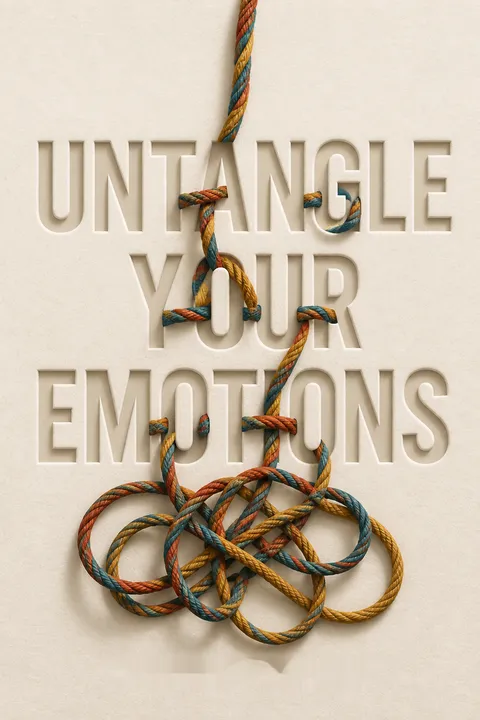

Ideas clave
1. Las emociones son mensajeras, no dueñas
Tus sentimientos no intentan controlarte, sino decirte algo.
Diseñadas para la conexión. Las emociones no están hechas para ser reprimidas o ignoradas, sino para ser comprendidas e integradas. Son señales vitales que nos conectan con nosotros mismos, con los demás y con Dios. Reconocer esto cambia nuestra perspectiva: dejamos de ver las emociones como enemigas y las valoramos como fuentes importantes de información.
Más allá de la represión. La forma común de reprimir o minimizar los sentimientos resulta perjudicial. Esas emociones no procesadas no desaparecen; se manifiestan de otras maneras, como síntomas físicos, relaciones tensas o conductas destructivas. Un enfoque más sano implica reconocer y explorar los mensajes que las emociones nos transmiten.
El diseño de Dios. Las emociones no son inherentemente pecaminosas ni poco confiables. Forman parte del diseño divino para la humanidad, reflejando la capacidad de sentir del propio Dios. Entender esto nos permite acercarnos a nuestras emociones con curiosidad y compasión, en lugar de con juicio o miedo.
2. Desenredar comienza con notar
En algún momento, tal vez por cosas que escuché en la iglesia o simplemente al crecer, aprendí que no debía estar triste, enojado o asustado.
El primer paso. El paso inicial para desenredar nuestras emociones es simplemente notarlas. Esto implica prestar atención a las sensaciones físicas, pensamientos y comportamientos que acompañan a cada sentimiento. Se trata de tomar conciencia de nuestro mundo interior sin juzgarlo ni intentar cambiarlo de inmediato.
Conciencia corporal. Nuestro cuerpo suele darnos las primeras pistas sobre nuestro estado emocional. Prestar atención a señales físicas como el corazón acelerado, músculos tensos o malestar estomacal nos ayuda a identificar emociones subyacentes que de otro modo podríamos pasar por alto.
Resistir la urgencia de arreglar. Notar las emociones puede ser difícil porque va en contra de nuestra inclinación natural a solucionar o evitar el malestar. Sin embargo, resistir esa urgencia y permitirnos experimentar plenamente la emoción abre el camino para procesarla de forma más saludable.
3. Nombrar las emociones aporta claridad
Si quieres dominarla, ponle nombre.
Las palabras importan. Nombrar nuestras emociones es un acto poderoso que aporta claridad y comprensión a nuestra experiencia interna. Consiste en identificar la emoción específica que sentimos, en lugar de conformarnos con términos vagos o generales.
Ampliar el vocabulario. Muchos tenemos un vocabulario emocional limitado, lo que dificulta describir con precisión lo que sentimos. Ampliar ese vocabulario nos permite diferenciar emociones similares y entender con mayor matiz nuestro estado interior.
Domar la bestia. Nombrar una emoción ayuda a “domarla”, reduciendo su poder sobre nosotros. Al darle un nombre, creamos una distancia y objetividad que nos permiten observarla sin sentirnos abrumados.
4. Sentir es sanar
Los sentimientos nunca fueron para arreglarse; los sentimientos son para sentirse.
Permiso para sentir. Permitirse sentir plenamente las emociones, sin juicio ni resistencia, es esencial para sanar. Esto implica darnos permiso para experimentar toda la gama de emociones humanas, incluso las incómodas.
Resistir la urgencia de controlar. La necesidad de controlar o reprimir emociones suele nacer del miedo a ser sobrepasados. Sin embargo, resistir esa urgencia y dejar que las emociones sigan su curso natural puede conducir a una resolución más rápida.
La sabiduría del cuerpo. Nuestro cuerpo está diseñado para procesar emociones, y permitirnos sentirlas plenamente ayuda a liberar energía y tensión acumuladas. Esto puede manifestarse en expresiones físicas como llorar, temblar o respirar profundamente.
5. Compartir emociones profundiza la conexión
No tienes que contárselo a todos; tienes que contárselo a alguien.
La vulnerabilidad es clave. Compartir nuestras emociones con personas de confianza es una forma poderosa de profundizar la conexión y fomentar la intimidad. La vulnerabilidad implica arriesgarse a ser vistos y conocidos, incluso cuando da miedo o incomoda.
Relaciones seguras. Compartir emociones requiere un entorno seguro y de apoyo. Esto significa elegir personas confiables, empáticas y sin juicio. Se trata de encontrar quienes puedan escuchar sin intentar arreglar o minimizar nuestros sentimientos.
Cargar las cargas unos de otros. Compartir emociones permite que otros nos acompañen y carguen nuestras cargas. Este apoyo mutuo brinda consuelo, ánimo y sentido de pertenencia, recordándonos que no estamos solos en nuestras luchas.
6. Elegir un camino hacia adelante
Las emociones no son el pecado; el pecado está en lo que hacemos con ellas.
Las emociones como herramientas. Las emociones no son buenas ni malas en sí mismas, sino herramientas que pueden usarse para fines constructivos o destructivos. La clave está en cómo elegimos responder a ellas.
Voluntad y elección. Tenemos el poder de decidir cómo responder a nuestras emociones. Esto implica alinear nuestras acciones con nuestros valores y buscar la guía de Dios. Se trata de tomar decisiones conscientes que conduzcan al crecimiento y la conexión, no a la destrucción y el aislamiento.
Buscar la guía de Dios. Ante emociones difíciles, es fundamental buscar la guía divina. Esto puede incluir la oración, la lectura de las Escrituras o el consejo de mentores espirituales confiables. Es entregar nuestras emociones a Dios y pedir su sabiduría para manejarlas.
7. La conexión cuerpo-emoción
¿Sabías que las estructuras mentales que procesan las emociones están más profundas en el cerebro que las que se encargan del pensamiento?
Bienestar físico. Nuestra salud física influye profundamente en nuestro bienestar emocional. Cuidar el cuerpo con buena alimentación, ejercicio y descanso mejora notablemente nuestra capacidad para manejar las emociones.
Equilibrio hormonal. Los desequilibrios hormonales pueden afectar gravemente nuestras emociones. Consultar a un profesional de la salud para evaluar y tratar estos desequilibrios es un paso crucial para desenredar nuestras emociones.
Prácticas mente-cuerpo. Actividades como el yoga, la meditación y la respiración profunda nos conectan con el cuerpo y regulan el sistema nervioso. Estas prácticas fomentan la relajación, reducen el estrés y mejoran nuestra gestión emocional.
8. Gracia para el camino
No me voy a ir de la habitación.
Progreso, no perfección. El proceso de desenredar nuestras emociones es un camino de toda la vida, no un destino final. Habrá retrocesos y desafíos, y es vital darnos gracia a nosotros mismos y a los demás.
Compasión y aceptación. Acercarnos a nosotros y a otros con compasión y aceptación es esencial para crear un ambiente seguro y propicio para el crecimiento emocional. Esto implica reconocer que todos hacemos lo mejor que podemos con lo que tenemos.
El amor incondicional de Dios. El amor de Dios por nosotros es incondicional, sin importar nuestro estado emocional. Descansar en su amor y gracia nos brinda consuelo, fortaleza y esperanza mientras navegamos las subidas y bajadas de la vida.
Resumen de reseñas
Desenreda tus emociones ha recibido en su mayoría críticas positivas, ya que los lectores valoran su enfoque práctico para comprender las emociones desde una perspectiva cristiana. Muchos lo consideran útil especialmente para quienes comienzan a desarrollar la conciencia emocional, aunque algunos desearían que profundizara más. Los reseñadores elogian la vulnerabilidad de Allen y las historias con las que es fácil identificarse. El énfasis del libro en conectar las emociones con Dios y con los demás resuena profundamente en muchos lectores. Sin embargo, algunos señalan que resulta repetitivo y carece de una mayor profundidad bíblica. En conjunto, quienes lo leen lo ven como un buen punto de partida para cristianos que desean explorar la salud emocional.
También leyeron




Preguntas frecuentes
1. What is "Untangle Your Emotions" by Jennie Allen about?
- Exploring Emotional Health: The book guides readers through understanding, naming, and processing their emotions from both a psychological and Christian spiritual perspective.
- Framework for Emotions: Jennie Allen introduces a five-step framework—Notice, Name, Feel, Share, Choose—to help readers engage with their feelings in a healthy, connected way.
- Connection Focus: The central theme is that emotions are designed to connect us to God, others, and ourselves, rather than being problems to fix or avoid.
- Personal and Practical: Through personal stories, biblical insights, and practical exercises, Allen encourages readers to move from emotional numbness or chaos to wholehearted living.
2. Why should I read "Untangle Your Emotions" by Jennie Allen?
- Break Harmful Patterns: The book helps readers unlearn unhelpful or harmful messages about emotions, especially those picked up from family, church, or culture.
- Christian Perspective: It offers a unique integration of psychological research and Christian theology, showing that God created emotions for a purpose.
- Practical Tools: Readers receive actionable steps and reflective exercises to notice, name, and process their emotions, making emotional health attainable.
- Deeper Relationships: By following Allen’s approach, readers can experience deeper connection with God, themselves, and others, leading to greater freedom and joy.
3. What are the key takeaways from "Untangle Your Emotions" by Jennie Allen?
- Emotions Are Not Sinful: Emotions themselves are not sinful or bad; it’s what we do with them that matters, and God Himself experiences emotions.
- Feelings Are Meant to Be Felt: Rather than fixing, controlling, or suppressing emotions, we are meant to feel them and let them inform us.
- Connection Is the Goal: Emotions are designed to connect us to God, others, and our own hearts, not to isolate or overwhelm us.
- Practical Process: The five-step process—Notice, Name, Feel, Share, Choose—provides a roadmap for emotional health and healing.
- Healing Is Possible: Even deeply tangled emotions can be untangled with time, support, and intentional practice, leading to a more wholehearted life.
4. What is Jennie Allen’s five-step framework for emotional health in "Untangle Your Emotions"?
- Notice: Pay attention to what you’re feeling, even if it’s just “Okay” or “Not Okay,” and recognize physical and emotional cues.
- Name: Develop emotional granularity by accurately naming your feelings (e.g., sad, angry, joyful, afraid) and their intensity.
- Feel: Give yourself permission to fully experience your emotions without judgment, allowing them to run their natural course.
- Share: Express your feelings with safe, trusted people, which fosters connection and healing.
- Choose: Decide what to do with your emotions—bring them to God, seek help if needed, and make healthy choices for moving forward.
5. How does "Untangle Your Emotions" by Jennie Allen integrate Christian faith with emotional health?
- God as Emotional: The book emphasizes that God feels emotions and created us in His image to feel as well, making emotions a good gift.
- Biblical Examples: Allen uses stories from Scripture (e.g., David’s Psalms, Jesus’ grief) to show that expressing emotions is both biblical and healthy.
- Spiritual Practices: Readers are encouraged to bring their emotions to God in prayer, confession, and community, trusting Him with their inner life.
- Faith and Feelings Together: The book dispels the myth that strong faith means suppressing emotions, instead teaching that faith grows through honest emotional engagement.
6. What are the most common unhealthy ways people deal with emotions, according to "Untangle Your Emotions"?
- Control: Trying to manage or suppress emotions to maintain a sense of order or avoid discomfort, often leading to emotional shutdown.
- Cope: Distracting oneself with busyness, addictions, or numbing behaviors to avoid facing difficult feelings.
- Conceal: Hiding emotions from others (and sometimes oneself), using “I’m fine” as a mask, which leads to isolation and unresolved pain.
- Generational Patterns: Many of these habits are learned from family, culture, or church, and can be unlearned with intentional effort.
7. How does "Untangle Your Emotions" define the purpose of emotions?
- Connection: Emotions are meant to connect us to God, others, and our own hearts, serving as signals for what matters most.
- Information, Not Control: Feelings are not meant to control us, but to inform us about our needs, desires, and experiences.
- Pathway to Healing: When processed healthily, emotions can lead to healing, growth, and deeper relationships.
- Motivation for Action: Emotions like anger can motivate us to address injustice, while sadness can draw us to seek comfort and support.
8. What are the "Big Four" emotions in "Untangle Your Emotions," and why are they important?
- Joy: Represents happiness, delight, and gratitude; essential for experiencing the fullness of life and reflecting God’s image.
- Anger: Signals when something is wrong or unjust; not inherently sinful, but must be processed and expressed healthily.
- Sadness: Often linked to loss or disappointment; allows for lament, healing, and drawing near to God and others.
- Fear: Designed to keep us safe and alert us to danger; can also point to deeper needs for trust and security in God.
- Emotional Granularity: Naming these core emotions and their nuances helps us process them more effectively and communicate with others.
9. How does "Untangle Your Emotions" address the role of community and sharing feelings?
- Healing in Community: Sharing emotions with safe people is essential for healing, as it breaks isolation and fosters empathy.
- Vulnerability Builds Connection: Expressing feelings honestly invites others to do the same, deepening relationships and mutual support.
- Biblical Mandate: The book references Galatians 6:2 (“Bear one another’s burdens”) as a call to share and carry each other’s emotional loads.
- Practical Exercises: Allen provides conversation starters and group exercises to help readers practice sharing and responding to emotions in community.
10. What practical advice does Jennie Allen give for dealing with stubborn or overwhelming emotions in "Untangle Your Emotions"?
- Start with the Body: Get a physical checkup, address sleep, nutrition, exercise, and screen time, as physical health impacts emotional health.
- Seek Professional Help: Therapy or counseling is encouraged for untangling deep or persistent emotional knots; it’s a sign of strength, not weakness.
- Lifestyle Adjustments: Limit screen time, practice silence, get outside, and build healthy routines to support emotional regulation.
- Be Patient with Progress: Healing takes time, and it’s normal for old feelings to resurface; persistence and self-compassion are key.
11. What are the main gifts or benefits of emotional health, according to "Untangle Your Emotions"?
- Restored Hope: Emotional health brings renewed hope and resilience, even in difficult circumstances.
- Greater Grace: We grow in compassion for ourselves and others, accepting imperfection and extending forgiveness.
- Deeper Relationship with God: Bringing emotions to God leads to intimacy, peace, and a sense of safety under His care.
- Healthy Control: We learn to control what we can and release what we can’t, reducing anxiety and striving.
- Creativity and Energy: As we untangle emotions, we free up energy for creativity, service, and meaningful living.
12. What are the best quotes from "Untangle Your Emotions" by Jennie Allen, and what do they mean?
- “Feelings were never meant to be fixed; feelings are meant to be felt.” – Emphasizes that emotions are not problems to solve, but experiences to engage with for growth and connection.
- “Your feelings aren’t trying to control you—they are trying to tell you something.” – Reminds readers that emotions are signals, not enemies, and should be listened to with curiosity.
- “Emotions are the gifts that connect it all. Us to ourselves. Us to God. Us to one another.” – Highlights the central theme that emotions are designed for connection, not isolation.
- “You can feel all your feelings and not sin. And you can feel all your feelings and sin. … Feeling them isn’t a sin.” – Clarifies that emotions themselves are not sinful; it’s our choices in response that matter.
- “To live is to feel, and to feel is to live.” – Captures the book’s call to wholehearted, vibrant living through embracing the full range of human emotion.
Sobre el autor

Descargar PDF
Descargar EPUB
.epub digital book format is ideal for reading ebooks on phones, tablets, and e-readers.








































