Ideas clave
1. El viaje de la vida: dos mitades distintas con desafíos únicos
La vida humana tiene al menos dos grandes tareas. La primera es construir un “contenedor” fuerte o identidad; la segunda, encontrar el contenido que ese contenedor está destinado a albergar.
Construir y descubrir. El camino de la vida puede dividirse en dos mitades bien diferenciadas, cada una con sus propios retos y objetivos. La primera mitad se centra en establecer nuestra identidad, crear límites y forjar un sentido de uno mismo. Esto implica:
- Desarrollar una carrera profesional
- Formar relaciones
- Crear una red social
- Establecer creencias y valores personales
Llenar y trascender. La segunda mitad de la vida trata de encontrar un significado y propósito más profundos. Incluye:
- Cuestionar creencias previas
- Abrazar la complejidad y la paradoja
- Buscar crecimiento espiritual y sabiduría
- Contribuir a la sociedad de manera significativa
Esta división no es estrictamente cronológica, sino que representa etapas de madurez espiritual y emocional. Comprender estas dos mitades nos ayuda a enfrentar los desafíos de la vida con mayor eficacia y a hallar una realización más plena.
2. La primera mitad: construir identidad y establecer límites
Crecemos espiritualmente mucho más al equivocarnos que al acertar.
Estructura necesaria. La primera mitad de la vida es fundamental para desarrollar un sentido sólido de uno mismo y orientarnos en el mundo. Aspectos clave son:
- Forjar una identidad clara
- Establecer límites personales
- Desarrollar autodisciplina y control de impulsos
- Crear un sentido de pertenencia a grupos y comunidades
Aprender a través del contraste. Esta etapa suele implicar:
- Definirnos en oposición a los demás
- Adoptar un pensamiento dualista (bien/mal, nosotros/ellos)
- Buscar validación externa y éxito
- Construir una “danza de supervivencia” para cubrir necesidades básicas
Aunque estas características puedan parecer limitantes, son necesarias para crear una base estable. Los retos e incluso fracasos de esta fase se convierten en lecciones valiosas para el crecimiento posterior.
3. La segunda mitad: abrazar la complejidad y encontrar un significado más profundo
Una luz brilla en la oscuridad, una luz que la oscuridad no puede vencer.
Ampliar perspectivas. La segunda mitad de la vida se caracteriza por:
- Aceptar la paradoja y la ambigüedad
- Desarrollar una visión del mundo más matizada
- Buscar la sabiduría interior en lugar de la validación externa
- Enfocarse en el ser más que en el hacer
Integración y trascendencia. Esta etapa implica:
- Reconciliar los opuestos dentro de nosotros
- Encontrar sentido en los desafíos y reveses de la vida
- Desarrollar un sentido de autoridad interior
- Contribuir al bien común más allá del beneficio personal
La transición a esta fase suele darse a través de experiencias que desafían nuestras creencias previas y nos obligan a adoptar una visión más inclusiva y compasiva.
4. El sufrimiento necesario: el camino hacia el crecimiento y la sabiduría
Caer fue levantarse. Tropezar fue encontrar. Morir fue resurgir.
Dolor transformador. El sufrimiento es una parte inevitable y necesaria de la vida que puede conducir a un crecimiento profundo y a la sabiduría. Aspectos clave son:
- Reconocer que el dolor no siempre debe evitarse
- Entender que los desafíos pueden ser oportunidades de transformación
- Abrazar la vulnerabilidad como fuente de fortaleza
Aprender a través de la adversidad. El sufrimiento necesario puede manifestarse en:
- Pérdidas y fracasos personales
- Enfrentar nuestras propias limitaciones y defectos
- Experimentar desilusiones con creencias previas
- Afrontar preguntas existenciales sobre el sentido de la vida
Al enfrentar estos retos de frente, en lugar de evitarlos, desarrollamos mayor resiliencia, empatía y comprensión de la condición humana.
5. Abrazar la sombra: integrar nuestro ser completo
Tu sombra es aquello que te niegas a ver de ti mismo y que no quieres que otros vean.
Integridad mediante la aceptación. Abrazar nuestra sombra implica:
- Reconocer y aceptar nuestras fallas y debilidades
- Entender que nuestras aparentes carencias pueden ser fuentes de fortaleza
- Integrar todos los aspectos de nosotros mismos para lograr mayor autenticidad
Crecimiento a través de la autoconciencia. El trabajo con la sombra incluye:
- Identificar y examinar nuestros puntos ciegos
- Desafiar las defensas y racionalizaciones del ego
- Desarrollar mayor compasión hacia nosotros mismos y los demás
- Reconocer cómo nuestra sombra influye en nuestras relaciones y decisiones
Al aceptar nuestra sombra, alcanzamos mayor autoaceptación, mejoramos nuestras relaciones y accedemos a fuentes de creatividad y fuerza antes desconocidas.
6. Caer hacia arriba: transformar fracasos en oportunidades
Lady Julian lo expresó mejor: “Primero está la caída, y luego nos recuperamos de ella. Ambas son la misericordia de Dios.”
Reinterpretar los tropiezos. La idea de caer hacia arriba implica:
- Ver los fracasos como oportunidades de crecimiento
- Reconocer que los reveses pueden conducir a resultados positivos inesperados
- Desarrollar resiliencia y adaptabilidad ante los desafíos
Aprender desde la caída. Este proceso suele incluir:
- Enfrentar nuestras limitaciones y vulnerabilidades
- Soltar creencias y expectativas rígidas
- Adoptar una perspectiva más humilde y compasiva
- Encontrar nuevas fuentes de sentido y propósito a través de las dificultades
Al aceptar la idea de caer hacia arriba, afrontamos los retos de la vida con mayor ecuanimidad y hallamos valor incluso en las experiencias más difíciles.
7. El poder del pensamiento no dualista en la segunda mitad de la vida
Religiones maduras, y ahora algunos científicos, afirman que estamos programados para la visión global, para la trascendencia, para el crecimiento continuo, para la unión con nosotros mismos y con todo lo demás.
Abrazar la complejidad. El pensamiento no dualista implica:
- Superar perspectivas en blanco y negro
- Reconocer la interconexión de todas las cosas
- Aceptar la paradoja y la ambigüedad
Expandir la conciencia. Esta forma de pensar conduce a:
- Mayor empatía y comprensión hacia los demás
- Una visión del mundo más matizada e inclusiva
- La capacidad de sostener múltiples perspectivas simultáneamente
- Experiencias e insights espirituales más profundos
El pensamiento no dualista nos permite trascender las limitaciones del ego y conectar más profundamente con los demás y con el mundo que nos rodea.
8. Descubrir la verdadera libertad en la simplicidad y la soledad
Ya no luchas contra estas cosas; simplemente se han mostrado demasiadas veces inútiles, basadas en el ego, contraproducentes y a menudo completamente erróneas.
Liberación al soltar. La verdadera libertad surge de:
- Liberarse del apego a la validación externa y a las posesiones materiales
- Abrazar la simplicidad en el pensamiento y la acción
- Encontrar satisfacción en el momento presente
El poder de la soledad. Cultivar la paz interior implica:
- Desarrollar una vida interior rica mediante la contemplación y la reflexión
- Aprender a estar cómodo con el silencio y la quietud
- Descubrir nuestra propia autoridad y sabiduría internas
Al abrazar la simplicidad y la soledad, hallamos un sentido más profundo de paz y propósito que no depende de circunstancias externas.
9. El papel de los mayores: sabiduría para individuos y sociedad
Si no hay algunas personas con alma en cada grupo, puedes estar seguro de que quienes llegan al final del día, que están al final de la fila o que viven al margen de lo que llamamos normal, nunca serán valorados.
Sabiduría guía. Los verdaderos mayores ofrecen:
- Una perspectiva más amplia adquirida con la experiencia de vida
- La capacidad de sostener la paradoja y la complejidad
- Compasión y comprensión hacia las generaciones más jóvenes
Importancia social. Los mayores desempeñan roles cruciales en:
- Mentorear y guiar a los más jóvenes
- Preservar la sabiduría y tradiciones culturales
- Contrarrestar el pensamiento a corto plazo en la sociedad
- Promover valores de compasión, inclusión y sostenibilidad
Reconocer y valorar el papel de los mayores ayuda a las personas a navegar mejor su propio camino vital y contribuye a una sociedad más equilibrada y sabia.
Resumen de reseñas
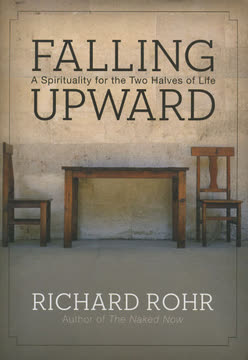
Falling Upward, de Richard Rohr, aborda el viaje espiritual a lo largo de las dos mitades de la vida. Los lectores valoran las reflexiones de Rohr sobre el crecimiento personal, la madurez y la búsqueda de sentido en los años posteriores. Muchos consideran que el libro invita a la reflexión y resulta útil para comprender su propio desarrollo espiritual. Sin embargo, algunos critican el enfoque teológico de Rohr por ser demasiado universalista o alejado del cristianismo ortodoxo. En conjunto, los lectores aprecian la sabiduría del libro al presentar los desafíos y fracasos de la vida como oportunidades para crecer, aunque en ocasiones encuentran el estilo y las ideas de Rohr difíciles de seguir.
También leyeron



Preguntas frecuentes
What's "Falling Upward: A Spirituality for the Two Halves of Life" about?
- Two Halves of Life: The book explores the concept of life being divided into two halves. The first half focuses on building a strong identity and container, while the second half is about finding the contents that the container was meant to hold.
- Spiritual Growth: Richard Rohr discusses the spiritual journey and growth that occurs as one transitions from the first to the second half of life, emphasizing the importance of embracing necessary suffering and transformation.
- Myth and Metaphor: The book uses myths, such as the story of Odysseus, to illustrate the journey of self-discovery and spiritual maturity.
- Integration of Experiences: Rohr emphasizes the need to integrate both the positive and negative experiences of life to achieve a deeper understanding and connection with one's true self.
Why should I read "Falling Upward"?
- Guidance for Life Transitions: The book provides valuable insights for those experiencing or anticipating major life transitions, helping readers understand and navigate the challenges of moving into the second half of life.
- Spiritual Depth: Rohr offers a deep spiritual perspective that encourages readers to look beyond superficial success and security to find true meaning and purpose.
- Practical Wisdom: The book is filled with practical advice and wisdom that can be applied to everyday life, making it relevant for anyone seeking personal growth and fulfillment.
- Universal Themes: It addresses universal themes of identity, suffering, and transformation, making it accessible and beneficial to a wide audience.
What are the key takeaways of "Falling Upward"?
- Embrace Necessary Suffering: Suffering and failure are essential parts of the journey toward spiritual maturity and self-discovery.
- Two Halves of Life: Understanding the distinct tasks and challenges of the first and second halves of life is crucial for personal growth.
- Integration and Wholeness: True spiritual growth involves integrating all parts of oneself, including the shadow self, to achieve wholeness.
- Nondual Thinking: Developing the ability to think beyond dualistic categories is essential for deeper spiritual insight and wisdom.
How does Richard Rohr define the "Two Halves of Life"?
- First Half: The first half of life is about building a strong identity, establishing boundaries, and creating a sense of security and significance.
- Second Half: The second half focuses on finding the deeper meaning and purpose of life, often through embracing vulnerability and letting go of the ego.
- Sequential and Necessary: Rohr emphasizes that both halves are necessary and sequential, with the first half providing the foundation for the second.
- Spiritual Journey: The transition between the two halves is a spiritual journey that involves embracing change and transformation.
What is the significance of "necessary suffering" in "Falling Upward"?
- Path to Growth: Necessary suffering is seen as a crucial part of the spiritual journey, leading to personal growth and transformation.
- Embracing Challenges: Rohr encourages readers to embrace challenges and failures as opportunities for learning and development.
- Integration of Experiences: Suffering helps integrate the various parts of oneself, leading to a more complete and authentic self.
- Spiritual Depth: By accepting suffering, individuals can move beyond superficial concerns and connect with deeper spiritual truths.
How does Richard Rohr use myths in "Falling Upward"?
- Illustrative Stories: Myths, such as the story of Odysseus, are used to illustrate the journey of self-discovery and spiritual growth.
- Universal Patterns: Rohr highlights the universal patterns found in myths that reflect the human experience of transformation and growth.
- Metaphorical Lessons: Myths provide metaphorical lessons that help readers understand complex spiritual concepts in a relatable way.
- Connection to Tradition: By using myths, Rohr connects contemporary spiritual insights with ancient wisdom and tradition.
What role does the "shadow self" play in "Falling Upward"?
- Understanding the Shadow: The shadow self represents the parts of oneself that are denied or hidden, often leading to unconscious behavior.
- Integration for Wholeness: Rohr emphasizes the importance of integrating the shadow self to achieve wholeness and authenticity.
- Path to Humility: Engaging with the shadow self leads to greater humility and self-awareness, essential for spiritual growth.
- Ongoing Process: Shadow work is an ongoing process that continues throughout life, contributing to personal and spiritual development.
What is "nondual thinking" according to Richard Rohr?
- Beyond Dualism: Nondual thinking involves moving beyond binary categories of right and wrong, good and bad, to see the interconnectedness of all things.
- Spiritual Insight: This type of thinking is essential for deeper spiritual insight and understanding, allowing individuals to embrace complexity and paradox.
- Integration of Opposites: Nondual thinking helps integrate opposites, leading to a more holistic and inclusive perspective.
- Mature Wisdom: It is a hallmark of mature wisdom, often developed in the second half of life as individuals move beyond ego-driven concerns.
What are the best quotes from "Falling Upward" and what do they mean?
- "First there is the fall, and then we recover from the fall. Both are the mercy of God!" This quote emphasizes the idea that both failure and recovery are essential parts of the spiritual journey, each offering opportunities for growth and grace.
- "We grow spiritually much more by doing it wrong than by doing it right." Rohr suggests that mistakes and failures are valuable teachers that lead to deeper spiritual understanding and maturity.
- "The way up is the way down." This paradoxical statement highlights the idea that true spiritual growth often involves descending into humility and vulnerability before rising to greater wisdom and insight.
- "The True Self is who you objectively are from the beginning, in the mind and heart of God." This quote underscores the concept that one's true identity is rooted in divine love and purpose, beyond the ego and societal roles.
How does "Falling Upward" address the concept of identity?
- True Self vs. False Self: Rohr distinguishes between the True Self, which is rooted in divine love, and the false self, which is constructed by ego and societal expectations.
- Journey of Discovery: The book emphasizes the journey of discovering one's True Self as a central task of the second half of life.
- Integration of Identity: Achieving a sense of wholeness involves integrating all aspects of one's identity, including the shadow self.
- Divine Union: True identity is found in union with God, where one can fully embrace their authentic self.
What is the "spirituality of imperfection" in "Falling Upward"?
- Embracing Flaws: The spirituality of imperfection involves accepting one's flaws and limitations as part of the human experience.
- Path to Growth: By acknowledging imperfection, individuals can grow spiritually and develop greater compassion for themselves and others.
- Humility and Acceptance: This approach fosters humility and acceptance, allowing individuals to let go of the need for control and perfection.
- Divine Love: Imperfection is seen as an opportunity to experience divine love and grace, which are not contingent on human achievement.
How does "Falling Upward" relate to the concept of "home"?
- Home as Metaphor: Home is used as a metaphor for the soul's journey toward union with God and the discovery of one's True Self.
- Longing for Home: Rohr discusses the inherent longing for home as a driving force in the spiritual journey, representing the desire for wholeness and connection.
- Journey and Return: The book emphasizes the idea of leaving home to find it again, transformed and with a deeper understanding of its meaning.
- Spiritual Fulfillment: True spiritual fulfillment is found in the realization that home is both the beginning and the end of the journey, encompassing all experiences and growth.
Sobre el autor
Otros libros de Richard Rohr