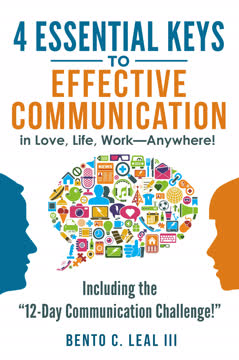
Ideas clave
1. Conciencia Empática: Reconoce el Valor Inherente en Ti Mismo y en los Demás
"Cada persona es única, especial, valiosa."
Cultiva la autoconciencia. Reconoce tu propio valor y dignidad como persona. Esta conciencia de ti mismo es la base para valorar a los demás. Prácticas como la meditación, la autorreflexión y el diálogo interno positivo pueden fortalecer tu sentido de valía personal.
Ve el valor en los demás. Extiende este reconocimiento a los otros, reconociendo su valor inherente sin importar su estatus o circunstancias. Este cambio de perspectiva puede transformar tus relaciones, haciéndolas más significativas y empáticas.
- Usa el mantra: Pausa → Reflexiona → Ajusta → Actúa
- Practica ver a las personas difíciles como oportunidades para crecer
- Recuerda: En lo que te enfocas crece, en lo que piensas se expande
2. Domina la Escucha Empática: Enfócate, Comprende y Valida
"La mayoría no escucha con la intención de entender; escuchan con la intención de responder."
Silencia tu mente y enfócate. Cuando alguien habla, dale toda tu atención. Evita distracciones y resiste la tentación de preparar tu respuesta mientras aún hablan. Esta atención plena te permite realmente oír y comprender su mensaje.
Escucha más allá de las palabras. Observa señales no verbales como el tono de voz, las expresiones faciales y el lenguaje corporal. A menudo comunican más que las palabras. Después de escuchar, refleja lo que has entendido para asegurar la comprensión y hacer que la persona se sienta validada.
- Bloqueos comunes en la escucha que debes evitar:
- Leer la mente
- Ensayar respuestas
- Filtrar información
- Soñar despierto
- Dar consejos prematuros
- Juzgar
- Hablar condescendientemente
3. Desarrolla el Hablar Empático: Organiza tus Ideas y Exprésate con Respeto
"Si hablas sin pensar, puedes herir."
Piensa antes de hablar. Tómate un momento para ordenar tus ideas y considerar cómo pueden recibirse tus palabras. Esta pausa evita que digas cosas de las que luego puedas arrepentirte, especialmente en situaciones emocionales.
Usa “yo” en tus expresiones. Comunica tus pensamientos y sentimientos con frases como “yo pienso,” “yo siento,” o “me gustaría.” Esta forma es menos confrontativa que usar “tú” y facilita que los demás escuchen y respondan a tu mensaje.
- Claves para hablar con empatía:
- Clarifica y organiza tus ideas
- Exprésate con respeto
- Sé claro y específico
- Pausa para escuchar la respuesta
- Agradece al interlocutor
4. Declaraciones XYZ: Comunica Sentimientos Sin Acusaciones
"Mantén el problema como problema."
Estructura tu mensaje. Usa el formato XYZ para expresar tus sentimientos de forma clara y sin culpar:
X - “Cuando tú (menciona sus palabras o acciones)…”
Y - “(el efecto que tiene en ti)…”
Z - “Yo sentí (nombra tus emociones al respecto)…”
Aplica también en situaciones positivas. Las declaraciones XYZ no solo sirven para resolver conflictos. Úsalas para expresar agradecimiento y sentimientos positivos, reforzando conductas buenas y fortaleciendo relaciones.
- Beneficios de las declaraciones XYZ:
- Expresan pensamientos y emociones claramente
- Evitan acusaciones
- Aumentan la probabilidad de una respuesta positiva
- Sirven tanto para preocupaciones como para reconocimientos
5. Diálogo Empático: Combina Habilidades de Escuchar y Hablar
"Las habilidades comunicativas ralentizan la conversación para que la comprensión ocurra más rápido."
Practica turnarte. En un diálogo, alterna entre hablar y escuchar, aplicando las habilidades empáticas en cada rol. Este intercambio crea un ritmo de entendimiento y respeto mutuo.
Úsalo en diversos temas. El diálogo empático es útil para conversaciones cotidianas y asuntos más serios. Estas habilidades son versátiles y mejoran la comunicación en todas las áreas de la vida.
- Ideas para temas de diálogo:
- En pareja: tiempo juntos, finanzas, estilos de crianza
- Con niños: escuela, amigos, sueños y esperanzas
- En el trabajo: nuevos proyectos, metas de equipo, equilibrio vida-trabajo
6. Practica las 3 A: Aplaude, Admira, Aprecia
"El aprecio puede alegrar un día, incluso cambiar una vida. Solo hace falta que lo expreses con palabras."
Expresa aprecio con detalle. Cuando aplaudas, admires o aprecies a alguien, sé específico sobre lo que reconoces. Esta precisión hace que el aprecio sea más significativo y poderoso.
Hazlo un hábito. Expresar aprecio regularmente no solo fortalece las relaciones, sino que también cultiva una actitud personal de gratitud. Busca oportunidades para practicar las 3 A cada día.
- Formas de expresar las 3 A:
- “Te aplaudo (o felicito) por…”
- “Te admiro por…”
- “Te aprecio por…”
7. Cuida tu Jardín de Relaciones: Atiende tus Conexiones con Constancia
"El maestro del jardín es quien lo riega, poda las ramas, planta las semillas y arranca las malas hierbas."
Trata las relaciones como seres vivos. Así como un jardín necesita cuidado constante, las relaciones requieren atención y dedicación para prosperar. No des por sentadas tus conexiones, especialmente las más valiosas.
Desarrolla una estrategia de cuidado. Crea un plan para atender tus relaciones de forma regular. Esto puede incluir chequeos frecuentes, tiempo de calidad o palabras de ánimo.
- Ideas para nutrir relaciones:
- Programa llamadas o encuentros periódicos
- Planea actividades juntos
- Envía mensajes o correos alentadores
- Expresa agradecimiento por acciones específicas
8. Convierte el Conocimiento en Acción: Comienza el Reto de Comunicación de 12 Días
"La práctica hace permanente."
Comprométete a practicar diariamente. El conocimiento por sí solo no basta; es la aplicación constante de estas habilidades lo que mejora la comunicación y fortalece las relaciones. El Reto de Comunicación de 12 Días ofrece una forma estructurada de empezar a poner en práctica estas destrezas en tu vida cotidiana.
Sé paciente y perseverante. Cambiar hábitos comunicativos requiere tiempo y esfuerzo. No te desanimes si olvidas o te cuesta al principio. Sigue practicando y estas habilidades se volverán cada vez más naturales y parte de ti.
- Consejos para el éxito:
- Mantén recordatorios visibles de las habilidades diarias
- Usa alarmas en el teléfono como avisos para practicar
- Reflexiona sobre tu progreso cada noche
- Aborda relaciones conocidas con una actitud renovada
- Recuerda: “Un día a la vez, estas habilidades serán mías.”
Resumen de reseñas
"4 Claves Esenciales para una Comunicación Efectiva" ha recibido opiniones encontradas. Muchos lectores valoran su utilidad para mejorar las relaciones y las habilidades comunicativas, destacando su enfoque en la empatía y los consejos prácticos. Sin embargo, otros lo critican por ser repetitivo, superficial o demasiado básico. Algunos aprecian la brevedad del libro y sus recomendaciones concretas, mientras que otros consideran que no aporta información novedosa. El reto de 12 días y la importancia que se da a la escucha empática son aspectos que suelen mencionarse de forma positiva. En general, el libro resulta más beneficioso para quienes se inician en el camino de mejorar su comunicación.
También leyeron





Preguntas frecuentes
1. What is "4 Essential Keys to Effective Communication in Love, Life, Work--Anywhere!" by Bento C. Leal III about?
- Practical Communication Guide: The book is a concise, how-to manual for improving interpersonal communication skills in all areas of life—love, family, work, and beyond.
- Empathy-Centered Approach: It centers on developing empathic awareness, listening, speaking, and dialogue skills to foster better understanding and stronger relationships.
- Action-Oriented: The book includes actionable steps, self-reflection exercises, and a 12-Day Communication Challenge to help readers practice and internalize the skills.
- Universal Application: The methods are designed for anyone—couples, parents, professionals, friends—seeking to enhance their communication and relationship success.
2. Why should I read "4 Essential Keys to Effective Communication in Love, Life, Work--Anywhere!" by Bento C. Leal III?
- Improve Relationships: The book provides tools to resolve misunderstandings, reduce conflict, and build deeper connections with important people in your life.
- Easy-to-Apply Skills: Its step-by-step format and real-life examples make the skills accessible and practical for immediate use.
- Personal and Professional Growth: Whether at home or work, the communication techniques can help you become a more effective, respected, and empathic communicator.
- Self-Improvement Focus: The book encourages self-reflection and personal growth, emphasizing that better communication starts with you.
3. What are the four essential keys to effective communication according to Bento C. Leal III?
- Empathic Awareness Skill: Recognizing the inherent value and dignity of yourself and others, and approaching interactions with a mindset of empathy.
- Empathic Listening Skill: Listening with the intent to truly understand the other person’s words, feelings, and perspective, rather than just preparing to reply.
- Empathic Speaking Skill: Expressing your thoughts and feelings clearly and respectfully, using “I-statements” and non-accusatory language.
- Empathic Dialogue: Combining empathic listening and speaking in a back-and-forth exchange to achieve mutual understanding and connection.
4. How does Bento C. Leal III define and use empathy in "4 Essential Keys to Effective Communication"?
- Empathy vs. Sympathy: Empathy is described as “feeling with” or “feeling into” another person, understanding and sharing their feelings, rather than just “feeling for” them.
- Foundation of Communication: Empathy is the core ingredient that underpins all effective communication and relationship-building.
- Skill to Cultivate: Empathy is not just a feeling but a skill that can be developed through intentional practice and self-awareness.
- Practical Application: The book provides exercises and daily practices to help readers become more empathically aware in every interaction.
5. What is the Empathic Awareness Skill in "4 Essential Keys to Effective Communication" and how do I practice it?
- Four Steps: Recognize your own value, recognize the value of others, create the desire to listen and relate, and focus on the positives in your relationships.
- Self-Reflection: Use meditation, positive self-talk, and reflection to build self-worth and appreciation for others.
- Intentional Mindset: Approach each interaction with the intention to see the best in yourself and others, even those you find difficult.
- Daily Practice: The book suggests exercises like affirmations and the “Pause, Reflect, Adjust, Act” mantra to reinforce empathic awareness.
6. What are the steps of Empathic Listening Skill in "4 Essential Keys to Effective Communication"?
- Quiet Your Mind: Focus fully on the speaker, setting aside distractions and your own internal dialogue.
- Listen Fully and Openly: Pay attention to both words and nonverbal cues, without bias or preparing your response.
- Listen Through the Words: Seek to understand the deeper feelings and meanings behind what is being said.
- Don’t Interrupt: Allow the speaker to finish without interjecting or finishing their sentences.
- Reflect Back: Paraphrase or summarize what you heard and sensed, ensuring the speaker feels understood.
7. What are common listening blocks described in "4 Essential Keys to Effective Communication" and how can I overcome them?
- Types of Blocks: Mind reading, rehearsing your response, filtering, daydreaming, advising, judging, and condescending are identified as major barriers.
- Self-Awareness: The book encourages readers to identify which blocks they commonly use and rate their frequency.
- Empathic Listening as Solution: Practicing the steps of empathic listening helps to naturally reduce and replace these blocks.
- Intentional Focus: Regular self-reflection and conscious effort are key to overcoming these habits.
8. How does "4 Essential Keys to Effective Communication" teach Empathic Speaking Skill?
- Clarify Before Speaking: Organize your thoughts and avoid blurting out emotional or hurtful words.
- Express with Respect: Use considerate language and tone, focusing on the other person’s feelings and perspective.
- Be Clear and Specific: State your needs, feelings, and requests directly, avoiding vagueness or expecting mind-reading.
- Invite Response and Show Appreciation: Pause for the listener’s feedback and thank them for listening, reinforcing positive communication.
9. What is the XYZ Statement method in "4 Essential Keys to Effective Communication" and how does it help when upset?
- Structure for Expression: The XYZ Statement is: “When you (X: their action), (Y: its effect on you), I felt (Z: your feeling).”
- Non-Accusatory Communication: It allows you to express feelings and concerns without blaming or attacking the other person.
- Promotes Understanding: This method helps keep the problem separate from the person, making it easier to resolve issues constructively.
- Versatile Use: XYZ Statements can be used for both expressing negative feelings and giving positive feedback or appreciation.
10. How does Empathic Dialogue work in "4 Essential Keys to Effective Communication" and why is it important?
- Combines Skills: Empathic Dialogue is the back-and-forth use of empathic speaking and listening to achieve mutual understanding.
- Slows Down for Clarity: The process intentionally slows conversations, reducing misunderstandings and allowing emotions to be processed.
- Effective for Tough Topics: It is especially useful for resolving conflicts or discussing emotionally charged issues.
- Habit Formation: With practice, empathic dialogue becomes a natural and preferred way to communicate in all relationships.
11. What is the "12-Day Communication Challenge" in "4 Essential Keys to Effective Communication" and how does it work?
- Daily Skill Focus: Each day focuses on practicing a specific step or aspect of empathic awareness, listening, or speaking.
- Self-Reflection: At the end of each day, you reflect on your progress, what worked, and what could be improved.
- Habit-Building: The challenge is designed to help you internalize the skills through consistent, daily practice.
- Flexible and Repeatable: You can repeat the challenge or focus on specific skills as needed to continue improving.
12. What are the key takeaways and best quotes from "4 Essential Keys to Effective Communication in Love, Life, Work--Anywhere!" by Bento C. Leal III?
- Empathy is Foundational: Valuing yourself and others is the starting point for all effective communication and relationship success.
- Practice Makes Permanent: Consistent, correct practice of communication skills leads to lasting behavioral change.
- Quotes to Remember: “Most people do not listen with the intent to understand; they listen with the intent to reply.” (Stephen R. Covey) and “Appreciation can make a day, even change a life. Your willingness to put it into words is all that is necessary.” (Margaret Cousins).
- Self-Improvement is Key: The book emphasizes that improving your communication skills is a journey of personal growth that benefits all your relationships.








































