
Plot Summary
Night Before Departure
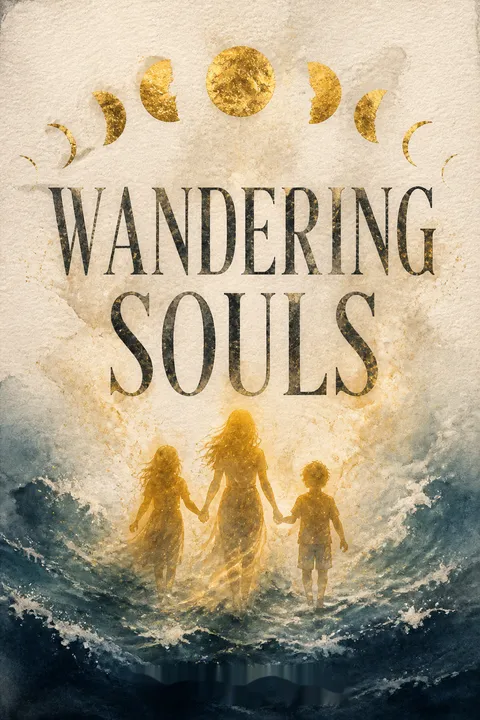
On the eve of departure from war-ravaged Vietnam, the Phan family faces a profound, silent dread. Teenage Anh, her younger brothers Thanh and Minh, and the rest of their siblings and parents prepare for a perilous escape by boat, driven by hope for a new life abroad. There is tenderness and everyday banality as their mother cooks a favourite meal. Even as the mundanity of packing, prayers at the family altar, and comforting exchanges fill their house, there is a looming sense of shadow dividing the family. Their departure is marked by tight embraces, quiet regrets, and reassurances that mask deeper truths—the last words spoken are the lies of hope. As Anh, Thanh, and Minh depart into the starless night, the family is split, each half carrying the terror of uncertainty.
Family Adrift, Family Lost
Disaster strikes as Anh, Thanh, and Minh's path diverges irreparably from the rest of their family. The escape by sea is fraught with hunger, storms, and the razor's edge of mortal risk—especially for the younger brother Dao, who dies and narrates parts of the novel as a ghost. In harrowing scenes, the siblings land, barely alive, in Hong Kong, while Anh is later forced to identify the bodies of her lost family members—parents and the younger children—washed up from the sea. Survival is a cruel lottery, and from this moment onwards, grief becomes the siblings' permanent companion, forever shaping the arc of their lives.
Becoming Refugees
The siblings are thrust into the bewildering world of refugee camps, first through the squalor of a Hong Kong quarantine dockyard and then to the relative order of Kai Tak. Here, the school routines and English classes are lifelines, but the omnipresent uncertainty deepens their sorrow. Waiting dominates existence; the anticipation of family reunification festers into a heavy silence, amplifying their loneliness. Layered in the texture of daily life is a persistent struggle with loss, cultural dislocation, and the tentative emergence of new community connections layered with competition, envy, and bureaucracy.
Camp of Waiting
Fending for themselves, the siblings—led by Anh—build a fragile circle of trust and routine in the camp. The memory of family loss is ever-present but rarely spoken. Anh takes work in a garment factory, negotiating both exploitation and community, driven by the desperate need for normalcy for her brothers. Grief expresses itself differently: Thanh agitates over trivial upsets, Minh grows sullen and resentful. Their uncle's indirect role in setting the migration in motion becomes a contested point of familial anger, and future prospects—especially "resettlement" in America—become the new obsession. Even hope is transactional, linked to bureaucracy, chance, and the whims of officials.
Mourning and Survival
As the siblings mourn, the tension between memory and forgetting intensifies. Rituals—cooking her mother's favourite meals, setting up make-shift altars, commemorating death anniversaries—are attempts to keep loved ones from dissolving completely into absence. The siblings' struggle to support each other is fraught with guilt, misdirected anger, and longing for an unreachable past. Despite this, Anh fiercely protects her brothers, embodying maternal strength, while sacrificing her own childhood and ambition. Grief shifts from raw pain to muted background radiation but remains a shape-shifting force in their new, tenuous autonomy.
Island of Ghosts
At intervals, Pin incorporates documentary-style interludes—newspaper clippings, reports of mass rape and slaughter on Koh Kra Island—underscoring the historical trauma of Southeast Asian refugees and connecting personal suffering to unspoken or officially suppressed collective memories. Dao's ghostly voice presses against the narrative, watching his surviving siblings while unable to intervene, crystallizing the theme of "wandering souls": the dead who cannot rest, the living who carry them in silence. The places once meaningful to refugees become tourist playgrounds, their violence unacknowledged, even as warnings scratched in Vietnamese remain hidden in the ruins.
Choosing Exile
Hopes of reunion in America collapse in the face of administrative coldness and Anh's fraught decisions—both conscious and impulsive. The children endure bureaucratic cruelty as the "resettlement lottery" sends them not to America but to England. This new destination is met with anger, confusion, and a sense of lost destiny. Internalized blame and family friction intensify, as youthful hopes for perfect new lives are replaced by anxious resignation. Even the tangible remnants of home, such as a family photograph warped and destroyed, are lost along the path, symbolizing irreparable fracture.
Siblings Alone
In England, the Phan siblings arrive as strangers once again, this time welcomed with well-intentioned but often awkward official support. Their lives in a dreary, militarized refugee camp in Sopley echo their earlier time in Hong Kong. Here, they meet other displaced children and surrogate caregivers like Bà. The contrast between the memory-laden, warm communal routines and the coldness (both meteorological and social) of England is stark. Snow, a novelty for them, provides a rare moment of wonder, marking a milestone that both underscores and briefly lightens their sense of otherness and exile.
The Lottery of Fate
Bit by bit, camp life in England transitions into precarious normalcy. The siblings envy the few who "move on" into proper homes, highlighting difference and thwarted dreams. Anh's coming-of-age as a maternal figure is matched by her growing frustration and longing for her own adulthood. Through comparison with Holocaust survivors and the documentation of refugee deaths at the policy level, Pin underscores the unending aftershocks of trauma—shaped by government policies, racism, and never quite resolved by time or distance. The siblings' future is shaped as much by the worlds' indifference and random cruelty as by their own efforts.
Cold Arrival in England
The siblings finally make it to London and struggle to build a life in a council flat in a tough neighborhood. Anh works endless hours as a seamstress, fighting to maintain family dignity and cohesion. Her brothers battle with loneliness, failed expectations, and the internalized racism of British society. Community connections with other Vietnamese and the small pleasures of cooking, music, and family rituals provide fragile solace. Yet, the scars of loss, survival guilt, and unmet parental dreams haunt every attempt at integration, distorting even the faintest promises of success.
Building Fragile Homes
As adulthood beckons, the siblings' lives drift further apart: Minh abandons school for dead-end jobs, Thanh becomes a steady but unfulfilled office worker, Anh seeks solace—and ambition—in more stable employment and, later, marriage to Tom. The expectations placed upon them as the surviving "hope" of their family mutate under the weight of assimilation pressures and lingering trauma. Fractured narrative—interwoven voices and times gaps and elliptical conversations with spouses and children signal that full healing is elusive. Yet, there are small triumphs: a shared meal, a passed exam, or a fleeting moment of laughter.
Shadows of the Past
Middle age brings new forms of loss—estrangement from Minh, regret over paths not taken, anxiety over her children's futures. Anh's role as matriarch merges with her inability to communicate the deepest parts of her history. Encounters with anti-Asian bigotry during the COVID-19 era and the shift in how Vietnamese food is perceived reflect the changing tides of acceptance, prejudice, and nostalgia. Through conversations with her adult children and friends, Anh is forced to confront what cannot be healed, and the stories she chooses—or refuses—to pass on.
Scars in the New Land
The inherited trauma of displacement, loss, and silence trickles into the next generation, manifest through mental health struggles, identity crises, and a hunger for knowledge. Therapy, pills, and cultural comparison become means to process the wounds that can never be fully named or shared. The act of writing and storytelling is revealed as both a coping mechanism and a form of resistance—an attempt to reclaim history, acknowledge suffering, and keep the dead alive within language and memory.
Of Ghosts and Ancestors
Dao's ghostly voice re-emerges, watching over the family through the years. The siblings' act of finally returning their parents' and siblings' ashes to Vietnam is both an act of closure and acknowledgment that there is no restoring what was lost—only reconciliation with its meaning. Ritual meals, family altars, and the annual cycles of remembrance connect the characters to ancestors and descendants alike. The wandering souls, literal and metaphorical, are finally offered rest, if not peace.
Growing Up Divided
Anh's children grow up British and Vietnamese, their interests, anxieties, and worldviews both alien and familiar. Conflicts over career choices, emotional reticence, and the meaning of history recur, as Anh tries (and sometimes fails) to understand her daughter Jane's philosophical temperament and fragile mental health. Jane's attempts to connect to the past, especially her grandmother's story, exemplify the longing for roots and the challenge of bridging generational divides when the language of trauma is rarely shared.
The Lost American Dream
Reflections on lost paths—especially the "what if" of American resettlement—become urgent as connections are finally made, decades later, with surviving family in the US. The pain of choices made in desperation—Anh's omission of her uncle's name, her resistance to help—are reinterpreted in the light of subsequent events. The lost photograph is returned, symbolizing both permanence and the ephemeral nature of memory. Remorse, gratitude, envy, and pride intermingle as the siblings and their trans-Pacific relatives finally face what was irreparably altered by accident, choice, and time.
Generations Repeating
As the family continues, now firmly rooted in London, the presence of previous generations is most deeply felt during ritual, food, and song. The cyclical nature of migration, trauma, and renewal is mirrored in both world events (Essex lorry deaths) and the family's own experience, reminding readers that history repeats and that healing is always partial. The process of storytelling—by Anh, by Jane, and by the author—becomes the final act that links generations, reclaims agency, and refuses the erasure of pain, love, and hope.
Returning and Releasing Spirits
The book closes with scenes of return, burial, and rest: the remains of the lost are reclaimed from Hong Kong, cremated and brought "home" to Vietnam, but the characters realize that home is no longer a physical place—rather, it resides in surviving family and shared memory. As the siblings pass the urns among their households, communal meals and small rituals affirm both loss and persistence. In the end, storytelling—like ritual—is the means by which life, dignity, and kinship are restored and celebrated, even in the face of overwhelming loss and change.
Analysis
A modern elegy for exile, trauma, and survivalWandering Souls is a deeply layered meditation on the cost of forced migration, the ache of fractured families, and the burdens—and healing—of memory. Cecile Pin's novel foregrounds not only the horrors and randomness of the Vietnamese Boat People crisis but also the quiet heroism of survival, the complexity of assimilation, and the inescapability of inherited grief. The author's polyphonic structure—fusing diary, oral history, poetic fragments, documentary, and ghost story—parallels the psychological fragmentation wrought by trauma and exile.
At its heart, the novel asks how survivors and their descendants can ever be "at home": is it in ritual, remembrance, or the ability to tell one's own story? Pin refuses neat closure, remaining attentive to the ways trauma lingers—through guilt, lost opportunities, bitter self-blame, and silence passed from parent to child. Yet, the book also insists on the possibility of meaning: through kindness from strangers, small acts of daily care, and the power of narrative itself. In a world still witnessing migrant tragedies, Wandering Souls is both memorial and warning—a testament to endurance and, delicately, to hope.
Review Summary
Wandering Souls receives an overall rating of 4.12/5, with readers praising its emotional portrayal of Vietnamese refugee "boat people" and their resettlement in the UK. Many highlight the innovative narrative structure — blending multiple timelines, a ghostly perspective, and historical documents — though some find it disjointed. The book's exploration of grief, generational trauma, and immigration policy resonates strongly with most readers. Critics note the novel's brevity leaves some themes underdeveloped, while others celebrate it as a stunning, well-researched debut longlisted for the Women's Prize for Fiction 2023.
People Also Read







Characters
Anh
As the eldest daughter, Anh is thrust into adulthood far too quickly. After the family's fatal split and her parents' and younger siblings' deaths at sea, Anh becomes the de facto parent for Thanh and Minh. Her journey is marked by aching loss, heavy responsibility, and self-sacrifice. Anh morphs from dutiful daughter to surrogate mother, holding family bonds together through tradition, ritual, and sheer willpower. Psychologically, she embodies resilience and stoic suffering but struggles with guilt—blaming herself for choices, omissions, and her brothers' setbacks. Even as she forges her own life, love, and family in London, the past never fully lets go. Anh's refusal to let grief define her fate is both her burden and her quiet triumph, and she ultimately embraces storytelling, ritual, and reunification as ways to heal fractured lineage.
Thanh
Thanh, the middle brother, is characterized by sensitivity, adaptability, and a lingering childlike optimism, even as trauma and exile age him. Still a child when orphaned, Thanh survives by attaching himself to routine, school, and whatever fragments of home he can reclaim—music, football, and friendship. He negotiates the challenges of assimilation better than Minh, becoming a stable if modest adult, a loving husband and father. Thanh's ambition to reach for more is repeatedly undercut by circumstances and systemic limitations, yet he retains an essential kindness and curiosity. Psychologically, he is a bridge: always trying to balance cultural expectations, familial loyalty, and his own aspirations, ultimately representing survival's quiet endurance.
Minh
Minh, the youngest surviving sibling, embodies the shadow side of displacement and grief. As a child he is moody and watchful, as a young man he becomes directionless and resentful. Failing in school, losing jobs, and feeling like an outsider both at home and in wider society, Minh's internal struggles with guilt, bitterness, and alienation are exacerbated by racism, structural barriers, and his family's shortened expectations. He is plagued by survivor's guilt and the lost fantasy of American success, viewing his sister's hard-won stability with envy and sorrow. His psychological landscape is marked by self-doubt and shame—both product and victim of unspoken trauma—yet, as an adult, he remains connected to the family through ritual, shared meals, and mutual caretaking.
Dao
Seven-year-old Dao's death at sea leaves him a wandering soul in both mythic and narrative terms. As a narrator from the "Beyond," he is simultaneously witness, lost child, and ancestral spirit. Dao's presence fractures time, offering a perspective at once playful and tragic, imaginative and agonized. He is a symbol of all that remains unresolved: grief that cannot find rest, memories that flit at the edges of consciousness. Dao's psycho-spiritual restlessness underlines the family's own inability to fully mourn or move on until ancestral rites are completed and the dead are returned home, illustrating the power of ritual and the persistence of love.
Mai and Van
The twin younger sisters, remembered only in fractured childhood scenes and as lost ghosts, represent the innocence destroyed by war, displacement, and betrayal. Their presence is mostly evoked through memory, ritual, and Dao's ghostly storytelling. In a broader psychoanalytic sense, they are the inner children haunting Anh and her brothers, reminders of beauty and possibility foreclosed by violence and fate.
Hoang
The baby brother, Hoang, perishes with the parents. His spectral absence magnifies the siblings' grief and symbolizes the unfulfilled future: a life snuffed out before it could begin. As an object of mourning, he highlights the extremity of loss that shadows the survivors, and the enduring sense of what "should have been."
Bà
Living with the siblings at the Sopley camp in England, Bà offers care, culinary tradition, and wisdom. Her presence anchors Anh and her brothers during a period of liminal anxiety, softening the hardness of displacement through ritual and shared experience. Bà's later death marks another generational shift, prompting new forms of grief and resilience in the story.
Tom
Anh's eventual husband, Tom, is a British-Chinese accountant who provides emotional steadiness and helps anchor the family in their adopted country. Through his relationship with Anh, he represents the complicated integration of identities and the possibility of love and happiness after trauma. Tom's support and patience help Anh move beyond perpetual sacrifice toward self-acceptance and joy.
Jane
Anh's daughter, Jane, is a British-born philosopher who grows up in the shadow of her mother's silence. Sensitive and introspective, Jane struggles with mental health but is also driven by curiosity and a desire to understand, bridge, and inherit her family history. Her insistence on reconnection and storytelling catalyzes healing between the generations and embodies the ongoing necessity of retelling and bearing witness, even across difference and pain.
Uncle Nam and Thach
Nam, the uncle in America, and his son Thach, instigate the alternate life paths the Phans contemplate and, in the end, enable their closure and ancestral rites. Their existence as lost, later rediscovered family dramatizes the randomness and cruelty of refugee fate, the corrosive effects of guilt and silence, and ultimately, the possibility of reunion and narrative restitution, even across oceans and decades.
Plot Devices
Fractured narrative—interwoven voices and times
The novel's mosaic structure alternates between Anh's story, Dao's ghostly narration, documentary excerpts, and the voices of later generations. This fluid, semi-linear movement between the living and the lost, between past and present, depth-charges the reader with both intimacy and dislocation. The ghost's perspective reflects both spiritual beliefs (wandering souls) and psychological fragmentation caused by trauma, while omniscient camera-like moments echo the randomness and "archive fever" of history. Each section is punctuated by poetic or documentary interludes—reports on massacres, policies, and contemporary tragedies—to place personal violence within national and global contexts.
Intertextuality and meta-narrative
References to works like The Iliad, The Stranger, or Vietnamese folk tales are not only thematic echoes but devices that interrogate how stories are told, inherited, and (mis)remembered. The framing of the novel as a "story within a story"—with Jane, the next generation, attempting to reconstruct the past—dramatizes the perpetual struggle between what is unspeakable, what must be spoken, and the dangers and responsibilities of narrative voice. The structure itself, shifting between fiction and "archive," mirrors the trauma it represents.
Foreshadowing, repetition, and motif
Motifs—such as the shared meal, the smell of braised pork, family photographs, or references to wandering spirits—appear throughout, foreshadowing later events (returning home, ancestor rites, reconciling). These repetitions remind the reader of the cyclical nature of trauma, the resilience of hope, and the importance of continuity. Similarly, bureaucratic realities (the ticking of an officer's pen; the lottery of resettlement) become symbols of impersonal fate, shaping the children's lives as arbitrarily as any storm.
Juxtaposition of public and private grief
By incorporating real documents, headlines, and testimonies alongside raw private emotion, the novel collapses boundaries between the micro (family) and macro (history), translating mass suffering into intimate loss. The alternation between narrative forms also represents how trauma resists singular narration and must be recovered as a tapestry of fragments, official and secret, spoken and unspoken.
Download PDF
Download EPUB
.epub digital book format is ideal for reading ebooks on phones, tablets, and e-readers.








































