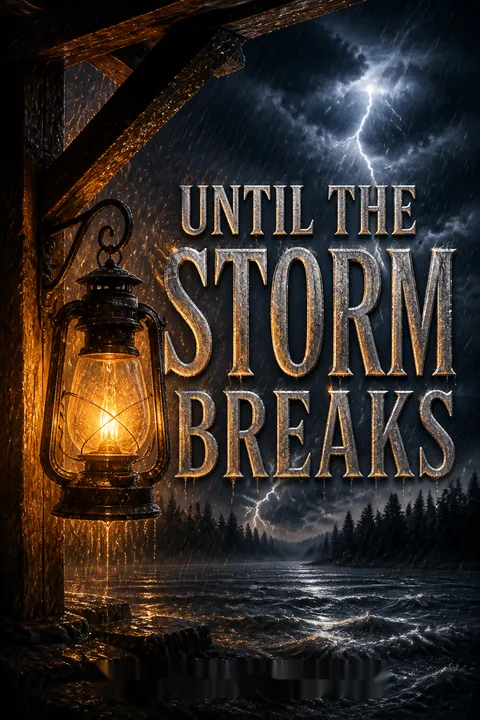

Plot Summary
Storms Begin in Silence
Maren, owner of The Black Lantern in Dark River, is the town's unofficial caretaker, pouring drinks and comfort for locals and lost souls alike. She's haunted by the loss of her parents and the slow decline of Susan, her surrogate mother and mentor. The bar is her anchor, a place where she can hide her own grief behind the needs of others. But as Susan's health fails, Maren feels the storm of change gathering—one she can't outrun or control. The town, the bar, and her own heart are all on the cusp of something that feels both inevitable and terrifying.
The Bar That Heals
The Black Lantern is more than a bar; it's a sanctuary. Maren's gift is remembering the small things—Bill's favorite joke, Eleanor's romance novels, Lark's allergy to cats. She pours drinks, listens to confessions, and offers solace. The regulars are a found family, each carrying their own burdens. Susan's wisdom lingers in every corner, her legacy woven into the fabric of the place. But as Maren tends to others, she neglects her own needs, hiding her writing dreams and her longing for connection behind the bar's comforting rituals.
Grief and Unspoken Promises
Susan's death leaves Maren adrift, her grief compounded by uncertainty about her future in the cabins she's called home for a decade. The Midnight brothers return for the memorial, each carrying their own complicated history with their mother and the house. Calvin, the reclusive writer son, is especially haunted—by guilt, by distance, by the words he can't write anymore. The house, battered by storms and time, becomes a symbol of everything they're losing and everything they can't let go.
The Prodigal Son Returns
Calvin arrives in Dark River, carrying his mother's ashes and a lifetime of unresolved grief. He's a literary sensation who hasn't published in years, paralyzed by the weight of expectation and the pain of watching his mother fade. His return is awkward, marked by tension with his brothers and a prickly encounter with Maren, who challenges his detachment. The house is falling apart, the family is fractured, and Calvin is forced to confront the mess he left behind.
Collisions and Old Wounds
Calvin and Maren are thrown together by proximity and shared loss. Their interactions are charged—sometimes antagonistic, sometimes unexpectedly tender. Both are experts at caretaking but novices at accepting care. The thin walls between their cabins become a metaphor for the boundaries they maintain and the intimacy they crave. As they navigate funeral arrangements and family drama, old wounds resurface, and the possibility of something new flickers between them.
The House That Waits
The Midnight house is a character in its own right—weathered, wounded, and waiting. Calvin throws himself into repairs, trying to atone for his absence and delay the inevitable sale. Maren, too, is haunted by the prospect of losing her home. The house holds the history of chosen family, of Susan's generosity, of childhoods shaped by love and loss. As the brothers argue over the future, the house becomes a battleground for what to keep and what to let go.
Tangled Roots, Tangled Hearts
The chemistry between Calvin and Maren intensifies, fueled by late-night conversations, shared grief, and the intimacy of daily life. Both are afraid—of wanting too much, of being hurt, of repeating old patterns. Maren hides her writing and her feelings, while Calvin hides behind sarcasm and distance. Their banter is a dance, each testing the other's boundaries, each longing for connection but terrified of vulnerability.
The Weight of Absence
Maren's secret—her tattoo of Calvin's words—sits between them, a symbol of both devotion and fear. Calvin senses she's hiding something, but he's too wrapped up in his own guilt and creative paralysis to push. The bar becomes a stage for their unresolved tension, with friends and regulars watching, waiting for them to admit what everyone else can see. The absence of Susan, the looming sale of the house, and the uncertainty of the future press in on all sides.
Sparks in the Rain
A literal and emotional storm brings Calvin and Maren together at last. Their defenses crumble in the rain, and desire finally overcomes fear. The passion between them is raw, healing, and transformative. But even as they find solace in each other, the realities of their situation—Calvin's impending return to Seattle, Maren's uncertain housing—threaten to pull them apart. The storm is both a cleansing and a reckoning, forcing them to confront what they truly want.
Secrets Etched in Skin
Calvin discovers Maren's tattoo—his words inked on her ribs—and feels betrayed by her secrecy. At the same time, his birth parents appear, seeking connection and money, compounding his sense of being wanted for what he can give rather than who he is. The revelation shatters the fragile trust between Calvin and Maren. Both retreat into old patterns—Calvin to Seattle and his literary persona, Maren to her bar and her solitude. The storm that brought them together now threatens to destroy what they've built.
The Breaking Point
Calvin immerses himself in the literary festival, surrounded by fans who want pieces of him but don't know him. Maren moves out of the cabins, determined to stop waiting for someone who won't choose her. Both are miserable, haunted by what they lost and unsure how to bridge the gap. Their friends rally around them, offering support but unable to fix what only honesty and courage can heal. The question becomes not whether they love each other, but whether they can forgive and trust again.
Running from the Wreckage
Calvin, pushed to his limit by the festival's demands and his own loneliness, finally breaks his silence. He reads a new poem—raw, vulnerable, and addressed to Maren—in front of a packed audience and a livestream. The world hears his truth, but Maren is left to wonder if it's meant for her or for the crowd. Both are forced to confront what they want: to keep running from the wreckage, or to risk everything for a second chance.
Words Left Unsaid
Maren writes her own poem in response, leaving it for Calvin with a challenge: no more hiding, no more running. She attends the festival, reclaiming her identity as a writer and a woman with her own story. Calvin, reading her words, realizes that love is not about performance but about presence. Both must decide if they're willing to be seen, flaws and all, and to choose each other not just in poetry but in life.
The Storm Breaks
Calvin finds Maren at the festival, running through the rain to reach her. In front of everyone, he chooses her—no more fear, no more distance. Their reunion is messy, public, and perfect. They promise to build a life together, not in spite of the storms but because of them. Home becomes not a place, but a choice they make every day.
Choosing to Stay
Calvin and Maren settle into their new reality—renovating the house, tending the bar, writing, loving, and learning to stay. The ghosts of the past linger, but they are no longer haunted. Instead, they honor what was lost by creating something new. Their love is not a fairytale, but a daily act of courage and care.
Home Is a Choice
The Midnight brothers find peace with each other and with the past. Maren's found family—Lark, Theo, Chloe, the bar regulars—becomes the foundation of her new life. Calvin reconciles with his birth parents on his own terms, choosing what to carry forward and what to leave behind. The house, once a symbol of loss, becomes a home again, filled with laughter, music, and the promise of more.
After the Rain
Maren publishes her first book, surrounded by the people who love her. Calvin finds his voice again, writing not for acclaim but for truth. Their wedding is a celebration of survival, of choosing each other, of the storms they've weathered together. The bar, the house, the town—all are transformed by their love and resilience.
Building Something New
In the end, Calvin and Maren's story is not about escaping the storm, but about learning to dance in the rain. Their love is imperfect, hard-won, and deeply real. They build a life together not by avoiding pain, but by facing it—together. The storm breaks, and what remains is not wreckage, but the foundation of something beautiful and lasting.
Analysis
Until the Storm Breaks is a contemporary romance that transcends genre conventions by weaving together themes of grief, resilience, and the transformative power of chosen family. At its core, the novel is about two people learning to stay—not just with each other, but with themselves, their pain, and their hope. The story interrogates the myth of the solitary, suffering artist and the self-sacrificing caretaker, offering instead a vision of love as mutual vulnerability and daily choice. The use of storms as both literal and metaphorical devices underscores the unpredictability of life and the necessity of embracing change. The novel's dual narration invites readers to inhabit both sides of a love story shaped by loss, secrecy, and the longing to be truly seen. Ultimately, the book argues that healing is not about avoiding pain, but about facing it together—about building a home not from the absence of storms, but from the courage to dance in the rain. The lessons are clear: love is an act of bravery, home is a choice, and the only way out of the storm is through.
Review Summary
Until the Storm Breaks receives mostly positive reviews, averaging 4.08/5. Readers praise its lyrical writing, grief representation, and slow-burn romance between Calvin and Maren. Many appreciate that a male author wrote female desire thoughtfully and authentically. The Pacific Northwest small-town setting and the five Midnight brothers' dynamic earned consistent praise. The most common criticism centers on the third-act breakup, which many found melodramatic and unnecessary, with Calvin's behavior frustrating readers. Some felt the ending was rushed, but most plan to continue the series.
Characters
Maren Strand
Maren is the heart of Dark River, tending bar at The Black Lantern and tending to the wounds of everyone who walks through its doors. Orphaned young, she's built a life out of loss, finding family in Susan and the Midnight brothers. She's fiercely loyal, self-sacrificing to a fault, and terrified of wanting too much. Her secret—Calvin's words tattooed on her ribs—symbolizes both her devotion and her fear of being seen as just another fan. Maren's journey is one of learning to claim her own desires, to write her own story, and to risk vulnerability for the chance at real love. Her relationship with Calvin is both a mirror and a catalyst, forcing her to confront the difference between caretaking and being cared for. By the end, she becomes not just a survivor, but a creator—of stories, of home, of a life she chooses.
Calvin Midnight
Calvin is a literary sensation paralyzed by his own success and the weight of grief. Adopted into the Midnight family, he's always felt both chosen and apart, never quite belonging. His essays on loss made him famous, but left him empty, unable to write or connect. Calvin's return to Dark River is a reckoning—with his family, his past, and his own heart. His relationship with Maren is fraught with longing, fear, and the desperate hope that he can be loved for himself, not just his words. Calvin's arc is about learning to stay, to forgive, and to risk being known. His greatest fear is being wanted for what he can give, not who he is. Through Maren, he learns that love is not about performance, but about presence and choice.
Susan Midnight
Susan is the glue that holds Dark River together. Her bar is a sanctuary, her wisdom a lifeline for Maren and her sons. Even in decline, she teaches by example—about generosity, resilience, and the importance of chosen family. Her death is the catalyst for the story, forcing everyone to confront what they've lost and what they want to save. Susan's legacy is not just the bar or the house, but the community she built and the love she gave freely.
Dominic Midnight
Dominic is the executor of the estate, the brother who stayed, the one who bears the burden of responsibility. His need for control masks deep vulnerability and a fear of failing his family. His conflict with Calvin is rooted in resentment and love, both wanting to do right by their mother but disagreeing on what that means. Dominic's arc is about learning to let go, to trust, and to forgive—not just his brothers, but himself.
Theo Midnight
Theo is the steady center of the Midnight family, running the local restaurant and raising his daughter Chloe. He's the bridge between his brothers, always trying to keep the peace. Theo's kindness is his strength, but also his weakness—he struggles to assert his own needs. His relationship with Maren is sibling-like, built on mutual care and understanding. Theo represents the possibility of healing and the importance of everyday acts of love.
Alex Midnight
Alex is the brother who left to find himself, but returns to support his family. He's quick-witted, emotionally intelligent, and fiercely loyal. His relationship with Calvin is competitive but affectionate, both pushing each other to be better. Alex's arc is about finding purpose and belonging, and about supporting those he loves without losing himself.
Jack Midnight
Jack is the prodigal son, always on the move, chasing adrenaline and escape. His return for the memorial is both a homecoming and a confrontation with the life he's been avoiding. Jack's charm masks deep insecurity and a longing for acceptance. His dynamic with his brothers is both comic relief and emotional ballast, reminding everyone that family is messy but worth fighting for.
Lark
Lark is Maren's confidante and co-conspirator, the one who calls her on her bullshit and refuses to let her settle for less. Recently divorced, Lark is rebuilding her own life, learning to trust herself again. Her humor and honesty are a lifeline for Maren, and her subplot with Jack hints at future possibilities. Lark represents the power of female friendship and the importance of choosing yourself.
Eleanor
Eleanor is a regular at the bar, a seventy-something with a taste for romance novels and a sharp wit. She's both comic relief and quiet wisdom, reminding Maren that life doesn't end with loss. Eleanor's unapologetic embrace of pleasure and joy is a model for Maren, showing her that it's never too late to want more.
Laila
Laila, Susan's golden retriever, is a symbol of loyalty, comfort, and the enduring bonds of chosen family. She moves between characters, offering solace and grounding. Her presence is a reminder that healing often comes in small, everyday moments.
Plot Devices
Dual Narration and Alternating Perspectives
The novel alternates between Maren and Calvin's points of view, allowing readers to experience both the internal and external conflicts that drive the story. This structure deepens empathy, reveals misunderstandings, and heightens tension as each character's secrets and desires are slowly revealed. The dual narration also mirrors the theme of connection—two people learning to see and be seen, to speak and to listen.
The House and the Bar as Living Symbols
The Midnight house and The Black Lantern bar are more than settings; they are embodiments of memory, loss, and hope. The house, battered by storms and neglect, represents the family's fractured history and the struggle to hold onto what matters. The bar is a sanctuary, a place of healing and community, but also a site of avoidance and self-sacrifice. Both spaces evolve as the characters do, reflecting their journeys toward wholeness.
The Storm as Metaphor and Catalyst
The recurring motif of storms—literal and figurative—serves as a metaphor for grief, transformation, and the unpredictability of life. Storms bring destruction but also renewal, forcing characters to confront what they've been avoiding. The climactic rainstorm is both a moment of crisis and a turning point, washing away old defenses and making space for new beginnings.
Tattoos, Poems, and Words as Connection
Maren's tattoo of Calvin's words is a secret that both connects and divides them. Writing—essays, poems, confessions—serves as a means of communication when speech fails. The public reading of Calvin's poem is a narrative climax, transforming private pain into shared vulnerability. The novel explores the power and limits of language: how words can heal, hurt, and ultimately bring people together.
Found Family and Chosen Community
The theme of chosen family runs throughout the novel, with Maren, the Midnight brothers, and the bar regulars forming a web of support that transcends traditional ties. The story challenges the idea that family is only about biology, showing instead that love, loyalty, and shared history are what truly bind people together.
Foreshadowing and Circular Structure
The novel uses foreshadowing—early references to storms, to the fragility of home, to the dangers of avoidance—to build tension and thematic resonance. The story's structure is circular: it begins and ends with storms, with the bar, with the question of what it means to stay. The epilogue brings the narrative full circle, showing that healing is not about erasing pain, but about building something new from its aftermath.


Download PDF
Download EPUB
.epub digital book format is ideal for reading ebooks on phones, tablets, and e-readers.








































