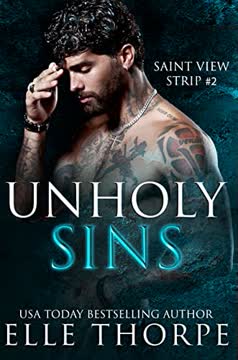
Plot Summary
Vigilante's Vicious Redemption
In the dead of night, Zeph, a priest plagued by fury and guilt, exacts vengeance on a corrupt clergyman preying on minors. Haunted by the echo of an abused girl's confession, Zeph strangles the predator in a silent storm of wrath when the church turns a blind eye. His act is both justice and damnation, forging his self-image as a necessary monster. Yet as his hands release death, his soul feels neither shame nor relief, only the numbness of someone who longs to be good and fails spectacularly. When he kneels at his altar, his plea to God is simple: "Forgive me, Father—I no longer care."
Sinners in Saint View
Lyric, a single mother and dancer at a run-down strip club, endures another demeaning, dangerous night. When a customer oversteps, then robs her, she is left furious and desperate. Her world is shaped by necessity—caring for a sick grandmother and bright daughter, Amelia—forcing her to cross lines society deems shameful. Beneath the brash surface is exhaustion and bruised hope. The promise of her missing friend, Fawn, weighs heavily. Lyric is tough-edged but cracks appear; she's fighting for survival in a town that kicks the weak. Her resilience is tested as her trust is used against her both by men with power and those with none.
Queen of Survival
With little sleep and scarce resources, Lyric balances care for her daughter, her ailing grandmother, and her own spirit. Her world is ruled by loyalty and practical alliances—neighbor Geraldine, Peggy the caretaker—each small act a seam in the tattered net holding her family together. Through these strained days, her daughter's small triumphs and setbacks push Lyric onward, clinging to dignity in hardship. She dissects every dollar, stretching hope thin, and her quick anger is both shield and curse. Dreams of security fade, yet love persists. When failures strike—especially in providing—her self-worth trembles but does not collapse.
Temptations and Taboos
Zeph, battling forbidden longing, shadows Lyric's world. His need is not holy—it is raw, hungry, and shameful. Watching her dance, imagining her touch, the line between lust and violence blurs. He battles fantasies of domination he was taught to fear, associating desire with danger. When Lyric is threatened, Zeph's darker urges—protective and predatory—collide, saving her but also frightening himself. For both, face-to-face attraction is explosive: a punch, mutual recognition, the first tangled words. Their connection is framed as both salvation and curse, igniting a relationship that should not exist but cannot be hidden or denied.
Secrets behind Collars
Both Zeph and Lyric are haunted by their histories—Zeph joined the priesthood seeking penance for violent desires, Lyric forced by circumstance to survive as best she can. Zeph carries wounds: a family that wanted perfection, a "calling" that was a last resort, and therapy aimed at erasing what makes him feel alive. Lyric is battered by poverty, single parenthood, and the constant weight of being seen as either a temptation or a warning sign. Their families—Zeph's devout but judgmental, Lyric's fractured—cast long shadows. When they attempt intimacy, every secret sets a new trap.
New Saints, Old Sins
Volunteering, Zeph glimpses the raw need in his town and the deep hypocrisy of Providence's "holy" facade. He is moved to Robin Hood acts—stealing from the rich to give to the overlooked and abandoned. Meanwhile, he and Lyric cross paths more often: awkward church jobs, Amelia's new daycare at the church. Their biting, funny banter conceals mutual pain and curiosity. Each act of kindness or defiance hints that both are outsiders longing for home, but every gesture, from a jacket to a job offer, carries the risk of deeper exposure—to danger or desire.
Child of Poverty, Heart of Steel
Juggling dance gigs, cleaning work, and caregiving, Lyric faces escalating threats—assault, robbery, and the insult of being parent-shamed by wealthy, religious families. Her fierce independence often sabotages her chance at help. Her daughter's removal from daycare due to her ex's irresponsibility is a cruel blow. She must negotiate for her child's place in a church-run center—a source of both opportunity and peril—and struggle to preserve her autonomy and dignity amidst men determined to own or "save" her.
The Price of Protection
Violence shadows love as Zeph's brutal protection of Lyric and her child brings him to the brink. Zeph kills again to stop further abuse, masking the crime as "divine justice." This unleashes police scrutiny and paranoia—every touch, every act, another secret to confess. Lyric's survival depends on trusting people, but as her circle of trust narrows, betrayal becomes inevitable. As Zeph and Lyric tentatively negotiate power and submission, their connection grows more dangerous yet more honest, revealing vulnerabilities and repressed wishes.
Confessions and Contracts
Lyric and Zeph begin a covert relationship built on consent and boundaries—a carefully negotiated contract that becomes a conduit for healing past trauma. They use safe words and honest communication, transforming what was once taboo into mutual sanctuary. The rituals of power exchange prove both cathartic and stabilizing, giving Zeph a new sense of worth beyond punishment. Lyric finds safety in relinquishing control to a man who truly listens, their intimacy a rebellion against worlds that see them as either profane or disposable.
Motherhood on the Edge
In the war for her daughter's opportunity and safety, Lyric faces hostility at Amelia's elite school, rejection from Zeph's judgmental mother, and the condescension of "good" people who would erase her. As threats escalate—from abduction to institutional abuse—Lyric's keening need for agency is tested to the breaking point. The heartbreak of near loss, as the people she's chosen as family are threatened by addiction, loss, and grief, pushes her to risk everything. The question of what makes a good parent, what kinds of love redeem or destroy, underpins every decision.
Chasing Shadows
A predator lurks within the church's shadows: Father Byron, respected by all, turns out to be a serial abuser. As Zeph and Lyric investigate, barriers of trust break: Zeph is forced to confront the monster in their midst, the systems that protected him, and the ugly class divisions that allow such evil to thrive. When Lyric's daughter is abducted by Zeph's mother—a well-meaning fanatic corrupted by pride—Zeph must choose whether to uphold the church's empty promise of salvation or destroy it to save what he now loves.
Families We Make
In the climactic crisis—kidnapping, rescues, and the exposure of institutional hypocrisy—Zeph and Lyric's circle of chosen family proves their truest source of strength. Together with friends from the strip club and their children, they expose the criminal exploitation at the church's heart. Zeph's actions force him to reckon with his own capacity for violence and mercy, while Lyric understands her value lies not in the world's approval, but in her ability to remake family from broken pieces. Their love, forged in fire, becomes a promise: to never let go, to hold space for scars, and to insist on grace.
Breaking Chains
Byron's evil is publicly revealed; children once terrorized begin the slow road to healing. Zeph confesses his own crimes—unrepentant yet clear-eyed about the necessity of his violent justice. Institutional power is finally challenged, and the church is forced to make reparations, channeling restitution towards victims in the form of scholarships and support. Both Zeph and Lyric invite the scorn of the powerful but gain the gratitude and loyalty of the overlooked.
Safe Words and Forgiveness
Through loss, shame, and reunion, Zeph and Lyric rebuild life, embracing consent, therapy, and practical kindness. They become advocates for survivors and build a home rooted in honesty and love rather than shame and secrecy. Lyric's struggle with guilt and isolation finds healing in her chosen family, while Zeph's reconciliation with faith comes not through dogma, but through actions—building, listening, and loving without reservation.
Houses Built on Lies
Both realize the families they were born into are built on foundations of secrecy, repression, and self-loathing. Only by tearing down these facades—and enduring public shame—can they forge something real: Zeph leaves the priesthood, and together they build a new family, inviting those who were once cast out. Lyric brings her grandmother and daughter; Zeph brings wounded friends. The cycle of abuse is interrupted by honest reckoning.
Saving Angels
The most vulnerable—children at the center of abuse and adults haunted by past trauma—are finally brought to safety. Zeph's "sins"—once unholy—become, in the end, an act of salvation. Lyric finds redemption not in respectability, but in unapologetic motherhood and defiance. In honoring those they've lost and protecting those still at risk, they create a legacy of courage and resilience.
Goodbye, Unholy Sins
In the aftermath, Zeph and Lyric, now together, anchor a family built on acceptance, sexual honesty, and fierce love. Trauma lingers, but their bond—once forged from forbidden craving—becomes gentler, a source of sanctuary. They vow to challenge systems that harm and to trust each other with what is most sacred: vulnerability. Lyric, once a queen of survival, becomes a model for hope. Zeph, no longer priest or vigilante, is simply a man who's chosen to live—freely, fiercely, and with forgiveness.
Analysis
"Unholy Sins" is a raw and unflinching modern morality play—one that subverts the traditional binaries of good and evil, sacred and profane, and redefines heroism in a world where institutions fail the vulnerable. Elle Thorpe threads a romance that is both incendiary and deeply political: consent, safe words, and negotiated power become pathways out of trauma for both Lyric and Zeph, whose lives are shaped—and nearly destroyed—by the moral failures of family and religious authority. The book is relentless in its portrayal of poverty, misogyny, and social hypocrisy; its power lies in showing how resilience and defiance can carve out new forms of family and healing. Lyric's refusal to be shamed, and Zeph's journey through violence to radical honesty, invite us to imagine survival not as stoic endurance, but as the courage to demand more: more love, more safety, more truth. Ultimately, "Unholy Sins" offers a redemptive vision—not of a sanitized, respectable love, but one that relishes imperfection, refuses to forget the lost, and is fierce enough to protect what is sacred. The message rings clear: what the world judges unholy, survivors may quietly claim as their salvation
Review Summary
Readers overwhelmingly praise Unholy Sins as a gripping, spicy forbidden romance between Zeph, a tattooed vigilante priest, and Lyric, a strong-willed single mom and stripper. Many highlight the perfect blend of humor, banter, tension, and dark romance, with standout praise for both characters' vulnerability and chemistry. Reviewers love the positive co-parenting portrayal, the adorable daughter Amelia, and the shocking twists. Most are eagerly anticipating Book 3, particularly regarding Fawn's storyline and Augie's story.
Characters
Lyric
Lyric is the embattled heart of this story—sharp-tongued, fiercely loyal, and blessed with an iron will. Scarred by neglect, poverty, and the realities of single motherhood, she wraps herself in armor of humor and bravado, yet remains deeply sensitive to betrayal and loss. Lyric's devotion to her daughter is bedrock but her sense of self often flickers under pressure. Her relationships are transactional out of necessity—trust is reserved for those few who prove worthy. Throughout the novel, she evolves from someone ashamed of needing, to a woman able to build a new family on her own terms. Intimacy with Zeph becomes an act of rebellion and healing, teaching her that love can be both fiery and safe.
Zeph (Father Zepherin)
Zeph is a man at war with himself—craving goodness, tortured by forbidden desires, and unmoored in a corrupt world. Raised by rigid adoptive parents and marked by the trauma of early abandonment, he seeks absolution in the priesthood, but finds only shame and restriction. His fierce sense of justice turns lethal—he murders abusers when the system fails, yet struggles with guilt and the fear that his own desires are monstrous. Salvation comes, paradoxically, in accepting his darker impulses through consensual power exchange with Lyric; here he finds the first peace he's ever known. His arc is one of radical honesty: letting go of imposed purity to become a builder, protector, and finally, a whole man—capable of love untainted by fear.
Amelia
Lyric's precocious child is at once her lifeline and her greatest vulnerability. Amelia's intelligence and sweetness highlight the stakes of survival—she is the next generation, a reason for hope. Though endangered and witness to trauma, she is never defined by victimhood. Instead, her adaptability and trust in her mother reflect the true wealth Lyric gives: love, safety, and a sense of belonging.
Father Byron
Byron is an embodiment of institutional evil: well-liked, trusted, and perfectly adept at using his authority to exploit the vulnerable. His hands are stained with hidden sins, masked by piety and community standing. Byron is both a cautionary figure and an object lesson in the systems that protect predators; it is only through extrajudicial action that he is finally brought down. His presence shadows the entire narrative, challenging every character to see past appearances.
Peggy
Peggy provides the quiet support that sustains Lyric's battered household, offering practical help and gentle wisdom without judgment. She is more than a caretaker—she is family by choice, a rare adult who neither exploits nor pities. Her steady presence allows Lyric to rest, dream, and occasionally, fall apart.
Eve
Owner of the Saint View strip club, Eve is maternal, creative, and unyielding—a gatherer of lost souls. Her guidance is both bossy and deeply caring, the glue that binds the chosen family. Her own history of trauma makes her both fiercely protective and empathetic, an engine of hope in a bleak landscape. Eve subtly models the idea that family is what we build, not where we're from.
Lleyton
Lyric's ex and Amelia's father is a study in privilege meeting consequence. Wealthy and blithe, he vacillates between irresponsibility and moments of genuine effort. His journey involves stepping up—slowly—backed by a new partner, Kat, whose own longing for family is poignant but sometimes misplaced. He reminds us that redemption is possible, but only with humility and accountability.
Katherine (Kat)
Kat, Lleyton's fiancée, represents good intentions complicated by privilege and blind spots. Her love for Amelia is real, but her attempts to claim motherhood border on presumptuous and sometimes erase Lyric's agency. Her arc is a warning about saviorism, but also about the pain of longing for a child and a place in a complicated web of relationships.
Augie
A side character poised for his own story, Augie is at once comic relief and a portrait of unresolved grief. His history with Fawn and brother Banjo defines his pain—through drugs, sex, and fights, he seeks to fill the void left by broken family ties. Augie is a magnet for lost causes, and his journey hints at coming redemption through facing his darkness.
Fawn
Though absent, Fawn haunts each chapter. Her disappearance unites the Saint View family, stoking both grief and determination. She is a symbol of what is lost when the vulnerable are not protected, and her memory is an anchor—her sweetness and naiveté sharpen everyone else's edges.
Plot Devices
Dual Narration and Interwoven Perspectives
The narrative alternates between Zeph and Lyric, framing their internal scars and external battles as two sides of the same war. This dual lens lets us witness how trauma, shame, and longing twist through both male and female experience, ultimately providing a rare, symmetrical view of healing. Each sees the other's struggle—and their own role in the other's pain—mirrored and magnified, allowing empathy to replace isolation.
"Saint" versus "Sinner" Dichotomy
The story exploits religious symbolism and the hypocrisy of institutions to destabilize the boundaries between holier-than-thou and truly good. A strip club becomes sanctuary, a church a site of rape and exploitation, and a priest must become an executioner to serve true justice. Taboo, crime, sex, and salvation are intentionally blurred, forcing both characters and reader to interrogate every label.
Consensual Non-Consent & Safe Words
The use of contracts, consent, and safewords as a plot device is radical: it transforms shame into agency and danger into healing. By negotiating their desires, Zeph and Lyric are able to reclaim bodies and needs once deemed "wrong." It's both erotic and redemptive—a means to build trust and move beyond the violence of their pasts.
Class Tension & Social Realism
The story is structured around class divides—the opulent Providence vs. gritty Saint View, rich parents vs. "unfit" mothers. Acts of thievery (Robin Hood justice) and resistance are used to expose structural inequity and make morality personal rather than hierarchical.
Found Family as Salvation
Genuine nurture is found among strippers, survivors, and outcasts, not the self-proclaimed righteous. This network of loyalty stands against both physical and emotional threats—functioning as shield, counsel, and healing.
Foreshadowing Through Dreams and Fantasy
Both Lyric and Zeph's fantasies—violent, sexual, or maternal—often prefigure actual events, blurring the line between what is feared and what is needed. These interludes create tension (and dark humor), and their fulfillment becomes a symbol of agency.
Justice as Personal Reckoning
Zeph's vigilantism, and Lyric's readiness to fight, force a reckoning with cycles of violence: who is authorized, what is worth the risk, and what lines can never be uncrossed. The plot pushes systemic corruption into the open, but refuses easy catharsis—redemption is always partial, incomplete, and hard-won.








































