Plot Summary
Apple in the Hearth
In 1630, Edith, a young healer on Virginia's Eastern Shore, finds an out-of-place apple by her hearth. The fruit's presence feels like an omen, stirring unease and memories of Eve's temptation. Edith's logical mind tries to dismiss the feeling, but the apple's taste is unlike anything she's known—complex, both sweet and sharp. Her friend Grace arrives, desperate for help with her feverish husband, Jacob. Edith gathers her herbs, recalling her late Aunt Joan's teachings about the dangers and power of plants. As Edith and Grace journey through the oppressive heat, Edith's sense of being an outsider grows. The apple, half-eaten and thrown into the fire, seems to make the flames leap, foreshadowing the strange and dangerous events to come.
Arrival and Old Wounds
In the present day, Claire, a single mother, brings her four-year-old daughter Julia back to her childhood home on the Eastern Shore. The house, old and heavy with history, is filled with memories and unresolved grief, especially surrounding the disappearance of Claire's older sister, Gabby. Claire's relationship with her sister Tilly is strained, their conversations revolving around their dying father and the logistics of care. The house's cellar, with its ancient trapdoor, unsettles Claire, and she avoids it, haunted by childhood fears. As night falls, Claire checks on her father, witnessing his distress and feeling the oppressive weight of the house's secrets. The past and present seem to blur, and the sense of something watching, waiting, grows.
Healer's Burden
Edith's role as a healer brings both purpose and loneliness. She tends to Jacob, recognizing the signs of impending death, and feels the burden of her knowledge. Her husband David is practical, skeptical of her instincts, and increasingly distant, especially as their attempts to conceive fail. Edith's memories of her father's and aunt's deaths haunt her, and she senses that her difference—her intuition, her connection to nature—sets her apart in a community quick to judge. The apple's omen lingers, and Edith's sense of foreboding deepens as she navigates her marriage, her work, and the growing suspicion of those around her.
Night Whispers
Both Edith and Claire experience unsettling phenomena at night. Edith hears whispers, feels breath on her neck, and finds windows and objects moved without explanation. Her protective necklace, a flint and steel talisman, offers little comfort as the sense of being watched intensifies. In the present, Claire is plagued by noises, shadows, and her father's increasingly erratic behavior—he tries to harm himself, claiming he must "cut out the Devil." Both women are haunted by the house's atmosphere, the boundaries between the living and the dead, the rational and the supernatural, growing thin.
Sisters' Fractures
Claire and Tilly's relationship is fraught with resentment and unspoken pain. Their father's decline forces them together, but old wounds—especially Gabby's disappearance—remain raw. Conversations about care, inheritance, and the future of the house become battlegrounds for deeper issues of abandonment, guilt, and unmet expectations. Tilly's emotional exhaustion and Claire's controlling tendencies clash, while Peter, Tilly's husband, tries to mediate. The sisters' inability to connect mirrors the larger theme of brokenness and the difficulty of healing old traumas.
Cellar Secrets
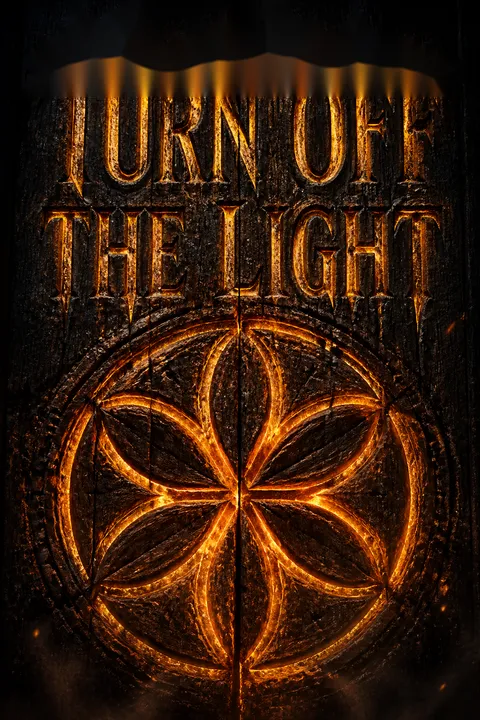
The house's cellar is a focal point of fear and mystery. Julia is drawn to it, despite Claire's warnings, and sketches a strange geometric symbol she could only have seen there. The symbol, a daisy wheel or hexafoil, is a protective mark against evil, carved into the ancient beams. Claire's memories of Gabby's terror after being trapped in the cellar resurface, and the parallels between past and present become undeniable. The cellar, with its history of fire and hidden spaces, becomes a metaphor for buried secrets and the dangers of what lies beneath the surface.
Bruises and Suspicions
Edith develops mysterious bruises and rashes, fueling the community's suspicions of witchcraft. Her husband's trust erodes as he searches her herb cellar, and neighbors gossip about her infertility and oddness. Edith's only solace is teaching young Violet about healing, but even this is threatened by the growing paranoia. The line between illness, poison, and supernatural affliction blurs, and Edith's sense of self is undermined by the fear and hostility of those around her.
Ghosts in the Walls
Claire's nights are filled with thudding noises, shadowy figures, and the sensation of being watched. Her father's warnings—"Don't drink the tea"—and Julia's reports of the house "watching" her add to the unease. The dumbwaiter, long sealed, seems to move on its own, echoing Gabby's last frightened words. Claire's sleep is disturbed by visions of being paralyzed, held down by unseen hands, and waking with bloodied fingers. The house's history presses in, demanding to be acknowledged.
The Witching Hour
Edith is subjected to a humiliating examination by the women of the community, searching for a witch's mark. Her body is violated, her dignity stripped, and her isolation complete. The earth itself seems to revolt—an earthquake shakes the house, and blood rains down, culminating in the appearance of a severed finger. Edith's world unravels as the line between natural and supernatural catastrophe blurs, and the threat of execution or worse looms.
Scratching at the Past
Driven by visions and physical evidence—scratches, bruises, and the persistent daisy wheel—Claire becomes convinced that the house's history holds the key to her family's suffering. She researches the property, discovering the story of Edith, a healer accused of witchcraft who disappeared. With Ethan's help, Claire theorizes that time in the house is folding, allowing echoes of the past to bleed into the present. The cellar, the site of fire and violence, becomes the locus of these crossings.
The Test
Edith learns that her husband, with the help of neighbors, plans to poison her—using her own knowledge of herbs against her. Violet, coerced into revealing a fatal recipe, confesses to Edith, who realizes she must flee. In the present, Claire is nearly killed by Peter, who poisons her with shellfish to keep her from discovering Gabby's body hidden in the house. Both women are betrayed by those closest to them, their survival dependent on quick thinking and the intervention of others.
Poison in the Tea
Edith attempts to flee across the bay, her escape nearly ending in disaster as her boat capsizes. She is rescued by Reeve, a local outcast, who helps her disappear and start anew on the mainland. In the present, Claire is saved from death by Julia's quick action with the EpiPen and by a fire in the cellar—an event that echoes Edith's own act of burning her herb cellar to save herself. The fire, folding across time, becomes the means by which both women are delivered from death.
Time Folds
Claire and Ethan piece together that the house is a conduit where time folds, allowing moments from the past and present to overlap. Ghosts are not spirits of the dead, but echoes of lives lived in parallel, bleeding through at moments of transition—birth, death, trauma. Julia's ability to see and communicate with Edith is explained by her openness as a child, close to the threshold of life. The haunting is mutual; the living and the dead reach for each other across the centuries.
The Fire and the Flood
With Gabby's body discovered and Peter's confession, the family's long-held grief is finally given closure. Edith, presumed dead, survives and reinvents herself as a healer on the mainland, her legacy preserved in the recipes and teachings passed down through generations. The house, once a site of pain and haunting, is transformed by the truth coming to light. The fire that once destroyed now purifies, and the flood that nearly drowned Edith becomes her deliverance.
Truth Unearthed
Claire and Tilly, freed from the weight of secrets and guilt, begin to rebuild their relationship and their lives. The house, no longer haunted, becomes a place of memory rather than fear. Edith's story, once buried, is honored and remembered. The cycles of trauma and silence are broken, and the possibility of healing—across time, family, and self—is affirmed. The past cannot be changed, but its grip can be loosened by truth, compassion, and the courage to face what lies beneath.
The End and the Beginning
As the family gathers for their father's funeral, Claire reflects on the lessons of the past weeks. She recognizes the limits of control and the necessity of letting go. The house, the land, and the stories it holds are part of a larger tapestry of loss and survival. Edith's legacy endures, not as a ghost, but as a testament to resilience and the power of women's knowledge. Claire, Tilly, and Julia look to the future, carrying with them the wisdom and scars of those who came before.
Analysis
Turn Off the Light is a haunting meditation on the persistence of trauma, the dangers of silence, and the redemptive power of truth. By weaving together the stories of Edith, a healer persecuted for her knowledge, and Claire, a modern woman grappling with the legacy of loss, the novel explores how the past is never truly past. The supernatural elements—omens, hauntings, time folds—are not mere scares, but metaphors for the ways in which unresolved pain echoes across generations. The house itself becomes a character, a vessel for memory and suffering, demanding that its secrets be brought to light. The novel interrogates the roles of women as healers, mothers, and scapegoats, exposing the violence that lurks within families and communities. Yet, it also offers hope: through the courage to face what is buried, to speak what is unspeakable, and to reach across the divides of time and understanding, healing is possible. The lessons are clear—truth, however painful, is the only path to freedom; the past cannot be changed, but its hold can be loosened; and the bonds of family, though tested, can endure and transform.
Review Summary
Reviews for Turn Off the Light are generally positive, averaging 3.88/5. Readers widely praise the dual timeline structure set in 1600s and present-day Virginia, with most preferring Edith's historical narrative over Claire's modern storyline. The atmospheric writing and clever plot connections between the two women receive consistent acclaim. Common criticisms include slow pacing in the first half, Claire being an unlikable character, and the book feeling more like a mystery than true horror despite its marketing. The ending is frequently highlighted as a strong, satisfying payoff.
Characters
Edith Harris
Edith is a young woman in 1630s Virginia, trained as a healer by her aunt and marked by her intuitive connection to nature. Her knowledge and independence set her apart in a patriarchal, superstitious community, making her both indispensable and suspect. Edith's marriage to David is fraught with tension—her infertility and his growing suspicion mirror the community's readiness to scapegoat her. Edith's psychological journey is one of increasing isolation, humiliation, and existential threat, culminating in betrayal by those she trusted. Yet, her resilience and resourcefulness allow her to escape, reinventing herself as a healer on the mainland. Edith's arc is a testament to the dangers faced by women who transgress social norms, and to the enduring power of knowledge and self-determination.
Claire Fern
Claire is a modern woman grappling with the legacy of family trauma—her sister Gabby's disappearance, her father's decline, and her own struggles as a single mother. Her return to the family home forces her to confront unresolved grief, guilt, and the supernatural echoes of the past. Claire's psychological complexity is rooted in her need for control, her fear of loss, and her longing for connection. As she unravels the house's mysteries, Claire's skepticism gives way to openness, and her journey becomes one of acceptance, forgiveness, and the courage to face what she cannot change. Her relationship with her daughter Julia and her sister Tilly is central to her growth, as is her willingness to break cycles of silence and secrecy.
Tilly Fern
Tilly is Claire's younger sister, burdened by the responsibility of caring for their dying father and holding the family together. Her marriage to Peter, once a source of stability, is revealed to be built on secrets and denial. Tilly's psychological defense is to avoid conflict and suppress her own needs, but the events of the novel force her to confront betrayal, loss, and her own desires. Her relationship with Claire is strained but ultimately redemptive, as the sisters find common ground in their shared grief and the search for truth.
Julia Fern
Julia, Claire's four-year-old daughter, is both a source of light and a key to the novel's supernatural elements. Her openness and proximity to the threshold of life make her receptive to the house's time folds and to Edith's presence. Julia's drawings, questions, and actions drive the plot forward, and her courage in moments of crisis saves her mother's life. She represents hope, continuity, and the possibility of healing across generations.
David Harris
David is Edith's husband, a practical man whose insecurities and need for control lead him to betray his wife. His suspicion of Edith's knowledge and his complicity in the community's violence reflect the dangers faced by women who defy patriarchal norms. David's psychological arc is one of fear, resentment, and ultimately, the willingness to sacrifice his wife to preserve his own standing. He is both a villain and a tragic figure, shaped by the limitations of his world.
Peter
Peter is Tilly's husband and Claire's childhood friend, whose affable exterior hides a dark secret—his involvement in Gabby's death and the concealment of her body. Peter's psychological unraveling is triggered by the return of the sisters and the threat of discovery. His actions are driven by guilt, fear, and a desperate need to maintain the status quo. Peter embodies the theme of hidden violence within the family and the corrosive effects of secrets.
Gabby Fern
Gabby's disappearance is the central trauma around which the family's dysfunction revolves. Her rebellious spirit and mysterious fate haunt Claire and Tilly, shaping their identities and relationships. Gabby's presence is felt through memories, visions, and the eventual discovery of her body, providing both closure and a reckoning with the past.
Grace
Grace is Edith's closest friend, an outsider herself, whose vulnerability and dependence on Edith's healing make her both ally and betrayer. Grace's shifting loyalties reflect the pressures of survival in a hostile environment, and her actions underscore the precariousness of female solidarity in the face of communal fear.
Violet Cotton
Violet is a young girl eager to learn from Edith, representing the next generation of women's knowledge. Her involvement in the plot to poison Edith, under duress from adults, highlights the ways in which children are drawn into cycles of violence and suspicion. Violet's guilt and loyalty to Edith add emotional depth to the narrative.
Ethan
Ethan is Claire's former boyfriend, whose return provides emotional support and a sounding board for her investigations. His calm, practical nature balances Claire's anxiety, and his willingness to believe in the supernatural elements of the story helps her piece together the truth. Ethan represents the possibility of new beginnings and the importance of trust.
Plot Devices
Dual Timelines and Mirrored Narratives
The novel's structure alternates between Edith's 17th-century ordeal and Claire's present-day reckoning, using parallel events—omens, betrayals, hauntings—to draw connections across time. This device allows the reader to experience the cyclical nature of trauma, the persistence of unresolved grief, and the ways in which history repeats itself. The mirrored narratives heighten suspense and create a sense of inevitability, as the past bleeds into the present and vice versa.
Time Folds and Haunting as Echo
The haunting in the novel is reinterpreted as moments when time folds, allowing characters from different eras to sense, see, or even interact with each other. This device reframes traditional ghost story tropes, suggesting that hauntings are not the dead lingering, but the living and the dead reaching for each other across the fabric of time. The daisy wheel symbol, the cellar, and the fire serve as focal points for these crossings, and the characters' proximity to birth, death, or trauma makes them more receptive.
Poison and Betrayal
Both Edith and Claire are nearly killed by those closest to them, using the very tools—herbs, food, trust—that should provide care. The motif of poison in the tea, and the betrayal by spouse or family, underscores the dangers faced by women who possess knowledge or power. The plot device of the attempted murder, and the subsequent escape or rescue, drives the narrative toward its climax and resolution.
The Cellar as Locus of Secrets
The cellar, with its history of fire, hidden spaces, and protective symbols, is the site where secrets are both buried and unearthed. It is the place where Gabby's body is hidden, where Edith's fate is nearly sealed, and where the boundaries between past and present are most porous. The cellar's darkness and danger mirror the psychological depths the characters must confront to find healing.
Intergenerational Trauma and Healing
The novel uses the repetition of patterns—sisters lost, mothers absent, daughters haunted—to explore the ways in which trauma is passed down and the difficulty of breaking free. The plot device of uncovering the truth, both literally (Gabby's body, Edith's story) and metaphorically (family secrets, personal guilt), allows for the possibility of closure and new beginnings.
Download PDF
Download EPUB
.epub digital book format is ideal for reading ebooks on phones, tablets, and e-readers.








































