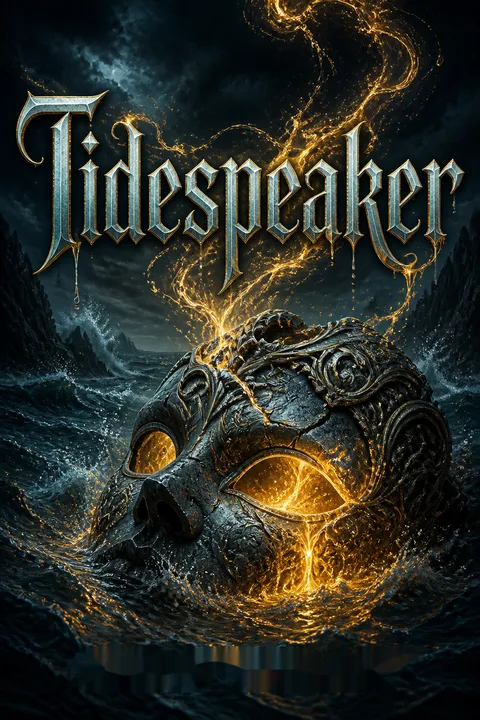

Plot Summary
Tides and Thresholds
In a queendom where power over the elements is both a gift and a curse, Corith, an Orha Floodmouth, faces her coming-of-age exam at Arbenhaw. The institution is both sanctuary and prison—a demanding place teaching Orha to perform for the Hundred Houses or live in drudgery. The stakes are set: fail, and one faces not only shame but likely a life of menial, dangerous existence; succeed, and maybe, just maybe, earn a sliver of dignity. For Corith, power is deeply tied to emotion: to use her gifts, she must master fear, isolation, and longing. This sets the story's central question: can agency flourish under oppression? The story's tides are more than water—they represent the surging emotions and obstacles Orha face.
Final Exam Shadows
On her eighteenth birthday, Corith endures a near-drowning during her final practical exam. Without her best friend Zennia to steady her resolve (recently sent away), she nearly fails, unable to calm her panic and command the water. Only a mysterious intervention saves her. The fear of punishment, scrutiny, and social humiliation is as chilling as the water pressing around her. Here, the training at Arbenhaw reveals itself: it's a system engineered to break as much as nurture, one that weaponizes vulnerability and pits gifted children against each other, socially and magically.
Friendship Torn Apart
Zennia, Corith's anchor, is abruptly assigned to serve a noble family on the coast, cutting off Corith's only source of emotional strength. Their brief, anxious farewell is laced with longing and foreboding. Corith experiences profound grief, little knowing that Zennia's fate is woven with hers still. This chapter explores the pain of imposed separation in institutional settings—how systems extract intimacy as easily as talent.
Unwanted Placement
The day after the exam, Corith is summoned and assigned to House Shearwater—Zennia's own recent destination—after being told of her friend's "drowning accident." Corith is wracked by suspicions: the narrative smells false, her own memories and attachments clashing against the system's callous efficiency. She is given no time to grieve, only a handful of instructions, and the stifling weight of expectations—for Zennia's bright future has already been snuffed out here.
Rumors and Realities
Corith travels to Bower Island under laconite's suppressing influence and armed guards' disdain. Every town, every face, is a reminder of the Orha's pariah status. On the journey, she receives a cryptic note promising truths about Zennia—an unexpected crack in the story's hard surfaces. She realizes the cost of her "freedom" is perpetual surveillance, and her own mind fills with running, hiding, and regret for questions never asked.
Crossing to Bower Island
Arriving at Port Rhorstin, Corith faces the legendary causeway to the island, where fast tides have claimed more than one victim. Forced to cross alone by her guards, she nearly perishes, saved only by the intervention of House Shearwater's young master and his mudmouth servant. The island itself is fortress and exile, surrounded by turbulent waters—its physical boundaries echo Corith's internal ones, and foreshadow the uncompromising environment she must now navigate.
Secrets, Loss, and Arrival
Bower Island—dark, brooding, and sharply hierarchical—quickly demonstrates its dangers. Corith is assigned Zennia's old quarters; the spectral presence of her lost friend haunts every interaction. The "set" of Shearwater Orha (sparkmouth, mudmouth, gustmouth) are cautious, closed. In their eyes, Corith senses both the pain of loss and suspicion of her presence. The castle's rituals are as cold as its stones, and every breakfast, every task, is also a test.
Under Shearwater's Roof
House Shearwater's power games are immediate. Corith's first nights are an ordeal, subjected to a "test"—cast into the furious archwater tides to prove her worth, her survival left to the indifference of nature and nobility alike. Beneath every interaction is the question: how much will she compromise for security? The Orha here walk a tightrope; too much competence makes one a tool, but too little means punishment or worse. The outlines of loyalty, trauma, and class resentments grow sharper.
The Taste of Powerlessness
As Corith begins her arduous duties under the control of the housekeeper and siblings, she recognizes the Orha's existence: work, endure, endure some more. Overcoming the practical challenges of her element and new surroundings, she fiercely rehearses controlling the sea, chasing the "connection" claimed by her instructors. She finds Zennia's coded letter—her friend's voice ringing out distrust, suspicion of the island's true nature. A spark of rebellion is kindled.
The Letter's Lure
Corith, lured by the memory of Zennia, discovers a cryptic code and is invited to a meeting at the Veil, a masked club in town frequented by nobility. Here, every public action is laced with clandestine meaning. She senses that Zennia's death is not as simple as reported; others on the island know more than they admit. The line between loyalty and survival becomes ever more fraught, as Corith is forced to become both observer and participant in the ongoing intrigue.
Rivalries and Shifting Tides
The Shearwaters' world is dominated by House rivalries, political machinations, and a looming vote for the Chamber Seat. Noble visitors arrive, alliances are weighed and shifted, and the Orha are paraded as trophies or tools. Guest houses fill, parties are planned; beneath the surface, secrets and alliances multiply. Rumors swirl about the radical rebel group, the Cage, and the tenuous stability of social order. Personal survival depends now on reading subtext as well as the currents.
Market Day Intrigues
On market day, Corith finally slips away to the Veil. Amid abundance and finery she can't possess, she sees the power of appearance and the risks of being unmasked. The Shearwaters' entanglements reach beyond the island: every gesture is an act of performance, every kindness with a price. The Veil emerges as a space where power is momentarily displaced—a masquerade, but one with deadly stakes.
The Veil's Invitation
Inside the Veil, Corith's invitation becomes a recruiting pitch from the Cage. The rebel network, hiding "cuckoos" in noble nests, offers an information trade: the truth about Zennia for espionage. Corith must tally Shearwater's laconite, their defensive heart. Facing the rebels' ideology and tactics, she wavers between disgust at violence and the lure of agency. Her world, always dangerous, twists into outright duplicity—she is now a double agent, with Zennia's fate on the line.
Spies in the Nest
Corith begins her sabotage, sneaking through private rooms, discovering both true and false laconite. She learns that the Shearwaters' famed power is, in part, artifice, and that their survivalist "show" is itself a defense. Entrusted with more tasks by the Cage—acting not only as observer but as instrument—she's increasingly ensnared. Bonds with the siblings transform, sharpened by shared traumas and parallel secrets. The immediacy of the planned "persuasion" by the rebels makes fear a constant companion.
Night of Reckoning
The night of the ball brings distraction, romance, and the rupture of social masks. A massive earthquake and resulting tidal wave strike; Orha are sent to the cliffs as shields, sacrifices for the nobility's property. The Orha's home is destroyed, one among them lost. Rexim, in panic and anger, threatens dismissal—Corith's service depends on pleasing whims, not merit. The nature of power is laid bare: the expendable are those whose gifts keep the world safe, yet who are always blamed.
Drowning in Truths
As Corith faces banishment, she decides to accelerate her tasks for the Cage, pushing Avrix (the Cormorant twin, also a rebel) to join her sabotage. The Shearwaters' secrets are now her currency, but every step tears at her conscience. Catua's hidden relationships and Llir's inherited secret—his own forbidden Orha heritage—come to light. Corith finds herself juggling loyalties, even as she's burdened with the tools of subversion and threatened by the consequences of failure.
Siblings and Skeletons
Intimate relationships splinter or strengthen as danger encroaches. Rhianne and Catua's romance is discovered and endangered; the siblings' trust is frayed by secrets. Tigo and Mawre, loyal house Orha, try to protect what's left of their world. Corith's relationship with Llir deepens into vulnerability and attraction even as mutual belief erodes. When she reveals herself to be the spy, the consequences—personal and political—are explosive.
At the Mercy of Nobles
Crake's army overruns the island ahead of the rebels, and the house is betrayed from within by the Cormorant twins. The siblings, servants, and Orha are rounded up for execution or enslavement. Crake's plan is cunning: he will blame the coming slaughter on the rebels, consolidating power as a "protector" of the Hundred. The machinery of House politics grinds onward, indifferent to justice or suffering.
Ball and Betrayal
The Orha's sabotage leaves Crake's Orha hamstrung, and, in the chaos of the forced march, Corith enacts a desperate rebel plan: manipulating the tides, unleashing a wave to drown the invaders. The action threatens her own survival—and Llir's—but with peril-consuming intimacy and trust, they work together to survive. The old social order is shattered, washed away by the very element the Orha were trained (and tormented) to master.
Quake and Tidal Catastrophe
After the tide, the survivors—Corith, Llir, their companions—straggle ashore, battered. The power that defined social hierarchy now becomes the only chance for deliverance. The rebels arrive; so does Zennia, alive, revealed as a key rebel herself. The truth about old betrayals and engineered deaths comes out: Zennia faked her own demise, and Corith's moral labor is rewarded—not just by reunion, but clarity about what kind of world she wants to build.
The Fall of Orha's Home
The Shearwaters' world is gone. Those left alive must choose: cling to old power in exile or risk a new, uncertain future. Catua and Rhianne opt to join the rebels; Corith's own allegiance is demanded. Llir, heir apparent but outsider as an Orha and hybrid, is torn. Zennia remains Corith's anchor; their bond—female friendship forged through oppression—proves the truest power.
Catastrophe's Aftermath
Friends and lovers are lost and found. The old house is rubble; the Hundred's politics will be changed forever, by violence and revelation alike. As Catua defects to the rebels and Corith chooses, finally, to leave with Zennia, Llir and Emment must face exile and the work of rebuilding. The story's heart: no easy victories, only the fragile hope of solidarity and chosen kinship.
The Army on the Causeway
Corith's rebel allies engineer a final cataclysm, using everything she knows of tides, timing, and emotion. Nobles and Orha, traitors and friends, are all at the water's mercy, and the final reckoning is as bloody as it is just. Only those who have learned the lessons of old—connection, respect, and the humility to let go of hatred—emerge.
Crake's Conquest
The conquering army is shattered, but so is the old world. Loyalties are reconfigured, and those who survive must chart new courses. Corith, freed from old expectations, puts her trust in the future—the possibility, at last, of writing her own story.
Sabotage and Survival
Corith must at last own her actions—both as a manipulator of tides and as a shaper of history. Catua's defection to the rebels mirrors Corith's journey: oppressed, but now unafraid to rebel. Llir, left heartbroken and honored, proves that humility and change are possible even in ancient houses.
The Final Reckoning
In the end, the tidespeak is not power over water, but power through solidarity and empathy. Corith leaves with Zennia and the rebels, committed not to easy answers, but to a world where old wounds are not covered, but allowed to heal openly, exposed to the light.
Reunion and Rebellion
The narrative's emotional heart is the reunion: Corith and Zennia, shaped by oppression, now choose each other and a new world. True love—be it friendship or romance—comes from chosen kinship, not fragile ties of birth, and it alone can withstand the most punishing tides.
The Tidespeak's Choice
The story closes with Corith choosing rebellion—choosing to pursue meaning, not comfort. The tides are not tamed, but respected. The future is not certain, but open. Only in risking everything—and embracing the pain of growth—can power do more than merely survive.
Analysis
Tidespeaker is a pointed coming-of-age fantasy about the cost of agency under systemic oppression, and the fierce, painful work of forging identity in circumstances engineered to suppress both emotion and solidarity. Sadie Turner crafts a world where magic is tightly regulated by trauma, discipline, and hierarchy. The Orha, powerful in theory, are shackled by sorrow, their gifts rendered dangerous not simply by outside control but by internalized shame. Turner uses the tides as a versatile metaphor: they are the inescapable surges of feeling, the cycles of history, the threat and promise of revolutionary change. The plot's ruthless pace sweeps the reader through escalating betrayals—personal, institutional, romantic—reminding us that trust is both a lifeline and a liability. The resolve to save even a piece of oneself, to choose solidarity in the face of fear, is presented as its own radical magic. The ending dares the reader to believe not in utopia, but in the open possibility of a world remade by those formerly drowned—now, at last, rising with the tide.
Review Summary
Reviews for Tidespeaker are mixed, averaging 3.66 stars. Readers praise its atmospheric, gothic island setting, unique elemental magic system, and politically driven plot. The protagonist Corith is largely well-received, with many appreciating her anxiety and neurodivergent portrayal. Common criticisms include slow pacing, underdeveloped characters, and misleading marketing around the romance, which most agree is minimal and very slow-burning. Some readers felt the world-building lacked clarity. The ending and final act earned frequent praise, with many expressing interest in the sequel.
People Also Read

Characters
Corith Fraine
The protagonist, Corith, is an Orha Floodmouth—one who commands water, provided she masters her chaotic emotions. Plagued by abandonment, isolation, and the trauma of institutional training, she views the world with wary mistrust. The loss of Zennia—her friend and emotional compass—deepens her alienation. At Bower Island, she is caught in webs of political intrigue and forced servitude. Her arc traces the transformation from passive tool to active agent: recruited as a spy by the rebel Cage, torn by loyalty and shame, she ultimately uses her mastery for collective change, even at great cost to her personal safety. Her emotional intelligence, often discounted as weakness, proves her greatest gift.
Zennia
Once Corith's best friend, Zennia is clever, brash, and the emotional heart to Corith's cerebral nature. Separated by the system, she is presumed dead—yet resurfaces as a vital agent for the Cage, having faked her own death to escape and join the rebellion. Zennia's courage and refusal to accept injustice pushes the plot forward: she pulls Corith into purpose, demonstrates the power of chosen family, and models a radical, if dangerous, hope. Her loyalties are unshakeable, her risk-taking contagious.
Llir Shearwater
Second son of House Shearwater, Llir is striking, reserved, and burdened by a shattering secret: he is Orha, heir to dangerous gifts in a family and world that would brand him an abomination. His ambivalence toward privilege and his deep loneliness bind him, unexpectedly, to Corith. Their relationship evolves from suspicion to respect, and dangerously, to romantic attraction. Llir's arc is a study in the cost of secrets and the complexity of identity under oppression.
Rhianne
Tiny, sly, and fiercely loyal, Rhianne is the Shearwaters' Sparkmouth, gifted with fire. Her irreverent humor masks deep wounds, and her bond with Catua, the youngest Shearwater, is one of the book's rare refuges of tenderness. Rhianne's defiant compassion reveals a core theme: love is revolutionary, especially for those society brands as lesser.
Catua Shearwater
The youngest Shearwater sibling, Catua, is curious, progressive, and vulnerable. Her love for Rhianne is both a secret and a beacon—at once veiled and transformative. In the book's final act, she rejects her family to join the rebels, her choice emblematic of moral courage and the hunger for genuine change over comfort.
Tigo
Tigo, the Shearwaters' Mudmouth and the oldest Orha in service, is caretaker and cautious traditionalist. He encourages stability, wary of rebellion, but ultimately aids Corith and the others. His gravitas and understated resilience reflect the fatigue of a lifetime of serving nobility—knowing just how fragile one's station is.
Vercha Shearwater
Ambitious, beautiful, and guarded, Vercha embodies the contradictions of privilege: champion of her House's image, brittle in her pursuit of power and favor. Beneath her calculating charm lies a deep insecurity, resentment toward any threat to her station—including Corith. Her final betrayal—allying with Crake—illustrates how the hunger for power can corrode intimacy, and the self-destructive nature of old loyalties.
Emment Shearwater
Eldest Shearwater son and disappointment to all, Emment is a gambler, escapist, and reluctant leader. Haunted by guilt over Zennia's "death," addicted to risk and spectacle, his arc is about learning the real price of complicity and the cost of not facing the truth. Only crisis jolts him to a raw, necessary vulnerabilty.
Kielty
Sparkmouth, Cage "cuckoo," and Corith's enigmatic contact, Kielty is animated by wit, urgency, and a ruthless sense of purpose. He orchestrates the rebel sabotage, skillfully juggling secrecy, seduction, and collective strategy. Though quick to risk others, his respect for survivor's ingenuity is genuine.
Iovawn Crake
Son of House Crake, sole noble openly Orha, Iovawn is both victim and architect of violence. General of his father's army, he is power personified—a reminder that gifts without mercy serve only those already enthroned. His confrontations with the siblings and ultimate escape embody the lingering shadow of the old order.
Plot Devices
Elemental Magic as Agency and Control
The world's magic—divided into Floodmouth (water), Mudmouth (earth), Sparkmouth (fire), and Gustmouth (air)—mirrors the strict social tiers. Mastery is tied directly to emotional regulation, making vulnerability a weapon the ruling class wields to keep Orha subordinate. Laconite, a magic-dampening stone, is bound into collars, beads, and fake adornments as both literal and figurative shackle. Water and tides are the central metaphor, their ceaseless surging echoing Corith's emotional journey.
The Masked Ball / Masquerade
The recurring motif of masks—literal in scenes at the Veil and at the Shearwaters' ball, figurative everywhere—highlights themes of double identity, social performance, and the razor's edge between camouflage and erasure. It is in these liminal spaces, when eyes are not what they seem, that characters can both lose and find themselves.
Institutionalized Oppression and Rebellion
Arbenhaw represents the system's hard discipline; the sets of Orha are the working cogs of the Hundred Houses. The Cage's cuckoos, rebel double-agents, subvert this machinery, inserting chaos within order. Codes, secret meetings, and ciphers amplify the atmosphere of paranoia and dissent. Espionage both enforces and resists hierarchy.
Unreliable Narration and Suspicion
The narrative often withholds or distorts information: Zennia's death is believed but not confirmed; the House's laconite is real and counterfeit; motivations are suspect. This device mirrors characters' psychological responses under tyranny and the cascading betrayals that drive the story.
Tidal Catastrophe as Revolution
Earthquakes and engineered tidal waves echo not just magical power but collective rage, signaling the eruption of suppressed truths onto the landscape. As tides destroy the keep and army alike, the story stages not just personal, but systemic transformation—change that is at once purgative, dangerous, and open-ended.
Emotional Intelligence as Magic
Mastery of tides and magic does not come through stoic suppression, but instead by learning to name, experience, and transform emotion. The lessons Zennia imparts—imagination, shrinking the inner chaos to something manageable—are not mere self-help tricks, but political acts, sparking real change.
Download PDF
Download EPUB
.epub digital book format is ideal for reading ebooks on phones, tablets, and e-readers.








































