
Plot Summary
Shepherd's Death in the Meadow
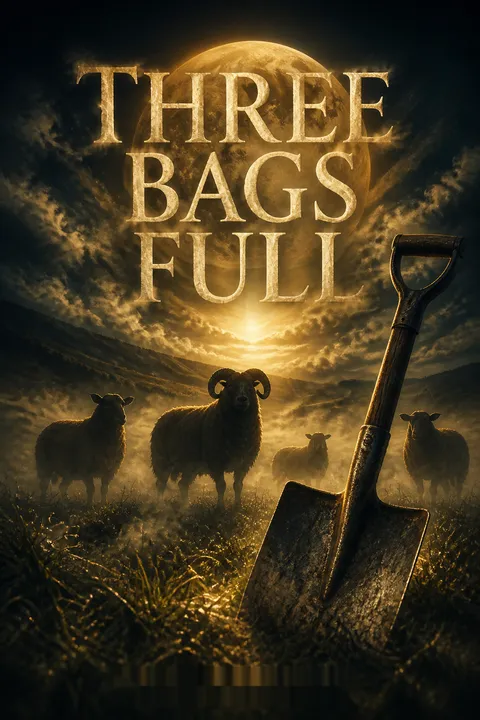
On a misty Irish morning, George Glenn, the shepherd, is discovered dead in his own meadow, a spade driven through his chest. His flock of sheep, led by the clever Miss Maple, gather in confusion and fear. The sheep, each with their own quirks and talents, are shaken by the loss of their caretaker and the sudden intrusion of violence into their peaceful world. The meadow, once a place of routine and safety, is now marked by blood and uncertainty. The sheep's first instinct is panic—who will feed them, who will protect them? But as the humans arrive—villagers, police, and George's acquaintances—the sheep realize that something unnatural has happened. The spade is not the work of a wolf or accident; it is murder. The flock's world has changed forever.
Flock Vows Justice
Miss Maple, the flock's sharpest mind, rallies the sheep to investigate George's death. The sheep, unused to human violence but inspired by George's own efforts to protect them from harm, decide they owe their shepherd justice. Each sheep is assigned a role: some to watch the humans, others to remember details, and some to sniff out clues. The flock's sense of responsibility grows as they realize that no one else will seek justice for George. Their investigation is both comical and earnest, as they struggle to interpret human behavior and language. The sheep's loyalty to George and to each other becomes the driving force behind their quest, transforming them from passive grazers into unlikely detectives.
Human Suspects and Secrets
As the sheep observe the humans, they uncover a web of secrets and grudges among the villagers. There is Lilly, George's lover; Kate, his estranged wife; Ham, the menacing butcher; Gabriel, the enigmatic shepherd; and a host of others, each with their own motives and histories. The sheep witness arguments, threats, and whispered conversations, piecing together fragments of human drama. They learn about George's will, rumors of drugs, and old betrayals. The humans, meanwhile, are oblivious to the sheep's scrutiny, caught up in their own suspicions and fears. The sheep's outsider perspective reveals the pettiness, jealousy, and desperation that simmer beneath the village's surface.
The Vegetable Garden Raid
In the absence of George, the sheep raid his forbidden vegetable garden, gorging themselves on lettuce, peas, and tomatoes. The act is both a liberation and a transgression, leaving the sheep guilty and nostalgic for their shepherd's order. They create "George's Place," a patch of untouched meadow in his memory, and reflect on his stories and routines. The garden raid becomes a metaphor for the loss of innocence and the sheep's struggle to navigate a world without guidance. Their remorse deepens their resolve to honor George by solving his murder, even as they grapple with the complexities of human behavior and their own sheepish instincts.
The Butcher's Shadow
Ham, the butcher, looms as a figure of dread for the sheep. His presence evokes primal fear, and his interactions with Lilly and the villagers are tinged with menace. The sheep suspect him of the murder, noting his anger, his threats, and his mysterious actions. Yet Ham is also vulnerable, haunted by his own secrets and guilt. The sheep's investigation is complicated by their inability to fully understand human motives, but they sense that Ham is both a suspect and a victim of the village's tangled history. The butcher's shadow hangs over the meadow, a symbol of violence and retribution.
The Wolf's Ghost
A lamb claims to have seen a ghostly, shaggy figure—the "wolf's ghost"—near George's body. The flock is unsettled by the idea of supernatural forces at work, blending their animal superstitions with the human mystery. The ghost becomes a symbol of unresolved guilt and the unknown, haunting both sheep and humans. Miss Maple, ever rational, tries to separate fact from legend, but the flock's fears persist. The ghostly presence underscores the story's atmosphere of uncertainty and the thin line between reality and imagination in the sheep's world.
The Arrival of Melmoth
Melmoth, the long-lost twin of Sir Ritchfield, returns to the meadow, bringing with him the aura of legend and exile. His presence unsettles the flock, stirring memories and fears. Melmoth is both a wanderer and a survivor, marked by his time away from the flock and his encounters with danger. His return forces the sheep to confront their own rules about belonging and exclusion. Melmoth's wisdom and strangeness challenge the flock's assumptions, and his story becomes entwined with the mystery of George's death. The flock must decide whether to accept him or remain divided by suspicion.
The Master Hunter's Game
Gabriel, the celebrated shepherd, arrives with his own flock of strange, woolless sheep. His presence introduces a new dynamic to the meadow, as he fences off part of the land and asserts control. The sheep are both impressed and wary, sensing that Gabriel is not the savior they hoped for. His methods are efficient but cold, and his sheep are bred for meat, not wool. The arrival of the "master hunter" raises questions about leadership, loyalty, and the fate of the flock. The sheep must navigate the shifting power structures and protect their own against new threats.
The Will and the Red Woman
The reading of George's will brings Rebecca, his red-dressed daughter, to the village. Her arrival stirs curiosity and hope among the sheep, who sense her kinship with George. The will reveals that the sheep are to inherit the land and be cared for, with Rebecca as a potential shepherdess. The villagers react with greed, resentment, and scheming, while the sheep see a chance for a new beginning. Rebecca's outsider status and determination to uncover the truth make her an ally to the flock. The will becomes a catalyst for change, setting the stage for the final resolution.
The Locked Caravan
George's caravan, locked and mysterious, becomes the focus of human and sheep attention. Rumors of drugs, money, and evidence swirl around it, and various villagers attempt to break in. The sheep, too, are drawn to the caravan, sensing that it holds answers to George's death. The search for keys—literal and metaphorical—drives the plot forward, as alliances shift and dangers mount. The caravan symbolizes the secrets at the heart of the village and the barriers to truth and justice. The tension between concealment and revelation intensifies as the story approaches its climax.
The Contest of Sheep
The annual Smartest Sheep in Glennkill contest offers the flock a chance to communicate with the humans and expose the truth. Miss Maple devises a plan for the sheep to reenact the murder on stage, using their limited means to convey guilt and innocence. The performance is both comic and poignant, highlighting the gap between sheep and human understanding. The villagers, distracted by spectacle and tradition, fail to grasp the message, but the act brings the sheep closer to justice. The contest becomes a metaphor for the struggle to be heard and the limitations of language and perception.
The Truth Under the Lime Tree
At the village lime tree, the lawyer reads George's will to the assembled villagers and sheep. The will's provisions shock the humans: the sheep inherit the land and the right to choose their shepherd. Rebecca and Gabriel vie for the role, but the sheep, in a rare moment of agency, choose Rebecca. The reading of the will exposes the village's greed, hypocrisy, and fear, while affirming the sheep's loyalty and intelligence. The truth about George's intentions and the village's complicity comes to light, setting the stage for resolution and departure.
The Flock's Final Vote
With the will's terms clear, the sheep must decide who will lead them into the future. Their vote for Rebecca is both a tribute to George and a rejection of the village's old power structures. The choice is not without risk, as Rebecca is an outsider and the flock faces an uncertain journey. Yet the act of choosing affirms the sheep's agency and solidarity. The final vote is a moment of hope and closure, as the flock prepares to leave behind the past and embrace a new life.
Europe Beckons
The sheep, now under Rebecca's care, prepare to leave Glennkill for Europe, fulfilling George's dream. The prospect of travel is both thrilling and daunting, as the flock imagines meadows full of apple trees and endless grazing. The journey symbolizes freedom, possibility, and the breaking of old boundaries. Yet the sheep are aware that danger and sorrow may follow them. The departure is bittersweet, marked by farewells, memories, and the promise of new stories. Europe becomes a metaphor for hope, change, and the unknown.
Melmoth's Farewell
Melmoth, having guided and challenged the flock, disappears once more, perhaps to become a "cloud sheep" or to wander new pastures. His presence has transformed the flock's understanding of themselves and the world. Melmoth's lessons about attention, courage, and the value of being alone resonate with the sheep as they face their future. His farewell is both an ending and a beginning, as the flock carries his wisdom with them into Europe. The mystery of Melmoth's fate lingers, a reminder of the story's blend of realism and myth.
Rebecca's Inheritance
Rebecca settles into her role as shepherdess, forging a bond with the sheep and honoring George's legacy. She brings new routines, reads to the flock, and navigates the challenges of leadership. The sheep, in turn, accept her as their own, finding comfort and purpose in her care. Rebecca's inheritance is not just land and responsibility, but the trust and affection of the flock. Together, they create a new community, shaped by memory, loss, and hope.
The Soul and the Spade
The mystery of George's death is finally unraveled: it was not murder, but suicide, aided by Beth, who loved him and could not bear to see him suffer. The spade, meant to pin his soul and prevent haunting, becomes a symbol of fear, guilt, and the desire for closure. The sheep, grappling with the concept of suicide and the human soul, realize that some mysteries are beyond their understanding. The story's resolution is both tragic and redemptive, as the flock learns to accept loss and move forward.
Justice and the Story's End
In the end, justice is not vengeance or punishment, but the telling of the truth and the forging of new bonds. The sheep, having solved the mystery in their own way, find peace in their memories, their stories, and their journey to Europe. The village, exposed and transformed, must reckon with its own secrets and failures. The story closes with the sheep looking to the future, guided by the lessons of George, Melmoth, and Rebecca. The arc of grief, investigation, and renewal is complete, and the flock's story becomes legend.
Analysis
Leonie Swann's Three Bags Full is a masterful blend of mystery, fable, and social satire, using the unlikely perspective of a flock of sheep to probe the darkest corners of human nature and the enduring quest for justice. By filtering the narrative through the sheep's limited but earnest understanding, Swann exposes the absurdities and cruelties of village life, while also celebrating the power of community, memory, and storytelling. The sheep's investigation, both comic and poignant, becomes a metaphor for the search for meaning in a world marked by loss and uncertainty. The novel's ultimate revelation—that George's death was not murder but suicide, aided by love and haunted by fear—subverts the conventions of the detective genre and invites reflection on the nature of justice, agency, and forgiveness. Swann's use of symbolism, foreshadowing, and genre-blending enriches the narrative, making it both accessible and profound. The story's emotional arc—from shock and confusion to understanding and hope—mirrors the journey of grief and renewal, offering readers a meditation on the complexities of life, death, and the bonds that unite us all, whether sheep or human.
Review Summary
Three Bags Full receives mixed but generally positive reviews, averaging 3.59/5. Readers widely praise the novel's unique premise—a flock of sheep investigating their shepherd's murder—and the charming, distinct personalities of characters like Miss Maple, Mopple the Whale, and Othello. The sheep's perspective is frequently lauded as clever and humorous, offering sharp social commentary on human nature. Common criticisms include a slow middle section, a disappointing mystery resolution, and the detective plot feeling secondary to the book's philosophical themes.
Characters
Miss Maple
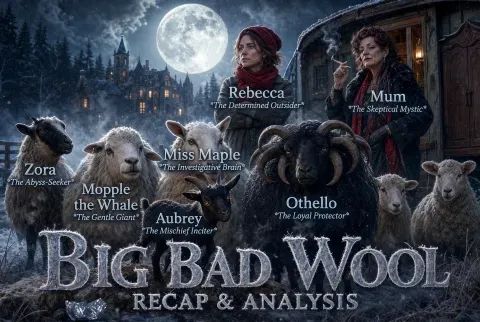
Miss Maple is the intellectual heart of the flock, renowned for her sharp mind and insatiable curiosity. She is both rational and empathetic, guiding the sheep through the complexities of George's murder and the bewildering world of humans. Maple's leadership is marked by patience, persistence, and a sense of justice. She struggles with the limitations of sheep understanding but never gives up on the quest for truth. Her relationship with the other sheep is maternal and collaborative, and she grows from a passive observer to an active agent of change. Maple's journey is one of self-discovery, as she learns the value of stories, memory, and community.
Othello
Othello is the black, four-horned ram with a mysterious past, having survived the zoo and circus before joining the flock. He is both feared and admired for his strength, courage, and worldliness. Othello's outsider status gives him a unique perspective on danger, justice, and leadership. He is haunted by memories of violence and exile, yet finds belonging in the flock. Othello's relationship with Melmoth is complex—part rivalry, part mentorship. Over the course of the story, Othello learns to balance anger with patience and becomes a protector and guide for the flock, ultimately embracing his role as a leader.
Mopple the Whale
Mopple is the flock's memory, blessed with perfect recall but plagued by anxiety and a voracious appetite. His gentle nature and loyalty make him beloved by the others, though he often struggles with fear and self-doubt. Mopple's ability to remember every detail is both a gift and a burden, as he is haunted by past traumas and the weight of responsibility. He is often the first to panic but also the first to comfort others. Mopple's journey is one of courage, as he faces his fears, confronts the butcher, and plays a crucial role in the flock's investigation and survival.
Sir Ritchfield
Sir Ritchfield is the flock's aging patriarch, respected for his experience but increasingly forgetful and hard of hearing. He embodies tradition, order, and the rules that govern flock life. Ritchfield's struggle with memory loss and the arrival of Melmoth challenge his authority and sense of self. He is both protective and vulnerable, clinging to the past while facing the inevitability of change. Ritchfield's relationship with Melmoth is central to his development, as he learns to accept loss, share leadership, and embrace the possibility of return and renewal.
Melmoth
Melmoth is the legendary ram who left the flock and survived alone, returning as a figure of myth and wisdom. His experiences have made him both strange and insightful, able to see beyond the ordinary boundaries of sheep life. Melmoth teaches the flock about attention, courage, and the value of being alone. He is both a mentor and a disruptor, challenging the flock's assumptions and guiding them through crisis. Melmoth's departure at the end is both a loss and a gift, as his lessons linger in the flock's collective memory.
Zora
Zora is the only ewe with horns, known for her agility and fearlessness on the cliffs. She is independent, thoughtful, and often the first to question or challenge the status quo. Zora's curiosity leads her to explore the unknown, whether it is the abyss, the strange sheep, or the truth about Gabriel's flock. She is both a seeker and a skeptic, balancing loyalty to the flock with a desire for adventure. Zora's journey is one of self-discovery, as she learns to face fear, embrace change, and find her place in the world.
Cloud
Cloud is the flock's woolliest and most nurturing member, known for her softness and maternal instincts. She is gentle, dreamy, and often lost in thought, but also capable of surprising insight. Cloud's relationship with the lambs and her memories of George's stories ground the flock in comfort and tradition. She is both a source of stability and a reminder of the importance of care and connection. Cloud's development is subtle, as she learns to balance nostalgia with the need for change and growth.
Maude
Maude is the flock's best nose, proud of her ability to detect danger and distinguish scents. She is practical, cautious, and often the first to sense trouble. Maude's skepticism and attention to detail make her an important contributor to the investigation. She is wary of outsiders and change, but her loyalty to the flock is unwavering. Maude's journey is one of learning to trust others and accept the limits of her own understanding.
Rebecca
Rebecca arrives as George's estranged daughter, marked by her red dress and outsider status. She is determined, intelligent, and compassionate, seeking to uncover the truth about her father's death and claim her inheritance. Rebecca's relationship with the sheep is initially tentative, but she earns their trust through kindness and respect. She becomes the flock's new shepherdess, forging a new community and honoring George's legacy. Rebecca's journey is one of reconciliation, leadership, and the creation of a new home.
Ham (The Butcher)
Ham is the village butcher, feared by the sheep and suspected by the humans. He is both a figure of menace and a man haunted by guilt, loneliness, and unrequited love. Ham's interactions with the sheep and the villagers reveal his complexity—he is capable of violence but also of remorse and tenderness. His relationship with Kate and his role in the village's secrets make him both a suspect and a victim. Ham's journey is one of reckoning, as he confronts his own actions and seeks redemption.
Plot Devices
Animal Perspective as Narrative Lens
The novel's central device is its narration through the eyes of sheep, whose limited understanding of human language and behavior creates both humor and insight. This perspective allows for a satirical examination of human society, exposing the absurdities, hypocrisies, and cruelties of village life. The sheep's interpretations are often literal or based on scent and instinct, leading to misunderstandings that are both comic and poignant. This device also enables the exploration of themes such as innocence, justice, and the search for meaning, as the sheep grapple with concepts beyond their comprehension.
Mystery Structure and Red Herrings
The plot follows the structure of a detective novel, with clues, suspects, and red herrings. The sheep's investigation mirrors human detective work, but is filtered through their unique perspective. The narrative employs foreshadowing, misdirection, and gradual revelation, keeping both the sheep and the reader guessing. The use of the spade, the locked caravan, and the will as plot devices creates suspense and drives the story toward its resolution. The ultimate revelation—that George's death was suicide, not murder—subverts the expectations of both the sheep and the reader.
Symbolism and Allegory
Throughout the novel, objects such as the spade, the caravan, and the will serve as symbols of secrets, power, and the struggle for justice. The sheep's journey becomes an allegory for the search for truth, belonging, and self-determination. The arrival of Melmoth, the contest, and the journey to Europe all function as metaphors for change, exile, and hope. The interplay between myth and reality, especially in the stories of ghosts and legends, adds depth to the narrative and invites reflection on the nature of storytelling itself.
Foreshadowing and Repetition
The narrative employs foreshadowing through repeated motifs—such as the wolf's ghost, the spade, and the locked caravan—that hint at deeper truths and unresolved tensions. The repetition of certain phrases, stories, and rituals creates a sense of continuity and inevitability, while also highlighting the cyclical nature of life and death in the flock. These devices build suspense and prepare the reader for the story's twists and revelations.
Blending of Genres
The novel blends elements of mystery, fable, and social satire, creating a unique tone that is both whimsical and profound. The use of animal protagonists allows for playful subversion of genre conventions, while the underlying seriousness of the themes—justice, loss, and community—grounds the story in emotional truth. The blending of genres enables the novel to explore complex issues with both humor and gravity, appealing to readers of all ages and backgrounds.
Sheep Detective Story Series
About the Author
Other books by Leonie Swann
Download PDF
Download EPUB
.epub digital book format is ideal for reading ebooks on phones, tablets, and e-readers.








































