Plot Summary
The Wicked's Ruthless Rule
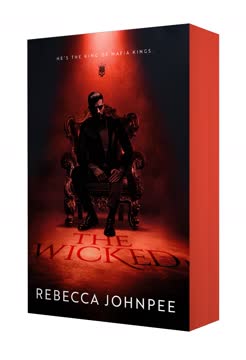
Elio Marino, known as "The Wicked," rules the Marino crime syndicate with a chilling blend of violence, paranoia, and calculated detachment. His reputation is built on a legacy of brutality inherited from his father, who taught him to wear only black—never to show the stains of blood. Elio's world is one of constant suspicion, where loyalty is a myth and power is the only currency. When a major vault is robbed and burned, Elio's response is swift and merciless: he executes a subordinate without hesitation, signaling that mistakes are fatal. Yet beneath his cold exterior, Elio is haunted by the scars of his upbringing and the ghosts of a family destroyed by betrayal and violence. His pursuit of power is relentless, but it comes at the cost of his humanity and the trust of those closest to him.
Street's Daring Heist
Street, a ragtag crew of skilled thieves led by Zahra, executes their most audacious heist yet: robbing one of the Marino syndicate's heavily guarded vaults. The team—Dog, Upper, Milk, Devil, and Zahra—celebrates their flawless operation, dreaming of freedom and a new life far from Italy's criminal underworld. Their camaraderie is palpable, forged in hardship and shared ambition. But their triumph is short-lived. As they revel in their success, masked men storm their hideout, and the crew is violently captured. The thrill of victory is replaced by terror and uncertainty, as they realize they have crossed a line that cannot be uncrossed. The heist, meant to be their ticket out, becomes the catalyst for a deadly game with The Wicked himself.
Captured and Broken
Zahra awakens in a sweltering, windowless cell, bound and dehydrated, facing the infamous Elio Marino. He interrogates her with a chilling calm, alternating between psychological games and physical torture. Zahra's resilience is tested as Elio seeks to break her spirit and extract the truth about the heist. The rest of Street's crew is similarly brutalized, forced to watch Zahra's suffering as a warning. Elio's methods are as much about asserting dominance as gathering information. Zahra, battered but unbroken, bargains for her life and her friends', offering their skills in exchange for survival. The ordeal leaves deep scars—physical and emotional—on the crew, shattering their illusions of invincibility and binding them to Elio's will.
Bargaining for Survival
Cornered and outmatched, Zahra strikes a desperate bargain: Street will work for Elio, using their unique talents to further his interests in exchange for their lives. Elio, ever the strategist, recognizes their value as assets—tools to be used, not trusted. The crew is divided, some blaming Zahra for their predicament, others recognizing the necessity of her choice. Tensions flare as old wounds and new fears surface. Yet, beneath the anger, a fragile unity persists. The crew resolves to observe, adapt, and scheme, determined to survive and, if possible, turn the tables on their captor. The balance of power has shifted, but the game is far from over.
Bound by New Chains
Under Elio's watchful eye, Street is forced into a new role: covert operatives for the Marino empire. Their first assignment is to infiltrate the Pablo syndicate, gathering intelligence on a rival's political ambitions. The crew's skills are tested as they navigate a world of high-stakes espionage, deception, and shifting allegiances. Meanwhile, personal dynamics within Street grow more complicated, especially between Zahra and Devil, whose mysterious pasts and unspoken feelings simmer beneath the surface. Elio's interest in Zahra deepens, drawn by her defiance and complexity, even as he remains wary of her influence. The lines between captor and captive blur, setting the stage for dangerous intimacy and betrayal.
Brothers and Betrayals
Elio's past is laid bare: a childhood marked by abuse, a father's cruelty, and the secret existence of his half-brother, Devil. Their reunion is fraught with pain and unresolved anger. Devil, who has built a new family with Street, resents Elio's abandonment and the violence that shaped them both. Their confrontation is explosive, dredging up memories of betrayal, loss, and the impossible choices forced upon them. Elio's inability to trust—even those closest to him—threatens to destroy any hope of reconciliation. The brothers' relationship becomes a microcosm of the larger struggle for power, loyalty, and redemption that defines the world they inhabit.
Scars and Schemes
As Street adapts to their new reality, old traumas resurface. Zahra's scars—both literal and metaphorical—are revealed, hinting at a past of abuse, exploitation, and survival against impossible odds. The crew's unity is tested by guilt, blame, and the ever-present threat of violence. Yet, their shared history and mutual dependence forge a bond that even Elio's machinations cannot easily break. Schemes are hatched, alliances are tested, and the crew's determination to reclaim their freedom grows stronger. The emotional stakes rise as personal and professional boundaries blur, and the cost of survival becomes ever more apparent.
Unlikely Alliances
Elio and Zahra's relationship evolves from adversarial to something more ambiguous—an alliance forged in necessity, attraction, and mutual respect. Their interactions are charged with tension, each testing the other's limits and vulnerabilities. As they work together to unravel the mystery of a priceless painting tied to a global criminal quest, trust becomes both a weapon and a liability. Meanwhile, Street navigates the treacherous politics of the underworld, leveraging their skills to outmaneuver rivals and stay one step ahead of betrayal. The lines between friend and foe, captor and captive, grow increasingly blurred.
The Art of Deception
The search for Arturo Garza's original chihuahua painting—a key to unimaginable wealth and power—draws Street and Elio into a labyrinth of deception, violence, and international intrigue. The painting, one of many fakes, is the centerpiece of a deadly game involving rival syndicates, corrupt officials, and hidden agendas. Street's expertise is pushed to the limit as they race against time and enemies to uncover the painting's secrets. Betrayals multiply, and the true cost of the quest becomes clear: trust is a luxury, and survival demands sacrifice. The pursuit of the painting becomes a metaphor for the pursuit of freedom, identity, and redemption.
Family Ties Unravel
As the quest intensifies, personal relationships reach a breaking point. Zahra and Elio's connection deepens, complicated by guilt, desire, and the shadows of their pasts. Devil's struggle with his identity and loyalties comes to a head, forcing him to confront the pain of abandonment and the possibility of reconciliation. Street's unity is tested by secrets, jealousy, and the ever-present threat of betrayal. The boundaries between love and loyalty, forgiveness and revenge, are tested as each character is forced to choose between the family they were born into and the family they have chosen.
The Quest for Gold
The hunt for the original painting reaches its climax as Street, Elio, and their rivals converge on the final location. The quest is complicated by double-crosses, shifting alliances, and the revelation that the painting is more than just a key to gold—it holds incriminating evidence against the world's most powerful criminals. The stakes are life and death, not just for Street, but for everyone caught in the web of the syndicate's ambitions. The crew's ingenuity and courage are tested as they face impossible odds, and the true meaning of freedom is put to the ultimate test.
Bombs, Betrayals, and Blood
A seemingly routine mission turns into a nightmare when Street is lured into a trap involving a school bus rigged with a bomb and innocent children as hostages. The crew must use every ounce of their skill and nerve to defuse the bomb and save the children, all while being hunted by enemies on every side. The ordeal exposes the limits of their control and the depth of their trauma, forcing them to confront their own fears and failures. The aftermath leaves scars that will not easily heal, and the bonds of trust are strained to the breaking point.
Truths in the Shadows
In the wake of the bus crisis, secrets come to light. Zahra is forced to confront the consequences of her choices, both past and present. Elio, grappling with guilt and the burden of leadership, must decide whether to trust or destroy the woman who has become both his weakness and his salvation. The crew faces the reality that freedom comes at a price, and not all debts can be repaid. The truth, once revealed, is both liberating and devastating, forcing each character to reckon with who they are and what they are willing to sacrifice.
The Price of Power
Elio's pursuit of power reaches its zenith as he confronts the ghosts of his past and the enemies who threaten his empire. The cost of his ambition is measured in blood—his own and that of those he loves. The cycle of violence, inherited from his father and perpetuated by his own choices, threatens to consume him. Zahra, caught between love and survival, must decide whether to fight for a future with Elio or walk away forever. The legacy of The Wicked is revealed to be both a curse and a choice, and the true price of power is laid bare.
Love, Lies, and Loss
The fragile peace between Elio and Zahra is shattered by betrayal, misunderstanding, and the weight of their respective pasts. Accusations fly, trust is broken, and the possibility of redemption slips further away. Street faces the prospect of disbandment, each member forced to confront what they truly want and what they are willing to lose. The pain of love lost and the bitterness of dreams deferred haunt every character, as the consequences of their actions come home to roost. The end of the game is in sight, but the cost may be more than any of them can bear.
The Final Confession
In the aftermath of violence and heartbreak, Elio and Zahra are forced to confront the truth about themselves and each other. Confessions are made, forgiveness is sought, and the possibility of a new beginning emerges from the ashes of the old. The crew, battered but unbroken, must decide whether to stay together or go their separate ways. The quest for gold, power, and freedom has changed them all, leaving scars that will never fully heal. Yet, in the end, it is the choice to love, to trust, and to hope that offers the only path forward.
The End of the Game
As the dust settles, the survivors of this deadly game are left to pick up the pieces. Some find redemption, others are consumed by the past. Elio, no longer The Wicked but forever marked by his choices, must decide what kind of man he wants to be. Zahra, scarred but stronger, faces the future with hard-won wisdom. Street, once a family of outcasts, stands at a crossroads—free at last, but forever changed. The game is over, but the echoes of violence, love, and betrayal linger, a reminder that in a world ruled by the wicked, the only certainty is change.
Analysis
Rebecca Johnpee's The Wicked is a dark, psychologically rich exploration of trauma, power, and the search for redemption in a world where violence is both currency and curse. At its core, the novel interrogates the nature of survival: what must be sacrificed, who can be trusted, and whether it is possible to break free from cycles of abuse and betrayal. Through the intertwined journeys of Zahra and Elio—each scarred by their pasts, each seeking control in a world that offers none—Johnpee crafts a narrative that is as much about the cost of love as the price of power. The novel's use of dual perspectives, shifting alliances, and a relentless pace keeps readers on edge, while its nuanced portrayal of found family, loyalty, and the longing for connection offers moments of hope amid the darkness. Ultimately, The Wicked suggests that freedom is not merely the absence of chains, but the courage to choose one's own path—even when that path is fraught with danger, loss, and the risk of heartbreak. In a world ruled by the wicked, the greatest act of rebellion may be to love, to trust, and to hope for something better.
Review Summary
Reviews for The Wicked are sharply divided. Enthusiastic readers praise its fierce enemies-to-lovers dynamic, morally grey characters, fast pacing, witty banter, and compelling dual perspectives between Zahra and Elio. Many highlight the heist elements and found-family tropes as standout features. Critics, however, find the characters insufferable and immature, the plot chaotic and underdeveloped, and feel it is mischaracterized as dark romance. Several note its Wattpad origins. The audiobook narration receives consistent praise. Most agree the story ends on a cliffhanger, leaving readers either desperate for or indifferent to the next installment.
People Also Read

Characters
Elio Marino
Elio Marino, "The Wicked," is the cold, calculating head of the Marino crime syndicate. Raised in violence by a sadistic father, Elio learned early that trust is a liability and power is the only constant. His psychological landscape is shaped by trauma, guilt, and a desperate need for control. Elio's relationships are transactional, even with his closest allies, and he is both feared and respected for his unpredictability. Yet beneath the surface, Elio is tormented by the ghosts of his past—his murdered family, his estranged half-brother Devil, and the legacy of cruelty he cannot escape. His connection with Zahra exposes his vulnerability, forcing him to confront the possibility of love and redemption, even as he fears it will be his undoing.
Zahra Faizan
Zahra is the heart and brains of Street, a crew of thieves forged in the crucible of poverty and abuse. Her past is a tapestry of trauma: sold as a child, exploited, and forced to become both victim and weapon. Zahra's psychological armor is thick—she trusts no one, relies on her wits, and uses humor and bravado to mask her pain. Her leadership is both a burden and a shield, as she feels responsible for her crew's survival. Zahra's relationship with Elio is fraught with danger and desire, each seeing in the other a reflection of their own brokenness. Her journey is one of self-forgiveness, learning to accept love, and daring to hope for a future beyond survival.
Devil (Elia Marino)
Devil, Elio's secret half-brother, is a ghost in the system—a man with no past, no records, and a carefully constructed new identity. He is fiercely loyal to Street, seeing them as the family he was denied by Elio's abandonment. Devil's psychological wounds run deep: he craves connection but fears betrayal, oscillating between anger at Elio and longing for reconciliation. His relationship with Zahra is complex—part friendship, part unspoken love, part rivalry. Devil's arc is one of self-discovery, as he learns to forgive, to trust, and to choose his own path, even when it means confronting the brother who shaped his fate.
Casmiro Valerio
Casmiro is Elio's right hand, a man who has sacrificed everything for the Marino empire but is perpetually kept at arm's length. He is driven by a need for approval and a simmering resentment at Elio's emotional distance. Casmiro's loyalty is both his strength and his weakness, as he struggles to reconcile his own ambitions with his devotion to a leader who may never truly trust him. His near-death experience and complex relationship with Street—especially Upper—force him to confront the limits of loyalty and the cost of living in another man's shadow.
Dog
Dog is Street's hacker and numbers man, using humor as both a weapon and a shield. His quick wit and irreverence mask a deep-seated fear of abandonment and a history of loss. Dog's loyalty to Zahra and the crew is unwavering, but he is haunted by the knowledge that survival often means making impossible choices. His journey is one of learning to trust, to let others in, and to find meaning beyond the next score.
Upper
Upper is the crew's strategist and tech wizard, hiding a privileged past behind a cultivated persona of streetwise bravado. His accent and mannerisms betray a background of wealth and education, but he has chosen exile over comfort, seeking family among outcasts. Upper's unrequited feelings for Devil and his struggle with identity and acceptance drive much of his arc. He is the glue that holds Street together, even as he contemplates leaving to protect himself and those he loves.
Milk
Milk is Street's master of disguise and manipulation, using charm and sexuality to get what the crew needs. Her past is marked by abandonment and foster care, fueling a deep need for connection and validation. Milk's loyalty to Zahra is fierce, but she is haunted by the fear that she will always be left behind. Her journey is one of self-acceptance, learning to trust her own worth beyond her ability to seduce or deceive.
Angelo Mancini
Angelo is Elio's consigliere, the rare voice of reason in a world ruled by violence and ego. He is pragmatic, compassionate, and deeply loyal, often serving as the bridge between Elio's ruthlessness and the needs of the organization. Angelo's own losses and traumas have made him cautious, but he is willing to risk everything to protect those he cares about. His relationship with Elio is one of mutual respect, but also of unspoken grief and shared burdens.
Chika (Saucy Chika)
Chika is the adopted son of Arturo Garza, thrust into the deadly quest for the original painting against his will. His outsider status—Nigerian in a Mexican dynasty, Londoner in Italy—makes him both invisible and indispensable. Chika's resentment toward his father and the criminal world is palpable, but he is drawn into the game by forces beyond his control. His actions set off a chain of betrayals and violence that force all the characters to confront the true cost of power and legacy.
Gemma Parisi
Gemma is a rare figure of warmth and normalcy in a world of shadows. Her friendship with Elio offers him a glimpse of a life beyond violence, and her accidental connection to the original painting becomes the key to the entire quest. Gemma's kindness, resilience, and humor provide a counterpoint to the darkness that surrounds the other characters, reminding them—and the reader—of what is at stake.
Plot Devices
Dual Narratives and Shifting Perspectives
The novel employs a dual narrative structure, alternating primarily between Zahra and Elio's perspectives. This device allows readers to inhabit the minds of both captor and captive, revealing the psychological scars, motivations, and vulnerabilities that drive their actions. The shifting perspectives create dramatic irony, as each character's secrets and misunderstandings propel the plot and heighten emotional stakes. The use of first-person, present-tense narration immerses readers in the immediacy of trauma, desire, and survival.
The Heist and Its Consequences
The initial heist is the inciting incident that propels the entire narrative. It serves as both a literal and metaphorical crossing of boundaries—Street's attempt to escape their pasts instead entangles them in a web of violence and power. The consequences of the heist ripple outward, forcing each character to confront their own limits, loyalties, and desires. The heist is also a recurring motif, symbolizing the illusion of control and the unpredictability of fate.
The Quest for the Painting
The search for Arturo Garza's original painting is the central plot device, functioning as a classic MacGuffin. The painting is more than a prize; it is a test of character, a catalyst for betrayal, and a mirror for each character's deepest fears and ambitions. The quest structure allows for escalating stakes, shifting alliances, and the exploration of themes such as legacy, greed, and the cost of survival.
Psychological Torture and Power Dynamics
The novel uses scenes of torture, interrogation, and psychological warfare to explore the dynamics of power, control, and vulnerability. These moments are not merely gratuitous; they reveal the characters' deepest wounds and the ways in which violence can both destroy and bind. The interplay of dominance and submission, especially between Elio and Zahra, blurs the lines between enemy and lover, captor and captive.
Found Family and Chosen Loyalty
The theme of found family is central, with Street's crew functioning as a surrogate family for its members. Their loyalty to each other is both their greatest strength and their Achilles' heel, exploited by Elio and tested by betrayal. The tension between blood ties (Elio and Devil) and chosen family (Street) drives much of the emotional conflict, forcing characters to choose between survival and love.
Foreshadowing and Symbolism
The novel is rich in foreshadowing and symbolism: Elio's black clothing, Zahra's anklet, the recurring motif of scars, and the chihuahua painting itself all serve as symbols of trauma, identity, and the possibility of redemption. The use of mirrors, reflections, and doubles (Elio/Devil, Zahra/Elio) reinforces the theme of duality and the struggle to reconcile past and present.








































