
Plot Summary
Dark City Rivalries
form the backdrop in Imardin as a series of murders steadily eliminate underworld Thieves. Cery—now an aging Thief—struggles to keep control amid paranoia, changing alliances, and the growth of roet, an addictive drug poisoning both the poor and the nobility. The city's balance is tested as upstart Thief Skellin seeks greater power, importing roet and hoping to recruit or control magicians for his own ends. Meanwhile, the fragile truce among Thieves falls apart. Cery senses that the murders point to something supernatural, maybe even magical, at work—a rogue magician or "Thief Hunter." Amid his vigilance, he knows his unique connections will not save him from a world where old rules are crumbling.
Grief and Old Friendships
as Cery's worst nightmare comes true: he returns to find his family murdered, the killer bypassing all Cery's clever protections. The raw pain of grief drives him to seek solace and support from his old friend, Sonea—the Guild's only female Black Magician and hero to the city's downtrodden. Sonea, now a leader among the magicians as well as a healer to the poor, tries to comfort Cery while questioning the larger implications of the murders—are they tied to the broader turmoil gripping the city? Their friendship—rooted in past hardships and the mutual respect of survivors—becomes a vital bridge between the criminal and magical underworlds.
Secrets of Magic and Power
fascinate Lorkin, Sonea's son, as he spends his post-graduation days drifting between academic boredom and lingering heartbreak. A chance encounter with historian Dannyl, now an ambassador, draws Lorkin into the labyrinth of magical history. Dannyl dreams of uncovering lost defenses against black magic; Lorkin volunteers to follow him to dangerous Sachaka, hoping to do something meaningful and to fill the gaps his father's legacy left in both Guild and country.
Choosing Dangerous Paths
define the characters' next steps. Cery risks contacting his estranged daughter, Anyi, to warn her she might also be targeted by the same killer. Meanwhile, Lorkin faces opposition from Sonea, who fears for his life if he travels to Sachaka. Sonea's protests are overruled, and both Dannyl and Lorkin prepare for a fraught diplomatic mission. City tensions climb as class resentments, legacy rules, and crumbling boundaries drive fresh conflicts and petitions for justice, reflecting the fractures in both magical and criminal societies.
Ambitions and Departures
shape this chapter. Cery investigates magical evidence in his family's murder, suspecting a rogue magician. New alliances form as Lorkin and Dannyl are briefed on Sachakan customs and dangers, including hidden rebellion among women there. Sonea agonizes over her son's departure but must let him follow his chosen path. Cery sets ingenious traps, hoping to lure the magical killer, while alliances—old, new, and uneasy—mobilize for coming storms.
The Division of Justice
as Guild politics flare. The rules regarding magicians' associations with criminals come under heated debate, exposing deep class divides. As the city's unrest grows, Sonea joins with rivals like Regin to work toward fairer, more realistic regulations that don't penalize the city's poor. This uneasy partnership signals both the persistence of old wounds and the possibility of much-needed change within the Guild's walls.
Across Wasteland Borders
define Dannyl and Lorkin's crossing into Sachaka, the land of black magicians. Struggling with the legacy of past wars and current suspicions, they learn firsthand the complexities of Sachakan society—its slavery, its cult of power, and its ingenious but disturbing magical customs. Their growing relationship with host Achati exposes both the attractive and chilling sides of this ancient culture, while the long, uncomfortable journey foreshadows how out of their depth the foreigners may be.
Hidden Dangers, Shifting Loyalties
pervade both Imardin and Sachaka. Cery uncovers that his family's killer uses magic to bypass locks, confirming the worst. Using the city's underground networks and criminal contacts, Cery and his few remaining loyalists attempt to bait the rogue, but recognize that confronting magical criminals is a peril even Thieves are poorly equipped for. Meanwhile, in Sachaka, Lorkin and Dannyl must navigate the traps of Ashaki politics, secret rebellions, and whispered histories, where even slaves carry subversive secrets.
Traitorous Shadows
as Lorkin becomes the target of a failed assassination but is instead rescued (and kidnapped) by Tyvara, an agent of the Traitors—a legendary, all-female rebel society hiding in the Sachakan hinterlands. Lorkin's own presence threatens to ignite civil war among the Traitors, whose factions debate whether he is a threat or an opportunity, while the Guild and Sachakans begin a frantic chase to recover him before his disappearance sparks war.
A City Without Masters
as Skellin's true ambitions manifest. Skellin orchestrates underworld control using both roet and his secret—he and his mother Lorandra are rogue magicians, and magicians for hire. Sonea and her allies race to find evidence before Skellin renders criminal and magical power structures entirely his own. Meanwhile, Anyi, now trained as Cery's bodyguard, learns firsthand how easily trust and survival can be bought, betrayed, or destroyed in Imardin's labyrinthine streets.
Addicts, Alliances, and Ambitions
emerge. Sonea's work in the hospices brings her face to face with the human wreckage caused by roet. Rumors swirl that even magicians are falling prey to the drug, upending the Guild's sense of superiority and self-protection. Cery teams up with Skellin to trap the magical killer, even as Skellin conceals his own deadly secrets. In Sachaka, Lorkin's captors—Traitors—debate using him to gain Healing magic, while Lorkin ponders what price and risks true alliances between hidden peoples may require.
The Trap and The Hunter
Cery's carefully planned trap exposes a rogue magician—a woman from a foreign land—who uses magic not just for profit, but for murder. Cery, Sonea, and Regin set a complicated multi-pronged trap, only to discover too late that there are multiple rogues at play, and Skellin himself is deeply implicated. In Sachaka, the Traitors' own schism leads to deaths and shifting loyalties, putting Lorkin and Tyvara further in danger while the Guild's search grows ever more desperate.
Twin Rogues, Twisted Truths
With the first rogue captured, Sonea and Regin discover she is only a pawn—the true threat is Skellin's mother, Lorandra, whose history of violence and magical assassinations stretches into the very heart of Imardin's criminal world. Meanwhile, political intrigue and personal vendettas in the Traitor society force Lorkin into their underground city, Sanctuary, where the cost of entry may be permanent captivity or death.
Roots of Betrayal
define relationships old and new. In Sanctuary, Lorkin learns of his father's unwitting betrayal of the Traitors—a broken promise to teach Healing in exchange for black magic. The consequences now echo through demands for justice, with both Lorkin and his would-be executioner forced onto public trial. Both guilt and opportunity hover over the outcome, with Lorkin leveraging honesty, diplomacy, and stubborn hope.
The Ghosts of Power
as Sanctuary's judgment plays out. Tyvara is tried for her "necessary" murder, escaping death but condemned to years of service and reparation. Sanctuary's matriarchal leadership proves both rigid and just, though it leaves Lorkin a virtual, if willing, prisoner. In Imardin, Sonea, Cery, and Regin face the fallout of their clandestine alliance as Guild politics, criminal justice, and personal histories converge with unpredictable results.
Slavery and Secret Societies
are mirrored in both lands. While Sachakan society clings to slavery and tradition, Traitors aim for equality—though at the cost of secrecy and suspicion. Imardin's Guild, meanwhile, debates its own values, struggling with class, drug addiction, and the consequences of blackmail and mind-reading. New rules are imposed, old abuses reluctantly confronted, and across the world, those with vision—or desperation—reshape ancient norms.
Blood, Memory, and Magic
are explored as Sonea and Kallen confront the rogues. In mind-reading sessions, truths emerge: Skellin's rise began long ago, built on murder and magical coercion; the "Thief Hunter" is unmasked as Lorandra, Skellin's own mother. The power struggle is as much one of secrets as of strength, and every victory comes at a personal cost, changing Imardin's future forever.
Law, Guild, and Rebellion
as new laws and alliances take hold. The Guild updates faulty regulations, but the battle for the soul of Imardin is not won: Skellin remains free, a literal and figurative drug in the city's veins. In Sanctuary, Lorkin is condemned to stay until politics change, but the seeds of future transformation—trade, alliances, shared knowledge—have been sown. Both societies are left on the edge of transformation, their flawed heroes wiser, but no less embroiled in the challenges of power, prejudice, and loyalty.
Analysis
In "The Traitor Queen," Trudi Canavan crafts a world on the brink of transformation, unmasking how entrenched hierarchies—magical, criminal, social—can unravel under pressure from within and without. The novel's interlaced plotlines draw together themes of justice, loyalty, and the cost of forbidden knowledge, using multi-perspective storytelling to lay bare the impact of social change on individuals and institutions. Its central lesson is the fallibility and possibility inherent in every system: Slavery persists only as long as people accept the justifications; magical 'laws' can be subverted when power is abused; alliances and betrayals are only the difference between survival and extinction. The narrative is a study in adaptation—personal (as with Sonea, Lorkin, and Cery), societal (as with the Traitors and Guild), and moral (as in the ambiguous figures of Skellin and Tyvara). Modern readers will find in its pages an exploration of the persistent conflict between order and freedom, tradition and reform, and the way in which trauma, addiction, and secrecy can both destroy and liberate. Ultimately, the book champions empathy, reform, and vigilant self-examination—insisting that progress, however uncertain or fraught, is always possible when people choose conscience and courage over comfortable silence.
Review Summary
The Traitor Queen receives mixed reviews, averaging 4.04/5. Many fans find it a weaker conclusion compared to the beloved Black Magician Trilogy, citing slow pacing, underdeveloped new characters like Lorkin and Lilia, and an anticlimactic finale. Common criticisms include Sonea's reduced role and the unresolved Skellin subplot. However, positive reviews praise Canavan's detailed world-building, the unexpected Sonea-Regin romance, and satisfying character resolutions. Most agree it provides welcomed closure for longtime fans despite falling short of its predecessor's brilliance.
People Also Read
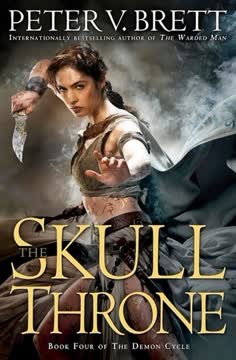
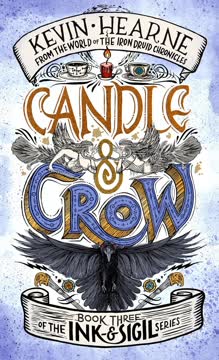
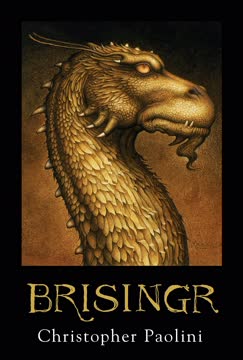

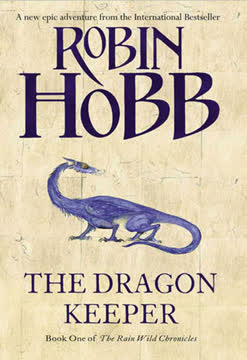


Characters
Sonea
Sonea stands at the heart of the narrative: a former slum girl turned Black Magician, a rare combination of humility, empathy, and formidable magical prowess. She is a healer in both the literal and cultural sense—running the city's hospices, but also advocating for justice and reconciliation within the Guild. Deeply traumatized by loss (from her lover Akkarin to ongoing classism), she bridges the city's disparate worlds: criminal, noble, and magical. Psychoanalytically, Sonea's strengths—courage, empathy, and resilience—come with vulnerabilities: guilt, over-responsibility, and a tendency to self-sacrifice. Her evolving attitude toward class, justice, and forbidden magic shapes both her personal arc and the destiny of Imardin.
Cery
Raised in Imardin's slums and now a seasoned Thief, Cery is defined by both street-smarts and loyalty, especially to Sonea. Driven by the loss of his family, he oscillates between ruthless pragmatism and moral lines he strives (sometimes unsuccessfully) not to cross. Grief fuels his pursuit of the magical killer, while his bond with daughter Anyi pushes him toward legacy, mentorship, and protection. Cery's growth is marked by adaptation in a changing criminal world and a rekindling of trust—however wary—with both old friends and new enemies.
Lorkin
Sonea's son, forged from privilege and pain, Lorkin exists in a liminal state: not quite noble, not quite street, always yearning for significance. Bright yet impulsive, he is haunted by his father's legendary deeds and mother's protective love. His psychoemotional journey is a search for purpose—complicated by dangerous infatuations, the allure of forbidden knowledge, and ultimately, the responsibility to atone for ancestral broken bargains. Lorkin transforms from a naïve assistant into a diplomat and risk-taker, discovering both personal and historical truths in Sanctuary.
Skellin
Skellin is the nexus of Imardin's criminal and magical underworlds—a brilliant, ruthless Thief who leverages roet and magic to build an empire. Son of the "Thief Hunter" rogue magician Lorandra, his psychological complexity borders on sociopathy: he is capable of loyalty but driven by a thirst for power and adulation. Skellin's ability to foster alliances and manipulate even the Guild puts him in constant tension with the city's balance; his cunning is rivaled only by his mother's deadly proficiency.
Tyvara
A spy and black magician of the Traitors, Tyvara moves between identities: house slave, loyal rebel, would-be assassin, and savior. Her psychoanalytic core is divided between duty, empathy, and loyalty to her divided people. Her relationship with Lorkin is both an opportunity and a risk—for him and for herself. Tyvara exemplifies the sacrifices required by rebellion and the psychological toll taken on those who navigate treacherous, shifting allegiances.
Dannyl
Once a rebel historian and now ambassador, Dannyl is guided by curiosity, compassion, and a desire to make sense of the past to protect the future. His psyche is marked by academia's detachment, yet he is emotionally connected to his friends and lovers, including ex-lover Tayend. Dannyl's analytic mind is balanced by a longing for meaningful partnerships—personal and diplomatic. His foray into Sachaka brings him face to face with moral ambiguity, hidden dangers, and the limits of diplomacy.
Regin
Regin evolves from Sonea's childhood tormentor into a Guild leader interested in reform and justice. His transformation is marked by increased self-awareness, a willingness to redress former wrongs, and a pragmatic view of power's responsibilities. Driven by class insecurities and a complicated sense of personal honor, Regin becomes an unlikely champion for necessary change within the Guild and a fierce defender of those in need.
Achati
Achati is both a representative of Sachakan authority and a subtle critic of its more barbaric practices (slavery, violence). Charming and intellectually curious, he is both attracted and threatened by foreign ideas and people. His guardedly open-minded nature allows for the possibility of transformation—but he's always careful to maintain his own status and the integrity of his nation.
Lorandra
As Skellin's mother and the notorious "Thief Hunter," Lorandra embodies destructive maternal power and obsessive loyalty. Her character is marked by cold calculation, an acceptance of violence as means to an end, and a willingness to manipulate even those closest to her. Haunted by the necessity of hiding her identity and power, she becomes both victimizer and victim, a tragic figure shaped by exile, survival, and longing for agency.
Anyi
Cery's daughter and eventual bodyguard, Anyi is the inheritor of legacy trauma—abandonment, survival, and fear. Her psychological development mirrors Imardin's youth: brash, eager to prove herself, and desperate to carve out her own place and strive for trust and relevance amid shifting powers. Through her, readers see the next generation's capacity for growth, reconciliation, and change.
Plot Devices
Hidden Identities and Double Lives
are central. Whether criminals hiding magical talents, magicians hiding forbidden loyalties, or societies masking entire populations, the device of secret identity is used to maintain suspense, advance plot, and explore the fluid moral boundaries between law and criminality. The technique invites empathy for even antagonists, demonstrating how necessity and survival dictate deception.
Parallel Narrative Structure
are masterfully woven: Cery's underworld investigation, Lorkin's journey-into-exile, Sonea's fight for institutional justice, and Skellin's rise set against the backdrop of Guild reform. This parallel structure amplifies the thematic resonance between personal and societal transformation; the stories at times dovetail, clash, or reflect one another, inviting readers to map connections across class, gender, and geography.
Societal Fracture as Catalyst
catalyzes action throughout. The collapse of both Thief hierarchy and magic caste systems allows for the possibility of new rules, but at a cost: an undercurrent of chaos and violence that threatens every player. This device, used for both tension and symbolic commentary, reflects the wider book's concern with the costs and opportunities inherent in upheaval.
Mystery, Foreshadowing, and Red Herrings
keep both characters and readers on edge. False leads (the wrong rogue, for example) force evaluations of trust, increasing engagement and reinforcing the theme of uncertainty. Frequent foreshadowing—through history lessons, dreams, and parallel journeys—prepares both reader and character for the inevitability of repeating the mistakes of history or, hopefully, breaking free.
Moral Choice and Non-Physical Conflict
are pushed to the forefront. Negotiations, debates, and trials matter as much as magical confrontations or assassinations. Characters are consistently confronted with impossible choices, with ambiguity favored over resolution, lending psychological realism and complexity. The plot structure uses these debates to recontextualize prior actions and invite character change.