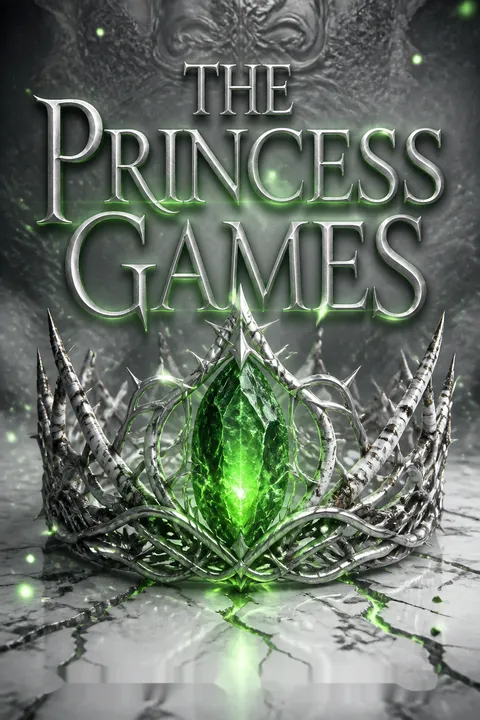

Plot Summary
Spotlight and Threats
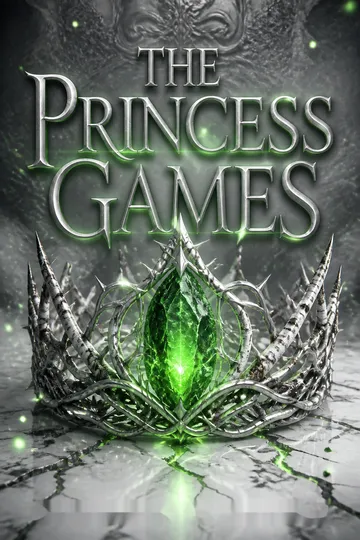
Zea, a Harvester girl, is thrust back onto the Princess Trials stage by Queen Damascena, her life hostage to royal games and darker secrets. Accused and isolated, surrounded by suspicion and nobles vying for power, Zea leans on Prince Kevon for support while knowing her every movement is manipulated for the nation's entertainment. The Queen's threats against Zea's family force compliance, and as Zea returns to the competition under a public spectacle, resentment, fear, and survival instincts all clash within her. The shadow games at court are deadly, and the message is clear: here, to lose, or even to appear defiant, is to die—or worse, to doom those you love.
Alliances of Necessity
With the Queen holding her family hostage, Zea must play a double game: aid Prince Kevon's search for a noble bride while protecting those she loves. As tension with fellow contestants boils over—old friendships fray, new alliances form out of sheer necessity, and the Trials' deadly nature becomes evident. Lady Circi's ambiguous loyalties and Zea's uneasy connections in the palace highlight the complex web of manipulations and underlying violence. Forced cooperation sifts friend from foe. Emotions run high; Zea steels herself for war as a new, more ruthless self emerges for survival, yet guilt gnaws underneath. A "contest" turns into a strategic battle with real, tragic stakes.
Deadly Games Begin
The first true challenge launches the girls into wild terrain, where danger from both animals and each other becomes literal. Betrayal and sabotage see Zea fighting for her life with unexpected help from Vitelotte, who proves herself resourceful and brutal. The game's rules shift: survive, or be destroyed for the entertainment of the ruling class. Zea learns who she can trust—if anyone—when alliances are born and die in the forest. Each round exposes the cruelty lurking beneath civilization and the contests meant to break spirits. The savage reality of Phangloria is unmasked, forever changing Zea's perception of what's at stake.
Blood in the Wilds
In the darkness of Phangloria's forests, the line between victim and perpetrator blurs. Girls hunt each other; alliances shatter in battles for survival. Attempted assassinations, owed favors, and brutal payback leave Zea and Vitelotte complicit in death. Guilt and trauma begin to set in—killing feels necessary, but Zea grapples with what she's becoming. Each decision echoes with permanent consequences, reshaping relationships, trust, and Zea's future. The experience forges Zea and her new friend into hardened survivors, but at the cost of part of their former selves.
Harvesters, Betrayal, Survival
As the trial ends, Zea and Vitelotte rescue Emmera from noble tormentors and sabotage the game for revenge. The trio's alliance tightens in adversity, and old bitterness starts to heal. But as the Palace manipulates public perception and frame-up footage circulates, Zea realizes her every move is weaponized against her in a carefully orchestrated narrative battle. Loyalty among Harvesters is tested by existential fear. The wounds—of both body and spirit—refuse to close, signaling the cost of survival in this world of lies and shifting allegiances.
Deaths, Lies, and Shifting Power
The aftermath of the trial is chaos: several girls dead or missing, the reality of violence sanitized or falsified for the public. Prince Kevon publicly moves to curtail physical trials, but the court's power struggles continue, and Zea's reputation is ever at risk, even as her inner feelings for the prince strengthen. Meanwhile, the political machinery of Phangloria turns, and Zea is trapped—loved and hated by different factions, manipulated for votes, and forced to participate in superficial displays that mask deeper rot. Every move is watched; every friendship or romance can be turned into a weapon.
Sacrifice and Separation
The Queen's threats escalate: Zea must sever emotional ties with Prince Kevon to protect her family, sacrificing her happiness for their safety. She wounds the prince with a cruel—though necessary—rejection that leaves both hearts broken, and herself adrift within the palace. Isolation deepens, with Cassiope, Forelle, and Georgette providing small, fleeting comfort. Masked by public spectacle, Zea's private pain is acute: love becomes a liability, and any wrong move spells death for those she cherishes. The Queen's power feels absolute, and Zea's place uncertain.
Unmasking Loyalties
As Zea unsuccessfully tries to fade into the background, the Queen orders her to steer Kevon toward a noble bride—using both threats and emotional blackmail. Meanwhile, Zea reconnects with Ryce Wintergreen, uncovering the manipulations of the Red Runners, and realizing those she trusted use her just as ruthlessly as the palace. Unexpectedly, Vitelotte's own allegiances and skills point to secret revolutionary networks embedded everywhere. Zea's vision of black-and-white loyalty shatters; survival means playing all sides, trusting almost no one.
Assassination and Aftermath
During a manipulated group date, Vitelotte attacks and nearly kills Prince Kevon. Zea, torn by guilt and determination, saves his life publicly—winning the adulation of the masses but the ire of the palace. Imprisoned and framed for assassination, Zea is caught in a web of suspicion and retaliation, powerless to prove her innocence or expose those truly responsible. Even victory in the Trials now feels Pyrrhic; each battle for love or truth triggers further violence or betrayal. The palace reveals itself as a stage for endless plots and counter-plots, and Zea's position grows ever more precarious.
Imprisonment, Secrets, Manipulations
Trapped in a cell, Zea faces psychological and physical torture, learning the costs of loyalty and compromise under threat of truth serums and blackmail. The Red Runners' influence, the palace's use of violence as spectacle, and the Queen's unyielding grip are all laid bare. Mouse and the Amstraadi ambassador appear as new, ambiguous forces, offering "help" at a moral price. Ultimately, Zea learns the power of secrets, confessions, and the horrifying reach of the Queen's vendettas. Vitelotte faces banishment; Zea herself is only spared for greater games ahead.
Revealing the Corrupt Core
The contestants are dragged, literally and figuratively, through the Barrens—an endurance trial of physical and moral survival. Zea endures life-threatening violence not just from "barbarian" outsiders, but from Phangloria's own twisted systems. The "games" serve to reinforce the hierarchy, breaking spirits and pitting oppressed against oppressed. When Zea chooses mercy over self-preservation, she is both rewarded and further endangered. The cruelty of spectacle and distortion of facts by the regime becomes a weapon as devastating as any blade.
Reforms and Resistance
Prince Kevon's reforms—most notably, increased water rations for Harvesters—hint at real hope for change, but prompt backlash from the entrenched elite. Zea's role shifts as she facilitates symbolic acts presenting Harvesters as the true backbone of Phangloria, fueling both hope and more fierce opposition. The Queen maneuvers constantly to manipulate, coerce, and threaten, but Zea, more and more, finds power not in open rebellion, but in quiet, clever resistance, alliances, and the growing support of ordinary people and a few principled allies within the system.
Beyond the Great Wall
The Trials take Zea—and select girls—beyond Phangloria's Great Wall, facing real wildness and the manufactured horrors of "devils" and "outcasts" as proof of the system's necessity and justice. Yet Zea recognizes propaganda at work, and her compassion drives her to rescue outsiders, even at personal risk. The "enemy" proves all too human, and rescue becomes revolution. Facing manufactured monsters, Zea's defining choice is to save lives instead of score points, separating her from both the palace's brutality and the more rigid elements of the rebellion.
The Choice to Save
When tasked to save "undeserving" outsiders chased by both wild men and palace guns, Zea defies orders and risks everything for the stranger Thomas—redefining what it means to be a queen, a hero, or a pawn. Her actions alienate the palace but win her new respect and new enemies. The moment is one of personal revolution, asserting the legitimacy and humanity of all—an act that, by the logic of Phangloria, makes her an existential threat, forcing a reckoning that ripples to the book's climax.
The Queen's Final Play
Zea is forced to participate in cruel spectacles staged by the Queen—games where she must betray herself or let loved ones die horribly. Using her family as leverage, Queen Damascena forces confessions, fabricates evidence, and uses technological and psychological torture to destroy Zea's reputation and relationships. Even Prince Kevon's love is not strong enough to withstand the Queen's manufactured confessions. The system's corruption and ability to twist the truth proves total: Zea is broken, banished, and exiled, her love shattered and her family nearly lost.
Revolution in the Temple
The Queen's tyranny provokes open, coordinated rebellion: the Red Runners seize control, aided by the Amstraadi; the ruling class and Trials are overtaken with gas and violence. Zea, now infamous, is cast out and made a scapegoat, even as those she once hated—Ryce, Carolina—reveal themselves as revolutionaries. The betrayal is complete: Zea has survived every ordeal, only to be plunged into greater chaos. As power collapses and a new order rises, Zea must find her purpose outside of the games, the palace, and the illusions of the rebellion.
Aftermath of Abdication
Prince Kevon, to spare Zea, abdicates—damning himself and the hope of peaceful reform. Zea spirals between despair and exhaustion, recognizing that her sacrifices have protected her family but doomed herself and perhaps Phangloria. The Queen, now regent, celebrates, but her personal triumph is hollow. The book closes on the wreckage of utopian dreams: the people's suffering continues, the games begin anew, and Zea, broken and fugitive, is left to contend not only with her enemies but with the devastating ambiguity of her own victories and defeats.
Escape and Exile
Zea escapes Phangloria with help from the Thymels and other unlikely allies. The oppression she faced and the revolution she unwittingly helped spark are all still raw. Having lost love, status, and home, Zea must rely on wit, resourcefulness, and the shreds of support remaining. With the Red Runners now in power—corrupt in their own ways—Phangloria remains unstable and dangerous. Zea's journey toward hope and justice is far from over; the ultimate battle will happen not in the palace games, but in the struggle for the soul of a nation longing for peace and fairness.
Analysis
A dystopian spectacle for an era of manufactured realityThe Princess Games is less a romance or adventure than an unflinching exploration of power's workings through spectacle, surveillance, and the weaponizing of intimacy. At its core, the novel asks what survival is worth in a world where lies are currency, confessions are coerced, and every personal allegiance is open to manipulation. Zea's arc dismantles the fantasy of meritocracy: "Trials" are only ever recipes for suffering, their justice as hollow as their entertainment is addictive. The obsessive focus on loyalty, love, and resistance is never clean: rebels become perpetrators, the abused inflict more pain, and every victory is double-edged. Castel's story is prescient in an era of viral spectacle, regime gaslighting, and the commodification of trauma; it's a parable of how fascisms—old and new—demand both complicity and endless performance from their subjects. Yet the glimmers of hope—the refusal to accept easy answers, Zea's will to endure, the possibility that love, however fragile, might outlast the game—offer a sliver of subversive optimism. The lesson is clear: the most dangerous rebellion is not the one shouted, but the quiet insistence on dignity and genuine connection in a world ravenous for blood and spectacle.
People Also Read
Characters
Zea-Mays Calico
Zea, a Harvester girl, is driven by loyalty to family and an aching sense of justice. Catapulted from oppressed obscurity into the glare of the Princess Trials, she is repeatedly manipulated, threatened, and cornered by powerful figures—especially Queen Damascena and revolutionary allies alike. Over time, Zea transforms from a naively hopeful fighter into a psychologically complex survivor, continually forced to choose between love, betrayal, and survival. Throughout her journey, guilt from violence—especially acts committed in self-defense or under duress—and trauma over lost innocence etch deeply into her psyche. Her relationships are colored by suspicion, as those she serves and those who claim to serve her (including the Red Runners) repeatedly use and sacrifice her. Zea's defining struggles are with trust, autonomy, and her ability to maintain hope and principle in a system designed to crush both. Her romantic connection with Prince Kevon, at once liberating and perilous, remains at the heart of her journey—a love both weaponized by others and a fragile bulwark against despair.
Prince Kevon
The prince of Phangloria, Kevon is earnest, compassionate, and searching to transcend his birthright's corruption. He quickly forms a heartfelt (and public) bond with Zea, risking his role and safety for her—from advocating for reforms (doubling Harvester water rations) to defying his mother's murderous machinations. Kevon is torn between the expectations of his station, a desire for real, systemic change, and his deep affection for Zea. He is brave but sometimes naive, trusting in the possibility of personal virtue to save a broken system. His tragic flaw lies in underestimating the entrenched interests (the Queen, Ministers) and overestimating the power of good intentions within a world built on spectacle, violence, and betrayal. In the end, his willingness to sacrifice power for Zea's life is both his greatest act of love and a surrender to the system's brutality.
Queen Damascena
The Queen of Phangloria embodies the monstrous heart of the old order: ruthless, controlling, and supremely manipulative. She orchestrates deaths, emotional torture, and spectacle, using threats and violence to maintain her power—especially against Zea and Kevon. Psychologically, Damascena is driven by bitterness, resentment, and an obsession with legacy; her every move is calculated, her cruelty practiced. She treats all bonds as negotiable leverage, even those with her own son. Her ability to twist reality, using propaganda, fabricated evidence, and outright murder, is absolute. She is both the product and architect of an Echelon system rooted in spectacle, exploitation, and fear. Her psychological hold over Zea and Kevon is both personal and symbolic, her eventual Pyrrhic victory revealing the emptiness at the core of tyranny.
Vitelotte Solar
Initially an overlooked Harvester contestant, Vitelotte proves herself brilliant, resourceful, and shockingly ruthless when survival—and loyalty—demand it. Her alliance with Zea is fraught with both genuine gratitude and political calculation; beneath a veneer of solidarity lies the reality that revolution requires moral sacrifices. Her actions (from saving Zea in the wilds to stabbing the prince) are shaped by pain and the imperative to protect her own family and class. Ultimately, she embodies the ambivalence and trauma of the oppressed, forced to become what they hate in order to survive and resist.
Ryce Wintergreen
Once Zea's childhood crush and a leader in the Red Runners, Ryce is charismatic, damaged, and ultimately revealed as no less manipulative than his noble enemies. His care for Zea masks instrumental motives—using her suffering and acts as levers for the revolution. His embrace of "the cause" enables betrayals and emotional abuse, and his professed love is ultimately another weapon. Psychologically, he is driven by loss and trauma, but his inability to see Zea as more than a pawn for change renders him tragic, and his revolution ethically compromised.
Forelle Pyrus
Zea's closest friend from home, Forelle is a figure of unwavering—if sometimes naive—support and kindness. She is the emotional anchor and the persistent reminder of home, hope, and warmth amid the trial's violence. Despite her secondary role in the Palace's machinations, her own emotional development is marked by growing skepticism and maturity, especially as she navigates dangerous new relationships (notably with Garrett).
Mouse (Colonel Mouse)
An Amstraadi whose allegiances are mysterious, Mouse alternates between providing cryptic help and playing dangerous games. He is both observer and actor, enjoying the spectacle and disruption embedded in Phangloria's suffering, and is instrumental in aiding (and endangering) Zea. His emotional detachment, wit, and ambiguous morality position him as both potential ally and threat, an avatar for outside powers invested in the ongoing performance of suffering and control.
Garrett
Kevon's cousin and Forelle's romantic interest, Garrett is notable for his decency and his own fraught place within Phangloria's hierarchy. While supportive, he's trapped between loyalty to family, love for Forelle, and his own conscience. He provides practical aid to Zea but must navigate the dangerous politics of Noble and royal intrigue, making his loyalty costly and his love for Forelle uncertain in the regime's twilight.
Ambassador Pascale
The Amstraadi ambassador is cunning, self-interested, and uses Zea as a pawn to advance his nation's interests, notably negotiating agricultural and technological exchanges through emotional blackmail. Psychologically, he is cold and calculating, viewing the trauma and drama of Phangloria as both marketable entertainment and a political opportunity. His "help" is always laced with conditions, and he is uniquely positioned to exploit both sides' weaknesses for his own ends.
Dr. Bernice Ridgeback
The mother of a slain competitor, Dr. Ridgeback embodies the capacity of personal grief to fuel systemic cruelty. She transitions from impartial authority (the palace physician) to a tool in the Queen's vendetta, weaponizing science (drugs, implants, forensic evidence) to inflict suffering on Zea and Kevon. Her loyalty to the regime is secured by loss, turning her trauma outward, and making her one of the most dangerous and conflicted secondary antagonists.
Plot Devices
The Spectacle as Control
The Princess Trials themselves—publicly broadcast, deadly games of romance and violence—are a plot device that both distracts and disciplines Phangloria's population. The manipulation of footage, falsification of events, and staged deaths serve both as literal entertainment and as cautionary tale—a means for the Queen and the palace to wield ideological power. Throughout the narrative, spectacle replaces truth: love turns to propaganda, violence into ratings, and every relationship or act is reframed for public consumption, blurring reality and manipulation until resistance becomes almost impossible to distinguish from the regime's own violence.
Psychological and Physical Torture
Both Zea and other contestants are kept compliant through ongoing threats, torture, and technological surveillance (truth serums, pharmaceuticals, forced confessions). The threat to family is a recurring trope, as are public shamings, staged trials, and emotional blackmail. These methods not only enforce obedience but are instrumental in breaking (and thus rebuilding) character identities, making each protagonist's psychological arc a battlefield for power.
False Alliances and Double Agents
The narrative structure relies on alliances that shift as necessity demands, with revolutionaries, palace allies, and foreign agents frequently swapping roles. Vitelotte's arc, in particular, exemplifies the instability of trust in a system designed to pit survivor against survivor; the power of masking true allegiance is both a shield and a sword. This uncertainty heightens suspense, pushes characters to moral extremes, and reflects the disintegration of community under oppressive systems.
Extrinsic and Intrinsic Motivations
Key arcs—Zea's love for her family, Kevon's for Zea, Vitelotte's for survival—repeat the dilemma of principle versus self-preservation. External threats (threats to family, threats of execution or exile) force repeated sacrifices, but also the slow radicalization or corruption of each character. Decisions become less about what is "right" and more about what can be survived, and whether survival itself constitutes complicity or resistance.
Revolution as Both Hope and Threat
The uprising, when it arrives, is as ruthless and ethically ambiguous as the regime it replaces. The Red Runners' revolution, meant to be Zea's salvation and the people's hope, is itself stained by secrecy, manipulation, and a willingness to inflict mass suffering for victory. The plot uses revolution not as a utopian endpoint, but as a new iteration of Phangloria's cycle of spectacle, betrayal, and exploitation.
Embedded Foreshadowing and Manufactured Outcomes
The narrative is laced with foreshadowing: early references to past queens' fates, to failed reforms, and to the "games" never truly ending. Zea's "choices" are frequently revealed as manipulated or pre-destined—by the Queen, by the Amstraadi, or by the needs of spectacle. The illusion of agency is itself a device, producing ongoing tension as characters oscillate between rebellion, complicity, and despair.
The Princess Trials Series Series
Download PDF
Download EPUB
.epub digital book format is ideal for reading ebooks on phones, tablets, and e-readers.








































