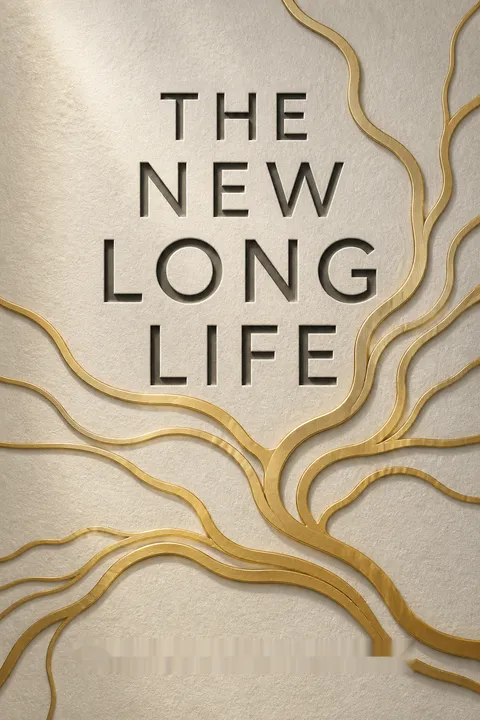

Key Takeaways
1. Technological Progress Outpaces Social Adaptation, Creating Anxiety.
We are living through a period where the gap between technological and social ingenuity is growing wider.
Rapid advancements. Human ingenuity has historically driven progress, but today's technological leaps in Artificial Intelligence (AI) and robotics are unprecedented, fueled by exponential growth in computing power (Moore's Law), bandwidth (Gilder's Law), network value (Metcalfe's Law), and combinatorial innovation (Varian's Law). These advancements promise new possibilities but also spark fears of job displacement and existential threats, a phenomenon dubbed the "Frankenstein syndrome." For instance, autonomous vehicles threaten millions of driving jobs, and AI like AlphaGo Zero demonstrates machines learning strategies beyond human capability.
Social lag. While technological ingenuity races ahead, social ingenuity—our collective ability to devise new ways of living, adapt institutions, and reshape norms—lags behind. This creates a period characterized by anxiety, transition, and social experimentation, as existing social forms struggle to keep pace with new realities. The historical pattern shows that progress is often painful and tumultuous for individuals and society when this gap appears, as seen during the agricultural and industrial revolutions.
Call to action. To harness technology and longevity for human flourishing, we must actively bridge this gap. This requires individuals to become "social pioneers" by questioning norms, experimenting with new lifestyles, and building deeper insights, while institutions like governments, education, and corporations must also rise to the challenge of social ingenuity. The goal is to ensure that technological triumphs lead to human progress, not misery, by proactively shaping our future.
2. Longer Lives Demand a Multistage Life Redesign, Not Just More Years.
If this trend continues, then children born today in the developed world have a more than 50 per cent chance of living past a hundred.
Longer, healthier lives. Human ingenuity has dramatically increased life expectancy, with children born today having a significant chance of living to 100. This isn't just about extending frailty; the majority of these added years are healthy, effectively extending late middle age and early old age. For example, a 71-year-old like Clive is much fitter than his parents were at that age, looking forward to many more active years.
Outdated three-stage life. The traditional "three-stage life" of full-time education, followed by full-time work, and then full-time retirement, is no longer viable for a 100-year lifespan. This model creates "pinch points" in midlife, where individuals like Estelle, a single parent working multiple jobs, juggle career, family, and eldercare, leading to stress and low psychological well-being. The financial assumptions of this model are also broken, with pensions designed for much shorter lifespans.
Embrace multistage living. A "multistage life" with more frequent transitions and redistributed activities is essential. This means lifelong learning, flexible career paths, and integrating leisure throughout life, rather than deferring it all to retirement. Hiroki, in his twenties, cannot imagine a single career path like his father's, realizing he needs to explore and adapt over a potentially 60-year career.
3. Reimagine Age as Malleable, Not Fixed by Chronological Milestones.
The narrative of the ‘aging society’ is based purely on chronological measures of age, so concludes that there are simply more old people.
Beyond chronological age. The concept of age is multifaceted, encompassing chronological, biological, sociological, and subjective dimensions. Relying solely on chronological age, as society often does, is fundamentally misleading and produces age stereotyping. For instance, while the UK population's average chronological age has risen, its average mortality rate has fallen, meaning people are "younger" in terms of years left to live.
Malleability of aging. How we age is profoundly influenced by our actions and beliefs, with only a quarter being genetically determined. This malleability means that what you can do at each age isn't fixed by the number of candles on your birthday cake. Embracing this idea encourages forward-looking perspectives and investments in future health, skills, and relationships, rather than being "old before your time."
Challenging stereotypes. Outdated social norms and stereotypes about age, such as the assumption that older workers are less productive or capable of learning, hinder individual flourishing and societal progress. These stereotypes are often based on past educational policies or physical demands of jobs that no longer apply. For example, a 78-year-old today has the same mortality rate as a 65-year-old in 1922, highlighting the need to adjust for "age inflation" in our perceptions.
4. Adopt a Long-Term Perspective on Time to Maximize Life's Investments.
The longer your life the more future you have and so it makes sense to give it a greater weight as you think about the choices you face.
Overcoming present bias. In a longer life, adopting a "bird's-eye perspective" on time, where all moments (past, present, future) appear equally important, is crucial. This contrasts with the "hilltop perspective" or "present bias," which prioritizes immediate gratification. A long-term view encourages patience and a willingness to invest in future options, such as learning new skills or spending time with family, knowing the benefits will compound.
The magic of compounding. The principle of compound interest extends beyond finance to investments in skills, health, and relationships. Starting early allows these "intangible assets" to grow significantly over a longer lifespan. For example, investing in reskilling at 55 makes more sense if you expect to work until 75, as there's a longer period for the investment to pay back.
Redistributing time and creating slack. A multistage life offers the opportunity to redistribute activities like education, work, and leisure across the entire lifespan, reducing "pinch points" and stress in any single stage. However, scarcity of resources, like Estelle's financial struggles, can lead to "tunnelling," where immediate problems dominate thinking and hinder long-term planning. Building "slack"—a buffer of resources or time—is essential to counteract this and enable better future decisions.
5. The Nature of Work is Shifting, Requiring Continuous Skill Transformation.
It is this combination of ability and intent, replacement and augmentation that means, regardless of whether you are a cashier, a truck driver, a lawyer or a financial advisor, the nature of your job will change profoundly.
Automation's complex impact. While fears of a "robot apocalypse" are prevalent, the impact of automation on jobs is nuanced. Technology often augments human capabilities rather than completely replacing jobs, as most jobs comprise multiple tasks, only some of which are automatable. For instance, Tom the truck driver may find his highway driving tasks automated but could transition to "co-pilot" or urban navigation roles.
Displacement and productivity effects. Automation creates a "displacement effect" by replacing tasks, but also a "productivity effect" by making workers more efficient and profitable, leading to new job creation. Historically, the introduction of spreadsheets led to the loss of bookkeeping jobs but created more accounting jobs. The challenge lies in the significant shift in required skills, as not every book clerk became an accountant.
New job categories and human skills. The future will see demand for new, complex roles in AI (trainers, explainers, sustainers) and a surge in jobs requiring uniquely human skills like:
- Social interaction, caring, and empathy
- Management and leadership
- Creation and innovation
- Fitness coaches, life coaches, artists, designers, entertainers
Ying, a 55-year-old accountant, faces redundancy due to automation but can reskill to become a career coach, leveraging her crystalline intelligence and human skills.
6. Fluid Careers and Flexible Work Models are Essential for Future Flourishing.
Working into your seventies, and possibly in some capacity into your eighties, looks set to eventually become the norm as careers elongate and become more fluid.
Elongated working lives. With increased longevity, individuals like Tom and Madoka will likely work into their seventies or even eighties to finance their longer lives. Governments are already raising pension ages, and many people are choosing to "unretire" or work longer, finding that continued engagement can extend healthy living.
Redistributed leisure. A multistage life allows for the redistribution of leisure time throughout life, not just at the end. This could mean gap years, sabbaticals, or a four-day working week, which is becoming more feasible as technology boosts productivity. This flexibility helps alleviate midlife pressures and allows for more time with family or community engagement.
Rise of alternative work. Contingent work, including freelancing (like Radhika), temporary work, and gig work, will become more prevalent. While offering autonomy and flexibility, these roles often lack traditional benefits like pensions or health care, creating financial insecurity. Companies are beginning to recognize the need to support these workers, viewing them as "bench strength" rather than just temporary labor.
7. Deepening Family and Community Relationships is Key to Cohesion in a Changing World.
It seems that connecting with others is fundamental to a good life and having the means to cope with the challenges that life creates.
Evolving family structures. Longevity and changing social norms are reshaping families from a "pyramid" to a "beanpole" shape, with more generations alive and fewer children. People are marrying later, having fewer children, and increasingly choosing single life. This creates new dynamics, such as more adult children living at home and increased responsibilities for caring for aging parents and grandparents.
Interdependence in partnerships. For couples like Hiroki and Madoka, forging "career + career" partnerships requires heightened interdependence, constant negotiation, and mutual trust, as traditional gender roles and social norms diminish. This "secure base" allows both partners to pursue meaningful work and share family responsibilities, providing crucial support in navigating multistage, non-linear careers.
Community in flux. Our community interactions are increasingly virtual, risking segregation and dilution of traditional local ties. While technology offers new ways to connect, it's vital to ensure these supplement, rather than replace, face-to-face relationships. The rise of single-person households and economically segregated neighborhoods highlights the need for social ingenuity to create new communal spaces and foster a stronger sense of place.
8. Intergenerational Empathy is Vital to Bridge Divides and Share Burdens.
The danger is they seek to emphasise differences rather than commonality and so create intergenerational conflict rather than intergenerational cohesion.
Generational divides. The shift to longer lives and rapid technological change is creating tension between generations, particularly regarding economic burdens and opportunities. Younger generations often face higher housing costs, less secure careers, and contribute to pensions for older generations who enjoyed more stable three-stage lives. This can lead to feelings of "rougai" (harm inflicted by the elderly) and political cleavages.
Beyond generational labels. While generational labels (Baby Boomers, Millennials, Gen Z) are common, they often oversimplify complex realities. Empirical analysis shows that variations within a generation are often greater than differences between average generations. These labels can be "demographic astrology," fostering stereotypes and hindering intergenerational understanding, rather than recognizing shared contemporary challenges.
Forging empathy and mutual benefit. Building intergenerational empathy is crucial to avoid "generational war" and leverage the benefits of diverse age groups. Initiatives like intergenerational housing or "Writing Back" pen-pal programs foster connections, combat loneliness, and facilitate knowledge exchange. Older individuals can mentor the young, while younger generations bring energy and new perspectives, creating a "true fountain of youth" through mutual support and lasting legacies.
9. Corporations Must Champion Multistage Careers, Flexibility, and Lifelong Learning.
Currently too many corporate policies are incompatible with human flourishing.
Enable multistage lives. Corporate practices are deeply embedded in the three-stage life model, with rigid entry points and promotion ladders. To support multistage lives, companies must create multiple entry points for talent of all ages, value "gaps" in CVs as periods of exploration, and offer opportunities to ramp up and down work commitments. This requires shifting from vertical to horizontal career progression and refashioning retirement from a "cold shower" to a "warm bath" through phased transitions and flexible pay structures.
Support healthy and happy families. Corporate policies often penalize those who prioritize family, particularly working mothers, leading to significant "child penalties" in earnings. To foster fulfilling lives, companies must support fathers in taking active parenting roles (e.g., generous paternity leave) and accommodate caring for elderly relatives (e.g., carers' leave). Creating a culture of flexibility, where flexible work doesn't come with a financial penalty, is vital for combining work and family.
Champion lifelong learning and ditch ageism. Companies must actively champion a learning environment, moving from "consuming work" to "creating talent." This involves investing in digital learning platforms, sponsoring educational breaks, and retraining existing workforces, as seen at companies like Unilever and AT&T. Crucially, corporations must ditch ageism, which is often based on outdated stereotypes about older workers' productivity and learning capacity, and instead leverage their crystalline intelligence and collaborative skills.
10. Governments Must Rewire Policies to Support a Longevity Economy and Inclusive Transitions.
Government policy must instead address the reality of a multistaged hundred-year life where a firm’s value is derived from intangible rather than tangible assets, and where a substantial part of work will be in flexible jobs.
Insure the person, not the job. Governments must shift from protecting specific jobs to protecting workers, enabling transitions rather than hindering technological progress. Policies like Denmark's "flexicurity" model offer significant unemployment benefits and retraining, supporting workers through job changes. This approach fosters a high-wage, high-productivity economy while providing a safety net for individuals like Estelle, who might need to reskill.
Address inequality and "bad jobs." Rising inequality, exacerbated by automation disproportionately affecting low-skilled jobs, requires government intervention. While Universal Basic Income (UBI) is debated, other solutions include converting income support into wage or start-up subsidies, and supporting small- and medium-sized enterprises less prone to automation. Governments must also regulate against "bad jobs" in the gig economy, ensuring basic rights and benefits for contingent workers, and encouraging technology to augment human skills rather than simply replace them.
Promote healthy aging and a longevity economy. Governments must prioritize preventative healthcare, funding aging research, and shifting health systems from illness intervention to wellness. They should also use cohort measures of life expectancy to encourage citizens to prepare for longer lives. Critically, governments must reject outdated metrics like the old-age dependency ratio, which fuels intergenerational conflict, and instead focus on creating a "longevity economy" that leverages the productivity of older, healthier workers. This requires rewiring institutions to overcome "age stickiness" and ensure policies support longer, productive careers for all.
Review Summary
Reviews for The New Long Life are generally positive, averaging 3.69 out of 5. Readers appreciate the book's thought-provoking exploration of longevity, automation, and the need to rethink traditional life stages. Many find it a useful conversation starter for individuals, companies, and policymakers. Common praise highlights its scientific foundation and actionable insights. Criticisms include an awkward structure, repetitive ideas, overly theoretical examples, and content that feels more relevant to policymakers than individuals. Despite mixed feelings about depth and focus, most readers find its core concepts worthwhile and reflective.
People Also Read









Download PDF
Download EPUB
.epub digital book format is ideal for reading ebooks on phones, tablets, and e-readers.








































