Plot Summary
Suburban Perfection Shattered
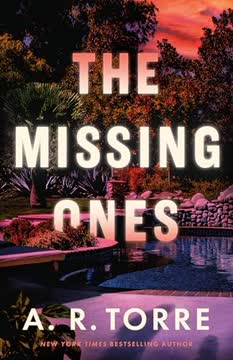
In the exclusive, manicured enclave of Crestmore Estates, the illusion of safety and order is violently disrupted when a human bone is discovered on the golf course. The police descend, and the community's carefully curated façade begins to crack. For Andrea Kendal, Sara Batcher, and Katie Morrow—the wives of three people who vanished five years ago—the past they've tried to bury resurfaces. The neighborhood's wealth and privilege can't shield them from the scrutiny or the memories of that fateful summer. As the investigation intensifies, the wives are forced to confront the secrets they've kept and the roles they played in the tragedies that haunt them.
Ghosts of the Missing
Five years earlier, three residents of Crestmore—Roxanne Kendal, David Batcher, and Willow Morrow—vanished under mysterious circumstances. Their spouses, Andrea, Sara, and Mark, were left to navigate suspicion, grief, and the relentless curiosity of their neighbors. The community moved on, but the wives never forgot. Now, with the discovery of human remains, the ghosts of the missing return, demanding answers. Each woman is forced to relive the trauma, guilt, and uncertainty that has shaped her life since that summer, as the police and the public look for someone to blame.
Secrets Behind Closed Doors
As police comb the neighborhood, the wives' private lives are exposed. Andrea, the "trophy wife," struggles with her identity and her husband Eric's lingering devotion to his first wife, Roxanne. Sara, the driven entrepreneur, is haunted by her husband David's addiction and their toxic marriage. Katie, Mark's second wife, is plagued by insecurity and the ever-present shadow of Willow, the glamorous ex who disappeared. Each woman's carefully constructed world is threatened as old secrets and new suspicions collide, and the line between victim and perpetrator blurs.
The Trophy Wife's Dilemma
Andrea Kendal's life appears perfect: a beautiful home, two children, and a successful husband. But beneath the surface, she battles anxiety, the judgment of her neighbors, and the legacy of Roxanne's disappearance. Andrea's own history is a patchwork of reinvention, shaped by trauma and the need to escape her family's criminal ties. As the investigation circles closer, Andrea fears exposure—not just of her husband's possible involvement in Roxanne's fate, but of her own carefully hidden past. Her marriage, motherhood, and very identity are at risk.
Gossip and Suspicion
In Crestmore, gossip is currency. The wives gather at playgrounds and country clubs, dissecting every detail of the investigation and each other's lives. Suspicions swirl around Eric, Mark, and even Sara, as the community speculates about motives, affairs, and hidden violence. The police, aware of the neighborhood's insularity, press the spouses for alibis and inconsistencies. The wives, in turn, become both suspects and detectives, desperate to protect themselves and their families from scandal and legal peril. Trust erodes, and alliances shift as the pressure mounts.
Bones Unearthed
The police confirm the bone is human and begin a systematic search of Crestmore's lakes and ponds. The wives are questioned, their homes and properties scrutinized. Sara is convinced the remains are David's, while Andrea fears they belong to Roxanne. Katie, meanwhile, is drawn into the investigation when police request access to her property's pond. The discovery forces each woman to confront the unresolved grief and guilt of the past, as well as the lies they've told themselves and others to survive.
Marriages on the Edge
The investigation exposes the fault lines in each marriage. Andrea and Eric's relationship is strained by suspicion and the ever-present memory of Roxanne. Sara, long isolated by her husband's disappearance and addiction, finds herself both a suspect and a survivor. Katie's marriage to Mark is tested by the reemergence of Willow, whose absence—and sudden return—threatens to unravel everything. The wives must decide how far they'll go to protect their husbands, their children, and themselves, even as the truth threatens to destroy them all.
The Ex-Wife Returns
Just as the investigation reaches a fever pitch, Willow Morrow—long presumed dead—returns to Crestmore. Her arrival shocks Katie and Mark, and sends ripples through the community. Willow's presence is both a relief and a new source of anxiety: she can clear Mark of suspicion, but her own secrets and the toxic dynamics of her marriage with Mark resurface. For Katie, Willow is both a rival and a warning, forcing her to confront uncomfortable truths about her husband and her own place in his life.
The Body in the Lake
Forensic analysis confirms the remains are those of David Batcher. The police shift their focus to Sara, whose marriage to David was marked by addiction, infidelity, and escalating conflict. Sara's history of medicating David to manage his moods becomes a potential motive, and she is forced to defend herself against accusations of murder. The community, eager for closure, is quick to judge, but the truth is more complicated than anyone suspects. The revelation of David's fate brings both relief and new dangers for the wives.
Interrogations and Alibis
Detectives intensify their questioning, probing inconsistencies in the wives' stories and timelines. Andrea and Eric are grilled about their whereabouts and connections to the other missing persons. Sara's attorney coaches her to be cautious, but the weight of suspicion is crushing. Katie, caught between Mark and Willow, is forced to choose where her loyalties lie. The police, frustrated by the lack of clear evidence, resort to psychological tactics, hoping to break the wives' resolve and uncover the truth behind the disappearances.
The Truth About Willow
Willow's return is not the simple homecoming it appears. Her marriage to Mark was marked by volatility, domination, and mutual destruction. She reveals to Katie that she left not out of fear for her life, but because she and Mark's relationship had become dangerously toxic. Willow's knowledge of what happened to David—and her role in the events of that night—becomes a pivotal piece of the puzzle. Her presence forces Katie and Mark to confront the reality of their own marriage and the legacy of violence and secrecy they've inherited.
The Past Resurfaces
As the investigation into David's death stalls, attention shifts back to the other missing persons. Andrea's transformation from Roxanne's friend to Eric's wife is scrutinized, and her elaborate reinvention is threatened by the possibility of exposure. Sara, though cleared of immediate suspicion, is left to grapple with the moral consequences of her actions. Katie, armed with new knowledge about Mark and Willow, must decide whether to stay and fight for her marriage or walk away. The past refuses to stay buried, and the wives must reckon with the choices that brought them to this point.
The Pact of Silence
The wives, each in their own way, are complicit in the events that led to the disappearances. Andrea and Eric's elaborate plan to fake Roxanne's death and reinvent her as Andrea is revealed. Sara's role in David's decline and death is acknowledged, if not prosecuted. Willow and Mark's involvement in David's fatal night is hinted at, their silence a mutual protection. The women are bound by secrets, guilt, and the knowledge that the truth would destroy not just their lives, but those of their children and loved ones.
The Price of Reinvention
Andrea's journey from Roxanne's friend to Eric's wife is a testament to the power—and peril—of reinvention. Her physical transformation, orchestrated to escape her family's criminal legacy and protect her unborn child, comes at the cost of her identity and peace of mind. Sara, forced to confront the reality of her marriage and her own capacity for harm, must decide whether to seek redemption or continue the cycle of denial. Katie, faced with the truth about Mark and Willow, must choose between self-preservation and complicity.
The Dangerous Game
The relationships at the heart of Crestmore are defined by power dynamics, manipulation, and the dangerous allure of control. Mark and Willow's marriage was a game of domination and submission that spiraled into violence and tragedy. Andrea and Eric's partnership is built on mutual need and shared secrets. Sara's attempts to manage David's addiction and moods blur the line between care and harm. The wives learn that survival in Crestmore requires both strength and the willingness to play dangerous games with the truth.
The Night David Died
In a series of flashbacks, the truth of David Batcher's death is revealed. Invited to Mark and Willow's home for a night of sexual experimentation, David is drugged and subjected to dangerous games. An accident—or perhaps a fatal combination of drugs and stress—leads to his death. In panic, Mark and Willow conspire to dispose of his body in the lake, weighing it down to prevent discovery. Their actions, driven by fear and self-preservation, set in motion the chain of events that will haunt all involved for years to come.
The Disappearance of Roxanne
Roxanne, pregnant and terrified of her family's criminal legacy, conspires with Eric to fake her own death. With the help of a trusted friend, she stages a bloody crime scene and disappears, undergoing a series of surgeries to become Andrea. The plan is both an act of liberation and a profound loss—of identity, family, and the possibility of a normal life. Andrea's new existence is built on lies, and the threat of exposure is ever-present. Her transformation is both her salvation and her curse.
The Final Confessions
As the investigation winds down, the wives are left to pick up the pieces. Sara is cleared of murder but must live with the knowledge of her role in David's demise. Andrea and Eric's secret remains safe, but the cost is a life lived in fear of discovery. Katie, now a mother, chooses to stay with Mark, armed with the knowledge of his past and the power it gives her. Willow disappears once more, leaving behind a legacy of chaos and warning. The missing ones are not just the dead, but all those who have lost themselves in the pursuit of survival.
Analysis
A modern parable of privilege, complicity, and the cost of secretsThe Missing Ones is a razor-sharp dissection of suburban privilege and the lengths to which people will go to protect their status, families, and self-image. Through its interlocking mysteries and deeply flawed characters, the novel explores the corrosive effects of secrets, the dangers of unchecked desire, and the impossibility of true reinvention. The wives of Crestmore are both victims and perpetrators, shaped by trauma, ambition, and the relentless pressure to maintain appearances. The book interrogates the myth of the perfect community, revealing the violence and desperation that lurk beneath the surface. Ultimately, it suggests that survival in such a world requires both complicity and courage—and that the missing ones are not just those who vanish, but all who lose themselves in the pursuit of safety, love, or power. The lesson is clear: the past cannot be outrun, and the truth, however painful, is the only path to freedom.
Review Summary
The Missing Ones receives an average rating of 3.77 stars, with readers praising its fast-paced short chapters, multiple POVs, and juicy suburban drama set in a wealthy gated community. Many compare it to Desperate Housewives and Big Little Lies. Fans love the gossip-style chapter openers and unexpected twists, though some found the characters difficult to distinguish and felt the suspense was mild. High-rating reviewers called it unputdownable, while lower-rating readers felt it lacked excitement and found the ending unsatisfying.
People Also Read






Characters
Andrea Kendal
Andrea is the quintessential "trophy wife" of Crestmore—beautiful, poised, and seemingly perfect. But beneath her polished exterior lies a woman forged by trauma and desperation. Formerly Roxanne Kendal, she faked her own death to escape her mafia family and protect her unborn child, undergoing extensive surgeries and adopting a new identity. Her marriage to Eric is both a love story and a pact of mutual survival, haunted by the memory of his first wife and the ever-present threat of exposure. Andrea's journey is one of self-reinvention, but also of profound loss—of family, identity, and peace. Her psychological complexity is rooted in her need for safety, her guilt over the past, and her fierce love for her children.
Sara Batcher
Sara is a driven, successful entrepreneur whose marriage to David was marked by addiction, emotional distance, and escalating conflict. When David disappears, Sara becomes both a suspect and a pariah, forced to defend herself against the community's suspicions and her own conscience. Her coping mechanisms—control, checklists, and, at times, medicating her husband—blur the line between care and harm. Sara's psychological arc is defined by her struggle to reconcile her actions with her intentions, her longing for closure, and her fear of being exposed as complicit in David's death. Her relationship with her house manager, Maggie, provides a rare source of unconditional support.
Katie Morrow
Katie is Mark's second wife, a woman whose beauty and sweetness mask deep insecurities. Living in the shadow of Willow, Mark's glamorous and volatile ex, Katie is constantly reminded of her own perceived inadequacies. Her marriage is tested by the return of Willow and the revelations about Mark's past. Katie's psychological journey is one of awakening—she moves from passive acceptance to active agency, ultimately leveraging her knowledge of Mark and Willow's secrets to gain power in her marriage. Her struggle is emblematic of the desire for love, security, and control in a world where appearances are everything.
Willow Morrow
Willow is the enigmatic, free-spirited ex-wife of Mark, whose disappearance and sudden return upend the lives of everyone in Crestmore. Her marriage to Mark was a tempest of domination, submission, and mutual destruction. Willow's psychological complexity lies in her ability to both attract and repel, to be both victim and perpetrator. Her role in David's death and her decision to leave Mark are acts of both self-preservation and collateral damage. Willow's return forces others to confront uncomfortable truths, and her final departure is both a relief and a loss—a reminder that some ghosts never rest.
Mark Morrow
Mark is a successful sports agent whose charm and ambition mask a deep need for control and chaos. His marriage to Willow was defined by dangerous games of power and submission, culminating in tragedy. With Katie, he seeks stability but is haunted by the past. Mark's psychological arc is one of denial and longing—he is both a perpetrator and a victim of his own appetites. His complicity in David's death and his inability to let go of Willow threaten to destroy his new life, even as he clings to the illusion of normalcy.
Eric Kendal
Eric is Andrea's husband and a respected heart surgeon, admired for his skill and composure. His first wife, Roxanne, disappeared under suspicious circumstances, and his swift remarriage to Andrea raised eyebrows. Eric's psychological profile is marked by a need for control, perfection, and the ability to compartmentalize. His role in helping Roxanne escape her family and reinvent herself as Andrea is both an act of love and a calculated risk. Eric's devotion to Andrea and their children is genuine, but his past—and the lies he's told—are a constant threat to their future.
Maggie
Maggie is Sara's house manager and closest friend, a woman whose warmth and pragmatism provide a lifeline for Sara during her darkest moments. Maggie's role is that of the steadfast supporter, willing to do whatever it takes to protect Sara, even if it means bending the rules. Her presence is a reminder that, in a world of shifting alliances and hidden motives, genuine loyalty is rare and precious.
Detective Palentick
Detective Palentick is the face of law enforcement in Crestmore, doggedly pursuing the truth behind the disappearances. His approach is methodical, skeptical, and at times manipulative, using psychological pressure to break down suspects' defenses. Palentick's presence is both a threat and a catalyst, forcing the wives to confront their secrets and the consequences of their actions.
Chief Joel Stanton
Chief Stanton is both the lead investigator and Sara's secret lover, a dual role that complicates his pursuit of justice. His relationship with Sara blurs professional boundaries and introduces moral ambiguity into the investigation. Joel's psychological struggle is between duty and desire, justice and personal loyalty.
Patrizia
Patrizia is Roxanne's mother, a formidable presence whose grief and suspicion drive her to pursue the truth about her daughter's disappearance. Her relentless quest for answers is both a source of fear for Andrea and a reminder of the enduring power of maternal love and loss.
Plot Devices
Multiple Perspectives and Interwoven Timelines
The novel employs a rotating cast of narrators—primarily Andrea, Sara, Katie, and Willow—each offering a distinct perspective on the events unfolding in Crestmore. This structure allows the reader to see the same events through different lenses, revealing the subjectivity of truth and the complexity of motive. Interwoven timelines, including flashbacks to the fateful summer of 2021, gradually unveil the secrets behind the disappearances. The use of present-day investigation intercut with past events creates suspense and invites the reader to piece together the puzzle alongside the characters.
Unreliable Narration and Misdirection
The wives are unreliable narrators, each withholding information, rationalizing their actions, or outright lying—to themselves, to others, and to the reader. Misdirection is a key device: the community's gossip, the police's suspicions, and the characters' own self-deceptions keep the truth just out of reach. The return of Willow, presumed dead, is a masterstroke of misdirection, upending assumptions and forcing a reevaluation of guilt and innocence.
Symbolism of the Body and the Home
The homes of Crestmore—pristine, fortified, and obsessively maintained—are symbols of the characters' attempts to control their environments and hide their flaws. The discovery of a body in the lake, so close to these sanctuaries, is a metaphor for the secrets lurking beneath the surface. The recurring motif of transformation—through surgery, reinvention, or the erasure of evidence—underscores the theme that identity is both constructed and fragile.
The Power of Gossip and Social Surveillance
Crestmore's insular, privileged society is both a protective bubble and a crucible of judgment. Gossip functions as both a plot engine and a psychological weapon, shaping reputations, fueling paranoia, and enforcing conformity. The wives' awareness of being watched—and their own participation in surveillance—creates a climate of mutual suspicion and complicity.
The Past as Inescapable
The novel's structure and plot hinge on the idea that the past cannot be buried. The disappearances, the lies, and the violence of five years ago continue to shape the present, demanding reckoning and, ultimately, confession. The characters' attempts to reinvent themselves or escape their histories are both acts of survival and sources of ongoing trauma.








































