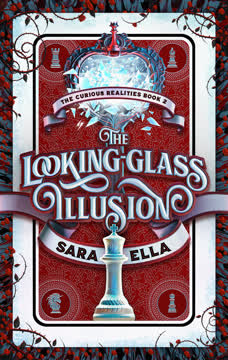
Plot Summary
Through the Final Square
The story opens at the Eighth Square, the last and most difficult challenge in the Wonderland Trials. Alice, battered and alone, confronts the devastating losses she's suffered and the manipulations of Queen Scarlet. Despite her grief, she refuses to cower before the lies and illusions that have haunted her journey. Instead, she rises with renewed resolve, determined to seek the truth and finish the game, no matter the cost. This moment sets the emotional tone for the entire narrative: a heroine at her lowest, forced to find strength within herself to move forward, even as the world she thought she knew crumbles around her.
Pawns on the Board
Alice and her teammates find themselves separated on a life-sized chessboard, each trapped on their own square. The rules are unclear, and the only way forward is to play as pawns, moving one square at a time. The board is a metaphor for their vulnerability and the manipulations of Queen Scarlet, who watches their every move. The team's unity is tested as they realize they must advance alone, yet together, toward an uncertain goal. The looming threat of the Jabberwock and the mysterious Ivory King add urgency and fear, while Alice's longing for her lost brother Kit and her complicated feelings for Chess deepen the stakes.
Divided by Illusion
As the team is forced apart by invisible barriers and illusions, each member faces personal fears and memories. Alice encounters visions of her past, including her mother and sister Charlotte, blurring the line between reality and memory. The chessboard becomes a labyrinth of self-discovery, where trust is fragile and every step forward is a leap of faith. The illusions are not just obstacles but mirrors reflecting the characters' deepest insecurities, especially Alice's fear of abandonment and Chess's guilt over his brother. The chapter explores how isolation can both weaken and strengthen resolve.
The Game Begins
The Trials shift from familiar games to a complex, high-stakes version of chess, where every move is fraught with consequence. Alice and Chess must decipher the meaning behind the game, drawing on stories and riddles from the Adventurer's Almanac. The legend of the conquered king and the underestimated pawn becomes central, foreshadowing the importance of humility and teamwork. The team's journey through the chessboard is both literal and symbolic, as they grapple with the legacy of past champions, the manipulations of the quarter heads, and the ever-present threat of the Jabberwock.
Memories in the Mist
Alice is drawn into a series of looking-glass memories, reliving moments from her mother's and Charlotte's lives. These visions reveal hidden truths about Wonderland's history, the origins of the Trials, and the tangled relationships between the royal sisters. The memories are both gifts and burdens, offering clues to the riddle of the Ivory King while forcing Alice to confront painful losses and betrayals. The misty, dreamlike quality of these chapters blurs the boundaries between self and other, past and present, and sets the stage for Alice's ultimate test of identity.
The Heart's True Queen
Through visions and confessions, Alice learns that her beloved sister Charlotte is actually her aunt—and the rightful Queen of Hearts. The revelation upends Alice's understanding of her family and her place in Wonderland. Charlotte's sacrifice and the machinations of Dinah (Scarlet) come into focus, exposing the depth of the conspiracy that has kept Wonderland divided and its true queen in hiding. The emotional core of the story is laid bare as Alice grapples with feelings of betrayal, love, and the weight of legacy.
The King's Riddle
The search for the Ivory King becomes a quest for self-understanding as Alice pieces together the clues left by her mother. The riddle is not just about finding a person, but about unlocking the true nature of Wonderland and the power of belief. The Trials are revealed to be more than games—they are a defense mechanism, protecting Wonderland from those who would destroy or exploit it. Alice's unique status as a Normal-born Wonder makes her both the key and the target, as Scarlet and the quarter heads seek to use her to seize ultimate power.
Lost and Found
As the team navigates checkpoints and illusions, lost players are found and old wounds reopened. Chess is haunted by guilt over Kit's disappearance, while Alice is forced to confront her own fears of being left behind. The reunion of the Shire brothers is fraught with pain and forgiveness, mirroring the larger theme of reconciliation that runs through the story. The team's unity is tested by external threats and internal doubts, but moments of vulnerability and honesty pave the way for healing and renewed purpose.
The Garden of Fears
The team enters a deadly garden where their fears take monstrous form. Snake vines, mome raths, and other Wonderland horrors attack, forcing each character to confront what terrifies them most. The Jabberwock is revealed to be not just a beast, but a manifestation of collective fear and trauma. Alice's realization that courage, not denial, is the true weapon against the Jabberwock marks a turning point. The garden becomes a crucible, forging the team's resolve and clarifying the stakes of the final confrontation.
The Jabberwock's Shadow
The team reaches the ruins of the Ivory Castle, where the Jabberwocks—now revealed as the quarter heads transformed by fear—descend for a climactic showdown. The battle is both physical and psychological, as Alice and her allies must rally the lost Wonders and confront the lies that have kept Wonderland in bondage. The poem "Jabberwocky" becomes a rallying cry, its nonsense words transformed into weapons of hope and resistance. The cost of victory is high, with sacrifices and losses that will shape Wonderland's future.
Truth Beyond the Looking Glass
In the aftermath of battle, the true nature of Scarlet (Dinah) is exposed. Her schemes to control Wonderland through fear and illusion are laid bare, and the legacy of the royal sisters is reclaimed. Alice's journey through the looking-glass memories culminates in a final revelation: the answer to her mother's riddle is not a person or a place, but the power of belief itself. The restoration of Wonderland is not achieved through force, but through forgiveness, surrender, and the courage to see what is real.
The Unmasking of Scarlet
As Dinah's illusions crumble, Alice chooses to forgive her enemies, breaking the cycle of fear and vengeance that has plagued Wonderland. The act of forgiveness is both a personal and collective liberation, allowing the true Wonderland to reemerge. The throne is restored, not to a conqueror, but to a servant-queen who understands the cost of love and the necessity of hope. The surviving characters find new roles and relationships, building a Wonderland that is both old and new.
Wonderland Restored
With the defeat of the Jabberwocks and the unmasking of Scarlet, Wonderland is reborn. The ruins are transformed into a place of beauty and possibility, and the barriers between Normals and Wonders begin to dissolve. Alice, now Queen, is joined by her friends and family in forging a new future. The lessons of the Trials—humility, courage, forgiveness—become the foundation of a more just and joyful kingdom. The restoration is not without pain, but it is marked by a sense of hard-won peace and the promise of healing.
The Cost of Belief
The aftermath of the Trials is bittersweet, as the characters reckon with the losses and scars left by their journey. Charlotte's death, Chess's near-sacrifice, and the wounds carried by each survivor are honored as part of Wonderland's story. The cost of belief is acknowledged—not as a price to be avoided, but as the necessary risk of loving and hoping in a broken world. The chapter explores how true leadership is born from vulnerability and the willingness to serve.
Crowns and Crossroads
With Wonderland restored, the question of who will lead becomes central. Knave, revealed as the rightful heir, chooses to serve as King of England, while Alice embraces her role as Queen of Wonderland. The two cousins, once lost and divided, now stand together at the crossroads of two worlds. Their partnership symbolizes the new unity between Normals and Wonders, and the hope that the lessons of the past will guide the choices of the future.
The Impossible Made Real
The story's emotional climax centers on the realization that Wonderland is not a place, but a state of faith and imagination. Alice's journey from Normal to Wonder is completed as she claims her identity and invites others to do the same. The Trials are revealed to be not just tests of skill, but invitations to believe in the impossible. The chapter celebrates the magic that comes from seeing with new eyes and the courage to step through the looking glass.
A New Wonderland
Two years later, Alice and Knave preside over a Wonderland and England transformed by forgiveness and unity. The Registry is abolished, the Trials are ended, and Normals and Wonders live side by side. The characters find new roles and relationships, honoring the past while embracing the future. The story ends not with a final victory, but with the ongoing work of building a world where everyone is welcome at the table.
The Queen's Farewell
In a final, poignant scene, Alice says goodbye to Charlotte and embraces her new life as Queen. The chapter is a meditation on grief, gratitude, and the courage to let go. Alice's journey is not just about winning a game, but about learning to love, forgive, and hope in the face of loss. The story closes with a sense of peace and possibility, as Alice steps into the unknown, believing in Wonderland and in herself.
Analysis
A modern fable of courage, forgiveness, and the power of belief
The Looking-Glass Illusion reimagines the Wonderland mythos as a story not just of adventure, but of healing and transformation. At its core, the novel is about the journey from fear to faith, from isolation to community, and from illusion to truth. The Trials are not merely games, but crucibles that reveal the characters' deepest wounds and highest hopes. By centering the narrative on Alice's unique status as a Normal-born Wonder, the story challenges the boundaries between outsider and insider, ordinary and extraordinary. The defeat of the Jabberwock—achieved through surrender, not violence—serves as a powerful metaphor for the necessity of facing and forgiving our own fears. The restoration of Wonderland is not a return to a lost golden age, but the creation of a new world built on humility, unity, and hope. In a time marked by division and uncertainty, The Looking-Glass Illusion offers a vision of leadership rooted in vulnerability and love, and a reminder that the impossible is always within reach for those who dare to believe.
Review Summary
The Looking-Glass Illusion receives an overall positive reception, with many readers praising its whimsical Wonderland atmosphere, clever plot twists, and beloved characters—particularly Chess and Knave. Most reviewers appreciated the dual POV, strong themes of faith and truth, and satisfying conclusion to the duology. Common criticisms include occasional confusion due to the story's intentionally nonsensical nature, and some felt the allegory could have been stronger. Many readers recommend rereading book one beforehand. The book is widely considered clean, appropriate for teens, and a worthy sequel.
Characters
Alice (Ace)
Alice is the heart of the story—a Normal-born girl who becomes Wonder through belief and courage. Her journey is one of self-discovery, as she navigates the labyrinth of the Trials, confronts her deepest fears, and uncovers the secrets of her family and Wonderland itself. Alice's relationships—with Chess, Charlotte, Knave, and her teammates—are marked by longing, loss, and the struggle to trust. Her greatest strength is her willingness to face the unknown, to forgive those who have hurt her, and to claim her place as Queen not through conquest, but through compassion. Alice's arc is a testament to the power of vulnerability and the transformative nature of hope.
Chess Shire
Chess is both Alice's love interest and her mirror, a boy marked by charm, humor, and deep wounds. His quest to find his lost brother Kit drives much of the plot, and his guilt over past failures shapes his actions and relationships. Chess's journey is one of redemption—learning to forgive himself, to trust others, and to lead with humility. His partnership with Alice is both romantic and symbolic, representing the union of logic and imagination, strategy and faith. Chess's development is a study in the cost of leadership and the courage to face one's own darkness.
Charlotte
Charlotte is Alice's beloved sister-turned-aunt, the rightful Queen of Hearts who has lived in exile and secrecy. Her story is one of sacrifice—giving up her crown, her family, and ultimately her life to protect Wonderland and those she loves. Charlotte's relationship with Alice is complex, marked by love, regret, and the burden of secrets. Her wisdom and strength guide Alice through the Trials, even as her own past mistakes haunt her. Charlotte embodies the theme of servant leadership and the bittersweet nature of legacy.
Knave (Civilius Heart)
Knave is both Alice's cousin and the hidden prince of Wonderland and England. His journey is one of self-acceptance, as he moves from outsider and skeptic to leader and unifier. Knave's loyalty to his friends and his willingness to bear the burdens of others make him a compelling figure, while his struggles with anger and identity add depth to his character. His eventual partnership with Alice symbolizes the healing of old divisions and the hope for a new, united kingdom.
Kit Shire
Kit is the catalyst for much of the story's action—a brilliant, missing boy whose fate is tied to the mysteries of the Trials and the Ivory King. His relationship with Chess is fraught with pain and longing, and his reappearance is both a moment of joy and a reckoning with the past. Kit's intelligence and resilience make him a key player in the restoration of Wonderland, while his vulnerability highlights the story's themes of forgiveness and redemption.
Dinah / Queen Scarlet
Dinah, masquerading as Queen Scarlet, is the primary antagonist—a former governess who uses illusion, fear, and technology to control Wonderland. Her transformation into the Jabberwock is both literal and symbolic, representing the destructive power of unchecked ambition and unresolved trauma. Dinah's relationship with the royal sisters and her manipulation of the Trials expose the dangers of power without compassion. Her ultimate defeat comes not through violence, but through Alice's act of forgiveness, underscoring the story's moral center.
Madi Hatter
Madi is Alice's steadfast companion, a Tea Master whose creativity and optimism provide both comic relief and practical solutions. Her relationship with her missing brother Stark and her evolving feelings for Knave add emotional depth. Madi's resilience in the face of loss and her ability to find joy in the absurd make her a vital member of the team and a symbol of Wonderland's enduring spirit.
Sophia Marigold
Sophia is the team's Flower Master, whose quiet wisdom and empathy help the group navigate both literal and metaphorical gardens of fear. Her partnership with Willow and her role in taming the dangers of Wonderland highlight the importance of collaboration and the healing power of nature. Sophia's journey is one of self-assertion, learning to trust her own voice and gifts.
Willow Reed
Willow is both a source of strength and vulnerability for the team, grappling with the trauma of past Trials and the fear of losing those she loves. Her relationship with Sophia and her willingness to sacrifice for others underscore the story's themes of loyalty and the cost of courage. Willow's arc is one of healing, as she learns to accept help and to forgive herself for past failures.
Stark Hatter
Stark, Madi's brother and the missing Team Diamond King, is a figure marked by loss and resilience. His time trapped in the Trials has left him both wise and wounded, and his reunion with his sister and friends is a moment of both joy and reckoning. Stark's insights into the nature of fear and the Jabberwock help the team understand the true stakes of their journey, while his willingness to forgive and move forward embodies the story's message of hope.
Plot Devices
The Chessboard Structure
The story's central plot device is the transformation of the Trials into a literal chess game, with each character playing a specific role (pawn, knight, queen, king, etc.). The chessboard serves as both a physical setting and a metaphor for the characters' journeys—highlighting themes of sacrifice, strategy, and the underestimated power of the "least" pieces. The progression through the squares mirrors the stages of self-discovery and the unraveling of Wonderland's secrets.
Looking-Glass Memories
Alice's ability to enter looking-glass memories is a key device, allowing her (and the reader) to uncover hidden histories, family secrets, and the true nature of Wonderland. These visions blur the line between past and present, self and other, and serve as both clues to the central riddle and catalysts for character growth. The memories are also a means of foreshadowing and thematic resonance, connecting personal trauma to collective healing.
The Jabberwock as Fear
The Jabberwock is not just a monster, but a living embodiment of the characters' deepest fears and unresolved pain. Its ability to change form and feed on fear makes it both a literal and psychological antagonist. The defeat of the Jabberwock is achieved not through violence, but through courage, surrender, and the refusal to be defined by fear—a narrative device that elevates the story's moral and emotional stakes.
Riddles and Codes
The Trials are structured around riddles, codes, and games—most notably the riddle of the Ivory King and the clues left by Alice's mother. These puzzles drive the plot forward, create suspense, and force the characters to collaborate and trust one another. The use of codes (both technological and symbolic) also reflects the story's exploration of truth, illusion, and the power of belief.
Dual Realities
The story's world-building hinges on the tension between the Normal Reality and Wonderland, with characters moving between and sometimes embodying both. This duality is reflected in the characters' identities, the structure of the Trials, and the ultimate resolution of the plot. The device allows for rich exploration of themes like belonging, transformation, and the possibility of unity across difference.
Forgiveness as Resolution
The climax of the story is achieved not through a final battle, but through Alice's act of forgiveness—breaking the cycle of fear and vengeance that has kept Wonderland in bondage. This device subverts traditional fantasy tropes and reinforces the story's message that true power lies in compassion, humility, and the willingness to let go.