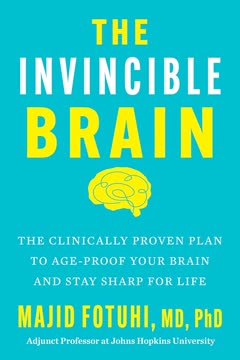
Key Takeaways
1. Your Brain is Incredibly Malleable and Can Grow at Any Age
The brain is capable of seemingly miraculous feats of growth and rejuvenation.
Neuroplasticity is real. For decades, scientists believed the adult brain was fixed, unable to grow new cells or rewire itself. Revolutionary discoveries have shattered these myths, revealing that your brain is ultimately malleable, capable of rerouting, rewiring, and even increasing in size by producing new cells and firing up new neuronal connections. This adaptability is a testament to our species' advancement and a powerful tool for personal cognitive enhancement.
Use it or lose it. The principle "what you use grows; what you don’t use shrinks" applies directly to your brain. Examples abound:
- London taxi drivers develop larger hippocampi due to extensive navigational training.
- Students learning a new language show significant growth in language-related brain areas.
- Even learning to juggle for three months can increase brain volume in areas for hand-eye coordination.
This growth isn't limited to young people; older adults also show similar brain volume increases with learning.
Personalized intelligence. Your brain's cortex, especially the hippocampus, adapts to your environment and aspirations. Whether you become street-smart, book-smart, or musically inclined depends on how you use your brain. Individuals like Zohreh Etezad Saltaneh, born without arms, developed extraordinary fine motor control with her toes, demonstrating how the brain reassigns and expands cortical areas in response to persistent training and need.
2. Intelligence is Diverse, Not Just IQ, and You're Smarter Than You Think
Intelligence comes in many forms, far beyond what a mere IQ test looks at.
Beyond IQ scores. The traditional IQ test, originally designed to identify children needing help, is a reductive measure of intelligence, focusing only on intellectual abilities like problem-solving and logic. It fails to capture the vast multiplicity of human brilliance, such as emotional, social, musical, or kinesthetic intelligence. This narrow view often leads people to underestimate their own cognitive capabilities.
Your unique talents. Everyone possesses areas of brilliance and struggle. Instead of focusing on perceived shortcomings, recognize and celebrate your unique forms of intelligence. Consider:
- Emotional intelligence: Understanding and managing your own and others' emotions.
- Street-smart intelligence: Adapting to novel environments and solving real-world problems.
- Body movement intelligence: Excelling in sports, dance, or fine motor coordination.
- Happiness intelligence: Cultivating contentment and a positive outlook on life.
These diverse skills are just as valid and valuable as academic prowess, contributing significantly to a fulfilling life.
Practice makes cortex. Your brain is like a muscle; the more you use and challenge it, the stronger it gets. If you want to be better at anything—math, socializing, music, or even happiness—practice it. Learning new things, even those you're not naturally good at, is a form of "cross-training" for your brain, making it smarter and more resilient against age-related decline.
3. A Sense of Purpose and a Growth Mindset Are Foundational for Brain Health
When you have purpose, you will want to keep pursuing that purpose and those passions for as long as possible, with a strong brain that is clear and sharp enough to keep on going for as long as you need it.
Purpose fuels vitality. A sense of purpose—knowing why you want to change and what makes life exciting and meaningful—is a powerful compass for your daily actions. It fills you with excitement and motivation, driving you to maintain a strong, clear brain to pursue your passions. Research shows that purpose is not just a quality-of-life issue but a quality-of-brain issue, contributing to better health and a longer life.
Brain benefits of purpose: Studies reveal measurable physical and psychological advantages:
- Positive changes in brain microstructure, including higher neurite density in the right hippocampus, suggesting a younger brain.
- A 19% reduction in cognitive impairment and dementia risk.
- Slower cognitive decline, even in individuals with visible Alzheimer's plaques and tangles.
- Associated with healthier habits: more physical activity, better diet, better sleep, and less depression.
Embrace growth. A "growth mindset" is the belief that you can get better at things through effort and perseverance. Unlike a fixed mindset that avoids challenges, a growth mindset sees feedback as an opportunity and views others' success as inspiration. Research shows that children who adopt a growth mindset exhibit significant anatomical growth in their brains, increasing neuronal connections and activity. This mindset primes your brain for learning and makes you more likely to succeed in any endeavor.
4. Alzheimer's is a "Soup of Problems," Not a Single Genetic Destiny
What we call Alzheimer’s disease, I (and many other neurologists and neuroscientists) argue, is the result of a soup of abnormalities rather than a single disease.
Multifactorial decline. The prevailing belief that Alzheimer's is a singular, inevitable disease, often genetically predetermined, is being challenged. Instead, late-onset Alzheimer's is understood as a "soup of problems"—a complex interplay of a dozen or more factors that collectively damage, shrink, and inflame the brain. This includes amyloid aggregation and tau formation, but also:
- Inflammation and strokes
- Synucleinopathy and TDP-43 protein accumulation
- Concurrent health issues like hypertension, obesity, and diabetes
- Environmental exposures and lifestyle choices
Epigenetics overrides genetics. While genes like ApoE4 can increase susceptibility to Alzheimer's, they do not dictate destiny. Epigenetics, the interaction between genetics, environment, and lifestyle, determines whether these genes are "turned on" or "turned off." Positive lifestyle choices can lead to favorable methylation changes in your DNA, effectively mitigating genetic risks. For instance, exercise can substantially eliminate the elevated risk associated with the ApoE4 variant, at least in terms of amyloid accumulation.
Declining rates, increasing hope. Contrary to popular fear, Alzheimer's rates are declining in many affluent countries, and the age of onset is shifting later. This epidemiological trend correlates with increased health awareness and healthier lifestyles, demonstrating that proactive choices can significantly reduce risk. The Nun Study, where many nuns with Alzheimer's pathology remained cognitively sharp due to their active, purposeful lives, further underscores the power of lifestyle and brain reserve.
5. Lifestyle Interventions Are More Powerful Than Drugs for Brain Health
Programs that combine healthy lifestyles are orders of magnitude more effective than the new Alzheimer’s drugs.
Modest drug benefits. Recent FDA-approved anti-amyloid drugs, while capable of clearing amyloid plaques, offer only minor or imperceptible clinical benefits to patients and caregivers. These drugs, such as lecanemab and donanemab, show minuscule improvements on cognitive assessment scales (e.g., 1.4 to 1.52 points on a 0-90 scale) and come with significant risks and costs.
Risks and costs of new drugs:
- Require genetic testing for ApoE4 to assess brain bleed risk.
- Mandate frequent brain MRIs to monitor for life-threatening complications like ARIA (swelling or bleeding).
- Patients may be ineligible for standard stroke treatments if on these drugs.
- Annual costs range from $50,000 to $80,000, including ancillary expenses.
Lifestyle's dramatic impact. In stark contrast, multimodal lifestyle interventions have demonstrated superior efficacy. Clinical trials show that programs combining diet, exercise, cognitive training, social engagement, and stress management lead to significant cognitive improvements, not just slower decline. My own NeuroGrow program, for example, resulted in 84% of patients achieving remarkable improvements in objective cognitive tests and over half growing their hippocampus by an average of 3% in just twelve weeks.
6. Optimize Your Fitness: The Single Most Potent Brain Booster
If you could do only one thing, change only one lifestyle element, or adopt only one habit, your best bet for growing your brain and becoming invincible against cognitive decline would be to have a regular habit of daily (or mostly daily) physical activity.
Cellular powerhouse. Exercise profoundly impacts your brain at the cellular level, primarily by increasing the number and efficiency of mitochondria—the powerhouses of your cells. More mitochondria mean more ATP (energy) for neurons, enhancing brain function and resilience. This also boosts nitric oxide production, dilating blood vessels and improving blood flow, oxygen, and nutrient delivery to the brain.
BDNF blast. Physical activity triggers a significant release of Brain-Derived Neurotrophic Factor (BDNF), a powerful brain booster. BDNF:
- Supports the survival of existing neurons.
- Promotes the growth of new neurons and synapses.
- Enhances neuroplasticity, learning, and memory.
- Protects against Alzheimer's disease by reducing amyloid and tau levels.
Quantify your progress. Measuring your VO2 max, the maximum amount of oxygen your body can use during intense exercise, is the best way to track your cardiovascular fitness and endurance. Regular exercise, even moderate activity like walking 10,000 steps a day, is associated with a 50% lower risk of cognitive decline and Alzheimer's. Start where you are, find activities you enjoy, and consistently work towards improving your fitness across all aspects: aerobic capacity, strength, flexibility, and balance.
7. Prioritize Quality Sleep for Brain Cleansing and Repair
Sufficient deep sleep is crucial for maximizing amyloid clearance from the brain and minimizing the risk of brain atrophy and Alzheimer’s disease.
Nightly brain cleanse. Sleep is an active state where your brain performs vital restorative functions. During deep sleep (N3 stage), the glymphatic system becomes most active, flushing your brain with cerebrospinal fluid (CSF) to clear metabolic waste products, including accumulated amyloid and tau proteins. Insufficient deep sleep directly impedes this critical cleansing process, increasing the risk of brain atrophy and Alzheimer's disease.
Insomnia's toll. Chronic insomnia, defined as difficulty falling or staying asleep more than three times a week for over three months, is a widespread problem. It disrupts circadian rhythm, elevates stress hormones like cortisol (toxic to the hippocampus), and is linked to:
- Increased amyloid accumulation.
- Higher risk of heart attack and stroke.
- Gray matter atrophy and reduced fiber bundle vitality.
- More than a twofold increased risk of Alzheimer's disease.
Combat sleep apnea. Obstructive Sleep Apnea (OSA), where breathing repeatedly stops during sleep, is a significant brain shrinker. It causes dangerous drops in oxygen levels, leading to chronic fatigue, irritability, poor concentration, and increased risk of strokes, heart attacks, and Alzheimer's. Treating OSA, often with CPAP therapy or lifestyle changes like weight loss, can reverse brain atrophy and significantly improve cognitive function.
8. Nourish Your Brain and Gut with a Mediterranean-Style Diet
Eating junk food consistently for decades can lead to brain atrophy and Alzheimer’s disease.
The gut-brain axis. Your gut and brain are intimately connected via the vagus nerve, forming the gut-brain axis. The gut's enteric nervous system, with its own neurons, constantly communicates with your brain. A healthy gut microbiome, nourished by fiber, produces beneficial short-chain fatty acids that support neurogenesis, reduce inflammation, strengthen the blood-brain barrier, and improve memory. Conversely, an unhealthy diet fosters pathogenic microbes, leading to "leaky gut" and subsequent "leaky brain" inflammation.
Eliminate the inflammatory fire. The first step to brain-friendly nutrition is to eliminate inflammatory foods. Refined sugar, refined grains, and ultra-processed foods are particularly detrimental, causing:
- Severe metabolic problems like obesity and diabetes.
- Inflammation and oxidative stress.
- Damage to blood vessels, nerves, heart, kidneys, and brain.
- Addiction-like cravings by overstimulating the brain's reward system, making it harder to make healthy choices.
Embrace the Mediterranean diet. This widely studied dietary pattern is a powerful tool for brain health, associated with slower cognitive decline and reduced Alzheimer's risk. Key components include:
- Anti-inflammatory foods: Fatty fish (omega-3s), extra-virgin olive oil (polyphenols, oleocanthal), turmeric (curcumin), berries (flavonoids), leafy greens (antioxidants), nuts and seeds (vitamin E, B vitamins).
- BDNF boosters: Fatty fish, eggs (choline, B12), dark chocolate (flavonoids), berries, legumes (zinc, magnesium), green tea.
- Blood flow enhancers: Beets (nitrates), leafy greens, citrus fruits (flavonoids, vitamin C), walnuts (L-arginine), pomegranates.
9. Master Your Mindset to Conquer Stress and Boost Brain Resilience
The longer you stay angry, and the longer your blood levels of cortisol and adrenaline remain high, the more harm you are doing to yourself!
Mindset matters. Stress, anxiety, and worry are often self-induced states, originating in your brain's emotional network. Your mindset—how you perceive and react to circumstances—can either trap you in a cycle of repetitive negative thoughts (RNTs) or empower you to reframe situations and cultivate repetitive positive thoughts (RPTs). Changing your thoughts can alter your emotions and behaviors, ultimately improving your quality of life.
The anatomy of stress. When stressed, your sympathetic nervous system (fight-or-flight) goes into overdrive, releasing adrenaline and cortisol. While essential for acute threats, chronic elevation of cortisol is toxic to the hippocampus, accelerating aging and impairing memory, neuroplasticity, and neuron structure. Higher cortisol levels are directly associated with a smaller hippocampus and increased risk of cognitive decline.
Cultivate resilience. You can manage stress by shifting your mindset and adopting calming practices:
- Restructure thoughts: Challenge negative thoughts and reframe them.
- Emotional awareness: Acknowledge and pinpoint feelings to lessen their intensity.
- Behavioral change: Engage in activities that bring joy, calm, and social connection.
- HRV biofeedback: Use tools to measure and improve Heart Rate Variability (HRV), indicating better stress adaptation. Slow, deep breathing is highly effective.
- Eustress: Embrace "good stress" from challenges you feel confident tackling, which can increase resilience without damaging the brain.
10. Engage in Consistent Brain Training for Sharper Cognition
When you work to train your brain, you may not turn into an Einstein-level genius, but you will increase your current cognitive capacity in noticeable and measurable ways.
Brain as a muscle. Just like physical muscles, your brain strengthens with consistent challenge and use. Daily brain training, whether through apps or hands-on activities, stimulates neurogenesis, builds new synapses and fiber bundles, enhances neuronal network efficiency, increases blood vessels, and boosts BDNF levels. This leads to tangible improvements in cognitive abilities and provides a protective effect against future decline.
Cross-train your brain. To maximize benefits, engage in diverse cognitive activities rather than just one. Focus on improving specific cognitive domains:
- Attention and Focus: Practice sustained concentration, minimize digital distractions, and actively listen.
- Memory and Learning: Use memory tricks (e.g., memory palace for names, lists), learn new languages or instruments, read challenging material.
- Executive Function and Problem-Solving: Play strategy games (chess, sudoku), debate different viewpoints, solve real-world puzzles without aids.
- Processing Speed: Time yourself on thinking games, quickly recall visual details, and practice increasing reading speed.
Synergy with physical activity. Combining cognitive tasks with exercise offers synergistic benefits, enhancing both mental and physical performance. Studies show that individuals who combine mental challenges with physical training improve focus, reduce mental fatigue, and boost cognitive function more significantly than exercise alone. Activities like racquet sports (badminton, tennis) naturally integrate both, demanding rapid decision-making and hand-eye coordination.
11. Build Whole-Body Organ Reserve for Graceful, Invincible Aging
The higher your organ reserves, the longer you will live, the sharper you will be as you reach your eighties and nineties, and the happier you will be in these golden decades of your life.
Reserve is resilience. Graceful aging isn't just about avoiding Alzheimer's; it's about maintaining sharpness, mobility, and energy to pursue your passions. This requires building "organ reserve"—the extra capacity your organs need to withstand challenges. You can increase reserve through:
- Resistance: Avoiding harmful factors like smoking, excessive alcohol, junk food, and chronic stress.
- Resilience: Engaging in beneficial activities like regular exercise, nutrient-dense diets, and challenging your brain.
This two-sided strategy cumulatively strengthens your brain and body, delaying frailty and cognitive decline.
Interconnected organ health: Your brain is deeply interconnected with all other body organs. Their health directly impacts your brain's vitality:
- Liver-Brain: Fatty liver disease leads to toxic buildup, brain inflammation, and atrophy.
- Kidney-Brain: Declining kidney function causes waste accumulation, high blood pressure, and brain damage.
- Bone-Brain: Osteoporosis is linked to cognitive impairment, possibly due to shared inflammatory factors.
- Muscle-Brain: Active muscles release "myokines" (like BDNF) that improve neuroplasticity; low muscle mass correlates with brain volume loss.
- Lung-Brain: COPD reduces oxygen to the brain, causing inflammation and shrinkage.
- Heart-Brain: Heart disease and inefficient heart function lead to reduced blood flow, brain atrophy, and impaired glymphatic cleansing.
Telomeres and longevity. Telomeres, the caps on your chromosomes, are direct markers of cellular aging and longevity. Longer telomeres correlate with a longer lifespan and better brain health. Lifestyle choices like exercise, a high-fiber diet, and meditation can prevent premature telomere shortening and even increase their length, providing an extra longevity boost alongside brain health benefits.
12. Your Invincible Brain Program: A Personalized Path to Lasting Health and Happiness
All you have to do to get started is pick one thing.
A proven framework. The Invincible Brain Program, adapted from my NeuroGrow clinic, is a systematic, multipronged intervention designed to address the multifactorial nature of brain health and cognitive decline. It focuses on five pillars:
- Fitness: Boosting oxygenation and BDNF.
- Sleep: Enhancing glymphatic cleansing.
- Nutrition: Reducing inflammation, improving blood flow.
- Mindset: Managing stress, fostering positive beliefs.
- Brain Training: Strengthening neurogenesis and synaptic connections.
Personalized progress. The program begins with a comprehensive "Brain Portfolio" assessment, including a Brain Fitness Calculator, neurocognitive and neurobehavioral spidograms, and blood tests. This helps identify your most urgent areas for improvement and allows you to track tangible progress over twelve weeks. Patients often report feeling 100% or even 200% of their usual selves after completing the program, reclaiming their vitality and cognitive sharpness.
Sustainable habits for happiness. This is not a temporary fix but a path to permanent lifestyle changes. The positive results—clearer brain fog, improved memory, increased energy, better mood—become powerful motivators to maintain these habits for life. Ultimately, the program aims for "happiness intelligence," recognizing that true well-being comes from aligning reality with reasonable expectations, fostering gratitude, and consciously choosing actions that bring joy and purpose.
People Also Read




 Immersive