Plot Summary
Diamonds and Death
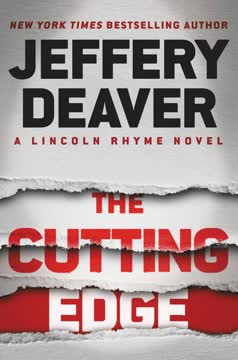
In the heart of New York's Diamond District, a young couple, William and Anna, visit Jatin Patel's shop to collect an engagement ring. Their joyous errand turns tragic when a masked intruder bursts in, brutally murders them and Patel, and escapes with a mysterious prize. The killer's violence is chilling, his motives unclear. The only clue: he leaves behind valuable diamonds, taking only select stones. The scene is one of horror and confusion, setting off a citywide alarm. The emotional impact is immediate—love and hope destroyed in an instant, and the city's sense of safety shattered. The killer's calculated cruelty and the randomness of the victims' deaths haunt everyone who enters the blood-soaked shop.
Witness on the Run
Vimal Lahori, Patel's apprentice, stumbles upon the aftermath and is shot by the killer, but survives thanks to a bag of kimberlite rocks that absorb the bullet. Wounded and terrified, Vimal flees into the city, knowing he's now a target. He avoids hospitals, fearing police involvement and the killer's reach. Vimal's world narrows to survival, guilt, and the weight of secrets. He texts his family, lies about his safety, and seeks refuge in the anonymity of the Port Authority. The trauma of witnessing death and the fear of being hunted transform him from a dutiful son into a fugitive, desperate to disappear before the killer finds him.
Rhyme's Reluctant Return
Paralyzed forensic genius Lincoln Rhyme, recently returned from Washington, is pulled into the case by his old partner, Lon Sellitto. The city is on edge, fearing for its reputation and economy. Rhyme assembles his team—Amelia Sachs, Ron Pulaski, and lab tech Mel Cooper—to investigate. The murders' brutality and the killer's precision intrigue Rhyme, who senses a deeper game. The team's dynamic is tense but effective, each member bringing expertise and emotional baggage. Rhyme's own frustrations—physical limitations, missed opportunities—fuel his determination. The emotional arc is one of reluctant engagement, as Rhyme is compelled to confront both the case and his own vulnerabilities.
Blood in the District
Sachs processes the crime scene, noting the killer's odd selectivity—leaving behind hundreds of thousands in diamonds. The victims' intertwined hands haunt her, a symbol of love destroyed. The team uncovers evidence of torture, suggesting the killer sought more than money. Surveillance footage is missing or sabotaged, and the only witness, Vimal, is missing and possibly dying. The emotional toll on the investigators is heavy; they are confronted with senseless violence and the pressure to solve a case that threatens the city's heart. The sense of urgency and helplessness grows as leads prove elusive and the killer remains a step ahead.
The Missing Rough
The team discovers that the killer stole uncut diamonds—"rough"—from Patel, specifically stones from a South African mining company. The theft appears targeted, not random. The killer's actions suggest knowledge of the diamond trade and a willingness to kill to protect his identity. The investigation expands internationally, as the team contacts the mining company and insurance investigators. The emotional arc shifts from confusion to suspicion, as the team realizes they are dealing with a professional who is playing a long game. The stakes rise: this is not just a robbery, but a calculated act with global implications.
Vimal's Flight
Vimal, wounded and alone, navigates the city's underbelly, evading both police and the killer. He seeks help from his girlfriend, Adeela, who tends his wounds in a public park. Their relationship is tender but fraught with cultural and familial obstacles. Vimal's fear and guilt are compounded by the realization that he is being hunted not just for what he saw, but for what he knows. The emotional core is Vimal's transformation—from passive apprentice to desperate survivor, forced to make choices that will define his future. His journey is one of loss, longing, and the faint hope of redemption.
The Promisor Emerges
The murderer, dubbed "The Promisor," begins targeting engaged couples across the city, reenacting the original crime. His attacks are ritualistic, focused on engagement rings and the symbolism of diamonds. He leaves taunting messages for the police, blending philosophical rants about the sanctity of diamonds with threats of violence. The city is gripped by fear, and the investigation becomes personal for Sachs and Rhyme. The Promisor's psychological complexity is revealed—he is both mercenary and zealot, obsessed with purity and vengeance. The emotional arc is one of dread and fascination, as the team races to anticipate his next move.
Forensics and Frustration
Rhyme's team is stymied by the killer's cunning: erased footage, false leads, and a community unwilling to talk. The insurance investigator, Edward Ackroyd, joins the hunt, offering expertise but also sowing seeds of doubt. The team uncovers evidence of multiple players—possibly rival mercenaries—each with their own agenda. The emotional tone is one of mounting frustration and self-doubt, as every breakthrough is met with new obstacles. The sense of being manipulated grows, and the investigators question their assumptions and each other.
Hidden Motives
A series of earthquakes and gas explosions rock Brooklyn, initially blamed on geothermal drilling. Rhyme and Sachs suspect sabotage, linking the disasters to the diamond case. The killer's true employers—international diamond interests—are revealed, seeking to suppress a new diamond lode in Brooklyn. The Promisor is not just a madman, but a tool in a corporate war. The emotional arc is one of revelation and betrayal, as the team realizes the scale of the conspiracy and their own unwitting complicity in the killer's plans. This exemplifies the Dual Motives and Hidden Agendas plot device.
The Mercenary's Trail
The investigation exposes a web of mercenaries, double agents, and corporate fixers. Ackroyd is unmasked as Andrew Krueger, a South African operative, while the Russian killer, Rostov, is revealed as a rival sent by another diamond cartel. The two killers' paths converge, each seeking Vimal and the secret of the kimberlite. Sachs is nearly killed in a trap, saved only by a last-minute intervention. The emotional arc is one of escalating danger and moral ambiguity, as the line between justice and survival blurs.
Earthquakes and Arson
The fake earthquakes and gas fires are revealed as part of a larger plot: to orchestrate chaos and facilitate the escape of a notorious drug lord, El Halcón, from federal custody. The diamond case and the sabotage are linked by a shadowy mastermind known as the Watchmaker. Rhyme and Sachs must race against time to prevent a catastrophic jailbreak, even as the city reels from disaster. The emotional core is one of urgency and teamwork, as the investigators pool their skills to avert tragedy and expose the true architects of the plot.
The Double Game
The investigation's final twists expose betrayals within the team and among their allies. Rhyme is arrested for aiding the defense in the El Halcón case, only to reveal he was working undercover to expose evidence tampering and identify the drug lord's American partner. Sachs and Sellitto confront their own doubts and loyalties, while Vimal is finally rescued. The emotional arc is one of catharsis and reconciliation, as secrets are confessed and trust is rebuilt.
The Final Cut
The killers are dead, the masterminds unmasked, and the city begins to heal. Vimal is offered a new life, free from the diamond trade's grip. Sachs and Rhyme reflect on the cost of justice and the fragility of happiness. The diamond lode's secret is buried once more, and the survivors must choose what to do with their freedom. The emotional tone is bittersweet—victory tempered by loss, and the knowledge that evil, like diamonds, endures.
The Watchmaker's Shadow
In the aftermath, Rhyme receives a taunting message from the Watchmaker, the criminal mastermind behind the chaos. The message is both a threat and a promise: some enemies must die. The emotional arc is one of unresolved tension, as Rhyme and Sachs realize that their greatest adversary remains at large, and the battle between order and chaos is far from over.
Justice and Farewell
The case's loose ends are tied: the drug lord's escape is foiled, the corrupt lawyer is arrested, and the city's wounds begin to heal. Vimal is reconciled with his family and given the chance to pursue his true passion. Sachs and Rhyme, scarred but united, look to the future with cautious hope. The emotional resolution is one of hard-won peace, tempered by the knowledge that justice is never absolute, and the fight against darkness is ongoing.
Analysis
A meditation on value, violence, and truthThe Cutting Edge is more than a procedural thriller; it is a layered exploration of what we value—diamonds, love, justice—and the lengths to which individuals and institutions will go to protect or exploit those values. The novel interrogates the myth of purity, both in gems and in motives: every diamond is flawed, every act of violence justified by some higher cause. The interplay between personal and systemic evil—embodied by the Promisor, Krueger, and the Watchmaker—suggests that crime is both an individual pathology and a product of global forces. The psychological depth of the characters, especially Rhyme, Sachs, and Vimal, grounds the high-stakes plot in real emotion: trauma, guilt, longing, and the search for meaning. The book's ultimate lesson is that truth, like a diamond, is revealed only through relentless pressure and careful cutting—and that even then, it remains vulnerable to those who would shape it for their own ends. The unresolved presence of the Watchmaker is a reminder that justice is provisional, and that the struggle between order and chaos is perpetual.
Review Summary
Reviews for The Cutting Edge are generally positive, averaging 4.07/5 stars. Readers praise Deaver's intricate plotting, fascinating diamond industry details, and compelling characters Lincoln Rhyme and Amelia Sachs. Many appreciate the misdirection and suspense, with short chapters maintaining momentum. However, some critics find the story overly convoluted, with excessive plot twists straining believability. Several longtime series fans note a decline in quality compared to earlier installments, feeling the narrative is unnecessarily complicated. Despite mixed opinions, most readers find it an entertaining, fast-paced thriller worth reading.
People Also Read


Characters
Lincoln Rhyme
Lincoln Rhyme is a former NYPD crime scene commander, paralyzed from the neck down but unmatched in forensic analysis. His intellect is razor-sharp, but his physical limitations fuel both frustration and empathy. Rhyme's relationships—with Sachs, his partner and lover; with his team; and with adversaries—are complex, marked by respect, sarcasm, and vulnerability. He is driven by a relentless pursuit of truth, often at the expense of personal comfort or safety. Rhyme's arc is one of reluctant engagement, as he is drawn back into the fray by the challenge of a killer who matches his own cunning. His psychological depth lies in his struggle to balance control and dependence, intellect and emotion, justice and obsession.
Amelia Sachs
Amelia Sachs is Rhyme's partner in both work and life, a detective known for her meticulous crime scene work and fierce independence. She is physically capable, emotionally attuned, and unafraid to confront danger or authority. Sachs's empathy for victims and witnesses drives her, but she is also haunted by her own traumas and the toll of violence. Her relationship with Rhyme is central—marked by mutual respect, love, and occasional conflict. Sachs's arc is one of resilience and growth, as she navigates betrayal, near-death experiences, and the moral ambiguities of justice. Her psychological complexity is revealed in her willingness to risk everything for the truth, even as she struggles with vulnerability and trust.
Vimal Lahori
Vimal is a young Indian-American apprentice diamond cutter, caught between familial duty and personal dreams. Traumatized by violence and hunted for what he knows, Vimal's journey is one of survival, guilt, and self-discovery. His relationship with his family—especially his domineering father—and his secret love for Adeela shape his choices. Vimal's psychological arc is from passive obedience to active agency, as he learns to assert his own desires and confront the dangers that pursue him. His connection to art and the symbolism of diamonds reflects his longing for meaning and freedom.
The Promisor (Vladimir Rostov)
Rostov is a Russian ex-military operative, hired to suppress the discovery of a new diamond lode. He adopts the persona of "The Promisor," targeting engaged couples and diamond cutters with ritualistic violence. Rostov's psychological makeup is a blend of professional detachment and obsessive ideology—he believes he is protecting the purity of diamonds from human corruption. His brutality is matched by cunning, but his instability and sadism ultimately lead to his downfall. Rostov's relationships are transactional; he uses and discards allies as needed, and his only loyalty is to his own twisted code.
Andrew Krueger / Edward Ackroyd
Krueger, posing as insurance investigator Ackroyd, is a South African operative hired by a rival diamond company. He infiltrates the investigation, manipulates the police, and orchestrates sabotage and murder. Krueger's psychological strength is his adaptability—he shifts identities, motives, and allegiances with ease. His relationship with Rostov is one of rivalry and mutual exploitation. Krueger's arc is one of increasing desperation, as his plans unravel and he is forced into direct confrontation. His ultimate goal is profit and professional reputation, but he is haunted by the knowledge that he is a pawn in a larger game.
Lon Sellitto
Sellitto is Rhyme's longtime partner, a gruff but loyal NYPD detective. He serves as the team's anchor, balancing Rhyme's brilliance with streetwise experience. Sellitto's relationships are marked by loyalty and a dry sense of humor. He is protective of his colleagues, skeptical of outsiders, and unafraid to challenge authority. His psychological arc is one of endurance—weathering bureaucratic pressures, personal doubts, and the emotional toll of violence.
Ron Pulaski
Pulaski, known as "Rookie," is a patrolman with a head injury that fuels both insecurity and determination. He is eager to prove himself to Rhyme and Sachs, often taking risks to do so. Pulaski's psychological journey is one of self-acceptance and growth, as he learns to trust his instincts and contribute meaningfully to the team. His relationships are marked by respect and a desire for mentorship.
Adeela Badour
Adeela is Vimal's girlfriend, a medical student navigating cultural and familial expectations. She is resourceful, brave, and fiercely loyal, risking her own safety to protect Vimal. Adeela's psychological depth lies in her ability to balance love, duty, and self-preservation. Her relationship with Vimal is a source of strength and conflict, as they both struggle to define their futures.
Antonio Carreras-López
Carreras-López is the Mexican attorney for drug lord El Halcón, orchestrating a complex escape plot that intersects with the diamond case. He is charming, intelligent, and utterly ruthless, willing to manipulate anyone to achieve his goals. His psychological arc is one of hubris and downfall, as his perfect plan is undone by Rhyme's insight. Carreras-López's relationships are purely strategic; he trusts no one and is trusted by none.
Charles Vespasian Hale (The Watchmaker)
The Watchmaker is a recurring nemesis for Rhyme, orchestrating chaos from the shadows. His motivations are intellectual challenge and the pursuit of perfection in crime. Hale's psychological complexity is in his detachment—he views life and death as moves in a grand game. His relationship with Rhyme is adversarial but respectful, each recognizing the other as a worthy opponent. The Watchmaker's presence is a reminder that evil is both personal and systemic, and that the battle for justice is never truly over.
Plot Devices
Dual Motives and Hidden Agendas
The novel's structure is built on the interplay of apparent and hidden motives: what begins as a brutal robbery is revealed to be a cover for corporate sabotage, which itself masks an even deeper plot involving international crime and terrorism. The use of red herrings—such as the focus on the stolen rough, the Promisor's philosophical rants, and the earthquakes—keeps both characters and readers off-balance. The narrative employs shifting perspectives, unreliable allies, and the gradual unmasking of identities (Krueger/Ackroyd, Rostov, Carreras-López) to create suspense and thematic depth. Foreshadowing is used extensively, with early clues (missing footage, odd traces, cryptic messages) paying off in later revelations. The structure mirrors the process of diamond cutting: each layer removed reveals a new facet, and only at the end does the true shape emerge.