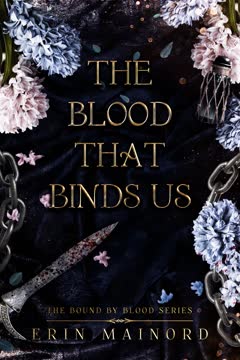
Plot Summary
Chains and Burning Blood
Wren, a powerful bloodwitch, is dragged through the forest in iron chains by the rebel Legion, her magic stifled and her humanity threatened by the taste of blood. She is a prisoner, used as a weapon and bargaining chip, but her captors underestimate her will to survive. As battle erupts near Castle Scarwood, Wren is thrust into chaos, her power on the edge of breaking free. The iron burns her skin, and the scent of blood tempts her darker nature. In the confusion, she is captured by the kingdom's soldiers, setting her on a path that will test the boundaries of her power, her morality, and her heart.
Prisoner of Castle Scarwood
Wren awakens chained in a kingdom cell, her wounds tended but her freedom gone. She faces Singard Kilbreth, the Black Art of Aegidale, a mage-king with secrets of his own. Their interrogation is a battle of wits, each probing for the other's truth. Wren spins half-truths about her capture, hiding her true nature and the trauma of her past. Singard, suspicious but intrigued, offers her a deal: remain at Scarwood as bait for Legion, and perhaps earn her freedom. Wren accepts, plotting escape while navigating the castle's dangers and the enigmatic pull of its ruler.
The Black Art's Bargain
Singard's offer is both a trap and a test. Wren is given a guest's room but kept under watch, her every move calculated. She explores the castle, seeking weaknesses, and meets River, the housekeeper whose warmth is a rare comfort. The castle is a maze of politics and prejudice, with Singard's father Dusaro embodying the kingdom's cruelty. Wren's thoughts return to her found family—transcendents and outcasts who gave her a home. The bargain with Singard is a game of survival, each side waiting for the other to slip, as Wren's longing for freedom wars with the need to protect those she loves.
Secrets Beneath the Surface
Wren's days at Scarwood are a dance of deception. She learns the castle's routines, the prejudices against transcendents, and the simmering tensions between kingdom and rebellion. Her connection with Singard deepens, both drawn to and repelled by each other's darkness. When an assassination attempt nearly kills Singard, Wren's magic is revealed in a desperate act, exposing her as more than a simple witch. The aftermath is a chase through the woods, a battle of wills and power, ending with Wren's capture and a magical tether binding her to Singard—her autonomy stolen, her fate entwined with his.
Tethered by Magic
The magical tether is both leash and brand, marking Wren as Singard's to command. Their relationship becomes a volatile mix of antagonism and reluctant trust, each testing the other's limits. Wren's power is coveted and feared, her bloodwitch nature a secret that could mean death. As they journey together—through forced proximity, shared danger, and moments of vulnerability—the lines between captor and captive blur. Wren's resistance is matched by Singard's own struggles with shame, duty, and the legacy of his father. The tether is not just magical—it is emotional, binding them in ways neither can escape.
The Falcon and the Wolf
Wren and Singard's journey takes them to Wren's found family, where disguises and lies are necessary for survival. The tension between them is heightened by the Rut, a transcendent festival of primal urges and shifting skins. Old wounds and new desires surface as Wren navigates loyalty to her family and the dangerous attraction to Singard. The wolf within him is revealed, and the falcon within her soars—each a predator, each hunted by their own pasts. The boundaries between enemy and ally, prey and partner, are tested in the crucible of the Rut's wild night.
The Price of Power
Wren's bloodwitch abilities are both gift and curse. Her power is fueled by blood, her control fragile. Training with Singard and his commander Aldred, she learns the sword and the spell, the discipline needed to survive the coming war. The kingdom's prejudices are laid bare in a public execution, forcing Wren to confront the reality of the world she is being asked to defend. Her relationship with Singard is a battlefield of its own—desire and resentment, trust and betrayal, each wound deepening their connection even as it threatens to destroy them both.
The Enemy Within
As the kingdom prepares for war, Wren is drawn into court intrigue and forced to play spy among the nobles. The Langston family, key allies, are both potential traitors and would-be suitors. Wren's encounters with Bennett Langston turn violent, exposing the dangers lurking beneath the veneer of civility. Singard's own secrets—his transcendent heritage, his mother's fate, his father's crimes—begin to unravel. The enemy is not just outside the walls, but within: in the lies they tell, the bargains they make, and the hearts they risk breaking.
The Rut and the Bite
The Rut brings primal instincts to the surface, blurring the line between violence and intimacy. Wren and Singard's antagonism combusts into passion, their connection deepened by shared danger and mutual need. The bite—literal and metaphorical—marks them both, a symbol of power and vulnerability, possession, and vulnerability. The world outside is burning, but inside, they are consumed by each other. Yet even in pleasure, the threat of betrayal looms, as secrets and lies threaten to tear them apart.
The Witch and the Blackheart
Wren and Singard's relationship is a storm of conflicting emotions—love and hate, trust and suspicion, freedom and control. The magical tether is broken, but the emotional bonds remain. Their intimacy is both solace and weapon, each using the other to fill the voids left by trauma and loss. The kingdom's war becomes personal, each victory and defeat echoing in their hearts. Wren's struggle for autonomy is mirrored by Singard's battle with his own darkness, each seeking redemption in the other's arms.
Blood and Betrayal
The war against Legion reaches its climax, with Wren and Singard fighting side by side, their powers united in destruction. The taste of victory is bittersweet, as the truth of Singard's betrayal is revealed—Cosmina, Wren's sister, was never held by Legion, but by Singard himself. The revelation shatters Wren, her trust broken, her love turned to rage. The bonds that once bound them are severed, and Wren must choose between vengeance and forgiveness, between the family she found and the man who broke her heart.
The Dance of Lies
In the aftermath of battle, the castle becomes a stage for new deceptions. Balls and banquets mask the wounds of war, while alliances are forged and broken in whispered conversations. Wren navigates the treacherous waters of court, her every move watched, her every word weighed. The dance is not just of bodies, but of lies—each step a risk, each partner a potential enemy. The truth is elusive, and the cost of finding it may be more than Wren is willing to pay.
The Sword and the Spell
Wren's journey is one of self-discovery, her power honed through pain and perseverance. The sword and the spell become extensions of her will, tools for survival and symbols of her autonomy. Training with Singard and Aldred, she learns not just to fight, but to lead—to claim her place in a world that would see her destroyed. The forging of her identity is a battle as fierce as any on the field, each scar a testament to her strength.
The Battle for Blackreach
The final battle against Legion is a maelstrom of violence and magic. Wren and Singard fight as one, their powers devastating, their connection unbreakable. The city burns, the enemy falls, and the taste of blood is both victory and curse. In the chaos, Wren's bloodwitch nature is fully unleashed, her control tested to its limits. The aftermath is a reckoning, as the survivors count the cost of their choices and the dead are mourned by those left behind.
The Taste of Victory
The war won, the castle erupts in celebration. Wren and Singard's passion ignites in the shadows, their bodies and souls entwined in a dance of need and regret. The taste of victory is sweet, but the hunger for more—more power, more love, more freedom—remains. The world outside is changed, but inside, the wounds are still raw, the scars still fresh. The promise of peace is fragile, and the threat of new conflict looms on the horizon.
The Mother of Flames
The castle is attacked by a new enemy—Sera, Singard's mother, long thought dead, returns at the head of a transcendent army. The truth of her survival, Dusaro's crimes, and the manipulation that fueled years of war are revealed. Sera's demands are clear: freedom for her people, or war. The world Wren and Singard fought to save is upended, the lines between friend and foe redrawn. The spark of revolution is lit, and nothing will ever be the same.
The Shattering Truth
The final betrayal is laid bare—Cosmina was held captive not by Legion, but by Singard, used as leverage to secure Wren's loyalty. The revelation shatters Wren, her love for Singard twisted into rage and grief. The bonds that once bound them are broken, and Wren must choose her path: vengeance or forgiveness, war or peace. The cost of trust is paid in blood, and the future is uncertain.
War's Unforgiving Promise
As Wren leaves Scarwood with her sister and the transcendent army, war is inevitable. The love between Wren and Singard is left in ruins, their fates entwined but divided by betrayal. The promise of war hangs over them, unforgiving and absolute. The story ends on the edge of conflict, with hearts broken, alliances shattered, and the hope that, in the ashes of betrayal, something new might one day rise.
Analysis
A dark fantasy of trauma, power, and the cost of loveThe Blood That Binds Us is a searing exploration of what it means to survive in a world built on prejudice, violence, and betrayal. Through Wren's journey from captive to weapon to reluctant hero, the novel interrogates the price of power—how it can both save and destroy, liberate and imprison. The romance between Wren and Singard is not a simple escape from darkness, but a confrontation with it: each must face their own wounds, their capacity for cruelty, and the possibility of redemption. The story refuses easy answers—love does not erase trauma, power does not guarantee safety, and trust, once broken, is not easily restored. The novel's cliffhanger ending is both a promise and a warning: the war to come will demand new sacrifices, and the bonds that bind us—of blood, of love, of loyalty—are as likely to break as they are to save. In a world where monsters wear many faces, the greatest struggle is not against the enemy outside, but the darkness within.
Review Summary
The Blood That Binds Us receives mixed reviews, averaging 3.88/5. Enthusiastic readers praise its true enemies-to-lovers dynamic, compelling chemistry between Wren and Sin, unexpected plot twists, and engaging magic system featuring bloodwitches and shapeshifters. Many couldn't put it down, citing fast pacing and morally grey characters as highlights. Critics, however, point to inconsistent characterization, clunky dialogue, excessive info-dumping, underdeveloped world-building, and unlikeable protagonists. Writing style divides readers, with some finding it beautiful and immersive while others consider it overwrought and amateurish.
People Also Read


Characters
Wren
Wren is a bloodwitch whose power is both her greatest asset and deepest curse. Marked by trauma—abandonment by her parents, abuse by Legion, and the constant threat of losing control—she is fiercely protective of her found family and desperate to retain her humanity. Her relationship with Singard is a storm of attraction, resentment, and reluctant trust, each drawn to the other's darkness. Wren's journey is one of self-discovery, learning to wield her power without losing herself, and to love without surrendering her autonomy. Her greatest fear is becoming the monster others believe her to be, and her greatest strength is the compassion she refuses to relinquish.
Singard Kilbreth (Sin)
Singard is the Black Art of Aegidale, chosen by the goddess Adelphia, burdened by the legacy of his father's cruelty and his own hidden heritage. Outwardly cold, ruthless, and calculating, he is haunted by shame, grief, and the need to prove himself worthy of love. His relationship with Wren is both a source of strength and vulnerability, each challenging the other's beliefs and boundaries. Singard's struggle is between duty and desire, power and compassion, the wolf within and the king without. His greatest fear is being unworthy of love, and his greatest flaw is the belief that control is the only path to safety.
Cosmina
Cosmina is Wren's adoptive sister, a mage and healer who embodies the compassion and loyalty Wren craves. She is fiercely protective, willing to risk everything to save Wren, and serves as the emotional anchor for their found family. Her capture and suffering at the hands of the kingdom are the catalyst for Wren's most desperate choices. Cosmina's strength is quiet but unyielding, her love a reminder of what is worth fighting for.
Dusaro
Dusaro is Singard's father, former Black Hand, and the embodiment of the kingdom's cruelty and prejudice. His ambition and hatred for transcendents drive much of the conflict, his actions shaping both Singard's and Wren's fates. Dusaro is a master manipulator, using power and violence to maintain control. His relationship with Singard is fraught with disappointment and resentment, and his legacy is one of blood and betrayal.
Sera (Seraphine)
Sera is Singard's mother, long thought dead, who returns at the head of a transcendent army. Her survival and leadership reveal the lies at the heart of the kingdom's history, and her demands for freedom ignite the next war. Sera is both nurturing and ruthless, her love for her son complicated by the choices she made to protect her people. She is a symbol of hope and a harbinger of revolution.
Aldred
Aldred is the kingdom's commander, responsible for training Wren and leading the armies. He is pragmatic, disciplined, and loyal to Singard, but not blind to the kingdom's flaws. Aldred serves as a stabilizing force, his respect for Wren growing as she proves herself in battle. He represents the possibility of change within the old order.
Ileana
Ileana is Singard's Black Hand, a survivor of Legion's brutality and a symbol of resilience. Her trauma fuels her determination to see justice done, and her relationship with Wren is fraught with guilt and forgiveness. Ileana's presence challenges the kingdom's prejudices, her strength a beacon for those who have suffered.
River
River is the castle's housekeeper, a maternal figure who offers comfort and wisdom to Wren and Singard alike. Her kindness is a rare balm in a world of violence, and her loyalty is unwavering. River represents the possibility of healing, her presence a reminder that family can be chosen.
Cathal
Cathal is the commander of Legion, Wren's former lover and tormentor. His betrayal and cruelty haunt Wren, his pursuit of her power a constant threat. Cathal is a symbol of the dangers of trust misplaced, his actions driving much of Wren's trauma and her eventual resolve to fight back.
Cornelius Langston
Cornelius is the eldest Langston son, a noble with hidden depths and shifting loyalties. His role as a double agent helps reveal the truth about Cosmina's captivity and the alliances that shape the coming war. Cornelius is charming, intelligent, and ultimately instrumental in exposing the kingdom's—and Singard's—betrayal.
Plot Devices
Duality of Power and Vulnerability
The narrative is structured around the tension between power and vulnerability—Wren's bloodwitch abilities are both her greatest strength and deepest fear, while Singard's rule is defined by both his magical supremacy and his emotional wounds. The magical tether, the iron chains, and the shifting alliances all serve as metaphors for the ways power can both protect and imprison. The story uses foreshadowing—Wren's fear of losing control, Singard's shame and secrecy—to build tension, and the narrative structure alternates between moments of intimacy and violence, trust and betrayal, mirroring the characters' internal conflicts.
Enemies-to-Lovers and Forced Proximity
The central romance is driven by the enemies-to-lovers trope, heightened by forced proximity (captivity, magical tether, shared danger). The relationship is a crucible for both characters' growth, each forced to confront their own darkness and the possibility of redemption. The romance is not a distraction from the plot, but its engine—every choice, every betrayal, every act of violence is filtered through the lens of their connection.
Political Intrigue and Court Manipulation
The plot is propelled by political intrigue—alliances forged and broken, secrets traded for power, and the constant threat of betrayal. The use of balls, banquets, and council meetings as settings for manipulation and revelation allows the story to explore the ways power is wielded not just on the battlefield, but in the ballroom and the bedroom. The narrative structure uses these set pieces to reveal character, advance the plot, and foreshadow coming conflict.
The Cost of Survival and the Search for Identity
Wren's journey is one of survival—each choice is a negotiation between safety and selfhood, between protecting her family and retaining her humanity. The story uses flashbacks, internal monologue, and moments of vulnerability to explore the psychological cost of trauma and the struggle to define oneself in a world that demands conformity or death. The forging of identity—through magic, through love, through violence—is a central theme, and the narrative structure reflects this with moments of introspection and transformation.
Cliffhanger and Foreshadowing of War
The story ends on a cliffhanger, with the promise of a new war and the shattering of all previous alliances. The use of foreshadowing—Sera's return, the revelation of Singard's betrayal, the unresolved tension between Wren and Singard—sets the stage for the next installment, ensuring that the emotional and narrative stakes remain high.








































