Plot Summary
Prophecy's Broken Promise
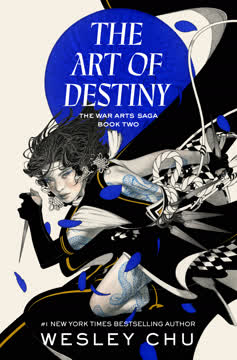
The world's faith in the Prophesied Hero, Wen Jian, collapses after the defeat of the Eternal Khan. The Tiandi religion, once united behind Jian, fractures as the prophecy is declared broken. Jian, now a fugitive, hides in the remote Cloud Pillars, his identity a secret. The world outside is in chaos: civil war rages, banditry rises, and the great houses of the Enlightened States vie for power. Jian's sense of purpose is shaken, and the prophecy that once defined him becomes a curse. The story opens with a world in flux, where old certainties are gone, and new dangers emerge from every shadow.
Exile on the Pillar
Jian, under the alias Hiro, lives atop a lonely plateau with his stern master Taishi and clever friend Zofi. Their days are filled with grueling training, chores, and the constant threat of discovery. Jian's skills grow, but so does his frustration and longing for meaning. The trio's isolation is both a shield and a prison, as Jian struggles with the weight of his lost destiny. The outside world's troubles creep closer, and Jian's actions—defending a mail caravan, risking exposure—threaten their fragile safety. The tension between duty, fear, and the desire for connection simmers beneath the surface.
Masters and Apprentices
Taishi, once a legendary war artist, is haunted by her own past and the responsibility of shaping Jian into a true master. She pushes him relentlessly, knowing the world may call on him again. Zofi, both confidant and spy, tries to fill Jian's gaps in knowledge, but feels her own limitations. The arrival of other masters—Kasa, Fausan, Sohn, and Bhasani—brings new perspectives and rivalries. Each master imparts their unique wisdom, but also their flaws and regrets. The relationships between teachers and students are fraught with love, disappointment, and the ever-present specter of mortality.
Shadowkill's Fall
Maza Qisami, a once-elite shadowkill assassin, is reduced to petty jobs and humiliation after a failed contract. Her cell is fractured, her reputation tarnished, and her debts mounting. She is drawn into the deadly politics of the duchies, manipulated by powerful women like Sunri and Chiafana. Qisami's journey is one of survival, betrayal, and the search for meaning in a world that values her only as a tool. Her encounters with other shadowkills, teahouse spies, and the enigmatic Duchess Sunri reveal the hidden networks of power and the cost of ambition.
Bandits and Brotherhood
When Jian stumbles upon a caravan robbery, he intervenes to protect a ducal mail wagon, revealing his formidable skills. His actions earn him both admiration and suspicion, risking exposure as the Prophesied Hero. The event forges new bonds and rivalries, as Jian's reputation spreads among bandits and locals. The incident also brings the attention of the authorities, setting in motion investigations that threaten his sanctuary. Jian's struggle to balance anonymity with his innate sense of justice becomes a central conflict, testing his loyalty to his friends and his own ideals.
Lioness of Caobiu
Duchess Sunri of Caobiu, the Desert Lioness, emerges as a formidable force in the civil war. Her army, the Crimson Nu Gui, is unmatched, but she is beset on all sides by rival dukes and internal dissent. Sunri's mastery of both politics and war arts—secretly as a shadowkill—makes her both admired and feared. She manipulates allies and enemies alike, orchestrating assassinations and alliances to secure her power. Her interactions with Qisami and the other shadowkills expose the brutal calculus of survival at the highest levels, and the sacrifices required to ascend.
The Gathering Storm
The Cloud Pillars become a nexus for masters, students, and fugitives. Jian's circle grows as other heirs and disciples arrive, each bringing their own hopes and traumas. The masters form a motley brotherhood, united by purpose but divided by old wounds. Meanwhile, the world outside grows more dangerous: bandit attacks increase, the Tiandi religion shifts its dogma, and the dukes maneuver for supremacy. The fragile peace of the plateau is shattered as investigations close in, and the bonds of friendship and loyalty are tested by secrets and ambition.
The Pull of the Khan
Sali, the Viperstrike and former Will of the Khan, is dying from the soul rot left by the Khan's passing. Her journey across the Grass Sea and into the frozen north is a desperate search for healing and redemption. She seeks forbidden knowledge among exiled shamans and the enigmatic Happan ritualists. Sali's struggle is both physical and spiritual, as she confronts the legacy of the Khan, the betrayal of her people, and the burden of leadership. Her choices will have consequences not just for herself, but for the fate of the Katuia and the balance of power in the world.
The Duchess's Game
As the great dukes gather in Allanto for peace negotiations, the city becomes a cauldron of plots and counterplots. Qisami is embedded as a servant, caught between Sunri's manipulations and the deadly politics of the court. The negotiations are a spectacle of power, with each duke seeking advantage through alliances, assassinations, and subterfuge. The murder of Duke Saan, orchestrated through shadowkill trickery, shatters the fragile alliance and plunges the city into chaos. Sunri's true nature as both empress and assassin is revealed, and Qisami faces the ultimate betrayal from those she trusted most.
The Villain of the Tiandi
The Tiandi religion, desperate to maintain its relevance, recasts Jian as the Villain of the Tiandi, blaming him for the world's woes. Jian is kidnapped by fanatical monks and taken aboard a Lotus sect ship, where he faces both physical danger and spiritual crisis. His friends and masters mount a daring rescue, culminating in a chaotic battle on the river. Jian's sense of self is shattered, but the loyalty of his companions and the wisdom of his teachers help him endure. The episode cements Jian's role as both outcast and reluctant leader, forging his resolve for the trials ahead.
The Motley Brotherhood
The survivors of the river battle—Jian, his friends, and the battered masters—flee into the heart of the civil war. Their journey is marked by loss, sacrifice, and the forging of new bonds. Kaiyu inherits his father's legacy, Zofi and Sonaya become Jian's pillars, and the motley brotherhood of masters imparts their final lessons. The group's unity is tested by grief, betrayal, and the relentless pursuit of their enemies. Through hardship, they discover the true meaning of family, loyalty, and destiny, preparing Jian for the ultimate test.
The Rebellion Ignites
Sali, cured of the Khan's rot but forever changed, leads the Happan in a desperate rebellion against their Katuia oppressors. The battle for Hrusha is brutal and costly, with stormchasers and towerspears clashing against untrained rumblers. Sali's duel with Raydan, her former raidbrother, is both personal and symbolic—a reckoning with the past and a sacrifice for the future. The rebellion's victory is bittersweet, marked by loss and the knowledge that true freedom will require continued struggle. Sali's actions set in motion events that will echo across the Grass Sea and beyond.
The Shifting Alliance
In the aftermath of Saan's assassination, Sunri seizes power, manipulating the chaos to ascend as empress. Qisami, betrayed by her own cell and used as a pawn, faces the ultimate humiliation and loss. The shadowkill's journey from predator to prey is a meditation on trust, ambition, and the cost of survival. Sunri's triumph is not without cost, as the alliances she forges are built on blood and treachery. The world is remade in her image, but the seeds of resistance and revenge are sown.
The Lotus Ship
Jian's friends and masters mount a daring assault on the Lotus sect ship, battling monks, assassins, and the river itself. The chaos of the battle is both physical and emotional, as old wounds are reopened and new bonds are forged. The cost of victory is high: Kasa sacrifices himself, Bhasani and Sohn are gravely wounded, and the group is forced to flee into the heart of enemy territory. The episode is a crucible, burning away illusions and forging Jian into the leader he must become.
The Price of Destiny
The survivors regroup in the aftermath of battle, mourning their dead and tending their wounds. Jian is forced to confront the reality of his destiny: to inherit the full power of the windwhisper lineage, he must kill his master, Taishi. The burden of leadership, the pain of loss, and the weight of expectation threaten to crush him. The choices made in this moment will shape not only Jian's future, but the fate of the world. The price of destiny is steep, and not all are willing to pay it.
The Test of the Lineage
Taishi, dying from poison and age, insists that Jian perform the final test: the Grand Supreme Punch, a death touch that will transfer her power to him. Jian, wracked by grief and doubt, refuses. The masters and friends gather for a somber memorial, believing Taishi dead. In secret, she survives, her death faked to protect Jian and allow him to claim the mantle of master. The test is both a literal and symbolic passage, marking the end of childhood and the beginning of true leadership.
The Empress Ascends
With Saan dead and Yanso in retreat, Sunri claims the Heart of the Tiandi Throne, uniting Caobiu and Shulan under her rule. Her victory is built on betrayal, manipulation, and the ruthless elimination of rivals. Qisami, broken and exiled, vows revenge. The world is remade, but the cost is high: old alliances are shattered, and new enemies gather in the shadows. The age of prophecy is over, and a new era of ambition and uncertainty begins.
The Last Stand
Jian, now master of the windwhisper lineage, gathers his friends and allies for the journey ahead. The world is in turmoil: the Khan's return looms, Sunri's empire is ascendant, and the Tiandi religion is fractured. The lessons of the past—sacrifice, loyalty, and the true meaning of destiny—guide Jian as he steps into his role as leader. The story ends with hope and uncertainty intertwined, as the survivors prepare to face the challenges of a world forever changed.
Analysis
A meditation on destiny, agency, and the cost of survivalThe Art of Destiny is a sweeping epic that interrogates the very idea of prophecy and heroism. By subverting the traditional "chosen one" narrative, Wesley Chu explores what happens when destiny fails, and individuals are forced to forge their own paths. The novel is deeply concerned with the tension between fate and free will, showing how institutions—religion, family, state—seek to control narrative, and how individuals resist, adapt, or are broken by these forces. The story's focus on mentorship, legacy, and the cycle of loss and renewal gives it emotional depth, while its political intrigue and martial arts philosophy provide both excitement and reflection. Ultimately, the novel suggests that true heroism lies not in fulfilling prophecy, but in choosing one's own purpose, accepting the cost of that choice, and finding meaning in connection, sacrifice, and the courage to change. The lessons are clear: destiny is not given, but made; power is both a burden and a gift; and survival, in a world of shifting alliances and broken promises, requires both resilience and heart.
Review Summary
The Art of Destiny receives a mixed but generally positive reception, averaging 4.08 stars. Readers praise its character-driven storytelling, humor, expanded worldbuilding, and dynamic fight scenes inspired by wuxia. The relationships between Taishi and Jian, and Sali and Hampa, are frequent highlights. Common criticisms include "second book syndrome," with many feeling the plot meanders and the separate POV storylines lack convergence. Despite pacing issues and feeling like a setup for book three, most readers remain enthusiastic about the series' continuation.
People Also Read


Characters
Wen Jian
Jian is the Prophesied Hero of the Tiandi, once destined to save the world but now branded its villain. His journey is one of exile, self-doubt, and reluctant leadership. Jian's relationships—with his master Taishi, friend Zofi, and rival Sonaya—shape his growth from naive youth to true leader. He is haunted by the weight of expectation and the pain of loss, but his innate compassion and sense of justice drive him forward. Jian's refusal to kill Taishi in the final test marks his rejection of blind destiny in favor of chosen purpose, setting him on a path to redefine heroism.
Ling Taishi
Taishi is a legendary war artist, haunted by past failures and the burden of shaping Jian's destiny. Her stern exterior masks deep love and regret, especially for her lost son and the students she could not save. Taishi's relationships with other masters are fraught with rivalry and unspoken affection. Her insistence on the final test, and her willingness to fake her own death, reveal both her pragmatism and her devotion. Taishi's legacy is not just her power, but the wisdom and resilience she imparts to Jian and the next generation.
Zofi
Zofi, the mapmaker's daughter, is Jian's closest friend and emotional anchor. Her intelligence, practicality, and wit balance Jian's impulsiveness. Zofi's own insecurities—about her education, her place in the world, and her feelings for Jian—add depth to her character. She serves as both spy and protector, navigating the dangerous politics of the world with subtlety. Zofi's loyalty is unwavering, but she is not afraid to challenge Jian or Taishi when she believes they are wrong. Her presence is a reminder that heroism is not just about power, but about heart and wisdom.
Maza Qisami
Qisami is a shadowkill whose life is a cycle of betrayal, survival, and fleeting triumph. Her wit and bravado mask deep wounds and a longing for acceptance. Qisami's relationships—with her cell, with Sunri, and with her own past—are marked by manipulation and heartbreak. Her ultimate betrayal by those she trusted most is both a personal tragedy and a commentary on the ruthless world she inhabits. Qisami's refusal to kill children, and her vow of revenge against Sunri, reveal a core of integrity beneath her cynicism.
Sunri
Sunri, the Desert Lioness, is both admired and feared for her beauty, ambition, and martial prowess. Her secret identity as a shadowkill adds layers to her character, blending vulnerability with lethal skill. Sunri's relationships—with her rivals, her ministers, and Qisami—are transactional, built on power and necessity. Her rise to the Heart of the Tiandi Throne is a study in the cost of ambition: she sacrifices love, loyalty, and even her own humanity to achieve her goals. Sunri embodies the dangers of unchecked power and the loneliness of victory.
Sali (Salminde the Viperstrike)
Sali is a former Will of the Khan, dying from the soul rot left by her god-king. Her journey is one of pain, sacrifice, and the search for redemption. Sali's relationships—with her clan, her neophyte Hampa, and her sister Mali—are marked by love and duty. Her willingness to endure agony for the sake of her people, and her ultimate decision to cure herself and unleash the Khan, reflect the impossible choices faced by true leaders. Sali's duel with Raydan is both a personal reckoning and a symbol of the struggle between past and future.
Hwang Kaiyu
Kaiyu, son of Kasa, is Jian's closest companion among the heirs. His journey from eager student to master of the Houtou lineage is marked by loss, grief, and the forging of new bonds. Kaiyu's innocence and optimism are tested by tragedy, but his resilience and loyalty endure. His relationship with Jian is both brotherly and competitive, providing emotional depth and moments of levity. Kaiyu's inheritance of his father's staff and legacy is a poignant reminder of the cycle of loss and renewal.
Ras Sonaya
Sonaya, heir to the drowned fist, is both foil and confidant to Jian. Her playful exterior masks deep ambition and skill. Sonaya's mastery of compulsion and her willingness to challenge Jian—both in battle and in emotion—push him to grow. Her relationship with her mother Bhasani is complex, marked by pride and rebellion. Sonaya's presence in Jian's life is a catalyst for change, forcing him to confront his own desires and fears.
Soa Sohn
Sohn, once heir to a great lineage, is haunted by betrayal and addiction. His mentorship of Jian is both a penance and a hope for redemption. Sohn's relationships—with the other masters, with his own students, and with his lost family—are fraught with regret and longing. His willingness to sacrifice for Jian, and his acceptance of his own flaws, add depth to his character. Sohn embodies the possibility of growth and forgiveness, even in the face of failure.
Bhasani
Bhasani, mother of the drowned fist, is both Taishi's greatest rival and closest companion. Her history of betrayal, sacrifice, and survival is a mirror to Taishi's own journey. Bhasani's relationship with her daughter Sonaya is marked by pride and frustration. Her willingness to endure pain, to forgive, and to fight for what matters reveals a core of resilience and wisdom. Bhasani's presence is a reminder that greatness is forged not just in victory, but in the ability to endure and adapt.
Plot Devices
Prophecy and Subversion
The narrative is structured around the subversion of prophecy: Jian, once the world's savior, becomes its villain as the Tiandi religion reinterprets its own dogma. This device explores the dangers of blind faith, the mutability of history, and the power of narrative to shape reality. The shifting prophecy forces characters to confront their own agency, challenging the idea that destiny is fixed. The story uses prophecy both as a motivator and a trap, driving characters to question their roles and ultimately choose their own paths.
Multiple Perspectives and Interwoven Arcs
The novel employs a multi-POV structure, following Jian, Taishi, Qisami, Sali, and others as their stories intersect and diverge. This device allows for a rich exploration of theme and character, showing how individual choices ripple across the world. The interwoven arcs create tension and resonance, as victories in one thread become tragedies in another. The structure mirrors the chaos of a world in upheaval, where no single perspective can capture the whole truth.
Betrayal and Loyalty
Betrayal is a recurring motif: Qisami's cell turns on her, Sunri manipulates allies, and even masters and students are forced to choose between love and duty. Loyalty, in contrast, is shown as both a strength and a vulnerability. The tension between these forces drives much of the plot, forcing characters to confront the cost of trust and the meaning of family. The device is used to explore the gray areas of morality, where survival often demands compromise.
Martial Arts as Philosophy
The war arts are not just physical skills, but expressions of philosophy, lineage, and identity. Each style reflects its practitioner's values and history. The final test—requiring the student to kill the master—serves as both literal and symbolic passage, exploring themes of inheritance, sacrifice, and the cycle of renewal. The detailed descriptions of combat are used to reveal character, resolve conflict, and meditate on the nature of power.
Political Intrigue and Social Commentary
The negotiations, coups, and rebellions are not just plot devices, but vehicles for exploring the nature of power, the fragility of alliances, and the cost of ambition. The world's social hierarchies—masters and students, nobles and servants, men and women—are constantly in flux, reflecting the novel's central concern with change and adaptation. The device of court intrigue allows for both suspense and satire, exposing the absurdities and dangers of those who seek to control destiny.
Faked Death and Hidden Survival
Taishi's faked death is a classic device, used here to protect Jian and allow him to claim the mantle of master. The motif of hidden survival recurs throughout the novel, as characters fake their own deaths, disappear into exile, or reinvent themselves. This device underscores the theme that identity is not fixed, and that survival often requires transformation.