Plot Summary
Desperate Interview, Dangerous Offer
Ian Hertzfelder, desperate for work and reeling from heartbreak, lands a last-chance interview at Westek Inc., a company developing advanced virtual reality systems. The job is for a Quality Control tester in a new, long-term immersion module for their MMORPG, OtherWorld. The offer is lucrative but comes with odd requirements: medical monitoring, IVs, and a willingness to be a guinea pig. Ian's background in medical trials makes him the perfect candidate. Despite his nerves and the surreal nature of the opportunity, his financial desperation and the promise of escape from his bleak reality push him to accept. The stage is set for a journey that will blur the lines between game and life, pleasure and pain, freedom and control.
Into the Game's Embrace
After signing endless waivers, Ian is prepped for immersion. His supervisor, John, explains he'll be testing new AI and starting as a Level 1 Warlock—a class he's never played. The immersion pod is both clinical and sci-fi, and the transition is seamless: Ian awakens in a lush, hyper-real meadow, his senses fully hijacked by the game. He's weak, under-equipped, and forced to learn the ropes from scratch. The game's realism is intoxicating, but the vulnerability is real. Ian's only companion is the knowledge that nothing in OtherWorld is a coincidence—every detail is a clue, every encounter a test. The adventure, and the danger, have only just begun.
Warlock's Weak Beginnings
Ian explores his new Warlock character, discovering just how feeble he is compared to his old, powerful Warrior. His only spell, Darkbolt, is slow and weak, and his armor is laughable. The game's design ensures he can't be killed instantly, but every encounter is a risk. He's drawn to a mysterious shack, where a creepy dwarven witch, Vesparia, offers him his first demonic collar and spellbook. The ritual to summon his first demon is dramatic, but the result is underwhelming: Stig, a scrawny, literal-minded imp. The lesson is clear—power must be earned, and every step forward will be hard-won.
Stig the Literal Imp
Stig, Ian's new imp companion, is both comic relief and a source of endless irritation. His fireballs are weak, his loyalty is conditional, and his obedience is maddeningly literal. A disastrous encounter with a skunk leaves Ian stinking and humiliated, and attempts to log out or contact support are futile—he's trapped. Stig's behavior exposes the limitations and quirks of the new AI, forcing Ian to refine his commands and adapt. The imp's sly intelligence and penchant for loopholes foreshadow the challenges of controlling not just demons, but the unpredictable world itself.
Stuck in Virtual Reality
Panic sets in as Ian discovers every exit—log out, chat, mail—is disabled. He's truly stuck in the game, with no way to reach the outside world. Forced to continue, he seeks out civilization, only to be met with hostility and suspicion. His reputation as a Warlock precedes him, and even simple interactions become fraught. The game's AI is more advanced than he expected, responding to his actions and reputation in nuanced ways. Ian's isolation deepens, but so does his resolve to survive, adapt, and—if possible—find a way out.
Meeting Robert and Kilara
In town, Ian encounters Robert, a swaggering, high-level Warlock, and his stunning succubus companion, Kilara. Robert's confidence and attitude are infectious, and he imparts crucial advice: in OtherWorld, power is as much about mindset as mechanics. The succubus, a living embodiment of temptation, reveals the adult expansion's perks—and the dangers of desire. Robert promises to alert the admins to Ian's plight, but also challenges him to embrace his role as a Warlock. The encounter is both inspiring and intimidating, setting a new standard for what's possible—and what's at stake.
Attitude Lessons and Succubus Dreams
Robert's lesson is clear: to thrive as a Warlock, Ian must project confidence and command respect, even when weak. The game's world responds to attitude as much as action. Ian's longing for a succubus companion grows, fueled by Robert's stories and Kilara's allure. But the path to power is fraught with setbacks—hostile villagers, humiliating defeats, and the ever-present stench of failure. Still, the promise of leveling up and earning a succubus drives him forward, transforming frustration into determination.
Potato-Throwing Villagers
Attempts to complete quests are met with ridicule and aggression from villagers, who see Warlocks as evil. Potatoes become weapons, and even children join in the harassment. Stig's antics only make things worse. Ian's reputation system reveals the deep-seated biases of the region, and he's forced to adapt—sometimes hiding Stig, sometimes confronting the hostility head-on. The experience is both comic and demoralizing, highlighting the game's immersive AI and the social challenges of being an outsider.
Leveling Up and New Powers
Ian grinds through quests—killing pigs, foxes, and bandits—to gain experience, money, and new abilities. Each victory brings new spells, better gear, and a growing sense of competence. Stig levels up alongside him, becoming a more effective (if still exasperating) ally. The soul counter ticks upward, bringing Ian closer to the ultimate prize: the ability to summon a succubus. The grind is real, but so is the satisfaction of progress. For the first time, Ian feels a glimmer of hope.
Bandits, Death, and Darkfire
A quest to save a family from bandits turns deadly. Ian is killed, experiencing the game's death mechanics firsthand. Resurrection is disorienting, and the threat of permanent loss looms. The battles grow more intense, requiring strategy, teamwork, and quick thinking. New powers like Darkfire and Soul Suck turn the tide, but the emotional stakes rise as Ian confronts the reality of violence, loss, and the limits of his control.
Saving the Olmsted Family
Ian's intervention saves the Olmsted family from a brutal fate, but not without cost. The encounter exposes the game's willingness to tackle dark themes—slavery, violence, and the abuse of power. Ian's actions earn him gratitude, rewards, and a deeper understanding of the world's complexity. The experience is harrowing but transformative, marking a turning point in his journey from hapless player to reluctant hero.
Succubus Summoning Ritual
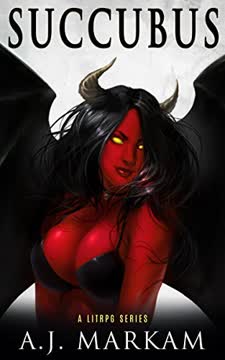
With enough souls collected, Ian performs the ritual to summon a succubus. The ceremony is dramatic, and the result is breathtaking: Alaria, a stunning, sharp-tongued demoness, appears. Her beauty is matched only by her wit and independence. The collar binds her to Ian, but her spirit is anything but submissive. The dynamic between master and servant is immediately fraught, charged with desire, resentment, and the promise of something more. The game's adult expansion is in full effect, and the emotional stakes skyrocket.
Alaria's Reluctant Partnership
Alaria is no passive companion. She mocks, teases, and resists Ian's commands, exposing the moral ambiguity of their relationship. Her history of abuse by previous masters surfaces, and the collar becomes a symbol of both power and trauma. Ian is forced to confront the ethics of control, the meaning of freedom, and the dangers of desire. Their partnership is uneasy, but the chemistry is undeniable. Together, they face new quests, new dangers, and the growing complexity of their bond.
Clothes, Quests, and Chaos
A series of mishaps leaves Ian naked, humiliated, and scrambling for clothes. Alaria's teasing intensifies, and Stig's literalism adds to the chaos. The trio navigates social challenges, hostile NPCs, and the ever-present threat of exposure. Each setback is an opportunity for growth, humor, and deeper connection. The world's AI continues to surprise, responding to their actions with wit, cruelty, and unexpected kindness.
The Church of Chastity
A visit to the local church reveals the depths of religious hypocrisy and the dangers of blind authority. Alaria's past collides with the present as she confronts a former master masquerading as a priest. The ensuing confrontation is explosive, exposing the corruption at the heart of the community and the power of truth. The goddess Chalastia intervenes, redefining purity as kindness rather than chastity, and empowering Ian and Alaria to challenge the status quo. The victory is bittersweet, as old wounds are reopened and new enemies are made.
Alaria's Vengeful Past
Alaria reveals her quest to kill her abusive ex-masters, enlisting Ian's help. Each target is a step toward reclaiming her autonomy and healing her trauma. The journey is perilous, forcing Ian to confront the limits of his power and the cost of vengeance. Their partnership deepens, but so does the tension between freedom and control, love and obligation. The promise of reward is overshadowed by the specter of loss.
The Baron's Deceit
A run-in with a charming but duplicitous Baron leads to seduction, betrayal, and Ian's imprisonment in a wizard's tower. Alaria's flirtation is a ruse, but the emotional fallout is real. Ian's jealousy and insecurity surface, straining their bond. The experience is a crucible, testing their trust, resilience, and willingness to forgive. Escape is possible, but only through cunning, courage, and the help of unlikely allies.
Prisoner in the Wizard's Tower
Imprisoned and powerless, Ian is forced to confront his own limitations and the consequences of his choices. Stig's loyalty and resourcefulness become crucial, and the trio's dynamic shifts. Alaria's actions are revealed to be more complex than they seemed, and the lines between victim and perpetrator blur. The escape is harrowing, but the lessons learned are profound: freedom is precious, trust is fragile, and love is never simple.
Escape, Betrayal, and Jealousy
On the run, Ian and Alaria's relationship deepens and fractures. Moments of intimacy are undercut by fear, insecurity, and the ever-present threat of betrayal. Alaria's need for autonomy clashes with Ian's desire for connection. The tension between love and freedom comes to a head, forcing both to make painful choices. The journey is as much internal as external, and the stakes are nothing less than their souls.
Slave Revolt in Hell
Captured and enslaved in the mines of Abaddon, Ian experiences the full horror of bondage. Inspired by stories of rebellion, he sparks a slave revolt, freeing thousands and leading an army against the demon lord Malfurik. The battle is epic, the odds overwhelming, but the power of collective action and self-sacrifice turns the tide. The struggle is both literal and symbolic—a fight for dignity, autonomy, and the right to choose one's own fate.
Malfurik's Chains
The final battle against Malfurik is brutal and costly. Alaria is forced to attack Ian, her will subverted by magical chains. Ian must choose between saving her and saving himself. In a moment of selfless love, he calls upon the goddess Chalastia, sacrificing his own safety for Alaria's freedom. The goddess intervenes, Malfurik is defeated, and the chains are broken. The victory is hard-won, and the cost is high—but freedom, at last, is within reach.
Freedom, Love, and Loss
In the aftermath, Ian frees both Alaria and Stig, refusing to perpetuate the cycle of bondage. He and Alaria share a night of passion and tenderness, finally consummating their love as equals. But freedom comes with a price: Alaria, needing to reclaim her own destiny, leaves to pursue her vengeance alone. Her farewell letter is heartbreaking, a testament to the complexity of love, autonomy, and the courage to let go. Ian is left with memories, pain, and the hope of reunion.
Return to Reality, Return to Hope
Ian returns to the real world, forever altered by his journey. The line between game and reality is blurred, but the lessons are indelible: love is not possession, freedom is sacred, and true connection requires sacrifice. The company offers him a chance to return, and after soul-searching, he re-enters OtherWorld—only to receive a desperate plea from Alaria. The story ends with hope rekindled, the promise of new adventures, and the enduring power of love and choice.
Analysis
Succubus is a subversive, emotionally charged LitRPG that uses the trappings of fantasy gaming to explore profound questions of power, freedom, and love. At its core, the novel interrogates the ethics of control—over others, over oneself, and over the worlds we create and inhabit. The immersive VR setting is not just a backdrop, but a crucible: it strips away the safety of distance, forcing both protagonist and reader to confront the consequences of desire, the pain of loss, and the courage required to grant freedom to those we love. The story's humor and eroticism are balanced by a deep empathy for trauma and the complexities of healing. Alaria's journey from bondage to autonomy, and Ian's evolution from escapist to liberator, mirror the reader's own longing for connection without possession. The novel's ultimate lesson is that true love is not about ownership, but about the willingness to let go—and that the greatest adventures begin when we choose to set each other free.
Characters
Ian Hertzfelder
Ian is an everyman thrust into extraordinary circumstances. Initially motivated by desperation and escapism, he quickly becomes a vessel for the reader's own anxieties, hopes, and desires. His journey from powerless newbie to revolutionary leader is marked by humor, vulnerability, and a growing sense of responsibility. Ian's relationships—with Stig, Alaria, and the world itself—force him to confront the ethics of control, the meaning of freedom, and the complexities of love. His psychological arc is one of maturation: from seeking escape to embracing agency, from longing for possession to understanding the necessity of letting go. Ian's empathy, self-doubt, and willingness to sacrifice make him a deeply relatable and ultimately heroic figure.
Alaria
Alaria is both fantasy and subversion: a demoness bound by a collar, yet never truly submissive. Her beauty and sexuality are matched by wit, intelligence, and a deep well of trauma from past abuse. Alaria's relationship with Ian is fraught—she resists control, mocks his authority, and demands respect. Her quest for vengeance against her ex-masters is a metaphor for reclaiming autonomy and healing. Psychologically, Alaria embodies the struggle between desire for connection and the need for freedom. Her eventual choice to leave Ian, despite love, is an act of courage and self-actualization. She is both muse and mirror, challenging Ian—and the reader—to question the nature of love, power, and selfhood.
Stig
Stig is comic relief and conscience, a two-foot-tall demon whose literal interpretations and sly intelligence expose the absurdities of both game logic and human behavior. His relationship with Ian is a running negotiation of rules, commands, and unintended consequences. Stig's own experience of bondage and eventual liberation parallels Alaria's, highlighting the moral ambiguities of control. Psychologically, Stig is both childlike and cunning, a survivor who adapts to every situation with humor and resilience. His loyalty is earned, not given, and his final acceptance of freedom is a testament to the story's central theme: autonomy is the highest good.
Robert
Robert is the archetype of the successful player: cocky, skilled, and accompanied by a stunning succubus. He serves as both mentor and foil to Ian, embodying the power of attitude and the rewards of mastery. Robert's advice is practical but also philosophical—he teaches Ian that perception shapes reality, and that confidence is as important as competence. Psychologically, Robert is self-assured but not without flaws; his bravado masks a deeper understanding of the game's dangers and the costs of power. His presence catalyzes Ian's transformation from victim to agent.
Vesparia
Vesparia is the gatekeeper to Ian's Warlock journey, offering both power and warning. Her initiation ritual is both gift and curse, setting Ian on a path of darkness and responsibility. Psychologically, Vesparia represents the ambiguous morality of magic and the dangers of unchecked ambition. Her role is brief but pivotal, framing the story's central questions about the cost of power and the nature of servitude.
Malfurik
Malfurik is the ultimate antagonist: a demon lord whose power is absolute, whose cruelty is legendary. He is both literal and symbolic—a representation of all systems of oppression, from slavery to emotional manipulation. Malfurik's chains are both physical and psychological, binding not just bodies but wills. His defeat requires not just strength, but collective action, self-sacrifice, and the intervention of higher principles. Psychologically, Malfurik is the shadow self, the part of every system—and every person—that seeks to dominate and possess.
John Perkins
John is the face of corporate oversight, well-meaning but ultimately powerless to help Ian when things go wrong. His reassurances are hollow, his interventions delayed. Psychologically, John represents the limits of institutional care and the dangers of technological hubris. His presence is a reminder that systems, no matter how advanced, are only as good as the people who run them—and that true rescue often comes from within.
Grok
Grok is a fellow prisoner in the mines, initially skeptical of rebellion but ultimately inspired by Ian's vision. He is the voice of hard-earned wisdom, cautioning against false hope but willing to fight when the possibility of freedom becomes real. Psychologically, Grok embodies the tension between survival and resistance, despair and hope. His arc mirrors the collective awakening of the oppressed, and his loyalty is a testament to the power of solidarity.
Kilara
Kilara, Robert's succubus, is both object of desire and symbol of the game's adult expansion. Her presence highlights the dangers and allure of temptation, the complexities of consent, and the blurred lines between fantasy and reality. Psychologically, Kilara is both performer and participant, navigating the expectations of her role with grace and cunning.
Chalastia
Chalastia is the divine presence who redefines purity as kindness rather than chastity. Her interventions are rare but transformative, challenging the hypocrisy of religious authority and empowering the oppressed. Psychologically, Chalastia represents the possibility of grace, the power of selfless action, and the necessity of questioning received wisdom. Her approval is earned not through obedience, but through compassion and courage.
Plot Devices
Immersive Virtual Reality
The narrative's core device is the long-term immersion pod, which beams sensations directly into Ian's brain, making the game world indistinguishable from reality. This device enables deep psychological exploration: the boundaries between self and avatar, real and virtual, are constantly in flux. The inability to log out or contact the outside world heightens tension and stakes, transforming escapism into entrapment. The immersive technology is both a metaphor for addiction and a crucible for growth, forcing Ian to confront his deepest fears and desires.
AI-Driven NPCs
The game's new AI system gives NPCs unprecedented autonomy, wit, and emotional depth. Characters like Stig, Alaria, and even minor villagers respond to Ian's actions with nuance, humor, and sometimes hostility. This device allows for emergent storytelling, moral ambiguity, and the subversion of player expectations. The AI's ability to learn and adapt mirrors Ian's own journey, and the literal-mindedness of demons like Stig exposes the absurdities of both game logic and human relationships.
Collars and Chains
The collars and manacles that bind demons—and eventually Ian himself—are central symbols of control, trauma, and the struggle for autonomy. Their removal is both a literal act of liberation and a metaphor for psychological healing. The device is used to explore themes of consent, power, and the ethics of mastery. The breaking of chains is the story's emotional climax, signaling not just victory, but transformation.
Leveling Up and Progression
The RPG structure—quests, experience points, new abilities—serves as both plot engine and metaphor. Each level gained is a step toward competence, confidence, and self-knowledge. The grind of leveling up is both a source of frustration and a path to mastery. The acquisition of new powers parallels Ian's evolving sense of agency, and the ultimate victory is not just over enemies, but over his own limitations.
Foreshadowing and Chekhov's Gun
The narrative is rich with foreshadowing: the importance of attitude, the dangers of literal commands, the significance of the scepter's one-time use. Items and lessons introduced early—like the staff, the goddess's commandments, or the AI's quirks—become crucial in moments of crisis. This device rewards attentive reading and reinforces the story's themes of preparation, adaptability, and the interconnectedness of all things.
Letters and Communication
Letters—both in-game and out—serve as vehicles for confession, revelation, and hope. Alaria's farewell letter is the emotional fulcrum of the story, crystallizing the pain and necessity of letting go. The final message from Alaria rekindles hope, suggesting that love, once given freely, can never be truly lost.








































