
Plot Summary
Poisoned Brunch Unveiled
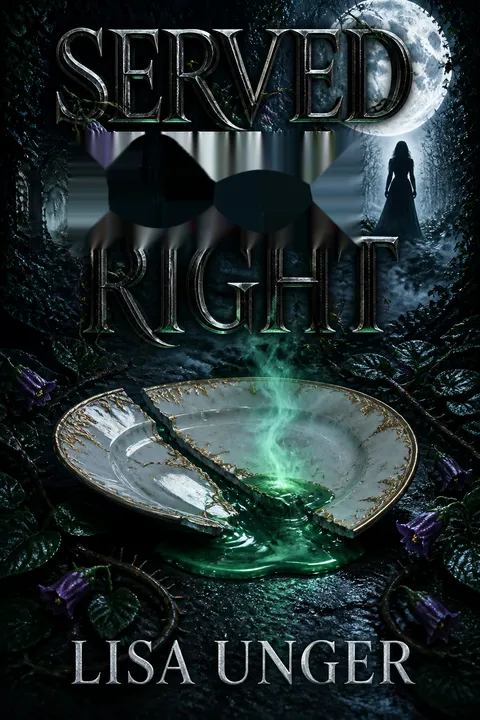
The story opens with a seemingly ordinary brunch among a group of women—sisters, friends, mothers—where the bonds of family and friendship are tested by secrets, betrayals, and a deadly meal. The gathering, meant to help Ana exorcise her toxic ex, Paul, becomes the catalyst for a series of poisonings and a murder investigation. When one of the women, Iggy, falls gravely ill after the meal, suspicion and fear ripple through the group. The brunch, laced with tension and hidden resentments, is revealed as the stage for a carefully orchestrated act of vengeance. The event's aftermath exposes the fragility of trust and the dangerous power of secrets, setting the tone for a narrative where every relationship is suspect and every gesture may conceal a darker intent.
Sisters Bound by Secrets
Vera and Ana, sisters shaped by a traumatic childhood, are the emotional core of the story. Their relationship is defined by fierce loyalty, rivalry, and a shared legacy of pain. Raised by their enigmatic Aunt Agnes after their parents' violent downfall, the sisters navigate adulthood with scars that inform their choices and relationships. Vera, the responsible elder, is both protector and enabler, while Ana, impulsive and volatile, is drawn to danger and chaos. Their bond is tested as Ana becomes entangled with Paul, a man whose charm masks predatory instincts. As the investigation unfolds, the sisters' shared history and the secrets they keep for each other become both shield and weapon, forcing them to confront the cost of their devotion and the darkness they are willing to embrace for family.
The Wolf Moon Gathers
The Wolf Moon, the first full moon of the year, is a time of gathering for The Cove—a clandestine circle of women healers, herbalists, and witches. This night, steeped in tradition and power, becomes the backdrop for reckoning and revelation. The women, led by the aging Lisander and shadowed by the memory of Agnes, convene to address the chaos unleashed by the murder and poisoning. The ritual, meant to celebrate renewal, instead becomes a tribunal where old grievances surface and accusations fly. The moon's cold light exposes the fractures within The Cove, as alliances shift and the line between justice and vengeance blurs. The gathering is both a celebration of female power and a reminder of the dangers that come when that power is threatened or misused.
The Exorcism of Paul
Ana's friends rally to help her erase Paul from her life in a modern "exorcism"—a ritual of digital and emotional cleansing. The act is both cathartic and performative, highlighting the ways women support each other in the aftermath of male violence. Yet, the exorcism is haunted by the knowledge that Paul's harm lingers, not just in Ana's psyche but in the lives of many women he's hurt. The ritual, intended to reclaim agency, instead becomes a prelude to tragedy as Paul's murder is discovered. The women's solidarity is tested as suspicion falls on Ana, and the boundaries between healing and harm, support and complicity, are called into question.
Shadows in the Garden
Agnes's garden, lush and secret, is both sanctuary and arsenal—a place where the line between medicine and poison is razor-thin. The sisters inherit not just the garden but The Knowledge: the ancestral wisdom of plants that can heal or kill. The garden's beauty conceals its dangers, mirroring the duality in the women who tend it. As the investigation deepens, the garden becomes a symbol of female power—nurturing, protective, but also capable of deadly retribution. The secrets buried in its soil echo the secrets the women keep, and the garden's poisons become both literal and metaphorical weapons in the struggle for justice and survival.
The Knowledge Passed Down
The story traces the inheritance of trauma and resilience through generations of women. Agnes, the matriarch, imparts her wisdom to Vera and Ana, teaching them the uses and dangers of plants, the importance of secrecy, and the necessity of self-protection in a world hostile to female power. The sisters, in turn, grapple with how to pass this knowledge to their own children—especially Coraline, who is drawn to the family's legacy. The Knowledge is both gift and burden, offering agency but demanding secrecy and sacrifice. The narrative explores how women's wisdom is preserved, distorted, or weaponized across time, and how each generation must choose what to carry forward and what to leave behind.
Cassoulet and Consequence
Ana's cassoulet, served at the fateful brunch, becomes the vehicle for both literal and figurative poison. When Iggy falls ill, the dish is scrutinized as a possible source, and suspicion falls on Ana and those closest to her. The meal, meant to comfort and connect, instead becomes a symbol of betrayal and the unintended consequences of secrets kept too long. The poisoning is not just an act of violence but a manifestation of the simmering resentments and unresolved traumas within the group. As Iggy hovers between life and death, the women are forced to confront the ways their actions—and inactions—have endangered those they love.
The Doll in the Woods
A crude stick doll, found near Paul's shallow grave, becomes a chilling clue in the murder investigation. The effigy, reminiscent of folk magic and witchcraft, is both a warning and a signature. Its presence implicates The Cove and stokes fears of a modern witch hunt. The doll's symbolism—protection, harm, secrecy—mirrors the story's central tensions. As the detective and the women try to decipher its meaning, the doll becomes a focal point for suspicion, paranoia, and the enduring power of myth. It is a reminder that the past is never truly buried, and that the tools of survival can also be instruments of destruction.
The Detective's Entanglement
Detective Timothy Bandeau, tasked with solving Paul's murder, finds himself drawn into the web of The Cove and the sisters' secrets. His professional detachment is compromised by a personal connection to Ana, forged in a moment of vulnerability and risk. As he investigates, Timothy is forced to confront his own biases, desires, and the limitations of the justice system. His entanglement with Ana blurs the line between hunter and hunted, ally and adversary. The detective's journey becomes one of self-discovery as much as crime-solving, and his choices will determine whether justice or vengeance prevails.
The Cove's Reckoning
The Cove, once a haven for women seeking healing and protection, is fractured by suspicion, betrayal, and the consequences of unchecked power. Under Lisander's brittle leadership, the group becomes both judge and executioner, reviving the specter of witch trials and mob justice. Vera and Ana are put on trial for crimes real and imagined, forced to answer for the sins of their ancestors and their own. The reckoning exposes the dangers of insularity, the corrosive effects of jealousy and fear, and the need for accountability even among the oppressed. The Cove's survival depends on its ability to evolve, to balance justice with mercy, and to recognize the humanity in those it would punish.
Children of Trauma
Coraline, Grant, and their friends inherit not just the privileges of their mothers but the burdens of their secrets. As the adults grapple with the fallout of murder and betrayal, the children navigate their own rites of passage—first love, academic pressure, the search for identity. Coraline, drawn to The Knowledge and the power it offers, must decide what kind of woman she wants to become. The younger generation's choices reflect both hope and danger: the possibility of breaking cycles of harm, but also the risk of repeating them. Their actions, both innocent and calculated, become catalysts for change and healing.
The Truth in the Toxins
As the investigation reaches its climax, the truth behind Paul's murder and Iggy's poisoning comes to light. The narrative reveals a conspiracy of women—victims of Paul's predation—who banded together to enact justice when the system failed them. Their confession, delivered under the Wolf Moon, is both an act of liberation and a plea for understanding. The toxins that harmed and killed are exposed as both weapons and symbols: of pain, of agency, of the blurred line between justice and revenge. The truth, once revealed, forces all involved to reckon with the costs of survival and the meaning of accountability.
The Witch Hunt Returns
The story draws explicit parallels between historical witch hunts and the contemporary suspicion faced by The Cove. As the women are accused, judged, and nearly condemned by their own, the narrative interrogates the enduring fear of female power and the ways women are still punished for transgressing boundaries. The witch hunt motif becomes a lens for examining misogyny, internalized oppression, and the dangers of unchecked authority. Yet, in the face of persecution, the women find strength in solidarity, reclaiming their agency and rewriting the narrative of victimhood and vengeance.
Confessions Under Moonlight
Under the cold gaze of the Wolf Moon, confessions are made, alliances shift, and the true culprits step forward. The women who killed Paul—acting out of pain, rage, and a sense of justice—claim responsibility, freeing Vera and Ana from suspicion. The act of confession is both cathartic and transformative, allowing for forgiveness, healing, and the possibility of new beginnings. The moonlight, once a symbol of danger and exposure, becomes a witness to truth and reconciliation. The group, fractured by fear, is knit together by honesty and the recognition of shared wounds.
Justice, Mercy, and Blood
With the truth revealed, Vera assumes leadership of The Cove, promising a new era of accountability, compassion, and wisdom. The group must decide how to punish those who acted out of fear and jealousy, and how to protect itself from future harm. Mercy is extended to those who erred, but not without consequence. The narrative affirms the necessity of justice, but also the importance of mercy and the recognition of complexity in human motives. The cycle of violence is broken not by more violence, but by the willingness to forgive and to learn from the past.
Spring's New Beginnings
The story closes with a spring equinox brunch—a mirror of the poisoned meal that began it all. This time, the gathering is one of joy, renewal, and genuine connection. The garden, once a place of secrets and danger, is now tended openly, its gifts used for healing and celebration. The women, scarred but stronger, look to the future with hope. The next generation is welcomed into the fold, and the lessons of the past are honored without being repeated. The narrative ends on a note of possibility: that cycles of harm can be broken, that love can coexist with power, and that healing is always possible, even after the darkest winter.
Analysis
Lisa Unger's Served Him Right is a modern gothic thriller that interrogates the boundaries between justice and vengeance, healing and harm, and the enduring power of female solidarity. Through the lens of a multi-generational family saga and a murder mystery, the novel explores how trauma, secrecy, and inherited wisdom shape women's lives and choices. The story's use of poison as both plot device and metaphor highlights the complexities of agency: the same knowledge that can heal can also destroy, and the line between victim and perpetrator is often blurred. Unger's narrative structure—layered, nonlinear, and polyphonic—mirrors the psychological depth of her characters, allowing for a nuanced exploration of guilt, loyalty, and the costs of survival. The novel's engagement with themes of misogyny, witch hunts, and the failures of the justice system is both timely and timeless, offering a critique of the ways women are still forced to take justice into their own hands. Ultimately, Served Him Right is a story about the possibility of breaking cycles of harm, the necessity of mercy, and the enduring hope that spring—literal and metaphorical—always follows the darkest winter.
Review Summary
Served Him Right receives mixed reviews, averaging 3.44 stars. Readers praise the witchy herbalism atmosphere, sisterly bond themes, and satisfying ending, with many drawing comparisons to Practical Magic and Big Little Lies. Common criticisms include too many POVs, unlikable characters, choppy pacing, and an implausible romance between a detective and murder suspect. The supernatural/coven elements divide readers — some find them enchanting, others disjointed. Most agree the final quarter delivers, though many felt the book didn't reach the bar set by Unger's previous work.
Characters
Vera Blacksmith
Vera is the elder Blacksmith sister, shaped by a childhood of violence and loss. She is fiercely protective, disciplined, and often emotionally distant, having learned to survive by controlling her environment and those she loves. Vera's relationship with Ana is both nurturing and enabling; she is the anchor that keeps her impulsive sister from drifting into chaos. As the story unfolds, Vera is forced to confront the limits of her control and the consequences of her choices—both as a mother and as a leader within The Cove. Her journey is one of reluctant acceptance of power, the struggle to balance justice and mercy, and the realization that true strength lies in vulnerability and the willingness to forgive.
Ana Blacksmith
Ana is the younger sister, marked by trauma, impulsivity, and a hunger for connection. She is drawn to risk, both in love and in life, and often acts without considering consequences. Ana's relationships—with men, with her sister, with her friends—are intense and fraught with both passion and pain. Her involvement with Paul, a man whose charm conceals predatory instincts, sets the story's tragedy in motion. Ana is both victim and agent, capable of great harm and great loyalty. Her psychological complexity lies in her oscillation between self-destruction and fierce protectiveness, her struggle to reconcile her desires with her responsibilities, and her ultimate willingness to face the truth, even when it implicates those she loves.
Agnes
Agnes is the sisters' aunt and the spiritual leader of The Cove. She embodies the duality of healer and potential harmer, teaching her nieces the power of plants and the necessity of secrecy. Agnes's legacy is both a gift and a curse: she imparts wisdom, but also burdens Vera and Ana with the weight of generational trauma and the expectation of leadership. Agnes's psychoanalysis reveals a woman who has survived by mastering ambiguity—knowing when to heal, when to harm, and when to remain silent. Her death leaves a vacuum that the sisters must fill, forcing them to decide what kind of women—and what kind of leaders—they will become.
Iggy (Ignatia Rose)
Iggy is Ana's best friend, a woman whose gentle nature masks deep wounds. She is a survivor of neglect and abuse, drawn to the safety and belonging offered by Ana and The Cove. Iggy's journey is one of self-discovery and empowerment: from passive victim to active participant in justice. Her poisoning at the brunch is both a literal and symbolic attack on the group's cohesion. Iggy's eventual confession to her role in Paul's murder reveals her capacity for both love and violence, and her willingness to risk everything for those she cares about. Her development is marked by the tension between her desire for peace and her need for retribution.
Detective Timothy Bandeau
Timothy is the detective assigned to Paul's murder, a man whose professional rigor is complicated by personal entanglement with Ana. He is methodical, intelligent, and deeply empathetic, but also burdened by his own history of trauma and loss. Timothy's investigation is as much about understanding the psychology of the women involved as it is about gathering evidence. His attraction to Ana blurs ethical boundaries, forcing him to question the nature of justice and the limitations of the law. Timothy's arc is one of self-awareness, as he learns to balance compassion with accountability and to recognize the complexity of truth in a world where victims and perpetrators are often the same.
Lisander
Lisander is Agnes's former protégé and the interim leader of The Cove after Agnes's death. She is driven by a desire for recognition and power, but also by genuine belief in the group's mission. Lisander's jealousy of Vera and Ana colors her judgment, leading her to orchestrate a witch trial that nearly destroys the group. Her psychoanalysis reveals a woman who is both victim and perpetrator, shaped by exclusion and longing for belonging. Lisander's eventual fall from grace is a cautionary tale about the dangers of unchecked authority and the corrosive effects of envy.
April
April is a peripheral member of The Cove, often overlooked but deeply observant. Her history of abuse and neglect makes her both vulnerable and dangerous. April's actions—poisoning Iggy in a misguided attempt to protect The Cove—are driven by fear, jealousy, and a desire for acceptance. She embodies the risks of insularity and the ease with which the marginalized can become both victims and perpetrators. April's development is a study in the psychology of the scapegoat: her need for validation leads her to harm, but her ultimate fate is shaped by the group's willingness to extend mercy.
Coraline
Coraline is Vera's daughter, a teenager navigating the pressures of family legacy, academic achievement, and self-discovery. She is drawn to The Knowledge and the power it offers, but also wary of its dangers. Coraline's arc is one of coming-of-age: she must decide what to inherit from her mother and aunt, and what to reject. Her actions—both rebellious and wise—reflect the hope that cycles of trauma can be broken. Coraline represents the possibility of a new kind of woman: one who honors the past without being bound by it, and who wields power with both confidence and compassion.
Paul Hayes
Paul is the charming, successful man whose violence and manipulation set the story's tragedy in motion. He is both a product and perpetrator of toxic masculinity, using his power to harm women and evade accountability. Paul's relationships—with Ana, with his colleagues, with his sister—are marked by exploitation and betrayal. His murder is both a crime and an act of collective justice, forcing the women to confront the limits of forgiveness and the necessity of self-defense. Paul's character is a study in the psychology of the abuser: his charm conceals a deep-seated need for control and a willingness to destroy those who threaten his dominance.
Jessie and Amanda
Jessie and Amanda are friends and former colleagues of Iggy, women whose lives were upended by Paul's predation. Their decision to join Iggy in killing Paul is both an act of desperation and a reclaiming of agency. Their development is marked by the transition from silence and shame to action and confession. Jessie, the tech-savvy survivor, and Amanda, the loyal friend, embody the complexities of victimhood and the ways women are forced to become their own protectors when systems fail them. Their confession under the Wolf Moon is both a reckoning and a release, allowing for healing and the possibility of new beginnings.
Plot Devices
Poison as Justice and Metaphor
The central plot device is the use of poison—both literal and metaphorical—as a tool of justice, revenge, and survival. The narrative structure is built around the duality of plants: their capacity to heal and to harm, depending on knowledge, intent, and dose. Poison is used to right wrongs when the legal system fails, but its use also exposes the dangers of unchecked power and the ease with which victims can become perpetrators. The motif of poison is woven through the story's structure, from the fateful brunch to the garden's secrets, serving as both a plot engine and a symbol of the complexities of female agency.
Multi-Generational Narrative
The story employs a layered narrative, moving between past and present, mothers and daughters, mentors and protégées. Flashbacks to childhood trauma, ancestral wisdom, and previous acts of violence provide context for the present-day events. This structure allows for foreshadowing, the gradual revelation of secrets, and the exploration of how history repeats or is transformed. The multi-generational lens deepens the psychological complexity, showing how patterns of harm and healing are inherited, resisted, or rewritten.
The Witch Hunt and Female Solidarity
The motif of the witch hunt—both historical and contemporary—serves as a plot device to explore themes of misogyny, fear of female power, and the dangers of insularity. The Cove's internal tribunal mirrors the external investigation, blurring the line between justice and persecution. Female solidarity is both a source of strength and a potential liability, as alliances shift and the group must decide whom to protect and whom to punish. The narrative structure uses these dynamics to build suspense, create red herrings, and ultimately deliver a resolution that is both cathartic and unsettling.
Detective as Outsider and Confidant
Detective Bandeau's role as both investigator and lover provides a dual perspective on the events. His outsider status allows for exposition and the gradual uncovering of secrets, while his personal entanglement with Ana complicates the pursuit of justice. The narrative uses his investigation to structure the plot, employing classic devices of red herrings, false confessions, and the slow revelation of motive and opportunity. His journey mirrors the story's central questions: What is justice? Who gets to decide? And what happens when the law is inadequate to the task?
Symbolism of the Garden and the Doll
The garden and the stick doll are recurring symbols that drive the plot and deepen the story's themes. The garden represents the duality of nature and female power, while the doll embodies the dangers of secrecy, the persistence of myth, and the ease with which protection can become harm. These objects are used for foreshadowing, as clues in the investigation, and as metaphors for the characters' inner lives. Their presence in key scenes signals turning points, revelations, and the shifting balance of power.
Download PDF
Download EPUB
.epub digital book format is ideal for reading ebooks on phones, tablets, and e-readers.








































