
Key Takeaways
1. Spiritual Warfare is Real and Personal
Members of Christian families, and sometimes entire families, are being wiped out left and right.
A daily reality. Spiritual warfare is not a relic of ancient times or confined to primitive cultures; it is a biblical reality that affects every Christian and family today. Satan, our implacable enemy, has a focused plan to steal, kill, and destroy the eternal significance of our lives, our relationships, and even our physical existence. Many believers remain woefully ignorant of his devices, leaving them vulnerable to his attacks.
Beyond the bizarre. While visible manifestations of demons can occur in extreme cases of bondage, for the vast majority of Christians, spiritual warfare manifests as the daily battle against "all that is in the world, the lust of the flesh, the lust of the eyes, and the pride of life" (1 John 2:16). This subtle, yet relentless, assault aims to get our eyes off Christ and onto ourselves and our circumstances, leading to spiritual defeat.
Forewarned is forearmed. Recognizing the enemy's schemes is the first step to protection. The author's own journey from skepticism to active "warfare counseling" began with a missionary clearly under satanic attack, revealing that any Christian can be influenced. Understanding Satan's strength, our identity in Christ, and the armor God provides are crucial for living on the victory side.
2. Satan Gains Ground Through Unaddressed Sin
If the believer cultivates in his life any known sin, he is giving Satan an opportunity to get a foothold, a beachhead in his life.
A foothold for the enemy. Satan has no inherent authority in a Christian's life except that which is surrendered to him through unaddressed sin. This "giving ground" (Ephesians 4:27) provides him a "place to stand" or an "opportunity" to exert influence. Once a foothold is gained, Satan exploits it to invade and take over other areas of life.
Strongholds of lies. From these footholds, Satan builds "strongholds"—mindsets impregnated with hopelessness that cause us to accept as unchangeable something contrary to God's will. These fortresses of lies are constructed through repeated acceptance and acting out of Satan's intruding thoughts, turning acts of sin into regular practices, then habits, and finally, bondage.
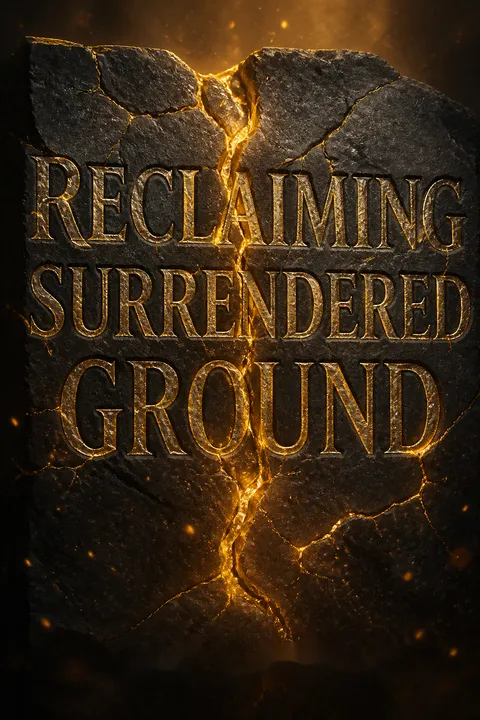
Reclaiming what's lost. The process of freedom involves five biblical steps:
- Genuine Repentance: Confessing and turning from sin.
- Taking Back Ground: Verbally declaring to God and Satan the renunciation of yielded territory.
- Tearing Down Strongholds: Dismantling fortresses of lies with God's truth.
- Building Towers of Truth: Reprogramming the mind with biblical truth.
- Taking Thoughts Captive: Discerning and controlling thoughts in obedience to Christ.
3. Unforgiveness and Bitterness Empower the Enemy
If we hold resentments and unforgiveness in our hearts against anyone, the same thing will happen to us. We will give the enemy ground to torment us.
A central theme. Forgiveness is a core message of Scripture, and conversely, unforgiveness is a primary target for Satan's attacks. When anger simmers unchecked, it degenerates into bitterness, creating a "root of bitterness" (Hebrews 12:15) that defiles many and gives the enemy a significant opening into our lives.
Jesus' command. Christ's teaching on unlimited forgiveness (Matthew 18:21-22) and the parable of the unforgiving servant (Matthew 18:23-35) clearly illustrate that refusing to forgive leads to torment. Paul warns that unforgiveness is one of Satan's "devices" (2 Corinthians 2:11) that opens believers to demonic attacks and damages the body of Christ.
Steps to freedom: Removing bitterness requires three vital steps:
- Identify and Release: Recognize those who have hurt you and release them to God, trusting His righteous judgment (Romans 12:19).
- Forgive from the Heart: Make a conscious choice to forgive, even when feelings don't align, dealing with the pain of specific offenses.
- Live with the Consequences: Be willing to accept the ongoing repercussions of others' actions, relying on the Holy Spirit's grace (Ephesians 4:30-32). This is a choice, not a feeling, and obedience precedes understanding.
4. Pride and Rebellion Undermine God's Protection
When we let pride come into our lives, God withholds spiritual power.
The original sin. Pride was Lucifer's original sin, leading to his rebellion against God (Ezekiel 28:11-19, Isaiah 14:12-14). It is the worst sin because it sets us up as the final authority in our lives, usurping God's place. God hates pride, and it precedes destruction and a fall (Proverbs 16:18).
God resists the proud. James 4:6 states, "God resists the proud, but gives grace to the humble." When pride enters our lives, God withholds spiritual power, leaving us vulnerable to destructive temptations. This divine resistance is a spiritual barrier, preventing fellowship and empowering the enemy.
Submission as protection. Rebellion, defined as challenging God's constituted authority, is likened to the sin of witchcraft (1 Samuel 15:22-23) because it removes us from God's protection. God-ordained authority structures—like family, church, and government—provide spiritual safeguards. Submitting to God (James 4:7) is the first step to successfully resisting the devil, as it places us under His authority and protection.
5. Family Iniquities and Curses Impact Generations
Whatever iniquity plagues a father can affect his family for generations.
Generational influence. The Bible repeatedly warns that the "iniquity of the fathers" can be visited upon children to the third and fourth generations (Exodus 20:5). This concept, often dismissed in Western thought, is a reality where self-will in a particular area of a parent's life can open doors for similar spiritual bondage in their descendants.
Beyond physical inheritance. Just as physical traits or addictions can be passed down, spiritual weaknesses and demonic influences can also be inherited. This is particularly evident in cases of occult involvement or troubled family backgrounds, such as adoptions where a child's behavior defies normal explanation.
Breaking the cycle. Freedom from family iniquities involves:
- Acknowledging the specific iniquity: Confessing ancestral sins, as Nehemiah and Daniel did.
- Cleansing through Christ's blood: Asking God to purify the iniquity.
- Reclaiming ground and tearing down strongholds: Declaring the enemy's legal hold broken.
- Claiming God's righteousness: Believing Psalm 103:17 for a new family heritage.
Curses, whether from occult practices or parental words, can also open doors to the enemy, but Christ has broken the curse of the law (Galatians 3:10-14), offering blessings instead.
6. Fathers and Mothers are Key Spiritual Protectors
God wants a father to be very sensitive to this so that the atmosphere of his home is conducive to raising children who love Christ and desire to follow Him.
Father's formidable role. Fathers bear immense responsibility as spiritual protectors of their homes. A father's unaddressed sin or "iniquity" can create a "breach in the wall" (Proverbs 25:28), making his wife and children vulnerable to the same destructive influences. Any sin a father practices in moderation, his children may practice to excess.
Husband's battle plan. A husband's moral failures can devastate his wife, leading to her own struggles with anger, fear, or even suicidal thoughts. Rebuilding trust requires intentional steps:
- Vowing transparency and sharing wrong thoughts/actions.
- Affirming freedom in Christ and commitment to purity.
- Prioritizing daily Scripture reading and spiritual growth with his wife.
- Maintaining formal relationships with other women.
Mother's lasting beauty. Women, as wives and mothers, are particularly vulnerable to anger (slow-burning frustration) and fear (anxiety over situations). Peter encourages a "meek and quiet spirit" (1 Peter 3:4), which is a calm, trusting attitude in God. Mothers' influence is crucial in the first five years, teaching obedience, responsibility, and gratitude. By trusting God and submitting to their husbands, women can defuse anger and anxiety, becoming models of godly influence.
7. Children Are Vulnerable but Can Resist
Children have a mighty Defender to aid them in spiritual warfare.
Targets of the enemy. Children, though innocent, are not immune to Satan's temptations and attacks. They are spiritually sensitive and trusting, making them vulnerable to influences like occult activities (Ouija boards, fantasy games), inappropriate entertainment, and natural childish fears (e.g., fear of the dark).
Parental protection. Parents have spiritual authority to protect their children. This involves:
- Observing and Asking: Noticing sudden behavioral changes and asking children about unseen or unheard things.
- Monitoring Influences: Being vigilant about media, games, and other exposures to evil.
- Wielding Prayer: Actively praying God's "hedge of protection" around children, interceding against demonic attacks (Job 1:10).
- Teaching Truth: Instilling biblical truths and helping children discern the source of thoughts.
Childlike faith and victory. Despite their vulnerabilities, children often exhibit a profound, childlike faith that enables them to stand against Satan. Stories like Joseph and Joshua demonstrate that even young children, when taught to resist the enemy in Christ's name, can experience powerful deliverance and walk in freedom, becoming mighty prayer warriors themselves.
8. Christ's Victory Defeated Satan's Power
Satan is a defeated foe. He’s a roaring lion, but all he has is his roar; he has no lasting bite.
A decisive triumph. At the cross, Jesus Christ dealt a fatal blow to the demonic world, "disarming principalities and powers" and making "a public spectacle of them, triumphing over them in it" (Colossians 2:15). This means Satan was stripped of his weapons and publicly shamed, signifying his utter defeat.
Fighting from victory. Believers are not fighting for victory, but from a position of victory already secured by Christ. We are seated with Him "far above" all other powers (Ephesians 1:20-21), meaning the enemy is under our feet. This truth should revolutionize our approach to spiritual warfare, transforming us from "losers on the winning team" to confident victors.
Satan's limited power. While Satan is still present in the world and influences unbelievers, his only real power over Christians lies in the lie. He is not all-knowing or all-powerful; he miscalculated the cross, thinking it was his triumph, not his defeat (1 Corinthians 2:6-8). Our allegiance is to Christ, our conqueror, and we can trust that God will deliver us from every evil attack (2 Timothy 4:18).
9. Resist the Tempter, Not Just the Temptation
The Bible always tells us to resist the tempter.
Targeting the source. We are never told to resist temptation itself, but to "resist the devil" (James 4:7). Focusing on the temptation only draws us closer to the very thing that can cause us to fall. Instead, our focus must be on the tempter, the one behind the alluring bait.
Satan's strategy. Satan's temptations are precisely aimed at our individual desires and weaknesses (James 1:14). He knows our "combination" and will present temptations that seem normal or appealing to us, making it difficult to recognize his involvement. He plants "intruding thoughts" in our minds, hoping we will embrace them as our own and act upon them.
Jesus' example. Christ, though tempted in every way, did not sin. He resisted Satan by wielding the truth of God's Word (Luke 4:1-14), not just quoting Scripture, but applying specific truths to specific temptations. This demonstrates that receiving a wrong thought is not sin; it's what we do with it—whether we entertain it or renounce it—that matters.
Effective resistance involves:
- Humbling ourselves before God: Acknowledging our need for His grace (James 4:6).
- Submitting to God: Placing our entire being under His authority (James 4:7).
- Actively resisting the devil: Using the name and authority of Jesus Christ and specific Scriptures.
- Drawing near to God: Seeking intimacy with Him, especially after temptation (James 4:8).
- Cleansing our hearts: Dealing with sin and secret desires (James 4:8-9).
10. Wear God's Full Armor for Daily Battle
Put on the whole armor of God, that you may be able to stand against the wiles of the devil.
Suiting up for war. Ephesians 6:10-17 outlines the essential spiritual armor God provides for believers to "stand against the wiles of the devil" and withstand attacks during the "evil day"—times of intense temptation and spiritual assault. This armor is not passive; it requires active "putting on" and maintenance.
Components of the armor:
- Belt of Truth: Holds everything together, protecting against Satan's lies. We have Christ (truth incarnate), the Spirit of truth, and the Word of truth.
- Breastplate of Righteousness: Guards the heart and emotions, protecting against Satan's accusations. We stand in Christ's blameless righteousness.
- Sandals of the Gospel of Peace: Enables us to walk with a sure step, resisting fear and anxiety. Jesus' peace assures us God cares and we don't need to fear the roaring lion.
- Shield of Faith: "Above all," quenches "all the fiery darts of the wicked one." Faith is believing what God has said, providing overall protection and assurance.
- Helmet of Salvation: The "hope of deliverance," protecting the mind from hopelessness and despair, reminding us of God's certain rescue.
- Sword of the Spirit: The rhema (spoken word) of God, specific Scripture empowered by the Holy Spirit for immediate need. It's an offensive weapon.
Daily discipline. Wearing the armor is a daily, prayerful discipline. It involves rejecting thoughts contrary to truth, guarding our hearts, walking in peace, trusting God's promises, holding onto hope, and actively wielding Scripture against the enemy.
11. The Mind is the Primary Battlefield
Sin begins as a thought.
The core conflict. Spiritual warfare is fundamentally a battle for the mind. Satan seeks to plant intruding thoughts, suggestions, and ideas to lead us into sin. Protecting and fortifying our minds is crucial for spiritual victory and going on the offensive against the enemy.
Renewing the mind. Romans 12:1-2 calls us to present our bodies as living sacrifices and to be "transformed by the renewing of your mind." This is an active, daily discipline, not a passive emptying of thoughts. It involves replacing Satan's strongholds of lies with "towers of truth" based on God's Word.
A daily battle plan for the mind:
- Test your thoughts: Examine thoughts to determine their origin (self, God, or Satan) against the standard of God's truth (1 John 4:1).
- Refuse wrong thoughts: Consciously say "I give no consent to that" to intruding thoughts, preventing them from germinating into sin (James 1:14-15).
- Resist the devil: Command the enemy to leave using Christ's authority.
- Share every thought with the Lord immediately: Especially past sins, thanking Him for cleansing.
- Memorize God's Word: Build an arsenal of truth for the Holy Spirit to use.
- Set your mind on things above: Meditate on "whatever things are true, whatever things are noble, whatever things are just, whatever things are pure, whatever things are lovely, whatever things are of good report" (Philippians 4:8).
People Also Read







Download PDF
Download EPUB
.epub digital book format is ideal for reading ebooks on phones, tablets, and e-readers.








































